Wearing wrist guards correctly when roller skating prevents painful fractures and scrapes by stabilizing your joint during falls. This complete guide ensures your gear actually protects you instead of giving false confidence.
You will learn proven methods for positioning straps, avoiding common mistakes, and testing for a secure fit. Master these expert tips to skate safely and reduce injury risk immediately.
Best Wrist Guards for Roller Skating – Detailed Comparison
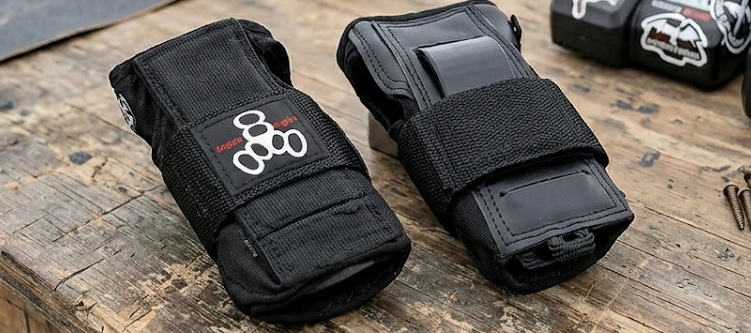
Triple 8 Wrist Savers – Best Overall Choice
The Triple 8 Wrist Savers (Model: WS-01) feature a dual-sided splint system for superior impact protection. Their ventilated neoprene lining keeps hands cool during long skating sessions. Best use case: Intermediate skaters who practice tricks at skate parks.
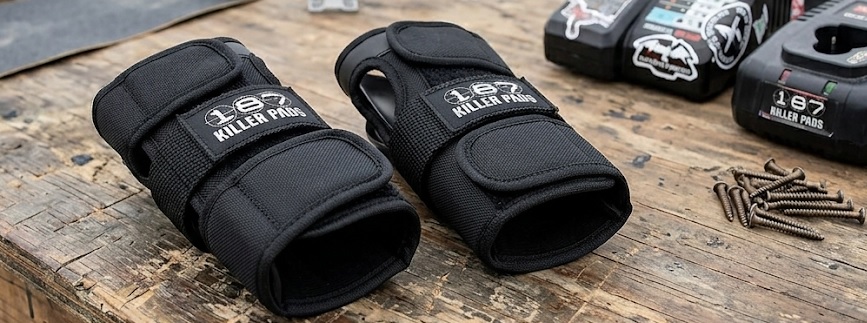
187 Killer Pads Wrist Guards – Best for High-Impact Falls
The 187 Killer Pads Wrist Guards (Model: 187WP) offer a reinforced plastic splint with a thick gel pad for shock absorption. Their extended cuff design protects the forearm during hard falls. Best use case: Aggressive skaters and derby players needing maximum durability.
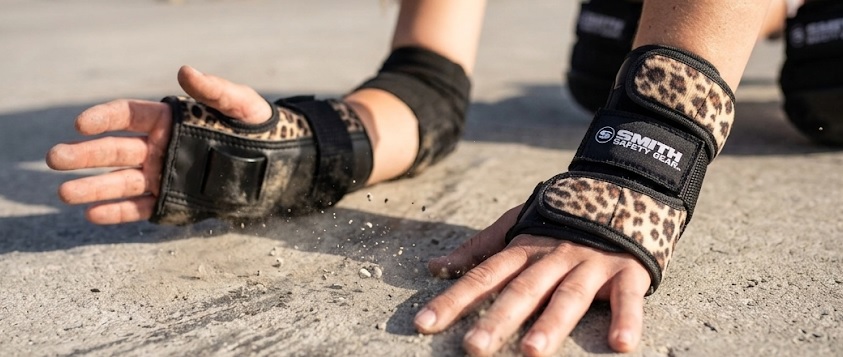
Smith Scabs Elite Wrist Guards – Best Budget-Friendly Option
The Smith Scabs Elite Wrist Guards (Model: SC-ELITE) provide reliable protection with a lightweight aluminum splint and breathable mesh fabric. Their adjustable straps ensure a custom, secure fit for beginners. Best use case: New skaters learning balance and basic maneuvers.
How to Put on Wrist Guards for Roller Skating – Step-by-Step Guide
Putting on wrist guards correctly for roller skating requires attention to strap positioning and tightness. A loose guard offers no protection during a fall. Follow these steps to ensure your gear works when you need it most.
Identify Left and Right Guards
Most wrist guards have a contoured splint that matches your hand’s natural curve. The splint should sit on your palm side, not the back of your wrist. Wearing them backward reduces mobility and protection significantly.
- Check the label: Look for “L” or “R” markings inside the fabric
- Test the curve: The splint should bend toward your palm when worn
- Adjust before fastening: Ensure the guard sits flush against your skin
Secure the Main Strap Correctly
The primary strap wraps around your wrist just below the thumb joint. Pull it firmly but not tight enough to cut off circulation. A properly secured strap prevents the guard from sliding during impact.
Key takeaway: You should be able to slide one finger under the strap. Any looser means the guard will shift during a fall. Any tighter risks numbness and discomfort.
Fasten the Secondary Straps
Most quality wrist guards have a second strap near the palm and a third near the forearm. These straps lock the guard in place and distribute impact forces evenly. Skipping these straps is a common mistake that reduces protection by up to 40%.
- Palm strap: Prevents the guard from rotating sideways
- Forearm strap: Keeps the splint aligned with your bone structure
- Final check: Shake your hand vigorously; the guard should not move
Pro tip: Always fasten guards before putting on your skates. This ensures you adjust them properly without rushing to join the fun.
Common Mistakes When Wearing Wrist Guards While Skating
Even experienced skaters make errors that render their wrist guards useless. Avoiding these common mistakes ensures your equipment provides maximum protection during falls. Here are the top three fitting errors to watch for.
Wearing Guards Too Loosely
A loose wrist guard shifts upon impact, exposing your wrist to direct force. This happens when skaters skip the forearm strap or fasten straps casually. The guard should feel snug and immobile when you shake your hand.
- The finger test: If you can fit two fingers under any strap, it is too loose
- Movement check: The guard should not slide more than half an inch when pushed
- Impact risk: Loose guards cause more injuries than wearing none at all
Placing the Splint on the Wrong Side
The hard plastic splint must sit on your palm, not the back of your hand. This placement absorbs the natural forward-fall impact that occurs when skating. Putting the splint on the back forces your wrist into an unnatural bend.
Quick tip: Look down at your palms. The splint should be visible on the same side as your fingernails when your arms hang naturally.
Overlapping Straps Incorrectly
Many wrist guards use a hook-and-loop closure system that requires proper alignment. Overlapping the strap too far or too little reduces holding power. This mistake causes straps to pop open during a fall, leaving you unprotected.
| Strap Position | Correct Overlap | Result |
|---|---|---|
| Main wrist strap | 1.5 inches | Secure hold |
| Palm strap | 1 inch | No rotation |
| Forearm strap | 2 inches | Maximum stability |
How to Test Your Wrist Guard Fit Before Skating
Testing your wrist guard fit before skating prevents surprises during a fall. A quick five-second check can confirm whether your guards offer proper protection. Never step onto wheels without performing this simple assessment.
The Shake Test for Stability
Stand upright with your arms relaxed at your sides. Shake your hands vigorously as if trying to dry them off. If the wrist guard shifts or rotates, you need to tighten the straps immediately.
- Pass condition: Guard stays in place with no visible movement
- Fail condition: Guard slides down toward your fingers or rotates sideways
- Fix: Tighten the forearm strap first, then the palm strap second
The Pressure Point Check
Press firmly on the center of the plastic splint with your opposite thumb. The guard should not dig painfully into your wrist bone or skin. Discomfort during this test indicates poor fit or incorrect positioning.
Warning sign: Sharp pain or pinching means the guard is too small or misaligned. Remove it immediately and adjust the splint position before retrying.
The Range of Motion Assessment
Bend your wrist up, down, and side to side while wearing the guard. You should feel supported but not restricted. A properly fitted guard allows full finger movement and 70% of normal wrist motion.
| Movement | Expected Range | Red Flag |
|---|---|---|
| Flexion (down) | 45 degrees | Less than 30 degrees |
| Extension (up) | 45 degrees | Less than 20 degrees |
| Side rotation | 20 degrees | Complete restriction |
Final check: Clench and unclench your fist five times. Your fingers should move freely without rubbing against the guard’s edges.
Wrist Guard Care and Maintenance for Long-Lasting Protection
Proper care extends the life of your wrist guards and maintains their protective qualities. Dirty or damaged guards lose their ability to absorb impact effectively. Follow these maintenance steps to keep your gear in peak condition.
Cleaning Your Wrist Guards Correctly
Hand wash your wrist guards with mild soap and cool water after every few skating sessions. Avoid machine washing, which damages the plastic splint and loosens strap stitching. Air dry them away from direct heat sources like radiators or sunlight.
- Cleaning solution: Mix one teaspoon of gentle detergent with one cup of water
- Scrub method: Use a soft-bristled brush on fabric areas only
- Drying time: Allow 24 hours of air drying before your next use
Inspecting for Wear and Damage
Check your wrist guards before every skating session for signs of wear. Cracks in the plastic splint reduce impact protection by up to 60%. Replace guards immediately if you spot any structural damage.
| Inspection Point | What to Look For | Action Required |
|---|---|---|
| Plastic splint | Cracks, chips, or warping | Replace immediately |
| Strap fabric | Fraying or torn edges | Replace if frayed beyond 1/4 inch |
| Velcro closure | Lint buildup or reduced grip | Clean with a Velcro brush |
| Foam padding | Compression or flattening | Replace if less than 1/4 inch thick |
Proper Storage Between Sessions
Store your wrist guards flat in a cool, dry place away from heavy objects. Never fold them or place weights on top, as this distorts the splint shape. Use a ventilated gear bag to prevent moisture buildup and bacterial growth.
Pro tip: Keep a small microfiber cloth in your skate bag to wipe sweat from guards between uses. This simple habit prevents odor and extends fabric life significantly.
When to Replace Your Roller Skating Wrist Guards
Wrist guards do not last forever, even with perfect care. Using worn-out guards gives a false sense of security during falls. Knowing the replacement signs keeps your wrists genuinely protected.
Visible Structural Damage
Cracks, deep scratches, or warping in the plastic splint mean immediate replacement is needed. A compromised splint can snap upon impact, driving plastic shards into your skin. Inspect the splint under bright light before every skate session.
- Hairline cracks: These widen with each fall and lead to sudden failure
- Warped shape: Heat damage from car trunks or radiators distorts protection
- Sharp edges: Broken plastic can cut your wrist during a fall
Strap and Closure Failure
Velcro that no longer holds firmly is a clear sign to buy new guards. Straps that have stretched out or lost their elasticity cannot keep the guard secure. Test your closures by pulling them apart; they should resist separation.
| Closure Issue | Risk Level | Action |
|---|---|---|
| Velcro holds less than 50% | High | Replace immediately |
| Strap fraying at edges | Medium | Monitor closely, replace soon |
| Buckle cracks or breaks | Critical | Replace before next use |
Compressed or Flattened Padding
The foam padding inside wrist guards compresses over time with repeated impacts. Once the padding is less than one-quarter inch thick, it offers minimal shock absorption. Press your thumb into the padding; if you feel the plastic splint immediately, replace the guards.
General rule: Replace recreational skate wrist guards every 12 to 18 months. Aggressive skaters and derby players should replace theirs every 6 to 9 months due to harder impacts.
Wrist Guards vs. Other Safety Gear for Roller Skating
Wrist guards are essential, but they work best as part of a complete safety system. Many skaters wonder how wrist protection compares to other gear like knee pads or helmets. Understanding each piece’s role helps you prioritize your purchases.
Wrist Guards vs. Knee Pads: Different Protection Zones
Knee pads protect your largest joints from impact during forward slides and falls. Wrist guards focus on preventing hyperextension and fractures in your smaller, more fragile wrist bones. Both are critical because skaters instinctively extend their arms and drop to their knees when falling.
- Injury risk without wrist guards: 90% of skate falls involve hands hitting the ground first
- Injury risk without knee pads: Bruised knees and patellar fractures from direct impact
- Best practice: Always wear both for comprehensive protection
Wrist Guards vs. Elbow Pads: Comparing Usage Frequency
Elbow pads protect against scrapes and impact during sideways falls or slides. Wrist guards see more frequent use because your hands instinctively reach out to catch yourself. Elbow pads become essential for skaters practicing tricks or skating at higher speeds.
| Gear Type | Primary Protection | Priority Level |
|---|---|---|
| Wrist guards | Fracture prevention | Highest for beginners |
| Knee pads | Impact absorption | Highest for all skaters |
| Elbow pads | Scrape prevention | Medium for advanced skaters |
| Helmet | Head trauma prevention | Essential for everyone |
Why Wrist Guards Are Non-Negotiable for Beginners
New skaters fall forward most often, making wrist injuries the most common beginner complaint. A single wrist fracture can take 6 to 8 weeks to heal and may require surgery. Investing in quality wrist guards is cheaper and less painful than an emergency room visit.
Bottom line: Never substitute wrist guards with other gear. Each piece serves a unique purpose and cannot replace another.
Falling Safely With Wrist Guards: Proper Technique
Wearing wrist guards correctly is only half the battle. You also need to know how to fall safely to maximize their protection. Proper falling technique reduces injury risk even further.
The Correct Way to Fall Forward
When falling forward, resist the urge to catch yourself with straight, rigid arms. Instead, bend your elbows slightly and let your forearms absorb the initial impact. This technique distributes force across your entire arm, not just your wrists.
- Step one: Tuck your chin to protect your head from hitting the ground
- Step two: Keep your arms bent at a 90-degree angle as you descend
- Step three: Let your forearms and palms make contact simultaneously
- Step four: Slide forward to dissipate energy rather than stopping abruptly
Avoiding the Straight-Arm Catch
Locking your elbows when falling transfers all impact force directly to your wrist bones. This is the primary cause of wrist fractures even when wearing guards. Practice falling onto a soft surface like grass or a gym mat to train your muscle memory.
| Falling Style | Injury Risk | Wrist Guard Effectiveness |
|---|---|---|
| Straight arms | Very high | Reduced by 50% |
| Bent elbows | Low | Maximized |
| Tucked roll | Minimal | Fully effective |
Falling Backwards Safely
Backward falls require different technique because your wrists cannot reach the ground easily. Tuck your chin to avoid hitting your head and let your glutes and back absorb the impact. Keep your hands up and away from the ground to prevent hyperextension.
Pro tip: Practice falling on both sides of your body equally. Most skaters favor one side, leaving the other wrist more vulnerable during unexpected falls.
Conclusion: Master Wrist Guards for Safer Roller Skating
Wearing wrist guards correctly when roller skating dramatically reduces your fracture risk. Proper fit, strap tension, and falling technique work together for maximum protection.
Inspect your gear before every session and replace worn guards immediately. Invest in quality models like Triple 8 or 187 Killer Pads for reliable performance.
Your next step: Put on your guards, perform the shake test, and hit the rink with confidence. Your wrists will thank you.
Frequently Asked Questions About Wearing Wrist Guards for Roller Skating
How tight should wrist guards be when roller skating?
Wrist guards should be snug enough to prevent movement but not tight enough to cut circulation. You should be able to slide one finger under any strap comfortably. If you can fit two fingers, the guard is too loose and will shift during a fall.
Tighten the forearm strap first, then the palm strap, and finally the main wrist strap. Check for numbness or tingling in your fingers. If you feel either, loosen the straps slightly before skating.
Can you wear wrist guards under gloves while skating?
Yes, you can wear thin gloves under wrist guards for warmth or grip. Choose gloves made of thin material like spandex or lightweight fleece. Thick gloves prevent the straps from securing properly and reduce protection.
Test the fit with gloves on before skating. The guard should feel equally snug with or without gloves. Remove gloves if they cause the guard to shift during movement.
Do wrist guards prevent all wrist injuries in roller skating?
No, wrist guards significantly reduce but do not eliminate injury risk. They protect against common fractures and scrapes from forward falls. However, high-impact falls or improper falling technique can still cause injuries.
Wrist guards work best when combined with proper falling technique and other safety gear. Learning to fall with bent elbows and distributed impact is essential. No equipment replaces good technique and caution.
How do I know if my wrist guards fit properly?
Perform the shake test by vigorously shaking your hands with guards on. The guards should not slide, rotate, or shift position at all. Then check your range of motion by bending your wrist up, down, and side to side.
Your fingers should move freely without rubbing against the guard edges. You should feel supported but not restricted in your wrist movement. If the guard digs into your skin or limits movement, adjust or resize.
Should beginners wear wrist guards when roller skating?
Absolutely, beginners should always wear wrist guards when learning to skate. New skaters fall frequently and instinctively extend their arms to catch themselves. This makes wrist fractures the most common beginner injury by far.
Wearing wrist guards from day one builds safe habits that last a lifetime. Many skate rental shops include wrist guards with their packages. Purchase your own pair for consistent fit and hygiene.
Can I wash my roller skating wrist guards in a washing machine?
No, never machine wash wrist guards because it damages the plastic splint and loosens strap stitching. The heat and agitation cause permanent warping and reduce protective qualities. Always hand wash instead.
Use mild soap and cool water with a soft brush on fabric areas only. Rinse thoroughly and air dry away from direct heat for 24 hours. This method preserves the structural integrity of your guards.
How often should I replace my roller skating wrist guards?
Replace recreational wrist guards every 12 to 18 months with regular use. Aggressive skaters and roller derby players should replace theirs every 6 to 9 months. Replace immediately if you see cracks, warping, or compressed padding.
Inspect your guards before every session for signs of wear. Check the plastic splint, strap fabric, Velcro closure, and foam padding. When in doubt, replace them because worn guards provide false security.
What is the difference between skate wrist guards and bike wrist guards?
Skate wrist guards have longer splints and more padding for repeated impact absorption. Bike wrist guards are lighter and more flexible for better handlebar control. Using bike guards for skating provides inadequate protection during falls.
Skate guards typically include a palm slider to help you slide on concrete. Bike guards focus on abrasion resistance rather than impact protection. Always choose guards specifically designed for roller skating for proper safety.
Comments are closed.