Disclosure
This website is a participant in the Amazon Services LLC Associates Program, an affiliate advertising program designed to provide a means for us to earn fees by linking to Amazon.com and affiliated sites.
Yes, you can technically wear jeans roller skating, but they are rarely the best choice. Denim restricts your movement and can cause chafing, which hurts your performance and enjoyment on the rink.
This complete guide explains why jeans often fail skaters and offers expert tips on better alternatives. Keep reading to discover proven methods for choosing the most comfortable and flexible skating attire.
Best Skating Pants for Roller Skating – Detailed Comparison
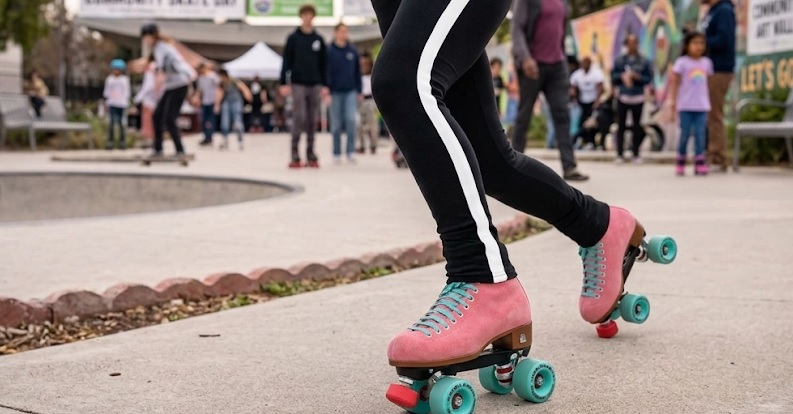
Moxi Skates Thick Stripe Skating Pants – Best Overall Choice
These high-waisted pants offer a four-way stretch fabric that moves with you. The wide waistband prevents rolling during spins. Best use case: recreational rink skating and outdoor jam sessions where flexibility is key.
Carve Designs Slider Pants – Best for Outdoor Skating
Made from quick-dry, abrasion-resistant material, these pants protect against pavement falls. The gusseted crotch allows deep knee bends for smooth strides. Best use case: trail skating and park sessions where durability matters most.
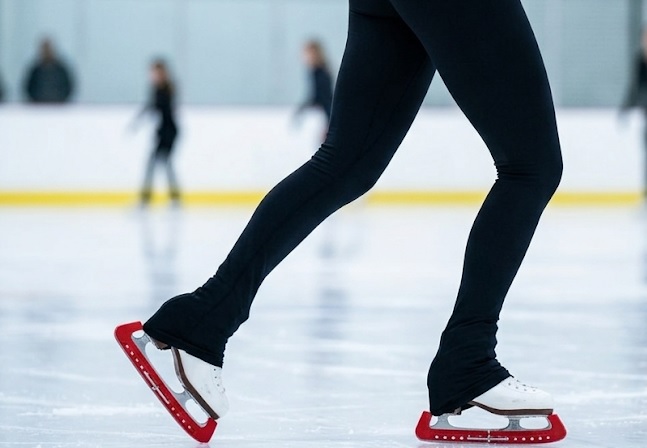
Baleaf High-Waisted Yoga Pants – Best Budget Option
These moisture-wicking leggings cost under $30 yet offer full range of motion. The flat seams reduce chafing during long skating sessions. Best use case: beginners practicing indoors or casual rink skating on a budget.
Why Denim Fails Skaters: The Real Problems with Jeans
Jeans create three major issues for roller skaters: restricted movement, overheating, and chafing. Understanding these problems helps you choose better attire.
Restricted Range of Motion
Denim lacks the stretch needed for deep knee bends essential for proper skating form. Tight jeans limit your ability to squat low for stability. This forces awkward posture that increases fall risk.
Overheating and Moisture Issues
Thick cotton denim traps heat and absorbs sweat, leaving you uncomfortable. Unlike synthetic fabrics, jeans do not wick moisture away from your skin. This leads to clammy legs and potential skin irritation during long sessions.
Chafing and Skin Damage
Rough denim seams rub against your legs during repetitive skating motions. The constant friction causes painful chafing on inner thighs and knees. This discomfort can cut your skating time short and require days of recovery.
Key Takeaway: Jeans restrict movement, trap heat, and cause chafing. Choose stretchy, moisture-wicking fabrics for better skating performance.
What to Wear Instead: The Best Skating Pants Alternatives
The ideal skating pants combine stretch, breathability, and durability. Here are the top fabric choices that outperform denim.
High-Waisted Leggings for Maximum Flexibility
Compression leggings offer unrestricted movement and moisture management. Look for nylon-spandex blends with flat seams to prevent chafing. High waistbands stay put during dynamic movements.
Wide-Leg Track Pants for Breathable Comfort
Loose-fitting athletic pants allow airflow while providing full range of motion. Choose polyester or nylon materials that dry quickly. Elastic waistbands and cuffs keep pants secure without restricting movement.
Your skating environment dictates the best clothing choices. Indoor rinks and outdoor trails require different fabric weights and fits. Matching your outfit to your activity improves both comfort and safety.
Indoor Rink Skating: Lightweight and Flexible
Rinks stay climate-controlled, so lightweight leggings or bike shorts work perfectly. Choose breathable fabrics that allow maximum airflow. Avoid heavy materials that cause overheating during fast laps.
- Best options: Compression leggings, dance shorts, or stretchy capris
- Avoid: Thick denim, cargo pants, or non-stretch cotton
Outdoor Trail Skating: Durable and Protective
Pavement falls require abrasion-resistant fabrics that protect your skin. Look for reinforced knees and thicker materials. Longer pants prevent road rash during unexpected spills.
- Best options: Athletic joggers, reinforced hiking leggings, or padded skating pants
- Avoid: Thin leggings, loose shorts, or delicate fabrics
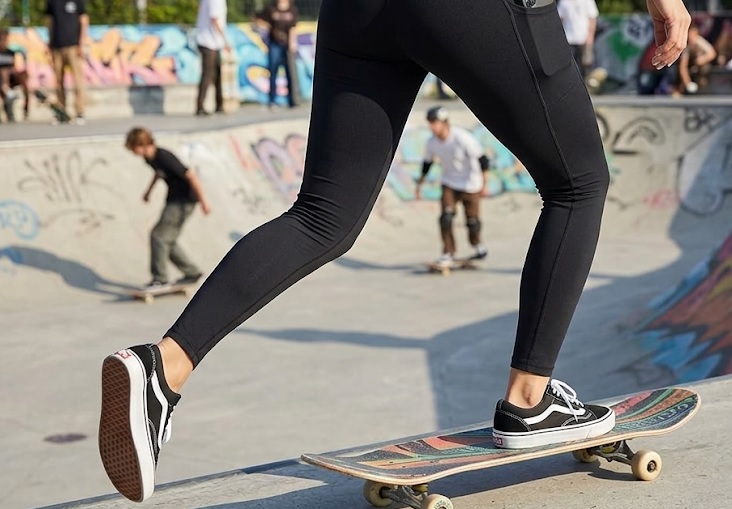
Park and Ramp Skating: Maximum Mobility
Skate parks demand unrestricted movement for jumps and tricks. Stretchy shorts or cropped leggings offer freedom without excess fabric. Padded shorts add hip protection for falls.
- Best options: Stretchy board shorts, padded compression shorts, or flexible capris
- Avoid: Long pants that snag on coping or wheels
Quick Guide: Indoor = light leggings. Outdoor = durable joggers. Park = flexible shorts. Match your outfit to your terrain for best results.
Essential Accessories to Complete Your Skating Outfit
Choosing the right pants is only half the battle. The correct accessories enhance comfort, safety, and performance. These items prevent common issues skaters face during long sessions.
Moisture-Wicking Socks for Blister Prevention
Thick cotton socks trap sweat and cause painful blisters inside your skates. Invest in synthetic skating socks made from polyester or merino wool. These materials wick moisture and reduce friction against your skin.
- Recommended brands: Riedell Skate Socks, Bionic Women’s Skate Socks
- Avoid: 100% cotton socks or bulky tube socks
Protective Gear for Injury Prevention
Falls happen to every skater regardless of skill level. A complete protective set includes wrist guards, knee pads, elbow pads, and a helmet. Wearing gear under your pants keeps you safe without restricting movement.
- Knee pads: Look for low-profile pads that fit under joggers
- Wrist guards: Choose models with splints that allow finger movement
Top Layers for Temperature Control
Rinks and outdoor conditions vary dramatically throughout a session. A lightweight hoodie or zip-up jacket lets you adjust your temperature easily. Avoid bulky sweaters that restrict arm movement for balance.
- Best fabrics: Nylon windbreakers, moisture-wicking athletic hoodies
- Avoid: Heavy cotton jackets or wool sweaters
Key Takeaway: Good socks prevent blisters. Protective gear saves injuries. Light layers manage temperature. Complete your outfit with these essentials.
Common Skating Outfit Mistakes and How to Avoid Them
Even experienced skaters make wardrobe errors that ruin their session. Recognizing these mistakes helps you dress smarter. Avoid these five common pitfalls for a better skating experience.
Wearing Baggy or Loose Clothing
Oversized pants and wide-leg jeans can get caught in your skate wheels. This creates a dangerous tripping hazard that causes sudden falls. Choose fitted or tapered pants that stay close to your legs.
- Fix: Use ankle cuffs or roll up loose hems
- Alternative: Wear joggers with elastic ankle bands
Choosing the Wrong Fabric Weight
Heavy denim and thick corduroy restrict movement and cause overheating. Lightweight fabrics that are too thin offer no protection during falls. Medium-weight synthetic blends provide the ideal balance of flexibility and durability.
- Ideal weight: 200-250 GSM for indoor, 250-300 GSM for outdoor
- Best fabric: Nylon-spandex or polyester-elastane blends
Ignoring Seam Placement
Seams located on inner thighs or knees cause chafing during repetitive motion. Flat-lock seams or seamless construction eliminates friction points entirely. Check seam placement before purchasing skating pants.
- Look for: Flat seams, gusseted crotches, seamless panels
- Avoid: Raised seams, thick stitching on contact points
| Mistake | Solution |
|---|---|
| Baggy pants | Choose tapered or cuffed styles |
| Wrong fabric | Use medium-weight synthetics |
| Bad seams | Select flat-lock construction |
How to Transition from Jeans to Proper Skating Attire
Switching from jeans to performance skating pants feels different at first. Many skaters hesitate because they worry about style or cost. These simple steps make the transition smooth and comfortable.
Start with Stretchy Denim Alternatives
If you love the look of jeans, try jeggings or stretch-denim leggings first. These offer the denim appearance with significantly more flexibility. Look for styles with at least 5% spandex content for adequate movement.
- Best brands: American Eagle Next Level Jegging, Uniqlo Stretch Jeans
- Check: Do a deep squat test before buying
Gradually Introduce Performance Fabrics
Start wearing athletic leggings for shorter practice sessions. Notice how much easier deep knee bends feel with stretchy fabric. You will quickly prefer the comfort and freedom of movement over denim.
- Week 1: Wear leggings for 15-minute practice sessions
- Week 2: Extend to full sessions and compare comfort levels
Build a Versatile Skating Wardrobe
Invest in two to three pairs of quality skating pants for rotation. One pair for indoor rinks, one for outdoor trails, and one all-purpose option. This variety ensures you always have the right outfit for any skating environment.
- Indoor choice: Lightweight compression leggings
- Outdoor choice: Durable reinforced joggers
- All-purpose: Medium-weight nylon-spandex pants
Action Plan: Try stretch denim first. Test leggings in short sessions. Build a 3-pant rotation. The transition becomes natural within two weeks.
Seasonal Skating Attire: Dressing for Weather Conditions
Skating outdoors requires adapting your outfit to changing temperatures. Proper layering keeps you comfortable without restricting movement. Follow these seasonal guidelines for year-round skating enjoyment.
Summer Skating: Staying Cool and Protected
Hot weather demands lightweight, breathable fabrics that wick sweat quickly. Choose shorts or cropped leggings made from moisture-wicking materials. Apply sunscreen on exposed legs to prevent sunburn during long sessions.
- Best options: Bike shorts, performance leggings, mesh-panel joggers
- Avoid: Dark colors that absorb heat, heavy cotton fabrics
Winter Skating: Warmth Without Bulk
Cold weather requires insulated but flexible layers that trap body heat. Start with a thermal base layer, add fleece-lined leggings, and finish with a windproof shell. Avoid thick snow pants that restrict knee movement.
- Base layer: Merino wool or synthetic thermal tights
- Mid layer: Fleece-lined running tights or insulated joggers
- Outer layer: Nylon wind pants with elastic cuffs
Rainy and Damp Conditions
Wet fabric causes chafing and makes you cold quickly. Water-resistant pants with sealed seams keep you dry during light rain. Avoid cotton entirely as it absorbs moisture and becomes heavy.
- Best fabrics: Nylon with DWR coating, polyester blends
- Avoid: Denim, cotton, untreated canvas materials
| Season | Key Fabric | Layer Strategy |
|---|---|---|
| Summer | Mesh, spandex | Single light layer |
| Winter | Fleece, wool | Three thin layers |
| Rain | Nylon, DWR | Waterproof outer shell |
Conclusion: Ditch the Jeans and Skate Better Today
Jeans restrict movement, cause chafing, and trap heat during skating. Switching to stretchy, moisture-wicking fabrics transforms your comfort and performance on wheels.
Your best move is choosing performance pants designed for active movement. Start with one quality pair and feel the difference immediately.
Ready to upgrade your skating wardrobe? Try leggings or joggers for your next session. Your body will thank you, and your skating will improve.
Frequently Asked Questions about Wearing Jeans Roller Skating
Can you wear jeans roller skating at an indoor rink?
You can wear jeans indoors, but they are not recommended. Indoor rinks require flexible movement for proper skating form. Denim restricts your range of motion significantly.
Most rink skaters prefer leggings or stretchy pants for comfort. If you must wear jeans, choose stretch-denim styles with spandex content. Avoid tight or rigid denim completely.
What is the best fabric to wear for roller skating?
The best fabrics for roller skating are nylon-spandex and polyester-elastane blends. These materials offer four-way stretch for full range of motion. They also wick moisture away from your skin effectively.
Merino wool works well for colder weather skating sessions. Avoid 100% cotton fabrics that absorb sweat and cause chafing. Synthetic blends outperform natural fibers for active skating.
How tight should skating pants fit?
Skating pants should fit snugly without restricting movement. They should stay in place during deep knee bends and quick turns. Loose fabric creates a dangerous tripping hazard near wheels.
Test your pants by doing a full squat before skating. If the fabric pulls tight or limits motion, choose a stretcher option. Compression leggings offer the ideal balance of fit and flexibility.
What should beginners wear for their first skating session?
Beginners should wear high-waisted leggings or stretchy joggers for their first session. These provide maximum flexibility for learning basic movements. Avoid jeans, skirts, or loose pants that interfere with balance.
Add a lightweight long-sleeve top for protection during falls. Wear moisture-wicking socks and ensure your protective gear fits properly. Comfortable clothing helps beginners focus on learning rather than adjusting their outfit.
Can you wear shorts for roller skating?
Yes, shorts work well for roller skating in warm weather or indoor rinks. Choose bike shorts or stretchy athletic shorts that allow full leg movement. Avoid cargo shorts with bulky pockets that catch on wheels.
Consider wearing knee pads underneath longer shorts for protection. Shorts are ideal for park skating where maximum mobility matters. Always check rink dress codes before wearing shorts indoors.
What is the difference between indoor and outdoor skating attire?
Indoor skating attire focuses on lightweight, breathable fabrics for climate-controlled rinks. Outdoor skating requires durable, abrasion-resistant materials for pavement protection. The fabric weight differs significantly between the two environments.
Indoor skaters prefer thin leggings or bike shorts for maximum airflow. Outdoor skaters need thicker joggers or reinforced pants for fall protection. Always match your clothing thickness to your skating surface.
Why do my jeans cause chafing when I skate?
Jeans cause chafing because rough denim seams rub against your skin repeatedly. The thick cotton fabric absorbs sweat and creates friction during movement. This friction intensifies with repetitive skating motions like striding and turning.
Flat-seam leggings eliminate this problem by reducing friction points. Moisture-wicking fabrics keep your skin dry and prevent irritation. Switching to performance pants solves chafing issues immediately.
How do I clean my skating pants properly?
Wash skating pants in cold water on a gentle cycle to preserve elasticity. Use mild detergent and avoid fabric softeners that damage moisture-wicking properties. Air dry your pants instead of using a machine dryer.
High heat breaks down spandex and elastane fibers over time. Turn pants inside out before washing to protect outer surfaces. Proper care extends the life of your skating pants significantly.