Yes, you absolutely need special socks for roller skating to prevent blisters and improve your performance. Regular cotton socks trap moisture and create friction inside your skates, leading to discomfort. The right skating socks provide cushioning exactly where you need it most.
In this complete guide, we reveal expert tips for choosing the perfect skate socks. You will learn proven methods to avoid foot pain and extend your skating sessions. Keep reading to discover why your current sock drawer is failing you.
Best Skate Socks for Roller Skating – Detailed Comparison
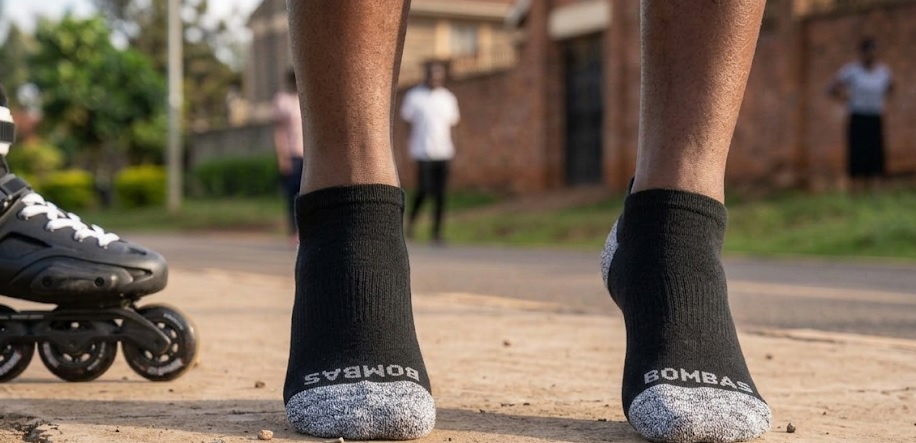
Bombas Performance Cushion No-Show Socks – Best Overall Choice
These socks feature targeted cushioning in the heel and toe where skaters experience the most pressure. The seamless toe design eliminates friction points inside tight skate boots. They are ideal for long rink sessions due to their moisture-wicking merino wool blend.
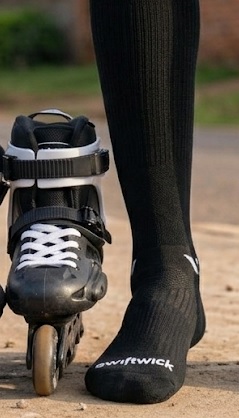
Swiftwick Aspire Four Compression Socks – Best for Performance
This model offers graduated compression from ankle to calf to improve blood flow during aggressive skating. The thin profile fits snugly inside high-top skates without bunching. It is the best option for speed skaters who need maximum proprioception and ankle support.
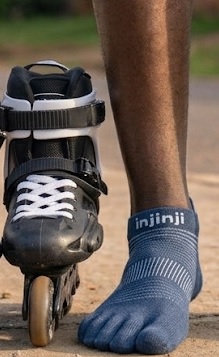
Injinji Run Lightweight No-Show Toe Socks – Best for Blister Prevention
These five-toe socks separate each digit to prevent skin-on-skin friction inside tight boots. The thin Coolmax fabric wicks sweat rapidly while keeping your feet cool. They are highly recommended for wide feet or skaters prone to blisters between toes.
Why Regular Socks Fail for Roller Skating
Standard cotton socks absorb sweat and become heavy inside your skates. This moisture creates friction that leads to painful blisters within minutes. The loose weave also bunches up under your foot, causing pressure points during turns.
Moisture Management Problems
Cotton holds up to 27 times its weight in water, turning your skate boot into a swamp. Wet socks cause your foot to slide inside the boot, reducing control. Skating socks use synthetic blends like polyester or nylon that wick moisture away instantly.
- Cotton: Absorbs sweat, stays wet, causes blisters
- Wool/nylon blend: Wicks moisture, dries fast, reduces friction
Padding Placement Differences
Regular socks have uniform thickness across the entire foot. Skate-specific socks place extra cushioning exactly where boots rub: the heel, Achilles tendon, and ball of the foot. This targeted padding absorbs impact from jumps and stops without adding bulk where your foot needs to flex.
Height and Fit Considerations
Most roller skates sit above the ankle bone. Standard ankle socks leave skin exposed to the stiff boot edge, causing chafing. Skate socks are designed with a specific mid-calf height that covers the vulnerable area without adding excess fabric that bunches inside the boot tongue.
How to Choose the Best Skating Socks for Your Needs
Your skating style directly determines which sock features matter most. A speed skater needs thin, compression-fit socks while a park skater requires extra padding. Matching sock type to your activity prevents discomfort and improves performance.
Thickness and Cushioning Levels
Thin socks (1-2mm) provide maximum boot feel and are ideal for speed skating or dance. Medium cushion socks (3-4mm) balance comfort with control for recreational skating. Thick socks (5mm+) offer maximum shock absorption for aggressive park skating but may reduce boot sensitivity.
- Thin: Best for experienced skaters wanting precise control
- Medium: Perfect for beginners needing comfort and protection
- Thick: Ideal for jumps, drops, and rough outdoor surfaces
Material Composition Guide
Merino wool blends naturally regulate temperature and resist odor buildup during long sessions. Synthetic blends (polyester, nylon, spandex) dry quickly and maintain their shape after repeated washes. Avoid 100% cotton as it absorbs moisture and causes blisters.
Compression Features Explained
Compression socks improve blood flow and reduce muscle fatigue during extended skating sessions. Graduated compression (tightest at ankle) helps prevent ankle swelling and provides proprioceptive feedback. This feature is especially valuable for skaters with previous ankle injuries or those skating for over two hours.
Common Mistakes When Choosing Roller Skate Socks
Many skaters grab any sock from their drawer and wonder why their feet hurt. Small sock mistakes can ruin an entire skating session and lead to long-term foot problems. Avoid these common errors to keep your feet happy on wheels.
Wearing Socks That Are Too Thick
Thick socks seem comfortable but actually compress your toes inside the boot, reducing circulation. This causes numbness, cramping, and loss of control during turns. Your skate boot should fit snugly with a thin sock, not be stuffed with extra fabric.
- Too thick: Reduces blood flow, causes numbness, limits control
- Correct fit: Snug without pressure, toes can wiggle slightly
Ignoring Seam Placement
Bulk seams at the toe or heel create constant pressure points inside tight boots. Seamless toe socks or flat-stitch designs eliminate this friction source entirely. Run your hand inside the sock to feel for raised seams before purchasing.
Reusing Sweaty Socks Between Sessions
Damp socks breed bacteria that cause foot odor and skin infections. Always start each skating session with fresh, dry socks even if your previous pair feels dry. Consider packing an extra pair for long rink sessions exceeding two hours.
Neglecting Sock Height
Ankle socks expose your skin to the stiff boot edge, causing painful chafing. Knee-high socks can bunch behind the knee and restrict leg movement. The ideal height is mid-calf, covering the boot top without excess fabric above.
How to Care for Your Roller Skate Socks
Proper sock care extends their lifespan and maintains performance benefits. Skate socks are technical gear, not basic underwear, and require specific washing methods. Follow these care tips to keep your socks performing session after session.
Washing Instructions for Longevity
Turn your socks inside out before washing to protect the fibers. Use cold water and a gentle cycle to prevent elastic breakdown and shrinkage. Avoid fabric softeners as they coat synthetic fibers and reduce moisture-wicking ability.
- Do: Turn inside out, cold water, gentle cycle, air dry
- Don’t: Hot water, bleach, fabric softener, machine drying
When to Replace Your Skate Socks
Compression socks lose their effectiveness after approximately 6-12 months of regular use. Look for signs of wear including thinning fabric at the heel and toe, loss of elasticity at the cuff, or persistent odor despite washing. Worn socks provide less cushioning and friction protection.
Storage Tips for Best Performance
Store your skate socks flat or rolled, never stretched over a hanger. Keep them away from direct sunlight which degrades elastic fibers over time. Dedicate specific socks for skating only and avoid using them for other workouts to maintain their shape.
Travel Tips for Skaters
Pack at least two pairs of skate socks per day of skating when traveling. Store them in a breathable mesh bag to prevent moisture buildup. Consider bringing a small wash bag to rinse socks between sessions if laundry access is limited.
Budget-Friendly Alternatives vs. Premium Skate Socks
Not everyone can invest in high-end skate socks immediately. However, understanding the key differences between budget and premium options helps you make smart choices. Here is what you gain or sacrifice at each price point.
What Budget Socks Offer (Under $10 per Pair)
Basic synthetic athletic socks provide adequate moisture-wicking for casual skaters. They typically lack targeted cushioning zones and seamless toe construction. These socks work fine for short sessions but may cause discomfort during extended skating.
- Pros: Affordable, widely available, basic moisture control
- Cons: No targeted padding, seams may irritate, shorter lifespan
What Premium Socks Offer ($15-$25 per Pair)
High-end skate socks feature merino wool blends, graduated compression, and seamless designs. They include specific cushioning zones for the heel, Achilles, and ball of the foot. These socks last 2-3 times longer than budget alternatives.
DIY Alternatives for Tight Budgets
Wear thin synthetic athletic socks and apply moleskin padding to pressure points inside your boots. Avoid cotton entirely and look for athletic socks with flat toe seams. Replace them every 3-4 months as they lose cushioning.
Price vs. Performance Comparison Table
| Feature | Budget Socks | Premium Socks |
|---|---|---|
| Moisture Wicking | Good | Excellent |
| Targeted Padding | None | Yes |
| Seamless Toe | Rare | Common |
| Lifespan | 3-4 months | 12+ months |
| Blisters Prevention | Moderate | High |
Special Considerations for Different Skating Styles
Each skating discipline places unique demands on your feet and socks. What works for a rink skater may fail for a park skater due to different impact forces and boot designs. Match your sock choice to your specific skating style for best results.
Best Socks for Roller Derby Skaters
Derby skaters need thin, high-compression socks that fit snugly under tight boots. The seamless design prevents blisters during quick stops and lateral movements. Look for socks with reinforced heels to withstand the constant toe-stop work.
- Key features: Thin cushion, high compression, reinforced heel, mid-calf height
Best Socks for Outdoor and Trail Skating
Outdoor skating on rough surfaces requires medium to thick cushioning to absorb vibration from cracks and debris. Merino wool blends help regulate temperature during changing outdoor conditions. Higher cuffs protect against debris entering your boot.
- Key features: Medium cushion, temperature regulation, debris protection
Best Socks for Artistic and Dance Skating
Artistic skaters require maximum boot feel and flexibility for precise edge work and spins. Ultra-thin socks with seamless toes allow better connection with the boot. Avoid any padding that might interfere with boot fit during jumps.
- Key features: Ultra-thin, seamless, maximum flexibility, low compression
Best Socks for Recreational and Beginner Skaters
New skaters benefit from medium cushion socks with extra ankle protection. The padding helps ease the transition period as feet adjust to stiff boots. Focus on blister prevention and comfort over performance features.
- Key features: Medium cushion, ankle protection, blister prevention, affordable
How to Test If Your Skate Socks Fit Properly
A proper sock fit is just as important as the sock material itself. Even the best skate socks fail if they fit incorrectly inside your boot. Use these simple tests to verify your sock fit before your next session.
The Toe Wiggle Test
Put on your skates with your chosen socks and lace them normally. You should be able to wiggle your toes slightly without feeling pressure against the boot toe. If your toes are cramped or numb, your socks are too thick or your boots are too small.
- Pass: Toes wiggle freely, no numbness after 5 minutes
- Fail: Toes pressed against boot, tingling or cramping occurs
The Heel Slip Check
Stand up in your skates and try to lift your heel slightly. Your heel should stay firmly in place without sliding up or down. Excessive heel movement indicates socks are too thick or lack proper grip material in the heel pocket.
The Bunching Assessment
Walk around for two minutes and then remove your skates. Check if your socks have bunched up around the toes or under the arch. Bunching creates pressure points that cause blisters within 10 minutes of skating.
The Moisture Check After 30 Minutes
Skate for 30 minutes and then feel the inside of your socks. Your feet should feel dry or slightly damp, not soaked with sweat. Wet socks indicate poor moisture-wicking and will lead to blisters during longer sessions.
Conclusion: Invest in the Right Roller Skate Socks Today
Specialized socks are not a luxury—they are essential gear for comfortable, safe skating. The right pair prevents blisters, improves control, and extends your time on wheels. Your feet deserve the same attention as your skates.
Start with a medium-cushion, seamless sock made from merino wool or synthetic blends. Test your fit using the toe wiggle and heel slip checks. Upgrade your sock drawer now and feel the difference in your next session.
Frequently Asked Questions about Roller Skate Socks
Can I wear regular socks for roller skating?
You can wear regular socks, but they will likely cause problems during skating. Cotton socks absorb sweat and create friction that leads to painful blisters. Most skaters regret this choice after their first long session.
Regular socks also lack the targeted cushioning needed for skate boots. The uniform thickness does not protect pressure points like the heel and Achilles. Invest in skate-specific socks for a much better experience.
What is the best material for roller skate socks?
Merino wool blends are widely considered the best material for skate socks. They naturally wick moisture, resist odor, and regulate temperature during long sessions. Synthetic blends like polyester and nylon are excellent budget-friendly alternatives.
Avoid 100% cotton at all costs for skating. Cotton holds moisture against your skin and causes blisters within minutes. Look for socks with at least 60% synthetic or wool content for optimal performance.
How thick should my roller skate socks be?
The ideal thickness depends on your skating style and boot fit. Thin socks (1-2mm) work best for experienced skaters who need maximum boot feel. Medium cushion socks (3-4mm) suit most recreational skaters and beginners perfectly.
Thick socks (5mm+) are only recommended for aggressive park skating with loose boots. If your boots fit correctly, thin to medium socks provide the best balance. Test different thicknesses to find your personal sweet spot.
How often should I replace my skate socks?
Replace your skate socks every 6-12 months depending on usage frequency. Signs of wear include thinning fabric at the heel and toe, loss of elasticity, and persistent odor. Compression socks lose their effectiveness faster than non-compression styles.
Skating three or more times per week requires more frequent sock replacement. Inspect your socks monthly for signs of wear and tear. Worn socks provide less cushioning and friction protection for your feet.
Should I wear compression socks for roller skating?
Compression socks benefit skaters who experience ankle swelling or muscle fatigue. They improve blood flow and provide proprioceptive feedback that enhances balance. Speed skaters and roller derby athletes often prefer compression styles for performance gains.
Casual skaters may find compression socks uncomfortable or unnecessary. Start with standard skate socks and try compression if you experience foot fatigue. Listen to your body and choose what feels best for your skating style.
Can I wear two pairs of socks for roller skating?
Wearing two pairs of socks is a common mistake that causes more problems than it solves. Double socks compress your toes and reduce blood circulation inside the boot. This leads to numbness, cramping, and loss of control during skating.
Instead of double socks, invest in one quality pair with proper cushioning. If your boots feel loose, use insoles or heel grips to improve fit. Proper boot fitting eliminates the need for multiple sock layers entirely.
What height should roller skate socks be?
Mid-calf height is the ideal sock length for most roller skates. This height covers the boot top without adding excess fabric that bunches behind the knee. Ankle socks leave skin exposed to the stiff boot edge, causing painful chafing.
Knee-high socks are acceptable but may restrict leg movement for some skaters. The key is finding socks that stay in place without sliding down. Test different heights to see what works best with your specific skate boots.
How do I prevent blisters from roller skating?
Start with seamless, moisture-wicking skate socks made from merino wool or synthetics. Apply moleskin or blister pads to known pressure points before skating. Keep your feet dry by changing socks immediately after each session.
Ensure your boots fit properly with no excessive heel movement or toe pressure. Break in new boots gradually over several short sessions. Blister prevention combines proper socks, correct boot fit, and gradual adaptation to new gear.