
Asphalt, concrete, and wood are among the worst surfaces for inline skate wheels, depending on your specific wheel durometer and profile. Rough asphalt shreds soft wheels quickly, while polished concrete can cause dangerous slides. This guide helps you choose the right wheels to survive any terrain.
You will learn which surfaces cause the fastest wear and how to identify friction hotspots. We also share expert tips for matching wheel hardness to your local pavement. Keep reading to protect your gear and improve your ride quality.
Best Inline Skate Wheels for Rough Surfaces – Detailed Comparison
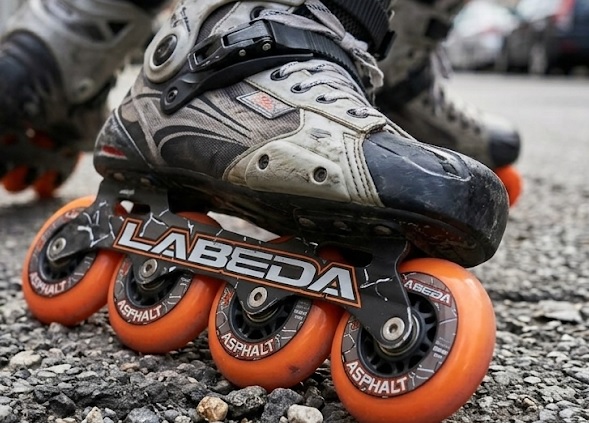
Labeda Asphalt Grippers (80A/84A) – Best Overall Choice
Labeda Asphalt Grippers feature a specialized urethane blend that grips rough pavement without excessive wear. The 80A durometer suits bumpy roads, while the 84A handles mixed surfaces. They are ideal for urban skaters who encounter debris and cracks daily.
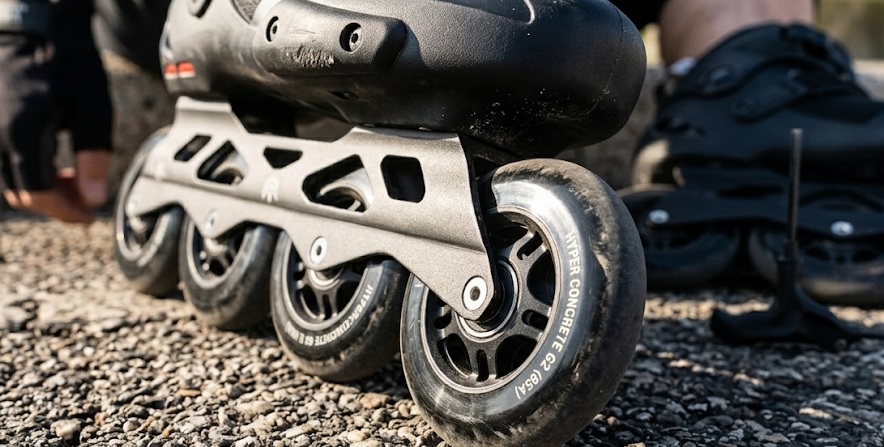
Hyper Concrete G2 (85A) – Best for Smooth Concrete
The Hyper Concrete G2 uses a high-rebound formula that rolls fast on polished concrete and skate parks. Its 85A hardness resists chunking on abrasive surfaces. This is the best option for aggressive skaters who need durability during slides and grinds.
Bones Reds Bearings (with Bones Wheels) – Best Budget Durability
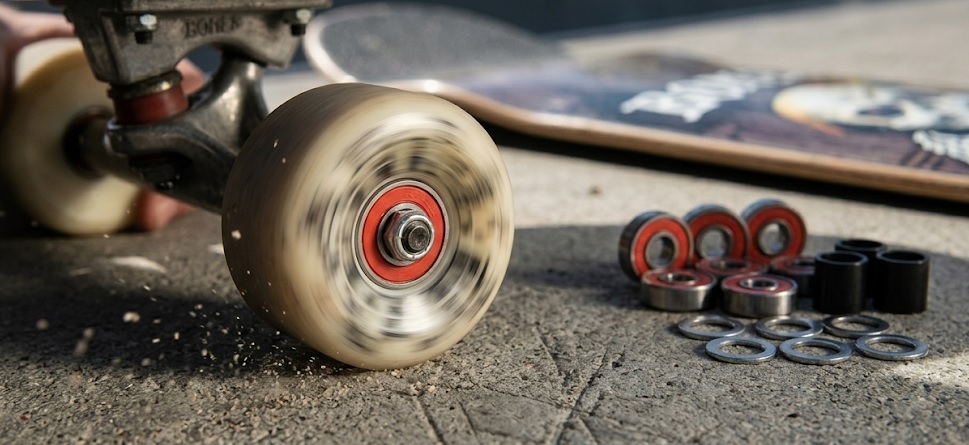
Bones Reds Bearings paired with Bones 100s wheels (84A) offer excellent value for mixed terrain. The wheels feature a flat profile for stability, while the bearings handle dirt well. This combination is recommended for beginner to intermediate skaters on asphalt and concrete.
How Different Surfaces Damage Inline Skate Wheels
Understanding how surface texture affects wheel wear helps you choose the right durometer. Soft wheels (78A-82A) grip well but wear fast on rough asphalt. Hard wheels (85A-90A) last longer but slide more on smooth concrete.
Rough Asphalt and Tarmac Wear
Rough asphalt acts like sandpaper, grinding down soft urethane quickly. You may notice flat spots after just a few miles on coarse pavement. Hard wheels (84A+) resist this abrasion but reduce shock absorption.
- Soft wheels (78A-80A): Wear out in 50-100 miles on rough asphalt
- Medium wheels (82A-84A): Last 150-200 miles but vibrate more
- Hard wheels (85A+): Survive 300+ miles but feel harsh
Smooth Concrete and Polished Floors
Polished concrete and indoor rinks offer low friction but high slide risk. Hard wheels (85A-90A) lose grip on slick surfaces, causing dangerous slides during turns. Soft wheels (78A-80A) provide better traction but wear unevenly on smooth floors.
Brick, Cobblestone, and Mixed Terrain
Brick and cobblestone surfaces create vibration that fatigues your feet and ankles. Large diameter wheels (80mm+) roll over gaps better than small wheels (72mm-76mm). For mixed terrain, choose medium-durometer wheels (82A-84A) with a rounded profile for stability.
Key Takeaway: Match wheel hardness to your primary surface. Soft wheels (78A-80A) for smooth concrete and parks. Hard wheels (85A+) for rough asphalt and street skating. Medium wheels (82A-84A) for mixed terrain.
How to Choose the Right Wheel Durometer for Your Surface
Wheel durometer measures urethane hardness on the Shore A scale. Lower numbers (78A-80A) mean softer wheels with more grip. Higher numbers (85A-90A) mean harder wheels that slide more but last longer.
Soft Wheels (78A-80A) for Smooth Surfaces
Soft wheels excel on polished concrete, wood rinks, and smooth asphalt. They absorb vibrations and provide maximum traction for carving and tricks. The downside is rapid wear on rough surfaces, often requiring replacement after 50-100 miles.
- Best for: Indoor rinks, skate parks, smooth pavement
- Worst for: Rough asphalt, brick roads, gravel paths
- Typical lifespan: 50-150 miles depending on surface
Medium Wheels (82A-84A) for Mixed Terrain
Medium durometer wheels offer a balanced compromise between grip and durability. They handle both smooth concrete and moderately rough asphalt without excessive wear. This is the most versatile choice for recreational skaters who encounter varied surfaces daily.
Hard Wheels (85A-90A) for Rough Surfaces
Hard wheels resist abrasion from coarse asphalt, brick, and concrete. They maintain their shape longer and develop fewer flat spots. The trade-off is reduced grip on smooth surfaces, increasing slide risk during sharp turns or wet conditions.
| Durometer | Best Surface | Grip Level | Lifespan |
|---|---|---|---|
| 78A-80A | Smooth concrete | High | 50-150 miles |
| 82A-84A | Mixed terrain | Medium | 150-250 miles |
| 85A-90A | Rough asphalt | Low | 250-400 miles |
Quick Tip: If you skate mostly on one surface, match your wheel durometer exactly. For mixed surfaces, choose medium (82A-84A) wheels and adjust your skating style to compensate for grip changes.
Wheel Profile and Diameter: Critical Factors for Surface Performance
Wheel profile and diameter significantly affect how your skates handle different surfaces. Profile refers to the wheel’s shape, while diameter determines roll speed and gap clearance. Both factors influence stability and maneuverability on rough terrain.
Round Profile vs. Flat Profile Wheels
Round profile wheels have a curved edge that allows easier turning and sliding. They are ideal for aggressive skating and park use where quick direction changes are needed. Flat profile wheels feature a wider contact patch for better stability on rough surfaces.
- Round profile: Easier slides, better for tricks, less stable on bumps
- Flat profile: More grip, stable on rough asphalt, harder to slide
- Bullet profile: Narrow contact patch, fastest rolling, least stable
Large Diameter Wheels (80mm-110mm) for Rough Terrain
Larger wheels roll over cracks, pebbles, and debris more easily than small wheels. They maintain speed better on rough surfaces and reduce vibration transfer to your feet. Wheels 80mm and above are recommended for outdoor street skating on uneven pavement.
Small Diameter Wheels (72mm-78mm) for Technical Skating
Smaller wheels offer quicker acceleration and tighter turning radius for parks and ramps. They are more maneuverable but struggle with rough surfaces and debris. Small wheels also wear faster on abrasive asphalt due to higher rotation speed.
| Wheel Diameter | Best Use | Roll Speed | Gap Clearance |
|---|---|---|---|
| 72mm-78mm | Parks, ramps, tricks | Slow | Poor |
| 80mm-84mm | Mixed terrain, streets | Medium | Good |
| 90mm-110mm | Rough roads, distance | Fast | Excellent |
Key Takeaway: For rough surfaces, choose flat profile wheels with a diameter of 80mm or larger. This combination provides stability, gap clearance, and reduced vibration for a safer ride on uneven pavement.
How to Extend Wheel Life on Damaging Surfaces
Rough surfaces accelerate wheel wear, but proper maintenance can double your wheel lifespan. Regular rotation, cleaning, and technique adjustments help you get the most from your investment. Follow these proven methods to protect your wheels.
Rotate Your Wheels Every 10-15 Hours
Wheels wear unevenly because you push off with the same foot and turn in one direction. Rotating wheels balances wear patterns across all four wheels, preventing flat spots and prolonging life. Swap front to back and left to right every few sessions.
- Remove all four wheels and note their current positions
- Move front-left to rear-right and front-right to rear-left
- Flip each wheel so the inside edge faces outward
- Repeat every 10-15 hours of skating time
Clean Bearings and Wheels After Rough Sessions
Dirt and debris from rough surfaces get trapped between bearings and wheel hubs. This grit acts like sandpaper, accelerating wear from the inside out. Clean your bearings with a solvent and wipe wheels with a damp cloth after each session.
Adjust Your Skating Technique for Rough Terrain
Your skating style directly impacts wheel wear on damaging surfaces. Hard stops and sharp turns grind down urethane faster than smooth, flowing movements. Practice gliding and carving instead of dragging your wheels to stop.
- Use T-stops sparingly on rough asphalt to avoid flat spots
- Shift your weight evenly to distribute pressure across all wheels
- Avoid sudden braking on abrasive surfaces to prevent chunking
Pro Tip: Carry a small multi-tool and spare bearings in your skate bag. If you hit a rough patch of road, you can quickly check for debris and rotate wheels on the go to prevent uneven wear from ruining your session.
Worst Surfaces for Inline Skate Wheels: Detailed Breakdown
Some surfaces destroy inline skate wheels faster than others. Understanding which terrains cause the most damage helps you avoid them or prepare accordingly. Here is a detailed breakdown of the worst offenders.
Rough Asphalt and Chip Seal Roads
Rough asphalt and chip seal are the most damaging surfaces for inline skate wheels. The coarse aggregate acts like sandpaper, grinding down soft urethane in just a few miles. Chip seal, with its embedded gravel, causes chunking and flat spots on any durometer.
- Damage type: Rapid abrasion, flat spots, vibration fatigue
- Best wheel choice: 85A-90A durometer, 80mm+ diameter
- Expected lifespan: 30-80 miles before noticeable wear
Brick Pavers and Cobblestone Streets
Brick and cobblestone surfaces create constant vibration that fatigues wheels and bearings. The uneven gaps between bricks cause wheels to bounce and lose traction. This repeated impact can crack wheel cores and loosen bearing shields.
Gravel and Loose Surface Roads
Gravel and loose surfaces are extremely dangerous for inline skating. Small stones get lodged between wheels and frames, causing sudden stops or wheel damage. Even hard wheels (90A) will wear unevenly and develop flat spots on loose gravel.
| Surface Type | Damage Severity | Primary Risk | Recommended Action |
|---|---|---|---|
| Rough asphalt | High | Rapid wear | Use hard wheels (85A+) |
| Chip seal | Very high | Chunking | Avoid if possible |
| Brick pavers | Medium | Vibration | Large wheels (90mm+) |
| Cobblestone | High | Impact damage | Use soft wheels (78A) |
| Gravel | Extreme | Debris jams | Avoid entirely |
Bottom Line: Avoid gravel and chip seal roads entirely if possible. For rough asphalt and brick surfaces, equip your skates with hard durometer wheels (85A-90A) and large diameters (80mm+) to minimize damage and maintain control.
How to Identify When Your Wheels Need Replacement
Knowing when to replace your inline skate wheels prevents accidents and poor performance. Riding on worn wheels reduces grip, increases slide risk, and damages bearings. Watch for these clear signs of wear after skating on rough surfaces.
Flat Spots and Uneven Wear Patterns
Flat spots occur when you drag one wheel during stops or slides on abrasive surfaces. A flat spot creates a thumping sensation with every rotation, making your ride uncomfortable and unstable. Once a flat spot forms, the wheel cannot be repaired and must be replaced.
- Thumping sound: Indicates a visible flat spot on the contact patch
- Vibration in frame: Suggests uneven wear across multiple wheels
- Visible asymmetry: One side of the wheel is noticeably lower than the other
Reduced Diameter Beyond Manufacturer Specs
Wheels naturally shrink as urethane wears away from friction. Most wheels should be replaced when they reach 4mm below their original diameter. For example, replace 80mm wheels when they measure 76mm or less to maintain proper ground clearance.
Cracks, Chunks, and Core Damage
Rough surfaces can cause urethane to crack or chunk off, especially around the wheel hub. Visible cracks or missing chunks compromise wheel integrity and safety. Replace any wheel showing structural damage immediately to prevent catastrophic failure during a turn.
| Wear Sign | Cause | Action Required | Urgency |
|---|---|---|---|
| Flat spot | Hard stops on rough surfaces | Replace wheel | High |
| Diameter loss >4mm | Normal wear on abrasive terrain | Replace set | Medium |
| Cracks or chunks | Impact with debris or curbs | Replace immediately | Critical |
| Bearing play | Worn wheel hub | Replace wheel | High |
Safety Check: Inspect your wheels before every session if you skate on rough surfaces. Run your finger along the contact patch to feel for flat spots. Spin each wheel to check for wobble or bearing noise. Replace damaged wheels immediately to avoid injury.
Surface-Specific Wheel Recommendations for Maximum Durability
Different surfaces demand specific wheel characteristics for optimal performance and longevity. Using the wrong wheel durometer on a particular surface can cut lifespan by 50%. Here are precise recommendations for common skating environments.
Best Wheels for Rough Asphalt and Street Skating
For rough asphalt, choose hard durometer wheels (85A-90A) with a flat profile and large diameter (80mm-90mm). The flat profile provides maximum contact patch for stability, while hardness resists abrasion. Brands like Labeda Asphalt Grippers and Hyper Concrete G2 excel here.
- Durometer: 85A-90A for maximum wear resistance
- Profile: Flat or slightly rounded for stability
- Diameter: 80mm-90mm to roll over debris
- Top pick: Labeda Asphalt Grippers (84A)
Best Wheels for Smooth Concrete and Skate Parks
Smooth concrete and park surfaces favor medium-soft wheels (78A-82A) with a round profile. Softer urethane grips polished surfaces for carving and tricks. A round profile allows easier slides and transitions between ramps.
- Durometer: 78A-82A for maximum grip
- Profile: Round or bullet for easy slides
- Diameter: 72mm-78mm for quick acceleration
- Top pick: Bones 100s (84A) or Labeda Grippers (80A)
Best Wheels for Mixed Terrain and Urban Skating
Urban skaters who encounter multiple surfaces need medium durometer wheels (82A-84A) with a versatile profile. A slightly rounded flat profile handles both rough patches and smooth sections. Large diameters (80mm-84mm) bridge gaps between surface changes.
| Surface Type | Recommended Durometer | Recommended Profile | Recommended Diameter |
|---|---|---|---|
| Rough asphalt | 85A-90A | Flat | 80mm-90mm |
| Smooth concrete | 78A-82A | Round | 72mm-78mm |
| Mixed terrain | 82A-84A | Slightly rounded flat | 80mm-84mm |
| Indoor rinks | 78A-80A | Bullet | 72mm-76mm |
Final Recommendation: If you skate only one surface, buy wheels specifically designed for that terrain. For versatile urban skating, invest in medium-durometer wheels (82A-84A) with a flat profile and 80mm diameter. This combination handles most surfaces without sacrificing too much grip or durability.
Conclusion: Choosing the Right Inline Skate Wheels for Any Surface
Rough asphalt, brick, and gravel are the worst surfaces for inline skate wheels. Matching your wheel durometer and profile to your primary terrain dramatically extends lifespan and improves safety.
Always inspect wheels after rough sessions and replace them at the first sign of flat spots or cracks. Invest in hard wheels (85A+) for streets and soft wheels (78A-82A) for parks.
Apply these tips on your next skate session and feel the difference. Your wheels will last longer, and your ride will be smoother.
Frequently Asked Questions about Inline Skate Wheel Surfaces
What is the worst surface for inline skate wheels?
Gravel and chip seal roads are the worst surfaces for inline skate wheels. Loose gravel causes debris to jam between wheels and frames, leading to sudden stops and wheel damage. Chip seal’s embedded aggregate acts like sandpaper, rapidly wearing down urethane.
These surfaces also create flat spots and chunks in the wheel contact patch. Even hard durometer wheels (90A) will show significant wear after just one session on gravel or chip seal. Avoid these surfaces entirely for wheel longevity.
How do I know what durometer wheels to buy for my surface?
Match wheel durometer to your primary skating surface. Use soft wheels (78A-80A) for smooth concrete and indoor rinks. Use medium wheels (82A-84A) for mixed terrain. Use hard wheels (85A-90A) for rough asphalt and street skating.
If you skate multiple surfaces, choose medium durometer as a compromise. Check the Shore A rating printed on the wheel sidewall before purchasing. Most manufacturers list durometer clearly on the packaging.
How often should I rotate my inline skate wheels?
Rotate your inline skate wheels every 10-15 hours of skating time. This balances wear patterns across all four wheels and prevents flat spots from forming. Regular rotation can double your wheel lifespan on rough surfaces.
To rotate, swap front wheels to back and left wheels to right. Also flip each wheel so the inside edge faces outward. This ensures even wear across both contact edges.
Can I use indoor wheels on outdoor surfaces?
Using indoor wheels (78A-80A) on outdoor surfaces will cause rapid wear. Soft urethane grinds down quickly on rough asphalt and concrete. You may see flat spots after just one outdoor session.
Indoor wheels also lack the durability for debris and cracks found outdoors. For outdoor skating, use wheels rated 84A or harder. This prevents damage and maintains performance on rough terrain.
What wheel diameter is best for rough surfaces?
Large diameter wheels (80mm-90mm) perform best on rough surfaces. They roll over cracks, pebbles, and debris more easily than small wheels. Larger wheels also maintain speed better and reduce vibration transfer to your feet.
Small wheels (72mm-78mm) struggle with rough terrain and wear faster. For street skating or mixed surfaces, choose wheels 80mm or larger. This improves stability and comfort on uneven pavement.
How do I fix a flat spot on my inline skate wheels?
Flat spots cannot be repaired and require wheel replacement. Once urethane wears unevenly, the wheel will always produce a thumping sensation. No amount of rotation or grinding will fix the flat spot.
To prevent flat spots, avoid hard stops on rough surfaces. Use T-stops sparingly and practice smooth braking techniques. Rotate wheels regularly to distribute wear evenly across the contact patch.
What is the best way to clean wheels after skating on rough surfaces?
Clean wheels immediately after skating on rough surfaces to remove embedded debris. Wipe the wheel surface with a damp cloth to remove grit. Use a soft brush to clean between the wheel and bearing shield.
Remove bearings and clean them separately with a solvent if dirt is trapped inside. Dry all components thoroughly before reassembling. Regular cleaning prevents abrasive particles from accelerating wear.
Why do my wheels wear unevenly on one side?
Uneven wheel wear occurs from pushing off with the same foot and turning in one direction. This creates more pressure on one side of the wheel contact patch. The inside edge typically wears faster than the outside edge.
Rotating wheels and flipping them side-to-side balances this wear pattern. If wear remains uneven after rotation, check your skating technique. Consciously push off with both feet equally during sessions.