Yes, inline skates are an excellent commuting option for many urban workers. They offer a faster, more enjoyable alternative to walking while bypassing traffic jams and parking fees.
This complete guide explores the proven methods and expert tips for using inline skates as your daily commute. You will learn about speed, safety, and gear selection to transform your travel routine.
Best Inline Skates for Commuting – Detailed Comparison
Choosing the right skates makes or breaks your daily commute. Below are three top-tier models specifically engineered for urban travel and long-distance rolling.
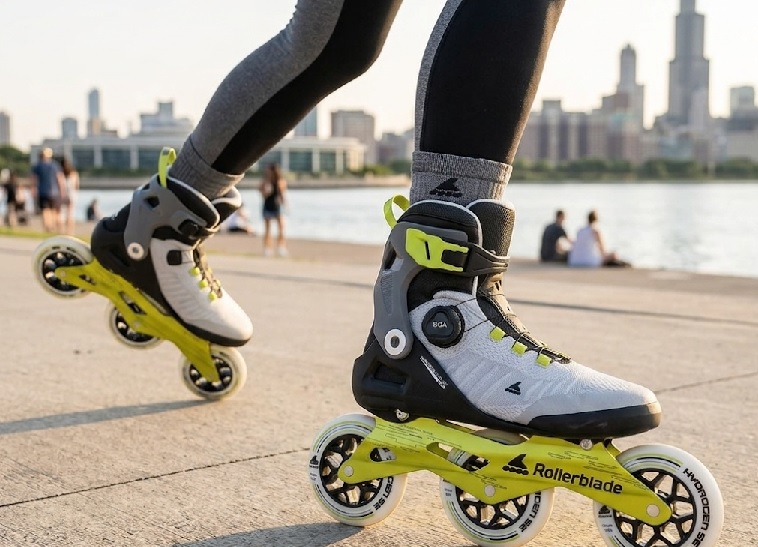
Rollerblade Macroblade 100 – Best Overall Choice
This model is the gold standard for pavement pounding. Its 100mm wheels and lightweight aluminum frame offer superior speed and shock absorption. Ideal for commuters covering 5-10 miles daily on mixed surfaces.
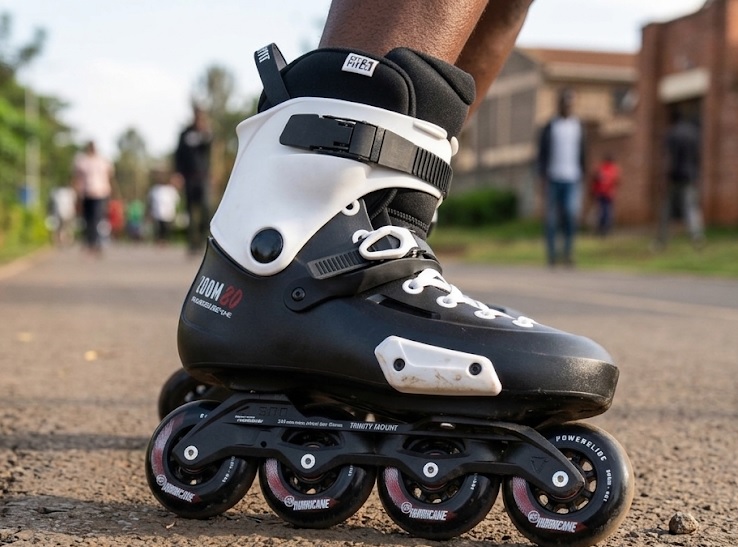
Powerslide Zoom Pro 80 – Best for Urban Agility
Built for navigating tight city streets, the Zoom Pro uses a short 243mm frame for sharp turning. The 80mm wheels provide excellent acceleration from stops. Best option for riders who weave through pedestrians and bike lanes.
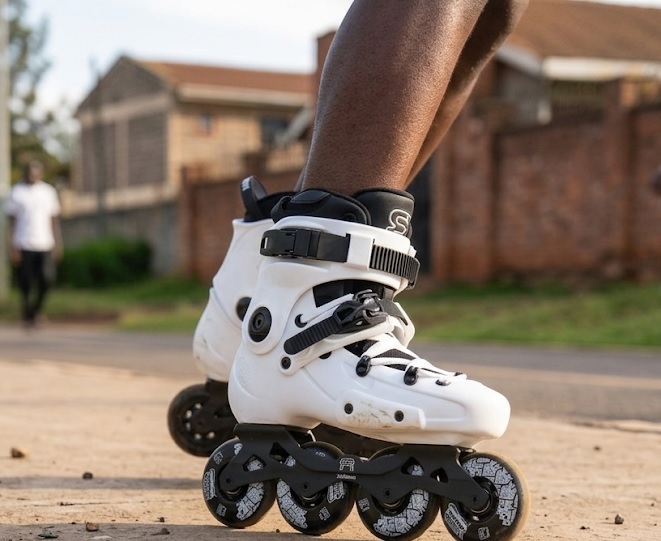
Seba FR1 80 – Best for Durability and Support
Recommended for heavier commuters or rough asphalt, the FR1 features a reinforced hard boot and precision bearings. It offers unmatched ankle support for long-term comfort. Ideal for all-weather riders who prioritize stability over pure speed.
Why Inline Skates Work for Daily Urban Commuting
Inline skates offer a unique blend of speed, fitness, and cost savings. They are faster than walking and more portable than a bicycle.
Speed and Efficiency on Pavement
A skilled skater averages 10-15 mph on flat terrain, matching a brisk cyclist. You bypass traffic jams entirely and never hunt for parking spots. This makes skates ideal for commutes under 10 miles.
- No traffic delays: Glide past stopped cars on bike paths or sidewalks.
- Zero parking fees: Carry your skates inside your office or store them under your desk.
- No fuel costs: Your “engine” is your legs, saving money on gas or transit passes.
Health Benefits During Your Commute
Skating burns roughly 300-600 calories per hour, turning travel time into a workout. It builds leg strength, improves balance, and boosts cardiovascular health. You arrive at work energized rather than drained from sitting in traffic.
Practical Considerations for Beginners
New skaters need proper braking technique and safety gear to commute safely. Practice stopping on flat ground before attempting hills. A helmet, wrist guards, and knee pads are non-negotiable for daily use.
Weather is a limiting factor. Rain, ice, and heavy debris make skating dangerous. Always check the forecast and have a backup plan for public transit on wet days.
Essential Gear and Safety Tips for Skating to Work
Commuting on inline skates requires more than just the skates themselves. The right gear ensures you arrive safely and presentably.
Must-Have Safety Equipment for Daily Use
Protective gear is non-negotiable for any urban skater. A fall at 10 mph on concrete can cause serious injury without proper protection.
- Helmet: Choose a certified multi-sport or bike helmet for impact protection.
- Wrist guards: These prevent the most common skating injury—broken wrists.
- Knee and elbow pads: Essential for learning and navigating unexpected obstacles.
What to Wear for a Professional Appearance
Arriving sweaty or disheveled is a common concern. Pack a change of clothes in a small backpack to solve this problem.
Wear moisture-wicking athletic wear for the ride and change into work clothes upon arrival. Bring baby wipes for a quick freshen-up and deodorant for confidence.
Managing Your Commute Route and Logistics
Plan your route carefully to avoid hazards. Stick to bike lanes, paved trails, and smooth sidewalks whenever possible.
| Surface Type | Skating Suitability | Risk Level |
|---|---|---|
| Smooth asphalt | Excellent | Low |
| Brick or cobblestone | Poor | High |
| Wet pavement | Dangerous | Very High |
Always carry a small repair kit with a hex key for bearing adjustments. Know your backup transit option for days when weather or road conditions are unsafe.
How to Overcome Common Challenges of Skating to Work
Inline skate commuting comes with unique obstacles. Knowing how to handle them keeps your routine safe and sustainable.
Dealing with Hills and Downhill Speed Control
Hills are the biggest challenge for new commuters. Uncontrolled speed can lead to dangerous falls.
- Master the T-stop: Drag one foot behind you perpendicular to your direction of travel.
- Learn the heel brake: Practice pressing the rubber brake pad on your right skate.
- Walk steep sections: Remove skates and walk down any hill that feels too fast.
Always approach unknown hills at a cautious speed. Scout your route on foot first to identify dangerous slopes.
Navigating Traffic and Pedestrians Safely
Urban environments require constant awareness. Treat yourself as a vehicle and follow traffic laws.
- Use hand signals: Point left or right before turning to alert drivers.
- Make eye contact: Ensure drivers see you before crossing intersections.
- Yield to pedestrians: Pass on the left and announce “on your left” politely.
Storing Skates and Gear at the Office
Finding a place for bulky skates can be awkward. Plan ahead to keep your workspace tidy.
| Storage Option | Pros | Cons |
|---|---|---|
| Under your desk | Always accessible | May trip coworkers |
| Coat closet | Out of sight | Limited space |
| Gym locker | Secure and roomy | Requires membership |
Carry a skate bag or backpack with straps to keep gear contained. Ask your office manager about designated storage areas for active commuters.
Comparing Inline Skates to Other Commuting Methods
Understanding how inline skates stack up against alternatives helps you decide. Each method has distinct trade-offs in speed, cost, and convenience.
Inline Skates vs. Bicycles for Daily Commuting
Bikes are faster on long distances but harder to store. Skates offer superior portability and a better full-body workout.
| Factor | Inline Skates | Bicycle |
|---|---|---|
| Average speed | 10-15 mph | 12-18 mph |
| Storage size | Small backpack | Requires bike rack |
| Learning curve | Moderate | Easy |
| Annual cost | $200-$500 | $400-$1,000+ |
Skates win on portability and price. Bikes win on speed and stability for beginners.
Inline Skates vs. Walking and Public Transit
Walking is free but slow. Transit is convenient but costly and unpredictable.
- Skates are 3x faster than walking for the same route.
- No waiting: You leave when ready, unlike buses or trains.
- Zero monthly pass fees: Save $50-$150 per month on transit costs.
Inline Skates vs. Electric Scooters and Skateboards
E-vehicles require charging and battery maintenance. Skates are purely mechanical and never run out of power.
Electric options are faster but heavier and more expensive. Skates offer reliable, maintenance-free operation with no charging anxiety. They also provide a better cardiovascular workout during your commute.
Maintaining Your Inline Skates for Reliable Commuting
Regular maintenance keeps your skates safe and extends their lifespan. A well-maintained pair performs better and prevents accidents.
Cleaning and Inspecting Bearings Weekly
Dirty bearings slow you down and wear out faster. Clean them every 50-100 miles for optimal performance.
- Remove wheels using a hex key and take out the bearings.
- Soak bearings in acetone or bearing cleaner for 10 minutes.
- Dry thoroughly and add one drop of lightweight bearing oil.
- Reassemble and spin each wheel to check for smooth rotation.
Replace bearings if they feel gritty or make grinding noises. Quality bearings cost $15-$30 per set and last 6-12 months.
Checking Wheels and Brake Pads for Wear
Wheels wear unevenly and need rotation every 100-200 miles. Inspect them monthly to maintain stability.
| Component | Signs of Wear | Replacement Frequency |
|---|---|---|
| Wheels | Flat spots, diameter below 80mm | Every 6-12 months |
| Brake pad | Thinned to 5mm or less | Every 3-6 months |
| Bearings | Rough spinning, noise | Every 6-12 months |
Rotate wheels by swapping left-to-right and front-to-back. This evens out wear and extends their life significantly.
Tightening Frames and Boots for Safety
Loose bolts cause wobbling and reduce control. Check all fasteners before every ride.
- Frame bolts: Ensure they are snug but not overtightened.
- Boot buckles: Replace any cracked or broken straps immediately.
- Liner fit: Replace liners when they lose padding or develop holes.
Store skates in a cool, dry place away from direct sunlight. Heat warps plastic boots and degrades wheel rubber over time.
Building Skills and Confidence for Skate Commuting
Mastering fundamental techniques makes your commute safer and more enjoyable. Practice these skills before tackling busy streets.
Essential Braking Techniques for Urban Skating
Stopping reliably is the most critical skill for commuting. Three primary methods work well in different situations.
- Heel brake: Lift your toes and press the rubber brake pad against the ground. Best for gradual stops on flat terrain.
- T-stop: Drag one skate perpendicular behind you. Effective for moderate speed control on declines.
- Plow stop: Turn your toes inward in a V-shape. Ideal for slow, controlled stops in crowded areas.
Practice each technique on flat, empty pavement until it feels automatic. Spend at least 10 minutes per session on braking drills.
Navigating Obstacles and Rough Surfaces
City streets contain cracks, gravel, and debris. Learning to handle them prevents sudden falls.
- Bend your knees deeply to lower your center of gravity for stability.
- Scan ahead 20-30 feet to identify hazards early and plan your path.
- Roll through small cracks at a perpendicular angle to avoid catching wheels.
- Step off and walk over large obstacles like potholes or loose gravel.
Soft knees act as shock absorbers on rough surfaces. Stay relaxed and avoid locking your legs.
Building Endurance for Longer Commutes
Skating 5-10 miles daily requires cardiovascular fitness. Start gradually to avoid burnout.
| Week | Distance Per Day | Focus Area |
|---|---|---|
| 1-2 | 1-2 miles | Balance and braking |
| 3-4 | 3-4 miles | Cornering and speed |
| 5-6 | 5-6 miles | Hill climbing |
| 7+ | Full commute | Route optimization |
Increase distance by no more than 10% per week to prevent injury. Listen to your body and take rest days when muscles feel fatigued.
Legal Considerations and Etiquette for Skate Commuting
Understanding local laws ensures you skate legally and avoid fines. Proper etiquette keeps you safe and respected by others.
Understanding Local Skateboarding and Skating Laws
Inline skate regulations vary by city and country. Research your local rules before commuting.
- Bike lanes: Most cities allow skates in bike lanes, but some prohibit them. Check your local traffic code.
- Sidewalks: Many urban areas ban skating on sidewalks in business districts. Stick to the road when required.
- Helmet laws: Some jurisdictions mandate helmets for all skaters under 18. Wearing one is always smart regardless of age.
Contact your local parks and recreation department for specific regulations. Fines for illegal skating can range from $25 to $200.
Right-of-Way Rules and Sharing the Road
Skaters must follow the same traffic laws as cyclists. Predictable behavior prevents accidents.
- Stop at red lights and stop signs just like a vehicle would.
- Signal turns using hand signals: left arm out for left, right arm out for right.
- Ride single file when sharing paths with other commuters.
- Yield to pedestrians at crosswalks and on shared paths.
Make yourself visible with bright clothing and lights. A front white light and rear red light are required after dark in most areas.
Etiquette for Shared Paths and Bike Lanes
Courteous behavior builds goodwill for all skaters. Follow these guidelines to avoid conflicts.
| Situation | Correct Action | Avoid |
|---|---|---|
| Passing others | Call out “on your left” | Silent passing |
| Group riding | Single file formation | Blocking the path |
| Stopping | Move off the path | Stopping in traffic |
Thank other path users who make room for you. A simple wave or nod fosters a positive skating community in your area.
Conclusion: Are Inline Skates Good for Commuting to Work?
Inline skates are a fast, affordable, and healthy commuting solution for urban workers. They beat traffic, save money, and turn travel into exercise.
Start with the right gear, practice basic skills, and plan your route carefully. Consistency is key to building confidence and endurance.
Ready to transform your daily commute? Invest in quality skates and protective equipment today. Your legs will thank you, and your wallet will too.
Frequently Asked Questions About Inline Skates for Commuting
How long does it take to learn inline skating for commuting?
Most beginners gain basic stability and forward motion within 3-5 practice sessions. Mastering stops and turns typically takes 2-3 weeks of consistent practice.
Dedicate 30 minutes daily to drills in a flat, empty parking lot. You will feel confident on quiet streets after about 20 hours of total practice time.
What is the best way to carry work clothes while skating?
A backpack with a padded laptop compartment is the most practical option. Choose one with chest and waist straps to prevent shifting during movement.
Roll your clothes instead of folding them to reduce wrinkles. Pack a small toiletry bag with deodorant, wipes, and a comb for a quick freshen-up upon arrival.
Can you skate to work in the rain or snow?
Skating on wet pavement is extremely dangerous and not recommended. Water reduces wheel grip and makes bearings fail quickly.
Always check the weather forecast before leaving. Have a backup plan using public transit or a rideshare service for days with precipitation or icy conditions.
How fast can you commute on inline skates?
Average commuters maintain 10-12 mph on flat terrain with moderate effort. Experienced skaters can sustain 15 mph over longer distances.
A 5-mile commute typically takes 25-35 minutes depending on traffic, hills, and your skill level. This is comparable to cycling speeds for the same distance.
What size wheels are best for commuting on inline skates?
Wheels between 80mm and 100mm are ideal for urban commuting. Larger wheels roll faster and handle cracks better but require more skill to control.
Beginners should start with 80mm wheels for stability. Advanced skaters prefer 100mm wheels for speed and efficiency on long, smooth stretches of pavement.
Is inline skating harder on knees than running?
Inline skating is significantly lower impact than running. The smooth gliding motion places minimal stress on knee joints compared to the repetitive pounding of running.
Skating provides excellent cardiovascular exercise without the joint damage. It is often recommended by physical therapists as a safe alternative for people with knee concerns.
How do you stop quickly on inline skates?
The heel brake is the most reliable stopping method for beginners. Press down on the brake pad while keeping your weight centered over your skates.
Advanced skaters use the T-stop for faster deceleration. Practice both techniques on flat ground at slow speeds before using them in traffic situations.
Do you need special insurance to commute on inline skates?
Standard health insurance covers injuries from recreational skating in most cases. Some homeowner or renter policies also provide liability coverage for accidents.
Check with your insurance provider about specific coverage details. Consider adding personal liability insurance if you skate in heavy traffic areas regularly.
What is the best way to store inline skates at work?
Under-desk storage works well if you have a cubicle or private office. Use a skate bag to contain dirt and prevent tripping hazards.
Ask your employer about designated storage for active commuters. Some offices provide lockers or coat closets specifically for sports equipment storage.
How do you handle steep hills while skating to work?
Walk down any hill that feels too fast or dangerous. Remove your skates and descend in your shoes to maintain full control.
For moderate hills, use the T-stop or slalom technique to control your speed. Bend your knees deeply and keep your weight low for maximum stability.