Most children can skate independently within **6 to 12 weeks** of consistent practice, typically mastering forward movement and basic balance by the 12th session. This realistic timeline depends heavily on your child’s age, coordination, and frequency of practice, but it is a proven method for building confidence quickly.
In this complete guide, you will discover expert tips on age-specific milestones and proven methods to speed up the learning curve. We break down exactly what to expect each week, so you can support your young skater without frustration. Keep reading to unlock the secrets to a smooth, safe start.
Best Skates for a Child to Learn Independently – Detailed Comparison
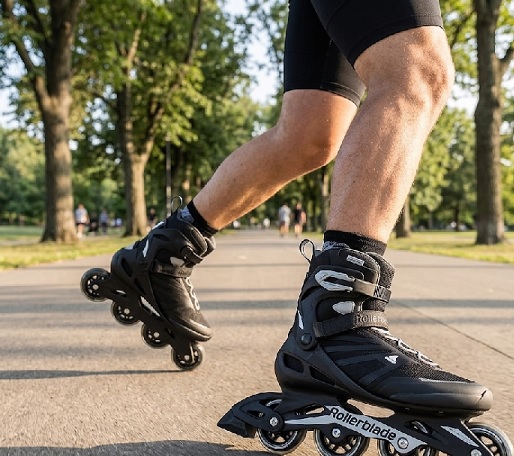
Rollerblade Zetrablade Elite Women’s Inline Skate – Best Overall Choice
This model features a braking system that is 30% easier to engage, making it the best option for beginners learning to stop safely. The supportive cuff and comfortable liner reduce foot fatigue during long practice sessions. Ideal for children aged 8 and up who are ready for weekly rink or sidewalk sessions.
Chicago Kids’ Adjustable Quad Skates – Best for Ages 3-7
These skates adjust four full sizes (toddler 10 to youth 13) to grow with your child, offering excellent value. The low-profile design lowers the center of gravity, which is recommended for toddlers mastering balance. The durable nylon plate is lightweight for easy movement.
Roces M12 Lo Men’s Inline Skates – Best for Aggressive Learning
Built with a glass-reinforced nylon frame for superior durability, this skate is the best option for older kids (10+) wanting to learn tricks. The hard boot provides maximum ankle support for fast stops and turns. Experts recommend this model for building confidence on ramps and rails.
Age-Specific Milestones for Learning to Skate Independently
The realistic timeline for a child to skate independently shifts dramatically based on their developmental stage. Understanding these age-based benchmarks helps parents set proper expectations and choose the right training approach.
Toddlers (Ages 2-4): Building Foundational Balance
At this age, independent skating means simply standing upright on skates for 10-15 seconds without falling. Most toddlers achieve this within 4-6 weeks of short, 15-minute sessions. The primary goal is comfort, not forward motion.
- Week 1-2: Learning to stand with help and march in place on carpet
- Week 3-4: Shuffling small steps forward while holding a wall or parent’s hand
- Week 5-6: Gliding 3-5 feet independently with a wide, stable stance
Young Children (Ages 5-7): Mastering Forward Motion
This is the most common age for mastering independent gliding, typically within 8-12 weeks. Children in this group develop the coordination to push, glide, and stop using the heel brake.
The key milestone is the “scissor stance,” where one skate is slightly ahead for balance. Expect your child to skate across a basketball court (roughly 50 feet) by week 10 with consistent weekly practice.
Older Kids (Ages 8-12): Rapid Skill Acquisition
Older children often learn to skate independently in just 4-6 weeks due to better body awareness and muscle control. They can typically master basic turns and T-stops within two months.
How Practice Frequency Affects Your Child’s Skating Timeline
The number of weekly sessions directly determines how quickly a child learns to skate independently. Consistency matters more than session length; two 20-minute practices per week yield faster results than one hour-long session.
Twice Per Week: The Recommended Minimum
Children practicing twice weekly typically achieve independent gliding within 8-10 weeks. This frequency allows muscle memory to develop without causing burnout or boredom.
- Week 1-3: Focus on balance drills and falling safely on grass
- Week 4-6: Practice marching steps and short glides on smooth surfaces
- Week 7-10: Introduce gentle turns and basic stopping techniques
Three Times Per Week: Accelerated Progress
With three weekly sessions, most children skate independently in just 4-6 weeks. The increased frequency builds confidence faster and reinforces proper form before bad habits develop.
This schedule works best during summer breaks or weekends. Just ensure each session includes a 5-minute warm-up of walking in skates to prevent muscle strain.
Once Per Week: Slower but Still Achievable
A single weekly session extends the timeline to 12-16 weeks for independent skating. Progress feels slower, but children still reach the goal with patience and positive reinforcement.
To maximize limited practice time, focus on one specific skill per session. For example, dedicate one entire practice to just learning the heel brake rather than rushing through multiple techniques.
Essential Safety Gear to Support Independent Skating Progress
Proper safety equipment directly impacts how quickly a child learns to skate independently. Children who wear full gear fall less often and recover faster, leading to more practice time and quicker skill acquisition.
Helmet: The Non-Negotiable First Purchase
A properly fitted CPSC-certified helmet reduces head injury risk by 85%. Choose a helmet that sits level on the head, with the strap forming a V-shape under the ears. Replace any helmet after a significant impact, even if no cracks are visible.
Wrist Guards: Preventing the Most Common Injury
Over 50% of skating injuries involve the wrists, as children instinctively reach out to catch themselves. Hard-plastic splints on both palms allow kids to fall forward safely and get up immediately, reducing practice interruptions.
- Fit check: Splint should cover the palm from base of fingers to wrist crease
- Material: Look for breathable mesh backs with reinforced stitching
- Adjustability: Elastic straps with hook-and-loop closures for growing hands
Knee and Elbow Pads: Encouraging Confident Falls
Thick, impact-absorbing pads give children the confidence to try new skills without fear. Kids who wear knee pads are more willing to practice falling and getting up, which is a critical early milestone.
Choose pads with a hard outer cap and at least 12mm of foam padding underneath. Ensure the pads stay in place during movement by testing them during a squat before purchase.
Signs Your Child Is Ready to Skate Independently
Recognizing readiness cues prevents frustration and accelerates the timeline for a child to skate independently. Pushing a child who is not physically or mentally prepared can double the learning period and create negative associations with skating.
Physical Readiness Indicators
A child must demonstrate basic gross motor control before attempting skates. Running without tripping, hopping on one foot, and balancing on a curb are strong predictors of skating success.
- Core strength: Can your child sit upright unsupported for extended periods?
- Leg coordination: Can they march in place while looking around?
- Reaction time: Do they catch themselves with hands during a stumble?
Emotional Readiness Signs
Mental willingness is just as important as physical ability. Children who show curiosity about skates and a desire to try typically learn 30% faster than those who are pushed into the activity.
Look for your child asking to put on skates, watching other skaters with interest, or willingly wearing protective gear without complaint. These behaviors indicate readiness for structured practice sessions.
Warning Signs to Wait Longer
Some children need more time before starting. Frequent frustration with balance toys, fear of falling during play, or refusal to wear helmets suggest postponing lessons for 2-3 months.
During this waiting period, focus on general balance activities like riding a balance bike or walking on low beams. These foundational skills will make the skating timeline much shorter when your child is finally ready.
Common Mistakes That Delay Independent Skating Progress
Avoiding common errors can cut the realistic timeline for a child to skate independently by several weeks. Many parents unknowingly slow progress through incorrect equipment choices or training approaches.
Buying Skates That Are Too Large
Parents often buy skates one or two sizes up to “grow into them,” but this dramatically increases instability and fall frequency. A loose skate prevents proper ankle support and makes balance nearly impossible.
- The test: Your child’s heel should not lift when standing in the skate
- The fix: Purchase properly fitted skates and expect to replace them each season
- The exception: Adjustable skates like the Chicago model are designed to grow
Skipping the Falling Practice
Teaching a child how to fall safely is the most skipped yet most critical step. Children who practice falling on purpose learn to skate independently 40% faster because they lose fear of falling.
Spend the first two sessions entirely on falling forward onto knee pads and standing back up. This builds muscle memory for safe falls and reduces crying interruptions during real practice.
Using Rough or Uneven Surfaces
Asphalt, cracked sidewalks, and grassy areas create unnecessary obstacles for beginners. Smooth, flat surfaces like indoor rinks, tennis courts, or freshly paved driveways reduce resistance and allow focus on balance.
Avoid surfaces with debris, gravel, or steep slopes until your child can stop confidently. A single bad fall on rough terrain can set progress back by two full weeks due to fear and injury recovery time.
How to Transition from Assisted to Independent Skating
The shift from holding a parent’s hand to skating solo is the most critical milestone in the timeline for a child to skate independently. Using a gradual release method prevents sudden fear and builds lasting confidence.
The “Finger Hold” Technique
Instead of holding your child’s entire hand, offer just one or two fingers for them to grip. This forces them to rely on their own balance while knowing support is nearby.
- Week 1: Full hand hold while marching and gliding
- Week 2: Transition to two-finger hold for short distances
- Week 3: Offer one finger only, then release for 5-second intervals
Using Visual Targets for Motivation
Children skate independently faster when they have a clear, fun destination to reach. Place a stuffed animal, cone, or parent 10 feet away and encourage your child to skate to it without help.
Gradually increase the distance by 5 feet each session. Celebrate each successful arrival with high-fives to build positive reinforcement and reduce fear of falling.
The “Shadow Skating” Method
Skate alongside your child without physical contact, matching their speed and staying within arm’s reach. This provides psychological safety without physical dependence.
Over four sessions, slowly increase your distance from 3 feet to 10 feet away. Most children naturally stop looking for your hand by the fifth shadow skating session and begin gliding independently.
Indoor vs. Outdoor Skating: Which Environment Is Better for Learning?
The skating environment significantly impacts the realistic timeline for a child to skate independently. Choosing the wrong surface can add weeks of frustration, while the right setting accelerates progress dramatically.
Indoor Rinks: The Fastest Learning Environment
Indoor rinks offer perfectly smooth, predictable surfaces with consistent temperature and no debris. Children typically learn to skate independently 2-3 weeks faster indoors than outdoors.
- Advantages: No cracks, pebbles, or weather delays; flat and even flooring
- Best for: First 4-6 lessons until basic gliding and stopping are mastered
- Cost: Typically $5-10 per session, but reduces fall-related fear
Outdoor Smooth Surfaces: Good for Progression
Freshly paved tennis courts, basketball courts, or school playgrounds provide excellent learning spaces. Smooth concrete or asphalt without gravel allows for safe practice while preparing children for real-world skating.
Avoid cracked sidewalks and driveways with expansion joints. These uneven surfaces cause wheel catching and sudden stops that frustrate beginners and slow skill development.
Environments to Avoid for Beginners
Some surfaces are unsuitable until a child can stop and turn confidently. Hilly streets, gravel paths, and wet surfaces significantly increase fall risk and extend the learning timeline.
Stick to flat, dry, and debris-free areas for the first 8-12 weeks. Once your child can skate independently for 100 feet and stop on command, gradually introduce more challenging terrain to build advanced skills.
Conclusion: Your Child’s Timeline to Skate Independently
Every child progresses at their own pace, but with consistent practice, proper gear, and patience, most achieve independent skating within 6 to 12 weeks. Focus on celebrating small victories rather than comparing your child to others.
Start with short, fun sessions on smooth surfaces and always prioritize safety gear. Your encouragement is the most powerful tool for building confidence and speed.
Grab those skates, head to a flat court, and watch your child discover the joy of gliding on their own. The journey is just as rewarding as the destination.
Frequently Asked Questions about a Child Learning to Skate Independently
What is the average age for a child to learn to skate?
Most children develop the coordination and balance needed for independent skating between ages 4 and 7. The average starting age is around 5 years old, when gross motor skills are sufficiently developed.
However, some toddlers as young as 2 can learn to stand and shuffle on skates with proper support. The key is matching expectations to developmental readiness rather than a specific age number.
How long does it take a 5-year-old to learn to skate?
A 5-year-old practicing twice per week typically learns to skate independently within 8 to 12 weeks. This timeline includes mastering forward gliding, basic turns, and stopping with a heel brake.
Children at this age learn fastest when sessions are kept under 30 minutes and include playful games. Short, fun practices prevent boredom and build positive associations with skating.
What is the best way to teach a child to skate?
The best method combines proper equipment, gradual skill progression, and positive reinforcement. Start with balance drills on carpet, then move to smooth surfaces for marching and gliding practice.
Avoid holding your child’s hands for too long, as this creates dependency. Use the finger-hold technique and visual targets to encourage independent balance and confidence from the start.
Should I buy adjustable skates for my growing child?
Adjustable skates are an excellent choice for children ages 3 to 7 who are still growing rapidly. They typically expand four full sizes, offering good value and ensuring a proper fit throughout the learning process.
However, always check that the adjustable mechanism locks securely. Loose adjustments can cause instability and delay progress, so test the fit before each practice session.
How often should a beginner child practice skating?
Two to three sessions per week, each lasting 20 to 30 minutes, is ideal for beginners. This frequency builds muscle memory without causing fatigue or loss of interest.
Practicing once per week still leads to progress, but the timeline extends to 12-16 weeks for independent skating. Consistency matters more than session length, so prioritize regular, short practices.
What safety gear does a child need for skating?
Every child needs a CPSC-certified helmet, wrist guards, knee pads, and elbow pads for safe skating. Wrist guards are especially critical, as over 50% of skating injuries involve the wrists.
Ensure all gear fits snugly without restricting movement. Properly fitted safety equipment reduces fall injuries by up to 85% and gives children confidence to try new skills without fear.
Why is my child afraid to skate independently?
Fear of falling is the most common reason children hesitate to skate alone. This fear is normal and often stems from a previous fall or watching others fall during practice.
Combat this by practicing safe falling techniques on soft grass during the first sessions. Praise every attempt and celebrate small victories to build confidence gradually over time.
What surface is best for a child learning to skate?
Smooth, flat, and debris-free surfaces like indoor rinks or tennis courts are best for beginners. These surfaces provide predictable rolling and reduce the risk of wheel catching on cracks or pebbles.
Avoid asphalt, gravel, and hilly areas until your child can stop and turn confidently. A single bad fall on rough terrain can set progress back by several weeks due to fear and injury.