
Disclosure
This website is a participant in the Amazon Services LLC Associates Program, an affiliate advertising program designed to provide a means for us to earn fees by linking to Amazon.com and affiliated sites.
Selecting the right cushion (bushing) hardness for quads directly controls your stability, turning radius, and overall safety. Softer cushions offer sharper turns, while harder options provide better speed control and prevent wheel bite.
This complete guide breaks down durometer ratings, weight matching, and expert tips to dial in your perfect setup. Keep reading to unlock proven methods for eliminating wobble and maximizing your confidence on any surface.
Best Quad Skate Cushions for Stability and Carving
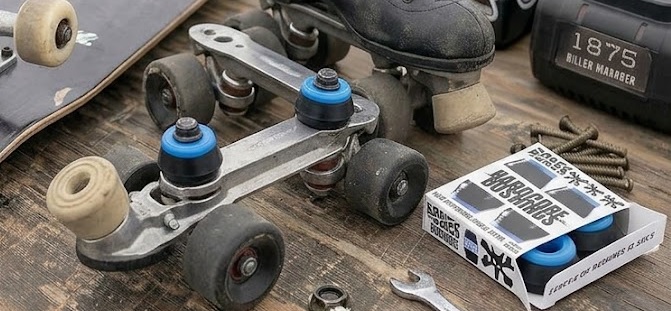
Bones Hardcore Cushions (Medium) – Best Overall Choice
These precision-machined urethane cushions offer a perfect balance of rebound and control. The medium hardness (93A) is ideal for skaters weighing 140-180 pounds, providing predictable turns without sacrificing stability. Best for rink skating and casual street cruising.
Sure-Grip Super Cushions (Orange) – Best for Aggressive Carving
Manufactured with a proprietary blend for maximum responsiveness, these orange cushions (95A) excel in dance and artistic skating. They deliver sharp edge control and quick rebound, making them the best option for advanced skaters who demand precision in tight turns.
PowerDyne Magic Cushions (Yellow) – Best for Heavy Skaters
Specifically designed for skaters over 200 pounds, these extra-hard (98A) cushions eliminate wheel bite and wobble at high speeds. They offer minimal compression under load, providing superior stability for outdoor skating and aggressive trail use.
Understanding Cushion Hardness: Durometer Ratings Explained
Cushion hardness is measured on the Shore A durometer scale, typically ranging from 78A (very soft) to 98A (very hard). This number directly controls how much your skate leans when you apply pressure.
Lower numbers equal more flex, while higher numbers provide a stiffer, more stable ride. Choosing the wrong durometer can ruin your skating experience.
Soft Cushions (78A to 85A) – Maximum Maneuverability
Soft cushions compress easily, allowing deep carves and sharp turns with minimal effort. They are ideal for lightweight skaters under 130 pounds or for dance skating where agility is critical.
- Pros: Effortless turning, high shock absorption, great for beginners learning edges.
- Cons: Prone to wheel bite at high speeds, feel unstable during hard stops.
Medium Cushions (86A to 93A) – The Versatile Sweet Spot
This range suits the majority of recreational skaters weighing between 140 and 180 pounds. Medium cushions offer a balanced blend of responsiveness and stability, making them the most common recommendation for rink skating.
They provide enough flex for carving but remain firm enough to prevent wobble during crossovers and transitions.
Hard Cushions (94A to 98A) – Stability for Speed and Weight
Hard cushions resist compression, resulting in minimal lean and a very stable platform. These are essential for skaters over 200 pounds or anyone who skates outdoors on rough terrain at high speeds.
- Pros: Eliminates wheel bite, excellent speed stability, long-lasting durability.
- Cons: Requires more force to turn, transmits more vibration from rough surfaces.
How to Match Cushion Hardness to Your Body Weight
Your weight is the single most critical factor when selecting cushion hardness. A cushion that feels perfect for a 150-pound skater will feel dangerously soft for a 220-pound skater.
The general rule is simple: heavier skaters need harder cushions to prevent over-compression and maintain control. Lighter skaters need softer cushions to achieve proper lean.
Weight-Based Selection Guide
Use this quick reference to find your starting durometer. Always adjust based on your skating style and surface conditions.
- Under 120 lbs (54 kg): Use 78A to 83A soft cushions for responsive turning.
- 120 to 160 lbs (54-72 kg): Choose 85A to 90A medium-soft cushions.
- 160 to 200 lbs (72-90 kg): Opt for 91A to 95A medium-hard cushions.
- Over 200 lbs (90 kg+): Select 96A to 98A hard cushions for stability.
Adjusting for Skating Style and Terrain
Your preferred activity changes the ideal durometer even within the same weight range. Aggressive skaters and dancers often prefer one step softer for sharper edge work.
Outdoor skaters on rough asphalt should consider one step harder to prevent wheel bite from uneven surfaces. Rink skaters benefit from a medium durometer for balanced performance.
Key Takeaway: Start with the weight-based recommendation, then adjust one step softer for agility or one step harder for stability. Test for 30 minutes before committing to a change.
Signs You Need to Change Your Quad Skate Cushions
Worn or mismatched cushions compromise your control and safety. Learning to recognize the warning signs prevents accidents and improves your skating performance immediately.
Check your cushions every few months, especially if you skate frequently. Urethane degrades over time and loses its original shape and responsiveness.
Visual Signs of Wear and Tear
Inspect your cushions for these physical indicators of damage. Replacing them at the first sign of failure prevents unpredictable skate behavior.
- Cracking or dry rot: Small surface cracks indicate the urethane is breaking down.
- Mushrooming: The cushion bulges outward, losing its barrel or cone shape.
- Flattening: The cushion appears compressed and thinner than its original height.
Performance Symptoms of Incorrect Hardness
Your body will tell you when the durometer is wrong. Pay attention to these common complaints during your session.
- Constant wobble: Cushions are too soft for your weight or skating speed.
- Difficulty turning: Cushions are too hard, requiring excessive force to lean.
- Frequent wheel bite: Cushions compress too much during deep carves or hard stops.
How to Test Your Current Setup
Perform this simple test before buying new cushions. It takes less than a minute and reveals whether your durometer is in the right range.
- Stand on your skates with feet shoulder-width apart and knees bent.
- Shift your weight to one edge as if starting a turn.
- Observe the lean: You should feel smooth resistance, not sudden tipping or stiffness.
Step-by-Step Guide to Replacing Quad Skate Cushions
Swapping your cushions is a simple DIY task that takes under 15 minutes. You only need a skate tool or a standard 9/16-inch socket wrench.
Always replace cushions in complete sets (all four trucks) to maintain balanced performance. Mixing old and new cushions creates unpredictable handling.
Tools and Preparation
Gather these items before you start. Working on a clean, flat surface prevents losing small parts.
- Skate tool or 9/16-inch socket wrench for the axle nut.
- Replacement cushions matched to your weight and skating style.
- Small container to hold nuts, washers, and pivot pins during disassembly.
Removing the Old Cushions
Follow this process for each truck. Work one truck at a time to keep parts organized.
- Remove the axle nut and slide the wheel and bearing assembly off.
- Unscrew the kingpin nut completely and remove the top washer and cushion.
- Lift the truck off the pivot pin and remove the bottom cushion and cup washer.
Installing the New Cushions
Proper orientation is critical for performance. Barrel cushions go on the bottom (closest to the plate) and cone cushions on top.
- Place the bottom cup washer on the pivot pin, then slide on the barrel cushion.
- Position the truck back on the pivot pin, then add the cone cushion and top washer.
- Tighten the kingpin nut until snug, then back it off a quarter turn for initial adjustment.
Pro Tip: After installation, tighten the kingpin nut gradually while testing the lean. The truck should move freely without side-to-side play. Adjust in tiny increments until it feels perfect.
Common Cushion Hardness Mistakes and How to Avoid Them
Even experienced skaters make errors when selecting cushion hardness. These mistakes lead to poor performance, discomfort, and unnecessary part replacements.
Avoiding these pitfalls saves you money and keeps your skates performing optimally. Learn from others’ mistakes to dial in your setup faster.
Mistake #1: Choosing Based on Friend’s Recommendations
What works for your skating buddy likely won’t work for you. Body weight, skating style, and truck geometry all influence the ideal durometer.
Always use your own weight and experience level as the primary guide. Test different hardnesses yourself rather than copying someone else’s setup.
Mistake #2: Overtightening the Kingpin Nut
Many skaters try to make soft cushions feel harder by cranking down the kingpin nut. This damages the cushions and creates inconsistent performance.
Overtightening causes premature flattening and cracking of the urethane. If you need more stability, buy harder cushions instead of over-compressing soft ones.
Mistake #3: Ignoring Cushion Shape and Material
Hardness is only one variable. Barrel versus cone shape and urethane quality dramatically affect how a cushion performs.
Cheap cushions often use inferior urethane that degrades quickly. Invest in reputable brands like Bones, Sure-Grip, or PowerDyne for consistent, long-lasting performance.
| Mistake | Solution |
|---|---|
| Copying a friend’s setup | Match durometer to your own weight |
| Over-tightening kingpin nut | Buy harder cushions instead |
| Ignoring cushion shape | Use barrel bottom, cone top |
| Buying cheap urethane | Choose premium brand names |
Advanced Tuning: Mixing Cushion Hardness for Custom Feel
Once you understand the basics, you can fine-tune your setup by mixing different durometers on the same truck. This technique gives you the best of both worlds: stability with sharp turning.
Advanced skaters use this method to optimize for specific disciplines like slalom, dance, or aggressive skating. It requires careful experimentation but yields incredible results.
The Barrel and Cone Combination
Standard quad setups use a hard barrel cushion on the bottom and a softer cone cushion on top. This configuration provides a stable base with responsive turning at the tips.
- Hard barrel (bottom): Prevents wheel bite and maintains stability during deep carves.
- Soft cone (top): Allows easy initiation of turns with minimal effort.
- Best for: Recreational skating, dance, and artistic disciplines.
Matching Durometers for Specific Goals
You can also swap top and bottom cushions for different effects. Each combination changes how your skate responds to weight shifts.
- Equal hardness (both medium): Balanced feel, predictable response for general skating.
- Softer bottom, harder top: Increases lean depth but reduces turn initiation speed.
- Harder bottom, softer top: Quick turning with excellent stability, ideal for slalom.
When to Upgrade to Adjustable Cushion Systems
Some premium plates offer adjustable cushion systems with interchangeable components. These allow you to change durometer without buying new cushions.
Systems like the Roll-Line or Snyder plates use replaceable inserts or stepped cushions. While more expensive, they provide unmatched customization for serious skaters.
Pro Tip: When mixing durometers, always note which cushion is on top and bottom. Label your setup with a marker to replicate successful configurations later.
Cushion Maintenance: Extending the Life of Your Bushings
Proper care dramatically extends the lifespan of your quad skate cushions. With regular maintenance, quality urethane bushings can last 6 to 12 months of frequent use.
Neglecting your cushions leads to premature wear and inconsistent performance. A few minutes of care saves you money and keeps your skates feeling fresh.
Cleaning and Lubrication Routine
Dirt and debris accelerate cushion degradation by grinding into the urethane surface. Clean your cushions every four to six weeks for optimal performance.
- Remove cushions from the trucks and wipe them with a dry cloth to remove dust.
- Inspect for cracks or deformation while they are off the skate.
- Apply a tiny drop of silicone lubricant to the pivot pin and kingpin threads.
Proper Storage Practices
Urethane is sensitive to extreme temperatures and UV light. How you store your skates directly impacts cushion longevity.
- Avoid direct sunlight: UV rays break down urethane, causing cracking and brittleness.
- Store indoors at room temperature; never leave skates in a hot car or garage.
- Loosen kingpin nuts slightly during long-term storage to relieve compression pressure.
When to Replace vs. Rotate
Cushions wear unevenly depending on your dominant turning direction. Rotating them extends their usable life before replacement is necessary.
- Rotate every 3 months: Swap cushions between left and right trucks to balance wear.
- Replace immediately if you see cracking, flattening, or mushrooming.
- Replace in sets of four to maintain consistent handling across all trucks.
Key Takeaway: Clean cushions monthly, store skates indoors, and rotate positions every three months. Replace any cushion showing visible damage immediately for safety.
Conclusion: Master Your Quad Skate Cushion Hardness Today
Choosing the right cushion hardness transforms your skating experience. You now have the knowledge to match durometer to your weight, style, and terrain.
Start with our weight-based guide, then fine-tune by mixing durometers for a custom feel. Replace worn cushions immediately for safety and optimal performance.
Grab your skate tool and test a new setup today. Your perfect ride is just one cushion swap away.
Frequently Asked Questions about Quad Skate Cushion Hardness
What is the best cushion hardness for a beginner quad skater?
Beginners should start with medium cushions in the 85A to 90A range. This durometer offers a forgiving balance of stability and maneuverability for learning basic skills.
Soft cushions can feel too unstable for new skaters, while hard cushions make turning difficult. Medium cushions provide the confidence needed to build foundational techniques.
How do I know if my quad skate cushions are too soft?
You feel excessive wobble or instability when standing still or rolling slowly. Your skates may also lean too far during turns, causing the wheels to rub against the boot.
Another sign is difficulty maintaining a straight line. If you constantly correct your path, your cushions are likely too soft for your weight.
Can I use skateboard bushings on my quad skates?
No, skateboard bushings are not compatible with quad skate trucks. Quad skates use specific barrel and cone shapes designed for their unique kingpin angles.
Using the wrong size or shape can damage your trucks and create unsafe handling. Always purchase cushions specifically designed for quad roller skates.
What happens if my cushion hardness is too hard?
Hard cushions require significant force to initiate turns, making your skates feel stiff and unresponsive. You may struggle with crossovers and sharp corners.
This also reduces shock absorption, transmitting more vibration from rough surfaces to your feet. Your ankles may fatigue faster from fighting the resistance.
How often should I replace my quad skate cushions?
Replace cushions every 6 to 12 months for regular skaters who skate 2-3 times per week. Heavy skaters or aggressive skaters may need replacements every 3-4 months.
Always inspect your cushions before each session for cracks, flattening, or mushrooming. Replace them immediately at the first sign of visible damage.
Can I mix different cushion brands on the same truck?
Yes, you can mix brands, but it is not recommended for beginners. Different brands use unique urethane formulations that compress and rebound differently.
Mixing brands creates unpredictable handling that requires experience to manage. Stick to one brand per truck until you understand how each durometer feels.
What is the difference between barrel and cone shaped cushions?
Barrel cushions are cylindrical and provide consistent resistance throughout the turn. They offer more stability and are typically placed on the bottom of the truck.
Cone cushions taper toward the top, allowing progressive resistance that starts soft and firms up. They are placed on top to facilitate easy turn initiation.
Do I need to replace all four cushions at the same time?
Yes, always replace cushions in complete sets of four. Mixing old and new cushions creates imbalanced performance between your left and right skates.
Uneven cushion wear leads to unpredictable turning and reduced control. Replacing all four ensures consistent handling and optimal safety.
How does temperature affect cushion hardness?
Cold temperatures make urethane cushions feel harder and less responsive. Skating in cold rinks or outdoor winter conditions may require one step softer durometer.
Heat softens urethane, making cushions feel more compressible. If you skate in hot outdoor conditions, consider one step harder to compensate for the softer feel.
What is the best way to dial in my cushion setup?
Start with the weight-based recommendation from our guide, then adjust based on feel. Skate for at least 30 minutes before making any changes.
Make small adjustments of 2-3 durometer points at a time. Keep a log of your setups to quickly replicate what works best for your style and terrain.