Your child’s inline skates must fit snugly to ensure safety, comfort, and proper skill development. Learning how to know if your child’s inline skates fit properly prevents blisters, falls, and foot pain. This complete guide provides expert tips for checking the fit every time.
In this article, you will discover proven methods for testing heel lock, toe space, and ankle support. We will also cover common sizing mistakes parents make and how to avoid them. Keep reading to master the fit check process today.
Best Inline Skates for Kids – Top Product Recommendations
Rollerblade Zetrablade Youth Inline Skates – Best Overall Choice
The Rollerblade Zetrablade Youth offers a supportive cuff and a brake on both skates for beginners. Its easy-to-use buckle system simplifies adjustments for growing feet. This model is ideal for children aged 4 to 8 learning basic balance and stride techniques.
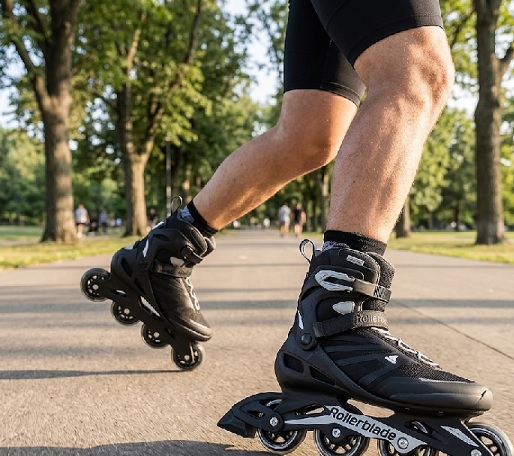
K2 F.I.T. 80 Inline Skates – Best for Growing Feet
The K2 F.I.T. 80 features a push-button speed lace system for quick, secure tightening. Its soft boot design provides excellent ankle comfort without sacrificing support. This skate is the best option for kids who need a roomier, more forgiving fit.
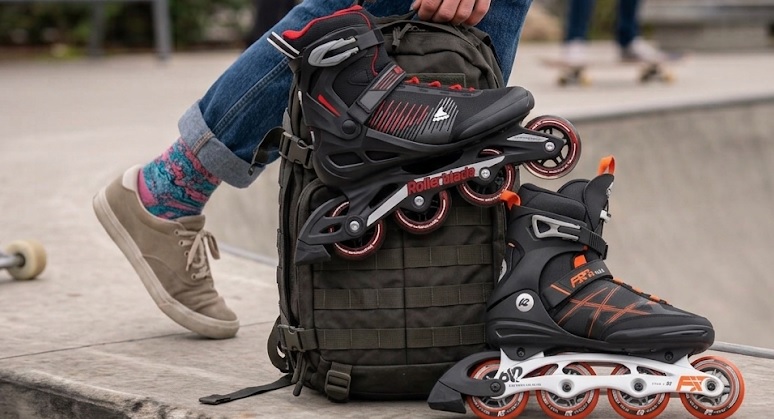
Micro Skate MB30 Junior Inline Skates – Best Adjustable Option
The Micro Skate MB30 Junior includes a four-size adjustable frame that extends as your child grows. It offers a low-profile chassis for better stability and maneuverability. This model is recommended for active skaters wanting long-term durability and performance.
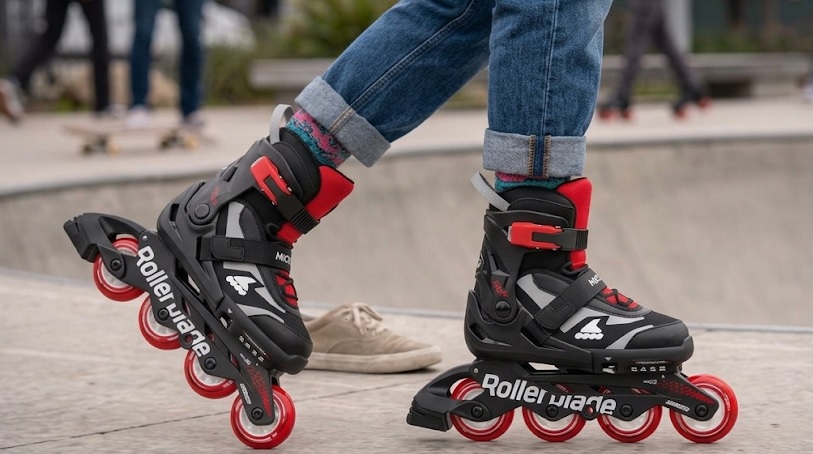
How to Check Inline Skate Fit at Home – Step-by-Step Guide
Checking your child’s inline skate fit at home is simple with a few key tests. You do not need special tools, just your child’s skates and a few minutes of attention. These proven methods help you avoid common sizing mistakes.
The Heel Lock Test for Secure Fit
Have your child put on the skates and tighten them completely. Ask them to stand up and try to lift their heel inside the boot. If the heel moves up more than 1/4 inch, the skate is too big.
- Proper fit: Heel stays firmly in place when standing and gliding.
- Too loose: Heel lifts easily; child may experience blisters or loss of control.
- Too tight: Heel feels compressed; toes may be numb or cramped.
Checking Toe Space the Right Way
Your child’s toes should lightly brush the front of the skate when standing straight. When they bend their knees into a skating stance, their toes should pull back slightly. This creates a small gap of about 1/8 to 1/4 inch.
Key takeaway: If toes are jammed against the front when skating, the skates are too small. If there is more than a thumb’s width of space, the skates are too large and unsafe.
Ankle Support and Lateral Stability
Gently press on the sides of the skate cuff while your child stands. The boot should offer firm resistance without collapsing inward or outward. A wobbly cuff indicates poor support and increased injury risk.
Common Inline Skate Sizing Mistakes Parents Make
Many parents buy skates that are too large, hoping their child will “grow into them.” This is the most common mistake and a leading cause of falls and frustration. A skate that is too big offers zero ankle support and control.
Buying Skates Too Big for Growth
Children’s feet grow quickly, but inline skates must fit now, not later. A skate that is one size too large causes the foot to slide forward. This leads to toe jamming, poor balance, and unsafe stops.
- The rule: Never buy more than one size up from your child’s current shoe size.
- The exception: Adjustable skates with a sizing mechanism can extend safely.
- The risk: Oversized skates double the chance of ankle sprains and wrist injuries.
Ignoring Sock Thickness During Fit Checks
Always test fit with the exact socks your child will wear while skating. Thick winter socks can make a proper fit feel too tight. Thin dress socks can make an oversized skate feel acceptable.
Use a medium-weight athletic sock for the most accurate fit test. This replicates the actual skating experience and prevents surprises later.
Skipping the “Knee Bend” Fit Test
Many parents only check fit while the child stands straight up. When your child bends their knees into a skating stance, their foot position changes. Toes slide back, and the heel may lock differently.
Pro tip: Always have your child assume a skating stance before judging toe space. This single step prevents most sizing errors.
Signs Your Child’s Inline Skates No Longer Fit Properly
Children’s feet grow fast, often outpacing their skates before you notice. Knowing the warning signs of poor fit helps you replace skates at the right time. Ignoring these signs leads to discomfort and unsafe skating.
Physical Discomfort and Foot Pain
Your child may complain about hot spots, blisters, or aching arches after skating. Red marks on the sides of the feet indicate the boot is too narrow. Numbness or tingling toes suggest the skate is too short or laced too tightly.
- Blisters on heels: Sign of heel lift and excessive friction.
- Cramped toes: Indicates the boot is too small lengthwise.
- Ankle pain: Often caused by insufficient lateral support from the cuff.
Behavioral Changes While Skating
If your child suddenly resists skating or complains more than usual, check the fit. Struggling to balance or stop effectively can be a sign of oversized skates. Frequent falls or tripping may indicate the child cannot control the boot properly.
Watch for your child tightening the laces excessively to compensate for a loose fit. This is a clear sign the skates are too big and need replacement.
Visual Inspection of Skate Condition
Check the toe area of the boot for bulging or stretching from the foot pressing forward. Inspect the liner for worn spots where the heel rubs excessively. A cracked or deformed cuff indicates the skate has broken down from overuse.
| Warning Sign | Likely Problem | Action Needed |
|---|---|---|
| Toe bulging | Skate too short | Replace immediately |
| Heel blisters | Excessive heel lift | Try different liner or size |
| Wobbly cuff | Broken ankle support | Replace skates |
How to Adjust Inline Skates for a Better Fit
Not every fit issue requires buying new skates. Many problems can be fixed with simple adjustments to laces, straps, or liners. Knowing how to tune the fit saves money and extends skate life.
Adjusting Laces and Straps for Heel Lock
Start by loosening all laces completely before your child puts the skates on. Have them push their heel firmly into the back of the boot, then tighten the laces from the toes upward. Finish with the top strap to lock the heel in place.
- Toe area: Keep laces snug but not tight to allow toe movement.
- Midfoot: Tighten firmly to secure the arch and prevent sliding.
- Top cuff: Tighten just enough to support the ankle without cutting circulation.
Using Insoles and Thicker Socks
If the skate is slightly too large, a thicker insole can take up extra volume inside the boot. Custom orthotic insoles also provide better arch support for flat feet. Thicker socks can help, but avoid using more than one pair.
For skates that are too narrow, try thinner socks or heat-moldable liners. Some brands offer replacement liners that provide a more customized fit.
When to Use a Professional Fit Service
Local skate shops often offer heat molding services for high-end skate boots. This process shapes the boot to your child’s unique foot shape. Professional fitting is recommended for competitive skaters or persistent discomfort.
| Adjustment | Best For | Difficulty |
|---|---|---|
| Lace tightening | Minor heel lift | Easy |
| Thicker insole | Oversized skates | Easy |
| Heat molding | Pressure points | Professional |
Inline Skate Fit for Different Age Groups and Skill Levels
Fit requirements shift as your child grows from a beginner to a more experienced skater. A toddler learning balance needs different support than a pre-teen practicing tricks. Matching fit to skill level prevents injuries and builds confidence.
Fit for Beginners Ages 3-6
Young beginners need maximum ankle support and a low center of gravity. Look for skates with a higher cuff and a shorter frame for easier balance. Adjustable skates are ideal because they grow with rapidly changing feet.
- Key feature: Brake on both skates for safer stopping.
- Fit priority: Snug heel lock to prevent wobbling.
- Common mistake: Buying skates too big for “room to grow.”
Fit for Intermediate Skaters Ages 7-12
As children gain confidence, they need a more responsive fit for better control. A slightly stiffer boot provides better energy transfer during pushes and turns. Heel lock becomes critical for performing crossovers and stops safely.
At this stage, consider skates with replaceable liners that mold to the foot. This allows for a more customized fit as foot shape changes during growth spurts.
Fit for Advanced Young Skaters Ages 13+
Older, experienced skaters benefit from heat-moldable boots that conform precisely to their feet. A lower-cut cuff offers greater range of motion for advanced techniques. Professional fitting is highly recommended for competitive or frequent skaters.
| Age Group | Skill Level | Fit Priority |
|---|---|---|
| 3-6 years | Beginner | Ankle support, stability |
| 7-12 years | Intermediate | Heel lock, responsiveness |
| 13+ years | Advanced | Custom fit, precision |
Measuring Your Child’s Feet for Inline Skates at Home
Accurate foot measurement is the foundation of proper skate fit. Without precise measurements, even the best skates can feel uncomfortable. Follow this simple method to get reliable results every time.
Step-by-Step Foot Measuring Process
Place a piece of paper on a hard floor against a wall. Have your child stand on the paper with their heel touching the wall. Mark the longest toe on each foot with a pencil.
- Measure length: Use a ruler to measure from the wall to the mark.
- Measure width: Mark the widest part of each foot for comparison.
- Repeat both feet: One foot is often larger than the other.
Using Size Charts Correctly
Most skate brands provide a size chart that converts foot length in centimeters to skate size. Always use the measurement of the larger foot when selecting a size. Never rely on shoe size alone as it varies between brands.
Compare your child’s foot length to the internal boot length listed on the chart. This gives you the most accurate size match for a proper fit.
Measuring for Different Skate Brands
Different brands have slightly different sizing standards. A size 1 in Rollerblade may fit differently than a size 1 in K2. Always check the specific brand’s size chart before purchasing.
| Brand | Sizing Note | Best Practice |
|---|---|---|
| Rollerblade | Runs true to size | Use foot length in cm |
| K2 | Runs slightly wide | Measure foot width too |
| Micro Skate | Adjustable sizing | Measure at smallest setting |
Inline Skate Fit Checklist for Parents – Quick Reference
Use this quick checklist every time your child puts on their skates. It takes less than two minutes and prevents common fit problems. Make this a habit before every skating session.
Pre-Skate Fit Verification Steps
Start by checking that your child’s heel is locked firmly in the heel pocket. Have them stand and bend their knees to confirm toes pull back slightly. Tighten all straps and laces from the toes upward.
- Heel check: No vertical movement when lifting the heel.
- Toe check: Lightly brush front when standing; 1/8 inch gap when kneeling.
- Ankle check: Cuff supports the ankle without excessive pressure.
- Comfort check: No pinching, numbness, or hot spots reported.
Weekly Maintenance Fit Check
Once a week, inspect the liner for wear patterns that indicate pressure points. Check for loose rivets or broken buckles that affect fit security. If the skates are adjustable, verify the sizing mechanism is still locked properly.
Pro tip: Mark the current size setting with a permanent marker. This helps you quickly see if the skate has accidentally been adjusted.
Monthly Growth Assessment
Children’s feet can grow up to half a size every 2-3 months during growth spurts. Measure your child’s feet monthly and compare to the skate’s internal length. Replace skates immediately if the toes are cramped or the heel lifts excessively.
| Check Type | Frequency | Key Focus |
|---|---|---|
| Pre-skate | Every session | Heel lock, toe space |
| Maintenance | Weekly | Liner wear, hardware |
| Growth | Monthly | Foot measurement |
Conclusion: Ensuring Your Child’s Inline Skates Fit Properly
Knowing how to know if your child’s inline skates fit properly is essential for safety and fun. Regular heel lock tests, toe space checks, and monthly measurements prevent injuries and frustration. A proper fit builds confidence and skating skills.
Use the checklist before every session to verify fit. Measure your child’s feet monthly to catch growth spurts early. Invest in quality skates that fit now, not next season.
Your child will skate safer, longer, and happier with the right fit. Start your fit check today and enjoy every glide together.
Frequently Asked Questions About Inline Skate Fit for Kids
How do I know if my child’s inline skates are too big?
If your child’s heel lifts more than 1/4 inch when standing, the skates are too big. Toes should not slide forward when bending the knees into a skating stance.
Other signs include difficulty controlling the skate, frequent falls, and complaints of blisters on the heels. Oversized skates are the leading cause of beginner accidents.
Should I buy inline skates one size bigger for my child?
No, you should never buy skates more than one size larger than your child’s current foot measurement. A skate that is too big provides zero ankle support and increases injury risk.
If you want room to grow, choose adjustable skates with a sizing mechanism. These extend safely without compromising fit or control during use.
How much toe room should be in inline skates for kids?
When standing straight, your child’s toes should lightly brush the front of the skate. When they bend their knees into a skating stance, toes should pull back slightly, leaving a 1/8 to 1/4 inch gap.
This small space prevents toe jamming while ensuring the foot stays secure. More than a thumb’s width of space means the skate is too large.
How often should I check my child’s inline skate fit?
You should check the fit before every skating session using the heel lock and toe space tests. Perform a full foot measurement at least once per month to catch growth spurts early.
Children’s feet can grow half a size every 2-3 months. Regular checks prevent the common mistake of skating in ill-fitting skates for too long.
What if my child’s skates are too narrow?
If your child complains of pinching or has red marks on the sides of their feet, the skates may be too narrow. Try thinner socks or heat-moldable liners that conform to the foot shape.
Some brands like K2 offer wider fit options for broader feet. If discomfort persists, consider visiting a professional skate shop for a custom fitting.
Can my child wear thick socks with inline skates?
Always test fit with the exact socks your child will wear while skating. Medium-weight athletic socks are ideal for accurate fit testing and comfort during skating.
Thick winter socks can make a properly fitting skate feel too tight. Avoid wearing more than one pair of socks as this reduces control and sensation.
How do I measure my child’s feet for inline skates at home?
Place a piece of paper against a wall on a hard floor. Have your child stand with their heel touching the wall and mark the longest toe. Measure from the wall to the mark in centimeters.
Always measure both feet and use the larger measurement when consulting a size chart. Never rely on shoe size alone as it varies between brands and styles.
What are the signs that my child has outgrown their skates?
Key signs include toes crammed against the front, heel lift exceeding 1/4 inch, and complaints of foot pain or numbness. Visible bulging at the toe area also indicates the skate is too small.
Behavioral changes like sudden resistance to skating or increased falls are red flags. Replace skates immediately if your child cannot achieve a secure heel lock.
Comments are closed.