Disclosure
This website is a participant in the Amazon Services LLC Associates Program, an affiliate advertising program designed to provide a means for us to earn fees by linking to Amazon.com and affiliated sites.
Choosing between high-top vs low-top roller skates is the first major decision for new skaters. For most beginners, high-top skates provide superior ankle support, making them the safer and more stable choice for learning fundamentals. This support helps prevent common injuries while building confidence on wheels.
This complete guide breaks down the key differences in support, comfort, and control between both styles. You will discover expert tips for selecting the right skate based on your skating goals and body type. Keep reading to find the perfect pair for your journey.
Best High-Top and Low-Top Roller Skates for Beginners – Detailed Comparison
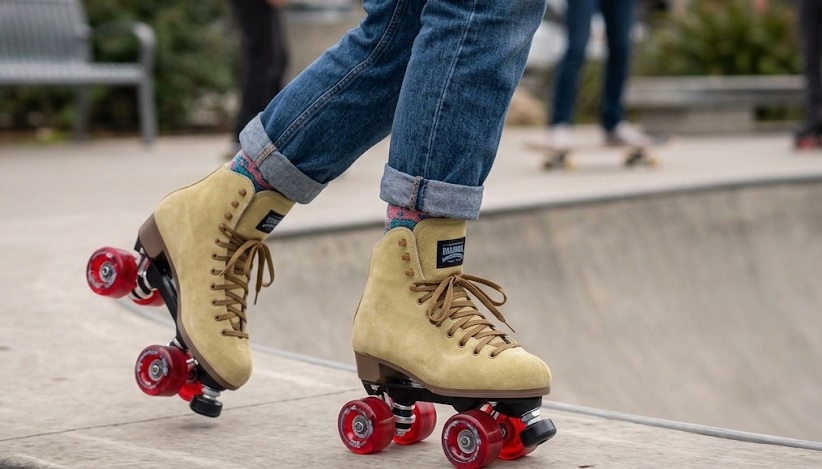
Sure-Grip Boardwalk Roller Skates – Best Overall High-Top
The Sure-Grip Boardwalk offers a premium suede boot with excellent ankle support for new skaters. Its nylon plate keeps the skate lightweight, while the soft cushioning reduces fatigue during long practice sessions. This model is the best option for beginners prioritizing comfort and stability.
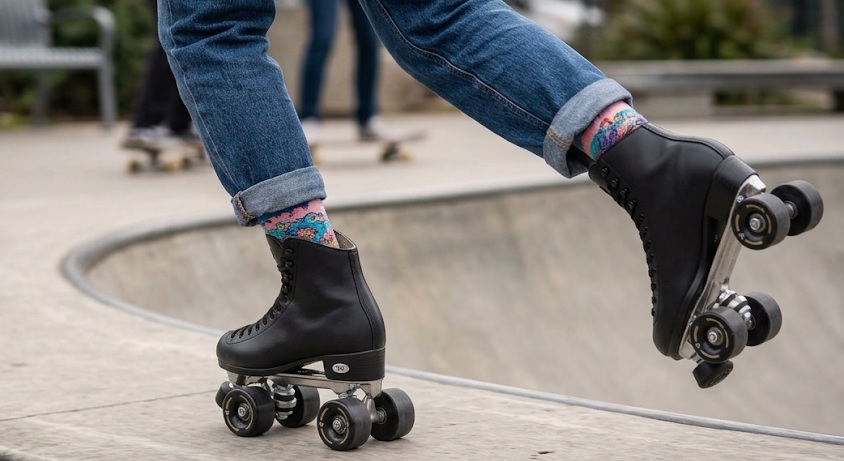
Riedell R3 Roller Skates – Best Budget Low-Top
The Riedell R3 features a durable low-top vinyl boot ideal for learning basic maneuvers. Its reinforced heel and precision bearings provide smooth rolling without breaking the bank. This skate is recommended for budget-conscious skaters who want reliable performance.
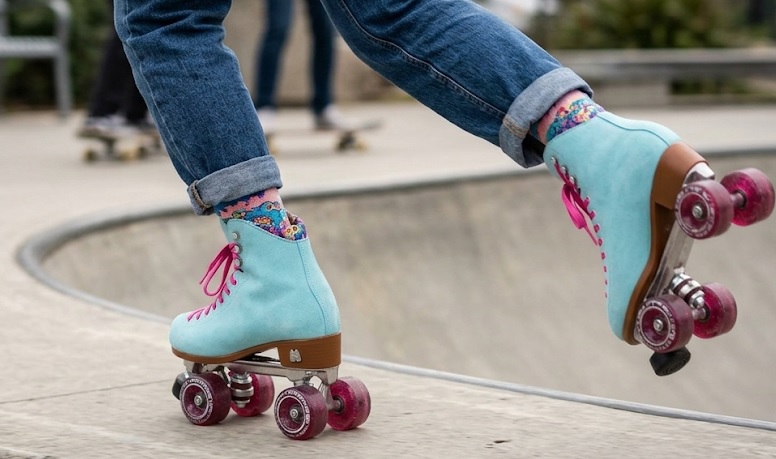
Moxi Beach Bunny Roller Skates – Best Hybrid Choice
The Moxi Beach Bunny combines a high-top vegan suede boot with a lightweight aluminum plate for responsive control. Its padded collar offers moderate ankle support while allowing natural movement. This is the ideal for beginners who want style and versatility in one package.
How Ankle Support Differs Between High-Top and Low-Top Skates
Ankle support is the most critical factor when choosing between high-top and low-top roller skates for beginners. High-top boots wrap around the ankle, while low-tops leave it exposed. This difference directly impacts stability, safety, and learning speed.
High-Top Skates: Maximum Stability for New Skaters
High-top skates extend above the ankle bone, using thick padding and stiff materials to lock the foot in place. This design prevents excessive inward or outward rolling, which is the leading cause of beginner ankle sprains. You gain confidence to practice without fear of injury.
- Reduced wobble: The rigid boot keeps your foot aligned over the wheels
- Faster learning: You can focus on balance instead of fighting ankle fatigue
- Better for outdoor skating: Handles bumps and cracks with more control
Low-Top Skates: Freedom of Movement with Higher Risk
Low-top skates stop at or below the ankle, offering maximum flexibility for agile footwork. However, this freedom comes at a cost. Beginners often struggle with ankle fatigue and instability on uneven surfaces, leading to frequent falls and frustration.
| Feature | High-Top | Low-Top |
|---|---|---|
| Ankle support | Excellent | Minimal |
| Injury risk | Low | Moderate to high |
| Learning curve | Faster | Slower |
Key takeaway: Beginners should start with high-top skates to build muscle memory safely. Once you master basic strides and stops, you can transition to low-tops for advanced tricks.
Comfort and Fit: High-Top vs Low-Top Roller Skates for Beginners
Comfort directly impacts how long you can practice without pain or frustration. High-top and low-top skates fit very differently, affecting your stride and overall enjoyment. Choosing the wrong style can lead to blisters, foot cramps, or early burnout.
High-Top Skates: Snug Support Requires Proper Break-In
High-top boots fit tightly around the ankle and heel, providing a locked-in feel. This reduces friction and prevents heel lift, which is a common cause of blisters. However, new high-tops often require a break-in period of 5-10 hours to soften the stiff materials.
- Pros: Excellent heel lock, warm for outdoor skating, reduced foot fatigue
- Cons: Less breathable, can feel restrictive, longer break-in time
- Tip: Wear thick socks during the first few sessions to prevent pressure points
Low-Top Skates: Breathable But Demanding on Foot Muscles
Low-top skates offer more airflow and freedom for your toes to spread naturally. This makes them feel lighter and cooler during long sessions. Beginners must rely on their own ankle strength for stability, which can cause quicker fatigue in the feet and calves.
| Comfort Factor | High-Top | Low-Top |
|---|---|---|
| Break-in time | 5-10 hours | 1-3 hours |
| Breathability | Low | High |
| Foot fatigue | Lower | Higher |
Key takeaway: If you have weak ankles or plan long practice sessions, high-tops offer superior all-day comfort. Low-tops are better for quick, casual skating in warm weather.
Performance and Control: Which Skate Style Helps You Learn Faster?
Performance dictates how quickly a beginner progresses from wobbly strides to smooth glides. High-top and low-top skates offer different advantages in speed, maneuverability, and control. Your choice should match your preferred skating environment and goals.
High-Top Skates: Superior Control for Outdoor and Trail Skating
High-top skates excel on rough pavement, gravel, and uneven trails. The stiff boot absorbs vibrations from cracks and debris, keeping your feet stable. This translates to better control at moderate speeds, making high-tops the safer choice for outdoor beginners.
- Best for: Park paths, neighborhood streets, and rink skating
- Speed control: Easier to stop and turn due to reduced wobble
- Drawback: Heavier frame can feel sluggish for quick pivots
Low-Top Skates: Agile Footwork for Rink and Dance Skating
Low-top skates allow greater ankle flexion, enabling sharper turns and toe work. This makes them the preferred style for rhythm skating and dance moves. Beginners focusing on rink skating may find low-tops more responsive for learning crossovers and spins.
| Performance Factor | High-Top | Low-Top |
|---|---|---|
| Outdoor stability | Excellent | Fair |
| Maneuverability | Moderate | High |
| Speed control | Easy | Moderate |
| Best surface | Rough/outdoor | Smooth/rink |
Key takeaway: For general outdoor learning, high-tops provide the most forgiving performance. Low-tops are better for beginners who plan to skate exclusively on smooth rink floors.
Durability and Longevity: Which Skate Style Lasts Longer for Beginners?
Durability matters because beginner skates endure falls, scrapes, and constant adjustments. High-top and low-top skates are built with different materials that age differently. Understanding these differences helps you invest wisely in your first pair.
High-Top Skates: Sturdy Construction Withstands Heavy Use
High-top boots typically use thicker leather, suede, or reinforced vinyl that resists tearing. The extra material around the ankle adds structural integrity to the entire boot, preventing it from collapsing after repeated falls. This makes high-tops a long-lasting investment for serious learners.
- Boot lifespan: 2-4 years with proper care for casual skaters
- Common wear: Scuffed toe caps and loosened laces near the ankle
- Maintenance tip: Clean suede boots with a brush to prevent cracking
Low-Top Skates: Lighter Build but Faster Wear on Key Areas
Low-top skates use less material, making them lighter but more prone to damage. The lower cut puts more stress on the heel and tongue areas, which can separate from the sole over time. Beginners who fall frequently may notice wear within six months.
| Durability Factor | High-Top | Low-Top |
|---|---|---|
| Boot material thickness | Thick (3-5mm) | Thin (1-3mm) |
| Ankle reinforcement | Yes | No |
| Average lifespan | 2-4 years | 1-2 years |
| Fall resistance | High | Moderate |
Key takeaway: High-top skates offer better value for beginners who plan to skate regularly. Low-tops are a short-term option for casual, occasional use.
Price and Value: Comparing Costs of High-Top vs Low-Top Roller Skates
Budget is a major factor for beginners, and prices vary significantly between skate styles. High-top skates generally cost more due to extra materials and construction time. Understanding the value behind the price tag helps you make a smart purchase.
High-Top Skates: Higher Upfront Cost, Better Long-Term Value
High-top beginner skates typically range from $100 to $250 for quality models. The reinforced boot and additional padding justify the higher price. You pay for durability, safety, and comfort that lasts through the learning phase and beyond.
- Entry-level: $80-$120 for basic vinyl models
- Mid-range: $130-$200 for suede or leather boots
- Premium: $200-$350 for advanced features like aluminum plates
Low-Top Skates: Lower Entry Price but Potential Hidden Costs
Low-top skates start at $60 to $120 for beginner-friendly options. However, the lower price often means cheaper bearings and softer wheels that wear out faster. You may need to replace components within a year, increasing total ownership costs.
| Cost Factor | High-Top | Low-Top |
|---|---|---|
| Average starting price | $100 | $60 |
| Component quality | Higher | Lower |
| Replacement frequency | Rare | Frequent |
| 5-year total cost | $150-$300 | $150-$350 |
Key takeaway: High-tops cost more upfront but often save money over time. Low-tops are cheaper initially but may require early upgrades to bearings, wheels, or even the entire boot.
How to Choose Between High-Top and Low-Top Skates Based on Your Goals
Your skating goals should ultimately decide which boot height is right for you. High-top and low-top skates serve different purposes, and the wrong choice can slow your progress. Use this guide to match your ambitions with the correct style.
Choose High-Top Skates If You Want to Skate Outdoors or for Fitness
High-top skates are the clear winner for trail skating, fitness sessions, and outdoor rinks. The ankle support protects you from uneven pavement and sudden obstacles like sticks or cracks. If your goal is to build endurance and skate for miles, high-tops are essential.
- Ideal for: Park trails, neighborhood streets, long-distance skating
- Best for: Beginners with weak ankles or previous injuries
- Avoid if: You only plan to skate indoors on smooth floors
Choose Low-Top Skates If You Want to Dance or Skate at the Rink
Low-top skates shine in indoor rinks where surfaces are smooth and predictable. The freedom of movement allows for complex footwork, spins, and dance routines. If your dream is to master jam skating or artistic moves, low-tops are the better path.
| Goal | Recommended Boot Height | Why |
|---|---|---|
| Outdoor fitness | High-top | Stability on rough terrain |
| Rink dancing | Low-top | Ankle flexibility for moves |
| General learning | High-top | Safety and faster progress |
| Competitive speed | Low-top | Lighter weight for acceleration |
Key takeaway: Be honest about where you will skate most often. Choosing a style that matches your primary environment ensures faster learning and more enjoyment.
Common Mistakes Beginners Make When Choosing Skate Height
Many new skaters pick a boot style based on looks or price alone, leading to frustration later. Avoiding these common mistakes saves you time, money, and potential injuries. Learn from others’ errors to make the right choice from the start.
Mistake 1: Choosing Low-Tops Because They “Look Cooler”
Low-top skates often appear sleeker and more stylish in photos and videos. However, aesthetics do not compensate for lack of ankle support when you are learning. Beginners who prioritize looks over function typically struggle with balance and quit sooner.
- The reality: High-tops now come in many stylish colors and designs
- The fix: Rent or borrow both styles before committing to a purchase
- The result: You will appreciate comfort more than appearance after 30 minutes of skating
Mistake 2: Buying High-Tops That Are Too Large for Comfort
Some beginners buy high-top skates a size too big, thinking it will be more comfortable. This creates heel lift and friction inside the boot, causing blisters and poor control. A snug fit is essential for the ankle support to work properly.
| Mistake | Consequence | Solution |
|---|---|---|
| Choosing by looks | Poor stability, early quitting | Test both styles first |
| Oversizing boots | Blisters, loss of control | Buy true to foot measurement |
| Skipping break-in | Pain, premature return | Wear thick socks for 5-10 hours |
| Ignoring surface type | Wrong tool for the job | Match boot to skating location |
Key takeaway: Function should always come before fashion for beginners. A properly fitted high-top skate will serve you far better than a stylish low-top that causes pain.
Conclusion: High-Top vs Low-Top Roller Skates – Final Verdict for Beginners
High-top roller skates are the better choice for most beginners. They offer superior ankle support, faster learning, and better durability for outdoor skating. Low-tops work best for indoor rink dancing after you master the basics.
Start with high-tops to build confidence safely. Once you control your edges and stops, consider low-tops for advanced moves. Your safety and enjoyment come first.
Frequently Asked Questions about High-Top vs Low-Top Roller Skates
What is the main difference between high-top and low-top roller skates?
The main difference is the boot height and the level of ankle support provided. High-top skates extend above the ankle bone, offering firm support that prevents rolling and wobbling. Low-top skates stop below the ankle, allowing maximum flexibility for footwork.
This difference affects stability, learning speed, and injury risk for beginners. High-tops are safer for outdoor skating, while low-tops suit advanced indoor maneuvers. Your choice should match your skill level and skating environment.
Are high-top roller skates better for beginners than low-top skates?
Yes, high-top roller skates are generally better for beginners.
The extra ankle support helps new skaters maintain balance and reduces the risk of sprains. High-tops also absorb vibrations from rough surfaces, making outdoor practice more comfortable. Most instructors recommend high-tops for the first six months of learning.
Once you master basic strides, stops, and turns, you can consider low-tops. However, starting with high-tops builds proper muscle memory and confidence. This foundation makes transitioning to any skate style easier later.
Can you learn to skate on low-top roller skates as a beginner?
Yes, you can learn on low-top skates, but it is more challenging and risky. Without ankle support, your foot muscles work harder to keep you upright. This leads to faster fatigue and a higher chance of falling sideways.
Low-tops work best for beginners who skate only on smooth indoor rinks. If you plan to skate outdoors or on uneven surfaces, high-tops are strongly recommended. Consider your primary skating location before choosing low-tops.
How do I know if I need high-top or low-top roller skates?
Consider your skating goals, environment, and physical condition to decide. Choose high-tops if you have weak ankles, skate outdoors, or prioritize safety. Choose low-tops if you skate indoors, want maximum agility, or focus on dance moves.
Your body type also matters. Heavier skaters benefit from the extra support of high-tops. Lighter skaters may find low-tops comfortable for short sessions. Renting both styles for a test session is the best way to decide.
What is the best way to break in high-top roller skates?
Wear thick socks and lace the skates snugly but not painfully tight. Skate for 15-20 minute sessions, taking breaks to loosen the laces and rest your feet. Repeat this process over 5-10 hours of total skating time.
You can speed up break-in by using a hairdryer to warm the boot material before wearing them. Avoid forcing the break-in by skating through sharp pain. Gradual, consistent use produces the best fit and comfort.
Do professional roller skaters use high-top or low-top skates?
Professional skaters use both styles depending on their discipline and personal preference. Speed skaters and jam skaters often prefer low-tops for maximum ankle mobility. Artistic, derby, and trail skaters typically choose high-tops for stability and protection.
Most professionals started with high-top skates to build a strong foundation. They switched to low-tops only after developing excellent balance and ankle strength. Follow the same progression for the best long-term results.
What should I do if my high-top skates hurt my ankles?
First, check that your skates are the correct size and laced properly. Snug heel fit prevents rubbing, while loose lacing can cause blisters. Try different sock thicknesses to find the most comfortable combination.
If pain persists, consider using gel ankle pads or moleskin on pressure points. Most high-top skates require a break-in period of 5-10 hours. If pain continues beyond that, consult a professional skate fitter for adjustments.
Can I switch from high-top to low-top skates later?
Yes, switching from high-top to low-top skates is common as skaters progress. Most experts recommend waiting until you have at least six months of consistent skating experience. You should feel confident with basic skills like stopping, turning, and skating backward.
When you switch, start slowly in a safe, controlled environment like a rink. Your ankles will need time to adapt to the reduced support. Begin with short sessions and gradually increase duration as your strength improves.