Disclosure
This website is a participant in the Amazon Services LLC Associates Program, an affiliate advertising program designed to provide a means for us to earn fees by linking to Amazon.com and affiliated sites.
Learning how to skate in rhythm with music transforms your skating from simple movement into an expressive, flowing experience. This complete guide breaks down the proven methods to sync your feet perfectly with any beat.
You will discover expert tips for hearing the downbeat, matching your stride to tempo, and building muscle memory. Master these techniques to glide effortlessly and impress on the rink or street. Continue reading to unlock your rhythmic potential.
Best Skates for Rhythmic Skating – Detailed Comparison
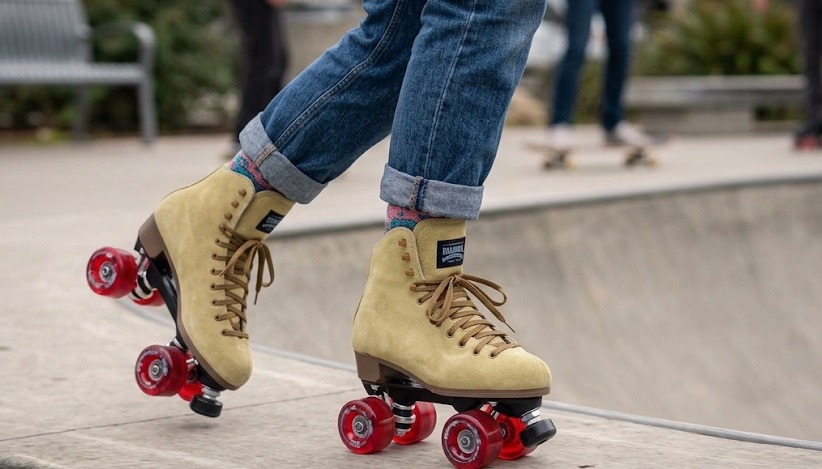
Sure-Grip Boardwalk Outdoor Skates – Best Overall Choice
These classic suede skates feature a nylon plate for flexibility and 65mm urethane wheels that grip pavement perfectly. Ideal for outdoor rhythm skating, they offer comfort and control for beginners. The adjustable toe stop allows for precise stops during dance moves.
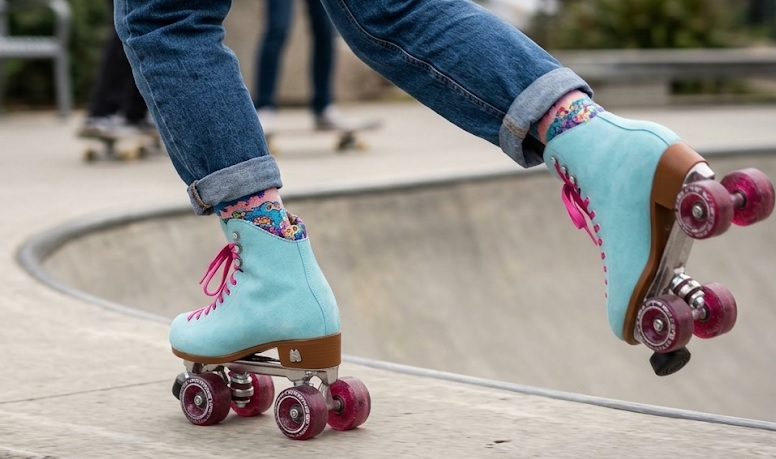
Moxi Beach Bunny Skates – Best for Beginners
Designed with a stiff vinyl boot for ankle support, the Beach Bunny comes with 58mm wheels perfect for rink skating. Its lightweight aluminum plate makes footwork easier. This is the best option for learning basic rhythm and spins on smooth surfaces.
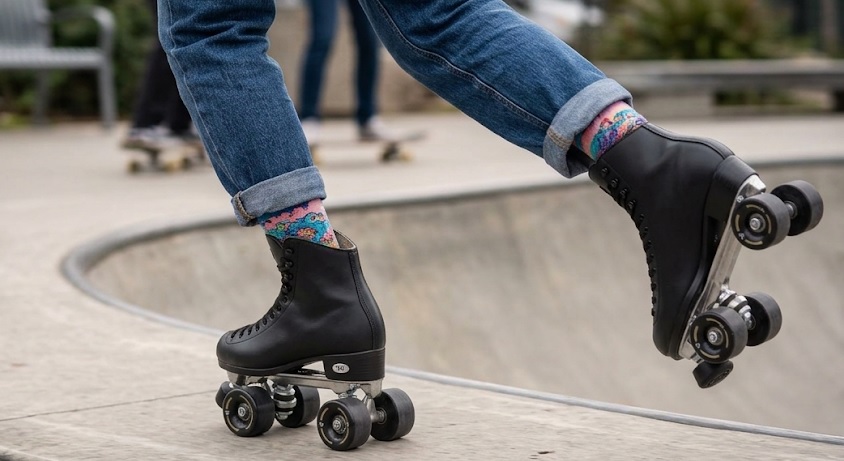
Riedell 120 Boot with PowerDyne Reactor Neo Plate – Best for Advanced Skaters
This pro-level setup uses a full-grain leather boot for precise edge control and a lightweight aluminum plate for agility. Recommended for experienced skaters, it delivers the responsiveness needed for complex choreography. It is ideal for competitive artistic or jam skating.
Mastering the Basics of Skating to the Beat
Before you attempt complex moves, you must learn how to identify the beat within a song. This foundational skill makes skating in rhythm with music feel natural rather than forced.
How to Find the Downbeat for Skating
The downbeat is the first and strongest beat in a measure. Listen for the kick drum or bass guitar, as these instruments typically mark the downbeat. Count “1, 2, 3, 4” along with the music to lock in the tempo.
- Start with slow songs: Choose tracks around 90-110 BPM to practice your timing.
- Nod your head: Physically moving to the beat helps your body internalize the rhythm.
- Clap the beat: Practice clapping on the downbeat before you even put on your skates.
Matching Your Stride to the Tempo
Once you hear the beat, match each stride to a single count. Push off with one foot on count 1, glide on count 2, then push with the other foot on count 3. This creates a smooth, alternating rhythm that mirrors the music.
| Tempo (BPM) | Stride Type | Best For |
|---|---|---|
| 90-110 | Slow, wide strides | Learning basics |
| 110-130 | Quick, short pushes | Dance routines |
| 130+ | Fast, choppy steps | Advanced jam skating |
Key takeaway: Your feet should feel like they are dancing with the drums, not against them. Practice this stride-to-beat connection for five minutes daily to build muscle memory.
Advanced Techniques for Skating in Rhythm With Music
Once you master basic strides, you can add stylistic moves that make your skating look choreographed. These advanced techniques help you skate in rhythm with music at any tempo.
Adding Crossovers and Turns on Beat
Crossovers should happen on the strong beats (counts 1 and 3). Step your outside foot over on count 1, then push with your inside foot on count 2. This keeps your momentum flowing with the music’s natural accent.
- Forward crossovers: Execute on the downbeat for maximum power.
- Backward crossovers: Use on the upbeat for a syncopated feel.
- Three-turns: Spin on count 4 to prepare for the next downbeat.
Using Arm Movements to Enhance Rhythm
Your arms act as counterbalances and visual rhythm markers. Swing your left arm forward when your right leg pushes. This natural opposition creates a fluid, dance-like appearance that matches the music’s phrasing.
| Move | Arm Position | Beat Timing |
|---|---|---|
| Glide | Arms extended sideways | Counts 2 and 4 |
| Spin | Arms pulled close to chest | Count 4 (preparation) |
| Dip | One arm up, one down | Count 1 (accent) |
Practicing With Different Music Genres
Each genre has a distinct rhythm pattern that challenges your timing. Disco and funk have strong, steady four-beat measures perfect for beginners. Hip-hop uses syncopated beats that require quicker foot adjustments. Practice with a metronome app set to 120 BPM to simulate a consistent dance beat.
Key takeaway: Vary your music selection weekly to build adaptability. Your body will learn to predict and react to different rhythmic structures automatically over time.
Common Mistakes When Skating to Music and How to Fix Them
Even experienced skaters struggle with timing breakdowns. Recognizing these common errors helps you skate in rhythm with music more consistently.
Rushing the Beat
Many skaters speed up when they get excited, pushing ahead of the music. This creates a frantic, off-balance look. Fix this by counting out loud as you skate. Saying “one, two, three, four” forces your brain to slow down and match the actual tempo.
- Symptom: You finish your stride before the next beat hits.
- Solution: Shorten your push distance and focus on gliding longer.
- Drill: Skate to a slow ballad (80 BPM) for five minutes without stopping.
Ignoring the Music’s Phrasing
Music is organized into eight or sixteen count phrases, not just single beats. Skaters who only hit the downbeat miss the natural flow of the song. Listen for the chorus and verse changes to plan your transitions between moves.
| Phrase Length | Action | Example Move |
|---|---|---|
| 4 counts | Simple stride pattern | Right-left-right-left |
| 8 counts | Complete a sequence | Crossover then spin |
| 16 counts | Change direction | Forward to backward |
Stiff Upper Body
Tension in your shoulders and arms blocks rhythm transfer from your core to your feet. Your upper body must stay relaxed to interpret the music’s emotion. Shake out your arms between songs and keep your knees slightly bent to absorb the beat naturally.
Key takeaway: Record yourself skating to a song. Compare your timing to the beat visually. This honest feedback reveals exactly where your rhythm breaks down.
Creating Your Own Rhythmic Skating Routine
Building a personal routine turns isolated skills into a fluid performance. A structured approach helps you skate in rhythm with music from start to finish.
Selecting the Right Song for Your Skill Level
Choose a track with a clear, steady beat and a tempo between 100 and 120 BPM. Pop and disco songs work best because they have consistent drum patterns. Avoid songs with frequent tempo changes or complex time signatures until you are advanced.
- Beginner pick: “Uptown Funk” by Mark Ronson (115 BPM).
- Intermediate pick: “Blinding Lights” by The Weeknd (171 BPM, half-time feel).
- Advanced pick: “September” by Earth, Wind & Fire (126 BPM, syncopated brass).
Mapping Moves to Song Structure
Divide the song into intro, verse, chorus, and bridge sections. Assign simple strides to verses and dynamic moves to choruses. Plan a signature move for the chorus that repeats each time to create visual consistency.
| Song Section | Duration | Recommended Moves |
|---|---|---|
| Intro (8 counts) | 4 seconds | Slow glides, arm extensions |
| Verse (16 counts) | 8 seconds | Basic crossovers, bubbles |
| Chorus (16 counts) | 8 seconds | Spins, dips, footwork patterns |
| Bridge (8 counts) | 4 seconds | Backward skating, transitions |
Practicing Your Routine in Segments
Learn the routine in 8-count chunks before connecting everything. Master the first 16 counts perfectly before adding the next section. Record each segment and review your timing against the music to catch errors early.
Key takeaway: A well-structured routine makes you look intentional and confident. Even simple moves performed on beat appear more impressive than complex moves done off-tempo.
Equipment and Gear for Better Rhythmic Skating
Your equipment directly affects how easily you can move to the beat. The right gear makes skating in rhythm with music smoother and more enjoyable.
Choosing the Right Wheels for Rhythm Skating
Wheel hardness determines grip and slide, both crucial for timed footwork. Softer wheels (78A-82A) grip the floor well for outdoor skating but slow you down. Harder wheels (95A-101A) allow smooth slides and quick directional changes on rink floors.
- Outdoor rhythm: 78A durometer, 65mm diameter for rough surfaces.
- Rink rhythm: 95A durometer, 57mm diameter for agility.
- Hybrid use: 85A durometer, 62mm diameter for versatility.
Bearing Quality and Spin Time
High-quality bearings maintain momentum between strides, helping you hold your glide through the beat. ABEC 5 or ABEC 7 bearings offer the best balance of speed and durability for rhythmic skating. Clean your bearings monthly to prevent grit from slowing your spin.
| Bearing Grade | Speed | Best Use |
|---|---|---|
| ABEC 3 | Moderate | Beginners, casual skating |
| ABEC 5 | Fast | Intermediate rhythm skating |
| ABEC 7 | Very fast | Advanced jam and dance skating |
Boot Fit and Ankle Support
A snug boot prevents foot slippage, which disrupts your timing during quick turns. Leather or suede boots mold to your foot shape over time for better control. Ensure your heel stays locked in place when you push off on each beat.
Key takeaway: Test different wheel and bearing combinations at your local rink. The right setup lets you focus on the music instead of fighting your equipment.
Drills and Exercises to Improve Your Skating Rhythm
Consistent practice with targeted drills builds the neural pathways needed for automatic timing. These exercises help you skate in rhythm with music without consciously thinking about each step.
The One-Beat Glide Drill
Push off with one foot and hold your glide for exactly one full measure (four counts). This forces you to balance on one foot while counting the beat internally. Repeat ten times on each leg before switching to faster tempos.
- Goal: Extend glide duration without losing balance.
- Progression: Increase to two measures (eight counts) per glide.
- Music tip: Use a song with a strong bass drum for clear counting cues.
The Stop-and-Go Timing Exercise
Skate forward for four counts, then stop completely for four counts. Start again exactly on the next downbeat. This drill teaches you to control your momentum and restart precisely with the music.
| Phase | Duration | Action |
|---|---|---|
| Skate | 4 counts | Push, glide, push, glide |
| Stop | 4 counts | T-stop or plow stop, hold still |
| Restart | Count 1 | Explosive push on downbeat |
The Mirror Beat-Matching Drill
Skate alongside a partner or your own reflection and match each other’s stride timing. Visual synchronization reinforces auditory rhythm processing. Switch lead every thirty seconds to practice following different timing patterns.
Key takeaway: Spend ten minutes on these drills before free skating. Warm-up exercises prime your brain and body to lock into the music’s tempo immediately.
Music Selection Tips for Rhythmic Skating Success
Your song choice can make or break your ability to stay on beat. Strategic music selection helps you skate in rhythm with music more naturally from the first note.
Understanding BPM for Different Skating Styles
Different skating styles require different tempos. Jam skating thrives at 110-130 BPM for quick footwork. Artistic skating flows better at 90-110 BPM for graceful, extended movements. Choose your BPM range based on your preferred style.
- Slow jam (80-100 BPM): Ideal for glides, dips, and sensual moves.
- Mid-tempo (100-120 BPM): Perfect for crossovers and basic spins.
- Fast tempo (120-140 BPM): Best for footwork sequences and jumps.
Identifying Songs with Clear Rhythmic Cues
Songs with prominent percussion make beat-matching easier. Look for tracks with cowbells, hi-hats, or handclaps on the off-beats. These audible cues help you anticipate when to execute your next move.
| Song Element | Rhythmic Cue | Skating Action |
|---|---|---|
| Kick drum | Downbeat (counts 1, 3) | Push off, weight transfer |
| Snare drum | Backbeat (counts 2, 4) | Glide, prepare for next push |
| Hi-hat | Eighth notes | Small foot adjustments, shimmies |
Building a Rhythm Skating Playlist
Create a playlist with consistent BPM songs grouped together. Arrange tracks from slow to fast to warm up gradually. Include at least three songs at your target BPM to build endurance before changing tempo.
Key takeaway: Update your playlist weekly to challenge your brain with new rhythmic patterns. Familiar songs become crutches that prevent you from developing true beat-matching adaptability.
Conclusion: Master How to Skate in Rhythm With Music
Learning how to skate in rhythm with music transforms your time on wheels into a joyful, expressive experience. You now have the drills, gear advice, and song selection tips to build this skill.
Start with slow songs and simple strides. Practice the one-beat glide and stop-and-go drills daily for consistent improvement.
Put on your skates, choose a track with a strong beat, and begin. Your rhythm will improve with every session.
Frequently Asked Questions About Skating in Rhythm With Music
What is the best way to learn how to skate in rhythm with music?
The best way is to start with slow songs between 90-110 BPM and practice counting the beat out loud. Focus on matching one stride to each beat before adding complex moves.
Use the one-beat glide drill daily to build muscle memory. Gradually increase tempo as your timing improves naturally over several practice sessions.
How do I find the beat in a song for skating?
Listen for the kick drum or bass guitar, which typically marks the downbeat on counts 1 and 3. Nod your head or tap your foot along with this sound to lock in the tempo.
Practice clapping on the downbeat before putting on your skates. This auditory exercise trains your brain to identify the beat instantly when you start moving.
What BPM is best for beginner rhythmic skating?
Beginners should start with songs at 90-110 BPM, which allows enough time between beats to execute proper strides. This slow tempo helps you focus on form without rushing.
Popular beginner songs include “Uptown Funk” at 115 BPM and “Lean On Me” at 95 BPM. Progress to 110-120 BPM once you feel comfortable maintaining the beat.
Why do I keep losing the beat when I skate?
Losing the beat usually happens when you rush your strides or focus too much on foot placement. Anxiety and excitement cause skaters to speed up ahead of the music.
Fix this by counting out loud as you skate and shortening your push distance. Practice with a metronome app set to your target BPM to rebuild consistent timing.
What type of skates are best for dancing to music?
For rink dancing, use skates with hard wheels (95A-101A) and ABEC 5 or 7 bearings for smooth slides. A snug leather or suede boot with good ankle support provides the control needed for quick footwork.
For outdoor rhythm skating, choose softer wheels (78A-82A) with a 65mm diameter. The Sure-Grip Boardwalk or Moxi Beach Bunny are excellent beginner-friendly options for dancing to music.
How can I practice skating to music at home?
Practice on a smooth, flat surface like a garage floor or hardwood hallway. Use a Bluetooth speaker or headphones to hear the beat clearly while you drill basic strides and crossovers.
Set up a mirror to check your arm positioning and body alignment. Record short practice sessions to review your timing and identify areas where you drift off the beat.
What songs are best for learning rhythmic skating?
Songs with strong, consistent drum patterns are ideal for learning. Pop, disco, and funk genres typically have clear four-beat measures that are easy to follow for beginners.
Top picks include “Blinding Lights” by The Weeknd, “September” by Earth, Wind & Fire, and “Happy” by Pharrell Williams. These tracks have steady tempos and prominent percussion for beat matching.
How long does it take to learn skating in rhythm with music?
Most skaters develop basic rhythm skills within 2-4 weeks of consistent practice. Daily 15-minute sessions focused on beat-matching drills accelerate this learning process significantly.
Advanced rhythmic flow and complex choreography typically take 3-6 months to master. Progress depends on practice frequency, music familiarity, and prior skating experience.