Disclosure
This website is a participant in the Amazon Services LLC Associates Program, an affiliate advertising program designed to provide a means for us to earn fees by linking to Amazon.com and affiliated sites.
If you are wondering how long it takes to learn roller skating as an adult, the direct answer is typically **10 to 20 hours of practice** to achieve basic mobility and confidence. The main benefit of learning as an adult is your ability to understand technique, making the process surprisingly efficient.
This complete guide provides expert tips and proven methods to accelerate your learning curve. You will discover realistic timelines, essential gear, and the best drills to master balance and stopping quickly. Keep reading to map out your personal skating journey.
Best Roller Skates for Adult Beginners – Detailed Comparison
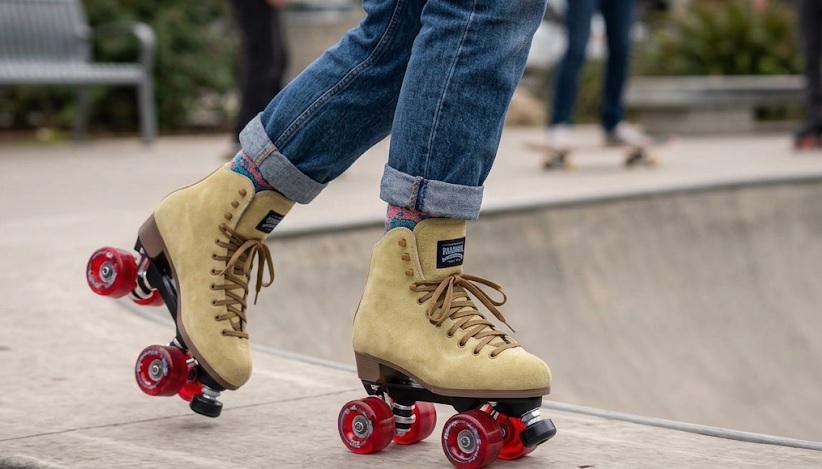
Sure-Grip Boardwalk – Best Overall Choice
The Sure-Grip Boardwalk is widely recommended for adult learners due to its plush suede boot and comfortable fit. It features a nylon plate for lightweight stability and 57mm wheels ideal for outdoor rinks. Best use case: Casual outdoor skating and long-distance cruising.
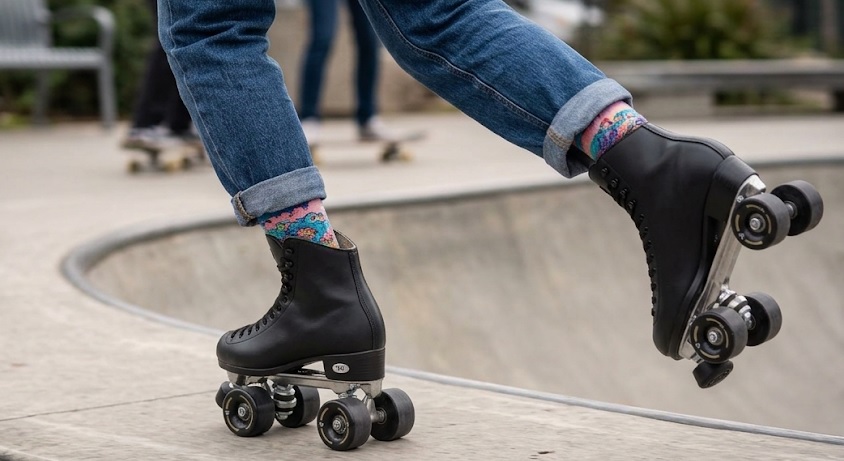
Riedell R3 – Best for Indoor Rinks
The Riedell R3 is the best option for indoor rink practice, offering a durable vinyl boot and a reinforced nylon plate. Its hard urethane wheels provide excellent glide on smooth floors. Best use case: Skate rental replacement and rhythm skating lessons.
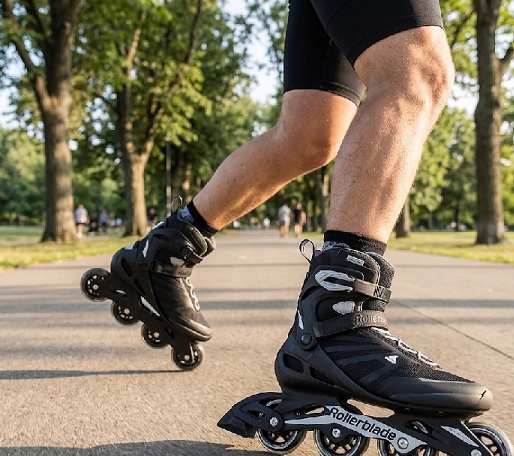
Rollerblade Zetrablade – Best for Fitness
The Rollerblade Zetrablade is the ideal fitness inline skate for adults. Its supportive cuff and 80mm wheels offer a smooth, stable ride for outdoor paths. Best use case: Building stamina and learning basic stride techniques safely.
Realistic Timelines for Learning Roller Skating as an Adult
Your learning speed depends on consistency, gear quality, and previous balance experience. Most adults achieve basic forward skating and stopping within **three to five practice sessions** of one hour each.
Week 1: Finding Your Balance
Your first goal is simply standing and marching in place. Focus on the **V-stand** (heels together, toes apart) and learning to fall safely.
- Session 1: Practice standing, marching, and small glides while holding a wall.
- Session 2: Master the “bubble” motion to move forward and stop using the heel brake.
- Key takeaway: Do not rush. Balance is the foundation for all future skills.
Weeks 2-4: Building Momentum
Once you feel stable, you can begin linking strides. This is when learning roller skating as an adult becomes truly rewarding.
Staggered stance (one foot slightly ahead) is essential for stability. Practice gliding on one foot for short counts to improve control and confidence.
Mastering Stops and Turns
Stopping is the most critical safety skill. The **T-stop** and **plow stop** are the two most reliable methods for beginners.
| Stopping Method | Difficulty | Best For |
|---|---|---|
| Heel Brake | Easy | Beginners, outdoor paths |
| Plow Stop | Moderate | Indoor rinks, slow speeds |
| T-Stop | Advanced | Higher speeds, control |
Practice each stop on soft grass first to build muscle memory without fear of falling.
Essential Gear and Safety Tips for Adult Skaters
Having the right equipment dramatically reduces your learning time. Wearing full protective gear allows you to practice harder without fear of injury.
Must-Have Protective Equipment
Do not skip safety gear. A single bad fall can set your progress back by weeks or stop your skating journey entirely.
- Wrist guards: Prevent the most common skating injury. Always wear them, even for short sessions.
- Knee and elbow pads: Essential for learning how to fall forward safely. Look for hard-shell models.
- Helmet: Non-negotiable for outdoor skating on rough pavement or hills.
Choosing the Right Skates for Adult Learners
Your skates must fit snugly without pinching. Loose skates cause wobbling and make learning to roller skate as an adult much harder than it needs to be.
High-top boots offer more ankle support for beginners. Avoid cheap plastic skates, as they lack proper cushioning and wheel quality.
Where to Practice for Fastest Progress
Location matters. The best surfaces for learning are smooth, flat, and free of debris.
| Surface Type | Skill Level | Best Feature |
|---|---|---|
| Basketball court | Beginner | Smooth, flat, enclosed |
| Indoor rink | All levels | Consistent surface, lessons available |
| Parking lot | Intermediate | Spacious, low traffic (early mornings) |
Pro tip: Practice on carpet or grass first to learn basic movements without rolling. This builds confidence before you hit the pavement.
Overcoming Common Challenges When Learning to Roller Skate as an Adult
Adult learners face unique mental and physical hurdles that children rarely experience. Understanding these challenges helps you push through plateaus faster.
Managing Fear of Falling
Fear is the biggest barrier for adults. Your brain protects you from perceived danger, which causes stiff legs and hesitant movements.
- Practice falling: Intentionally drop to your knees on grass 10 times per session. This desensitizes your fear response.
- Bend your knees: A deep bend lowers your center of gravity and makes falls less painful.
- Visualize success: Spend 2 minutes before each session imagining yourself gliding smoothly.
Dealing with Sore Muscles and Fatigue
Skating uses muscles you rarely engage in daily life. Expect soreness in your calves, glutes, and inner thighs after your first few sessions.
Stretching before and after practice reduces stiffness. Focus on ankle rotations, quad stretches, and hip openers for 5 minutes each side.
Building Consistent Practice Habits
Progress stalls when you skate once per week. Consistency matters more than session length for adult learners.
| Frequency | Expected Progress | Best Schedule |
|---|---|---|
| 1x per week | Slow, frustrating | Maintenance only |
| 2-3x per week | Steady improvement | 30-45 minute sessions |
| 4-5x per week | Rapid skill gain | 20-30 minute sessions |
Pro tip: Set a recurring calendar reminder. Treat your skating practice like an important appointment you cannot cancel.
Advanced Drills to Accelerate Your Roller Skating Progress
Once you master basic forward skating, specific drills help you build speed and control faster. These exercises target balance, edge control, and transitions.
One-Foot Glide Drill
This drill builds the single-leg stability needed for smooth strides and turns. It directly translates to better control at higher speeds.
- Start rolling slowly in a staggered stance with both feet pointing forward.
- Lift one foot slightly off the ground and balance on the other for 3 seconds.
- Switch feet and repeat. Aim for 10 repetitions per side each session.
Progression: Increase your glide time by 2 seconds each week until you can hold it for 10 seconds.
Crossovers for Turning
Crossovers allow you to turn corners without losing momentum. This skill is essential for learning roller skating as an adult on outdoor trails or rinks.
| Turn Direction | Foot Placement | Common Mistake |
|---|---|---|
| Left turn | Right foot crosses over left | Looking at feet, not the turn |
| Right turn | Left foot crosses over right | Leaning back instead of forward |
Practice crossovers slowly on a large circle. Keep your knees bent and your upper body facing the center of the turn.
Backward Skating Basics
Skating backward opens up new dance moves and improves your overall awareness. Start by making small “C” shapes with your heels.
- Heel bubbles: Push heels outward, then pull them together to move backward.
- Shoulder check: Look over your dominant shoulder every few seconds to avoid collisions.
- Practice area: Use a wall or railing for support until you feel confident.
How to Stay Motivated While Learning Roller Skating as an Adult
Motivation naturally dips after the initial excitement fades. Having a clear plan keeps you committed when progress feels slow or frustrating.
Setting Realistic Milestones
Break your learning journey into small, achievable goals. Celebrating tiny wins keeps your brain engaged and eager for more practice.
- Week 1 goal: Stand and march for 5 minutes without holding a wall.
- Week 2 goal: Complete 10 consecutive forward bubbles without stopping.
- Week 4 goal: Skate a full lap around a basketball court without falling.
Reward system: Treat yourself to new skate accessories after hitting each milestone. This creates positive reinforcement for your efforts.
Finding a Skating Community
Learning alone is harder than learning with others. Adult skating groups exist in most cities and provide encouragement, tips, and accountability.
| Community Type | How to Find | Best For |
|---|---|---|
| Local rink classes | Search “adult skate lessons [city]” | Structured learning |
| Facebook groups | Join “Adult Roller Skaters” groups | Tips and meetups |
| Instagram challenges | Follow #adultskater hashtags | Daily inspiration |
Pro tip: Attend a beginner-friendly skate night at your local rink. Seeing other adults at your level builds confidence and reduces self-consciousness.
Tracking Your Progress Visually
Record short videos of yourself skating every week. Watching your improvement over time is incredibly motivating when you feel stuck.
Compare clips: Look at your posture, stride length, and confidence in week 1 versus week 4. The visible difference will surprise you and fuel your desire to continue learning roller skating as an adult.
Common Mistakes Adult Beginners Make and How to Avoid Them
Knowing the most frequent errors helps you skip frustrating setbacks. Avoiding these pitfalls saves you time and keeps your learning curve steep.
Standing Too Upright
New skaters often lock their knees and stand straight. This makes you unstable and increases the risk of falling backward.
- Correct posture: Keep your knees bent and your chest over your toes at all times.
- Visual cue: Imagine you are sitting in an invisible chair while skating.
- Drill: Practice the “sitting position” while stationary for 2 minutes before each session.
Looking Down at Your Feet
Staring at your skates ruins your balance and prevents you from seeing obstacles. Your head weighs 10-12 pounds, and its position affects your entire center of gravity.
Fix: Pick a spot 20 feet ahead and keep your eyes locked on it. Your feet will follow your gaze naturally without conscious effort.
Using the Wrong Gear
Cheap skates with soft wheels or poor bearings make learning roller skating as an adult unnecessarily difficult. They wobble, slow down quickly, and lack support.
| Gear Mistake | Result | Solution |
|---|---|---|
| Loose skates | Wobbling, blisters | Buy snug-fitting boots |
| Soft outdoor wheels indoors | Sticky, slow movement | Match wheels to surface |
| No helmet for hills | Serious injury risk | Always wear full protection |
Pro tip: Invest in quality skates from the start. Renting or buying cheap models costs more in frustration and lost learning time.
Understanding Different Skating Styles for Adult Learners
Roller skating is not a single activity. Choosing a style that matches your personality keeps you engaged and accelerates your learning roller skating as an adult journey.
Recreational Skating
This is the most common style for beginners. It focuses on casual forward movement, basic turns, and enjoying the outdoors.
- Best for: Fitness, stress relief, and social outings with friends.
- Key skills: Forward stride, heel brake stop, and gentle turns.
- Recommended surface: Smooth paved trails, boardwalks, and bike paths.
Pro tip: Join a local “skate and stroll” group to make recreational skating a regular social habit.
Rhythm and Dance Skating
This style emphasizes musicality, footwork, and flow. It is popular at indoor rinks and requires mastering weight shifts and edge control.
| Skill | Difficulty | Practice Time |
|---|---|---|
| Basic jam skate moves | Moderate | 10-15 hours |
| Spin and turn combos | Advanced | 30-50 hours |
| Full dance routine | Expert | 100+ hours |
Best for: Creative expression, building rhythm, and rink socializing.
Aggressive and Park Skating
This advanced style involves ramps, rails, and tricks. It requires strong balance, falling technique, and protective gear.
Prerequisites: Solid forward and backward skating, confident stopping, and the ability to jump small obstacles. Most adult learners wait 3-6 months before attempting park skating.
Progression path: Start with small ramps and “pumping” for speed. Master dropping in before attempting grinds or aerial tricks.
Conclusion: Your Roller Skating Journey Starts Now
Learning to roller skate as an adult is entirely achievable with the right gear, consistent practice, and a patient mindset. You can expect basic mobility in **10-20 hours** of focused effort.
Your next step is simple: Put on your skates and practice for 20 minutes today. Join a local group or follow an online tutorial to stay motivated.
Every expert skater started exactly where you are now. Your journey begins with a single stride.
Frequently Asked Questions about Learning Roller Skating as an Adult
Is it harder to learn roller skating as an adult compared to a child?
Adults learn differently, not necessarily harder. You have better focus, body awareness, and the ability to understand technique, which speeds up the process.
The main disadvantage is a stronger fear of falling. However, with proper protective gear and gradual practice, most adults progress faster than they expect.
How many hours does it take to learn roller skating as an adult?
Most adults achieve basic forward skating, stopping, and turning within 10 to 20 hours of practice. This typically translates to 3-4 weeks of consistent 45-minute sessions.
Intermediate skills like crossovers and backward skating require an additional 20-30 hours. Mastery of advanced techniques like spins or dance moves takes 100 hours or more.
What is the best way to learn roller skating as an adult beginner?
The best approach combines three elements: proper gear, structured drills, and consistent practice. Start with balance exercises on carpet before moving to smooth pavement.
Taking a beginner class at a local rink accelerates progress significantly. Group lessons provide professional feedback and a supportive community of fellow adult learners.
Can I learn roller skating at 40 or 50 years old?
Absolutely. Many adults start skating in their 40s, 50s, and even beyond. Age is not a barrier, though you may need more warm-up time and recovery between sessions.
Focus on low-impact practice and invest in high-quality supportive skates. Listen to your body and take rest days when muscles feel overly fatigued or sore.
What type of skates are best for adult beginners learning to skate?
For outdoor skating, choose high-top boots with soft 78A-82A durometer wheels. These absorb vibrations and provide stability on rough pavement.
For indoor rink skating, select boots with harder 92A-98A wheels for better glide. Avoid cheap plastic skates, as they lack ankle support and cause foot fatigue quickly.
How often should I practice to learn roller skating quickly?
Practice 3 to 4 times per week for 30-45 minutes each session. This frequency builds muscle memory without causing burnout or overuse injuries.
Daily short sessions are more effective than one long weekly session. Consistency trains your brain to retain balance patterns and stride mechanics more efficiently.
Why do I feel wobbly when learning to roller skate as an adult?
Wobbliness usually results from locked knees, loose skates, or looking down at your feet. Bend your knees deeply and tighten your skate laces securely.
Fix your gaze on a point 20 feet ahead. Your body naturally stabilizes when your head is level and your eyes focus on a distant target.
What should I do if I feel embarrassed skating in public as an adult?
Start by practicing in empty parking lots or tennis courts during off-hours. You can also attend adult-only skate nights where everyone is learning together.
Remember that most people are focused on their own skating, not watching you. Every expert skater was once a beginner, and confidence grows with each practice session.