
Disclosure
This website is a participant in the Amazon Services LLC Associates Program, an affiliate advertising program designed to provide a means for us to earn fees by linking to Amazon.com and affiliated sites.
Learning how to wash skating knee pads without ruining the padding is the only way to keep your gear fresh without destroying its protective core. Improper cleaning turns high-density foam into a lumpy, useless mess within weeks.
This complete guide reveals proven methods to deep-clean sweat and grime while preserving impact absorption. Follow these expert tips to extend your pads’ lifespan and maintain maximum safety during every session.
Best Cleaning Products for Skating Knee Pads – Detailed Comparison
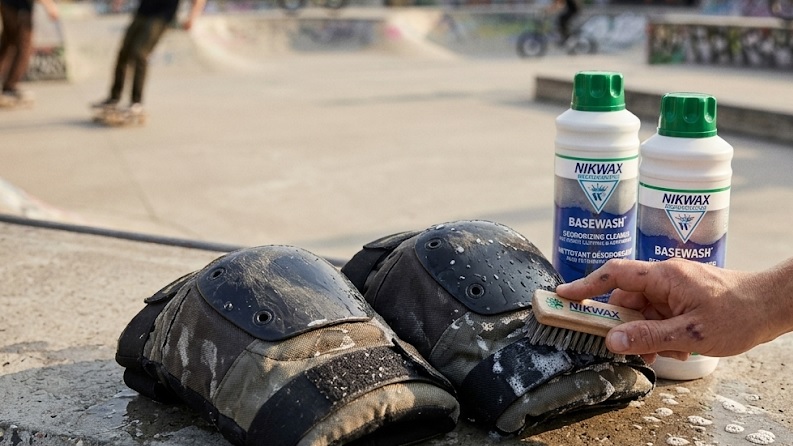
Nikwax BaseWash for Technical Fabrics – Best Overall Choice
This pH-neutral sports detergent is specifically designed to remove sweat and bacteria without breaking down foam or glue. It is the best option for preserving the integrity of high-density padding. Ideal for weekly maintenance washes on all skating knee pads.
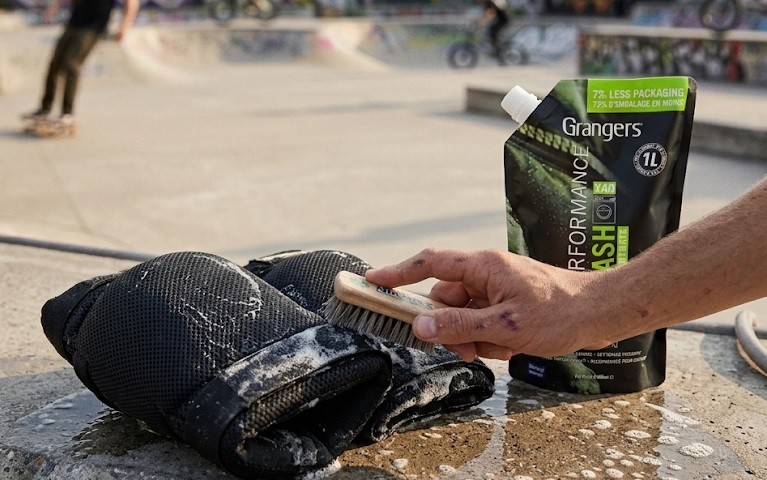
Grangers Performance Wash – Best for Odor Control
Formulated to eliminate deep-set odors while maintaining the elasticity of neoprene and foam, this cleaner is highly recommended for aggressive skaters. It uses enzyme technology to break down organic residue. A perfect choice for pads used in high-sweat, long-session environments.
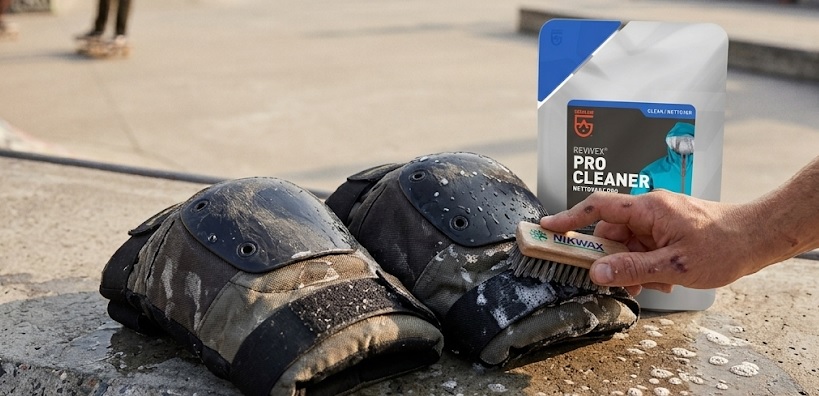
ReviveX Pro Cleaner – Best for Deep Cleaning
This spray-on, rinse-off solution targets embedded dirt and salt stains without requiring aggressive scrubbing that damages padding. It is the best option for restoring heavily soiled pads after outdoor sessions. Excellent for pads with removable or sewn-in foam cores.
Why Standard Washing Machine Cycles Ruin Knee Pad Foam
Most skaters toss their knee pads into a washing machine without a second thought. This single mistake is the leading cause of premature padding failure and delamination.
The Mechanical Damage Problem
Aggressive agitation from a top-loading machine breaks down the closed-cell foam structure inside your pads. The constant twisting and pounding creates permanent compression points that never recover.
- Foam collapse: High-speed spin cycles crush air pockets that provide impact absorption
- Glue failure: Heat and tumbling cause adhesives to weaken, separating foam from fabric
- Shape distortion: Pads lose their anatomical fit, leading to slipping during skating
The Water Temperature Trap
Hot water feels like a good idea for killing bacteria, but temperatures above 86°F (30°C) soften foam adhesives. This causes the padding to shift inside the pad cover, creating dangerous thin spots.
Cold water is the only safe option. It removes sweat effectively without compromising the structural integrity of the foam core or the outer shell stitching.
Detergent Residue Buildup
Standard laundry detergents contain enzymes, brighteners, and softeners that cling to foam pores and attract dirt. Over time, this residue traps bacteria and creates a crusty, less absorbent pad surface.
Even a single wash with fabric softener can leave a film that permanently reduces the foam’s ability to compress and rebound during impacts.
Step-by-Step Guide to Hand Washing Knee Pads Safely
Hand washing is the only method that guarantees your padding stays intact and functional. Follow this precise process to remove grime without causing damage.
Step 1: Pre-Treatment and Spot Cleaning
Fill a sink with cool water (below 86°F) and add a capful of sports-specific detergent. Submerge your knee pads and let them soak for 10 minutes to loosen surface dirt and sweat crystals.
- Target stains: Use a soft-bristled brush on hard plastic caps and fabric edges
- Avoid scrubbing foam: Direct pressure on padding causes permanent compression
- Check for debris: Remove any gravel or sand stuck in velcro straps first
Step 2: Gentle Agitation Technique
Swish the pads gently through the water using your hands. Do not wring, twist, or squeeze the foam sections—this breaks the internal cell structure irreversibly.
Focus your gentle squeezing motion on the fabric straps and plastic caps only. Let the water flow through the padding naturally rather than forcing it.
Step 3: Rinsing Without Residue
Drain the soapy water and refill the sink with fresh cool water. Rinse thoroughly until no suds remain, as detergent residue attracts dirt and breeds bacteria.
Repeat the rinse cycle at least twice. Press the pads gently against the sink wall to expel excess water without twisting the foam core.
Step 4: Proper Drying Method
Lay the pads flat on a clean towel in a well-ventilated area away from direct sunlight. Never use a dryer, radiator, or hairdryer—heat melts foam and warps plastic caps.
Allow 24-48 hours for complete drying. Flip the pads once halfway through to ensure airflow reaches all foam layers evenly.
Common Mistakes That Destroy Knee Pad Padding Fast
Even careful skaters make errors that silently degrade their knee pads over time. Avoiding these five common pitfalls will double the lifespan of your protective gear.
Using Bleach or Harsh Chemicals
Bleach and ammonia-based cleaners dissolve the molecular bonds in polyurethane foam. This turns your padding into a crumbly, brittle mess that offers zero impact protection.
- Safe alternatives: White vinegar diluted 1:4 with water works as a natural disinfectant
- Baking soda paste: Mix with water for stubborn odor spots without chemical damage
Machine Drying on Any Setting
Even a no-heat air cycle in a dryer causes constant tumbling that compresses foam fibers. The repetitive impact against the drum walls flattens padding unevenly and permanently.
Many skaters assume air-dry settings are safe. They are not. The mechanical action alone destroys the loft and rebound of closed-cell foam within three cycles.
Storing Pads While Still Damp
Throwing wet knee pads into a gym bag creates the perfect breeding ground for mold, mildew, and odor-causing bacteria. These microorganisms eat away at foam structure from the inside out.
Always ensure pads are 100% dry before storage. A simple squeeze test—no moisture should appear when pressing the foam firmly—confirms readiness for storage.
Using Fabric Softener or Dryer Sheets
Fabric softener coats foam pores with a waxy film that blocks airflow and reduces breathability. This film also traps sweat against your skin, accelerating bacterial growth and pad deterioration.
| Mistake | Damage Caused | Prevention Method |
|---|---|---|
| Bleach use | Foam crumbles | Use vinegar solution |
| Machine drying | Permanent compression | Air dry flat only |
| Damp storage | Mold growth | Dry 24+ hours first |
How Often to Wash Skating Knee Pads Based on Usage
Washing frequency directly impacts padding longevity. Wash too often and you accelerate wear. Wash too little and bacteria degrades the foam from within.
Daily or Heavy-Use Skaters (4+ Sessions Per Week)
These pads accumulate significant sweat, salt, and bacteria buildup that breaks down foam quickly. A weekly deep hand wash is essential to prevent permanent odor and material degradation.
- Spot clean: Wipe down plastic caps and straps after every session with a damp cloth
- Air out: Always let pads dry completely between sessions to slow bacterial growth
Weekly or Recreational Skaters (1-3 Sessions Per Week)
A bi-weekly washing schedule works best for moderate use. Over-washing at this frequency causes unnecessary foam stress without providing additional cleaning benefits.
Focus on preventative care instead. Spray pads with a diluted vinegar solution after each session to neutralize odor without full washing cycles.
Occasional or Indoor Skaters (1-2 Sessions Per Month)
Monthly washing is sufficient for light use. Dry brushing the fabric surface removes dust and dead skin cells without exposing foam to water unnecessarily.
Store pads in a breathable mesh bag rather than a sealed plastic container. This prevents moisture buildup that causes mildew between infrequent washes.
| Usage Level | Wash Frequency | Quick Maintenance |
|---|---|---|
| Heavy (4+ weekly) | Every 7 days | Wipe after each session |
| Moderate (1-3 weekly) | Every 14 days | Vinegar spray between washes |
| Light (1-2 monthly) | Every 30 days | Dry brush before storage |
How to Remove Stubborn Odors Without Damaging Foam
Deep-set odors indicate bacteria has penetrated the foam core. Standard washing often fails to eliminate these smells, but aggressive treatments can destroy padding.
The Baking Soda Overnight Method
After washing and drying your pads, place them in a sealed plastic bag with one cup of baking soda. Shake gently to coat all surfaces, then let them sit for 12-24 hours.
- How it works: Baking soda absorbs odor molecules without chemical reactions that harm foam
- Removal: Shake off excess powder and wipe with a dry cloth—no rinsing needed
White Vinegar Soak for Deep Bacteria
Mix one part white vinegar with four parts cool water in a sink. Submerge your knee pads for 30 minutes maximum—longer soaks can weaken adhesive bonds in the padding.
Vinegar’s acetic acid neutralizes ammonia-based sweat compounds and kills bacteria. The smell disappears completely once the pads are dry, leaving no vinegar residue behind.
Activated Charcoal Inserts
Place activated charcoal sachets inside your knee pads during storage. These absorb moisture and odors continuously without any contact with water or chemicals.
Replace charcoal sachets every three months for consistent odor control. This method works especially well for skaters who alternate between multiple pairs of pads.
| Method | Time Required | Foam Safety |
|---|---|---|
| Baking soda | 12-24 hours | 100% safe |
| Vinegar soak | 30 minutes | Safe if limited |
| Charcoal inserts | Continuous | 100% safe |
When to Replace Skating Knee Pads Instead of Washing
No amount of careful washing can restore foam that has reached the end of its lifespan. Knowing when to replace your pads is critical for your safety on ramps and rails.
Visible Signs of Foam Degradation
If you notice visible cracking, crumbling, or permanent flattening of the foam, the padding has lost its impact-absorbing properties. Washing cannot reverse structural breakdown of the cellular foam matrix.
- Surface cracks: Small fissures on the foam surface indicate dry rot from age or heat exposure
- Permanent dents: Indentations that remain after pressing indicate collapsed air cells
Loss of Fit and Stability
Knee pads that slide around during skating or fail to stay centered on your kneecap have likely outlived their useful life. Worn elastic and compressed foam cannot provide reliable protection.
Test your pads by putting them on and performing a deep lunge. If the pad shifts more than one inch from your kneecap center, it is time for a replacement.
Persistent Odor After Deep Cleaning
If you have followed the baking soda and vinegar methods but strong odors return within days, bacteria has colonized deep inside the foam core. No surface cleaning can fix this internal contamination.
Bacteria that penetrates the foam also breaks down the material from within. Continuing to use these pads risks skin infections and reduced impact protection.
| Warning Sign | What It Means | Action Required |
|---|---|---|
| Crumbling foam | Material breakdown | Replace immediately |
| Pad slippage | Compressed padding | Replace within 1 week |
| Persistent odor | Internal bacteria | Replace within 1 month |
How to Dry Knee Pads Fast Without Using Heat
Slow air drying is safest, but sometimes you need your pads ready for tomorrow’s session. These methods accelerate drying without exposing foam to damaging heat.
The Towel Press Technique
After rinsing, lay your knee pads on a dry, clean towel and roll it up tightly. Press down firmly along the entire roll to absorb excess moisture from the foam core.
- Repeat process: Unroll, reposition pads on a dry section, and roll again for maximum water removal
- Time saved: This method removes 60-70% of moisture, cutting drying time from 48 hours to 12-16 hours
Fan-Assisted Air Circulation
Place your damp pads on a drying rack in front of a standard oscillating fan set to medium speed. The constant airflow evaporates moisture without the heat that damages foam.
Position the fan 3-4 feet away from the pads. Too close creates uneven drying that can warp the foam shape and compromise fit.
Dehumidifier Room Drying
Running a dehumidifier in a small, closed room with your pads on a rack creates an ideal low-humidity environment. This method works best in bathrooms or laundry rooms.
Combine this with the towel press technique for the fastest safe drying. Pads are typically bone dry within 8-10 hours using this combination approach.
| Method | Drying Time | Foam Safety |
|---|---|---|
| Towel press + fan | 12-16 hours | 100% safe |
| Fan only | 18-24 hours | 100% safe |
| Dehumidifier room | 8-10 hours | 100% safe |
Conclusion: Master How to Wash Skating Knee Pads Without Ruining the Padding
Hand washing with cold water and sports-specific detergent is the only safe method. Avoid machine washing, heat drying, and harsh chemicals at all costs.
Your knee pads protect your joints every single session. Treat them with the same care you give your skates and helmet for maximum safety and longevity.
Apply these proven methods starting with your next wash. Your padding will stay responsive, odor-free, and protective for hundreds of skating sessions to come.
Frequently Asked Questions about How to Wash Skating Knee Pads Without Ruining the Padding
Can I wash skating knee pads in a washing machine?
It is strongly discouraged. Top-loading machines with central agitators crush and twist foam padding, causing permanent compression and delamination from the fabric shell.
If you absolutely must use a machine, select a front-loader on the delicate cycle with cold water only. Place pads in a mesh laundry bag and skip the spin cycle entirely.
What is the best way to dry knee pads after washing?
Air drying flat on a clean towel in a well-ventilated room is the safest method. Never use a dryer, radiator, hairdryer, or direct sunlight, as heat destroys foam structure.
For faster drying, press the pads between dry towels to remove excess moisture. Then place them in front of a fan on medium speed for 12-16 hours until completely dry.
How often should I wash my skating knee pads?
Heavy skaters training four or more times per week should wash their pads every seven days. Recreational skaters with one to three weekly sessions can wash every two weeks.
Occasional skaters only need monthly washes. Over-washing stresses foam unnecessarily, while under-washing allows bacteria to degrade padding from the inside out.
What cleaning products are safe for knee pad foam?
Sports-specific detergents like Nikwax BaseWash or Grangers Performance Wash are ideal. These pH-neutral formulas remove sweat and bacteria without breaking down foam or adhesives.
White vinegar diluted 1:4 with water works as a natural disinfectant for odor control. Never use bleach, fabric softener, or standard laundry detergent on knee pad padding.
How do I remove bad odors from knee pads permanently?
Start with a thorough hand wash using sports detergent. Then place the dry pads in a sealed bag with one cup of baking soda for 12-24 hours to absorb deep odors.
For persistent smells, soak pads in a 1:4 vinegar-water solution for 30 minutes maximum. Activated charcoal sachets placed inside pads during storage provide continuous odor prevention.
Why do my knee pads smell even after washing?
Bacteria has likely penetrated deep into the foam core where surface washing cannot reach. Standard cleaning removes surface grime but fails to kill bacteria living inside the padding.
Try the baking soda overnight method first. If odors return within days, the foam is internally contaminated and the pads need replacement for hygiene and safety reasons.
Can I use fabric softener on my knee pads?
Never use fabric softener on knee pads. It coats foam pores with a waxy film that blocks airflow, traps sweat against your skin, and accelerates bacterial growth.
This film also reduces the foam’s ability to compress and rebound during impacts. The result is less effective shock absorption and faster overall padding deterioration.
How do I know when my knee pads need replacing?
Replace pads immediately if you see cracking, crumbling, or permanent flattening of the foam. These signs indicate the padding has lost its impact-absorbing properties completely.
Other replacement triggers include pads that slide during skating, persistent odors after deep cleaning, or visible separation between foam and fabric. Never compromise on safety equipment condition.
Comments are closed.