Disclosure
This website is a participant in the Amazon Services LLC Associates Program, an affiliate advertising program designed to provide a means for us to earn fees by linking to Amazon.com and affiliated sites.
Choosing between recreational vs fitness inline skates comes down to your skating goals. The primary difference lies in wheel size, boot support, and bearing speed, which directly impact your comfort and performance. Understanding this distinction is the first step to finding the perfect pair for your needs.
This complete guide breaks down the key differences between these two skate categories. You will learn which type suits your skill level, where to use them, and expert tips for making the right purchase. Keep reading to discover the proven method for selecting your ideal skates.
Best Recreational and Fitness Inline Skates – Detailed Comparison
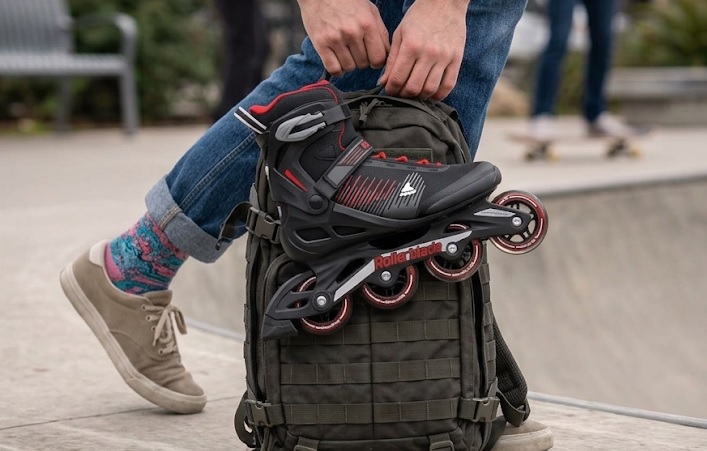
Rollerblade Zetrablade Elite – Best Overall Fitness Skate
The Rollerblade Zetrablade Elite features a supportive hard boot with a 243mm frame and 80mm/82A wheels. Its SG9 bearings offer smooth, fast rolling for long fitness sessions. This is the best option for beginners and intermediates seeking stability and speed on paved trails.
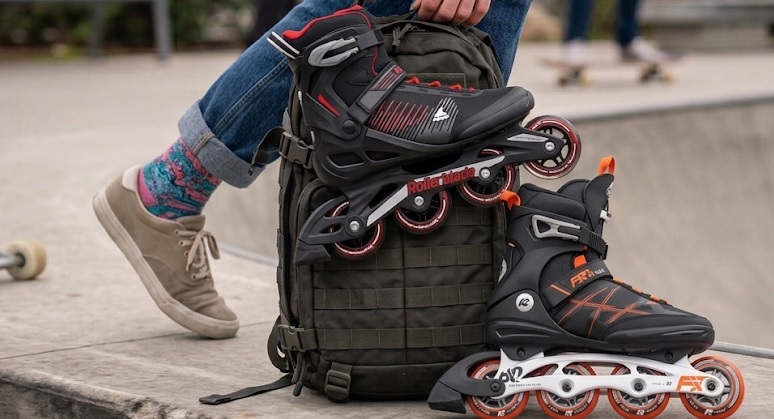
K2 F.I.T. 84 Boa – Best for All-Day Comfort
The K2 F.I.T. 84 Boa uses a soft boot design with a Boa lacing system for a custom, secure fit. It pairs 84mm/85A wheels with a ventilated liner to reduce fatigue. Ideal for recreational skaters who prioritize breathability and convenience during casual rolls.
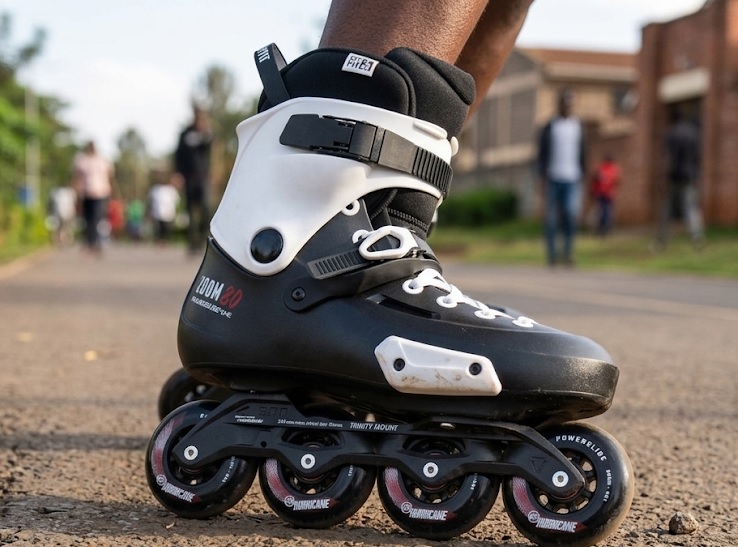
Powerslide Zoom Pro 80 – Best for Urban Skating
The Powerslide Zoom Pro 80 features a reinforced hard shell boot and Trinity frame mounting for superior power transfer. Its 80mm/88A wheels handle rough pavement and city streets with ease. This is the recommended choice for skaters who need durability and maneuverability.
Key Differences Between Recreational and Fitness Inline Skates
Understanding the core design differences helps you match the skate to your intended activity. Recreational skates prioritize comfort and stability, while fitness skates focus on speed and efficiency. Your choice directly affects your experience on the pavement.
Boot Design and Support Levels
Recreational skates typically use a soft boot with minimal ankle support for casual cruising. Fitness skates feature a stiffer, higher cuff that transfers energy better for longer distances. This support reduces fatigue but requires a short break-in period.
- Recreational boots: Flexible, breathable mesh for easy turns and relaxed skating.
- Fitness boots: Reinforced plastic or carbon composite for maximum power transfer.
Wheel Size and Hardness Impact
Wheel diameter and durometer dictate speed and grip on different surfaces. Smaller, softer wheels offer more control for beginners on smooth paths. Larger, harder wheels roll faster and handle cracks better for fitness training.
| Feature | Recreational | Fitness |
|---|---|---|
| Wheel Size | 72-80mm | 84-110mm |
| Hardness | 78A-82A | 82A-85A |
| Best Surface | Smooth pavement | Rough trails |
Bearing Quality and Speed
Bearings determine how long you glide after each push. Recreational skates use ABEC 3 or 5 bearings for moderate speed on short trips. Fitness skates upgrade to ABEC 7 or 9 bearings for sustained rolling on long distances.
How to Choose Between Recreational and Fitness Skates for Your Skill Level
Your skating experience directly determines which skate type will serve you best. Beginners often feel more confident in recreational skates, while advanced skaters benefit from fitness models. Matching the skate to your ability prevents frustration and injury.
Best Skates for Absolute Beginners
New skaters need stable, forgiving equipment that builds confidence quickly. Recreational skates with smaller 72-76mm wheels and softer boots offer easier balance and control. These models also include brake systems that are more responsive for learning stops.
- Start with recreational skates for the first 3-6 months of practice.
- Focus on basic skills like gliding, turning, and stopping on flat surfaces.
- Upgrade to fitness skates only after you can skate 3 miles without falling.
When to Transition to Fitness Skates
Intermediate skaters should switch when recreational skates limit their speed or distance. You are ready for fitness skates when you consistently skate 5+ miles per session. The stiffer boot and larger wheels will unlock faster, more efficient strides.
Matching Skates to Your Primary Activity
Your intended skating environment is the final deciding factor. Recreational skates excel on smooth, flat bike paths and rinks. Fitness skates are designed for rough pavement, hills, and long-distance endurance training.
Durability and Maintenance Differences Between Skate Types
Recreational and fitness skates have different construction quality that affects their lifespan. Fitness skates use higher-grade materials to withstand the stress of speed and distance. Understanding these differences helps you budget for long-term ownership.
Frame Materials and Longevity
Recreational skates typically feature aluminum or composite frames that are adequate for casual use. Fitness skates upgrade to reinforced aluminum or carbon fiber for superior rigidity. A stiffer frame transfers more energy into each stride and resists bending over time.
- Recreational frames: Lightweight but prone to flex under heavy pushing.
- Fitness frames: Heavier but offer zero flex for maximum efficiency.
- Lifespan difference: Fitness frames last 2-3 times longer than recreational models.
Wheel and Bearing Replacement Cycles
Softer recreational wheels wear out faster but provide a smoother ride on smooth surfaces. Harder fitness wheels resist flat spots and last longer on rough pavement. Bearing quality also varies significantly, with fitness models requiring less frequent replacement.
| Component | Recreational | Fitness |
|---|---|---|
| Wheel lifespan | 3-6 months | 6-12 months |
| Bearing replacement | Every 6 months | Every 12-18 months |
| Annual maintenance cost | $40-$60 | $60-$100 |
Cleaning and Care Requirements
Recreational skates need regular cleaning of bearings and wheels due to slower speeds. Fitness skates accumulate more debris from high-speed rolling on dirty trails. Both types benefit from monthly bearing lubrication and wheel rotation for even wear.
Price Comparison and Value for Recreational vs Fitness Skates
Budget plays a major role when deciding between recreational and fitness inline skates. Recreational models are significantly cheaper, while fitness skates demand a higher investment. Knowing what you get for your money ensures a smart purchase.
Entry-Level Pricing for Recreational Skates
Quality recreational skates typically range from $80 to $150 for reliable models. This price includes basic aluminum frames, ABEC 3-5 bearings, and 72-80mm wheels. You get adequate performance for weekend skating without breaking the bank.
- $80-$100: Basic soft boots with plastic frames and slow bearings.
- $100-$130: Better liners, aluminum frames, and ABEC 5 bearings.
- $130-$150: Improved ankle support and slightly larger wheels.
Mid-Range and Premium Fitness Skate Costs
Fitness skates start around $180 and exceed $400 for high-end models. The extra cost covers reinforced boots, ABEC 7-9 bearings, and larger 84-110mm wheels. You also get better ventilation and removable liners for hygiene.
| Price Tier | Recreational | Fitness |
|---|---|---|
| Entry | $80-$150 | $180-$250 |
| Mid-Range | $150-$200 | $250-$350 |
| Premium | N/A | $350-$500 |
Long-Term Value and Resale Considerations
Fitness skates hold their value better due to higher build quality and brand reputation. Recreational skates depreciate quickly because softer components wear out faster. Investing in fitness skates makes financial sense if you skate regularly for exercise.
Where to Buy Recreational and Fitness Inline Skates
Choosing the right retailer is just as important as picking the right skate model. Specialized shops offer expert fitting, while online stores provide wider selection and lower prices. Your purchase location affects warranty support and long-term satisfaction.
Buying from Local Skate Shops
Local shops allow you to try on recreational and fitness inline skates before buying. Staff can measure your feet, check for pressure points, and recommend the correct size. This hands-on experience is invaluable for beginners who need proper boot fit guidance.
- Try before you buy: Test multiple brands and sizes in person.
- Expert advice: Get personalized recommendations for your skill level.
- In-store support: Receive free adjustments and break-in tips.
Online Retailers and Direct-to-Consumer Brands
Online stores like Inline Warehouse and Amazon offer competitive pricing on popular models. Many brands now sell directly to consumers, cutting out middlemen and reducing costs. Look for retailers with free returns and size exchange policies.
| Retailer Type | Pros | Cons |
|---|---|---|
| Local shop | Expert fitting, immediate support | Higher prices, limited stock |
| Online store | Lower prices, huge selection | No try-on, shipping delays |
| Direct brand | Best warranty, newest models | Limited return windows |
What to Look for in a Reliable Seller
Always check the retailer’s return policy before purchasing recreational or fitness skates. Reputable sellers offer at least a 30-day return window for unused skates. Read customer reviews about sizing accuracy and customer service responsiveness.
Common Mistakes When Choosing Recreational vs Fitness Skates
Many skaters make costly errors when selecting between recreational and fitness inline skates. These mistakes often lead to discomfort, poor performance, or wasted money. Avoiding these pitfalls ensures you get the right skates from the start.
Buying Fitness Skates as a Complete Beginner
New skaters often assume fitness models are better because they cost more. In reality, the stiffer boot and larger wheels make balancing much harder for beginners. This choice frequently leads to frustration and a higher risk of falling.
- Mistake: Thinking expensive equals better for learning.
- Result: Slower progress and potential injury from loss of control.
- Solution: Start with recreational skates for the first 3-6 months.
Ignoring Boot Fit and Sizing Differences
Recreational and fitness skates fit differently due to their intended use and support levels. Fitness boots run narrower to lock the heel for efficient power transfer. Buying the wrong size causes blisters, numbness, or heel lift during skating.
| Fit Issue | Recreational | Fitness |
|---|---|---|
| Width | Wider, more forgiving | Narrower, performance fit |
| Length | True to shoe size | Often 0.5 size smaller |
| Break-in | Minimal, immediate comfort | 5-10 hours needed |
Choosing Based on Looks Instead of Function
Flashy colors and aggressive styling often attract skaters to the wrong category. A sleek fitness skate may look fast but feel terrible for casual park skating. Prioritize function over fashion by matching the skate to your actual activity.
Safety Gear Recommendations for Recreational and Fitness Skating
Proper safety gear is essential regardless of whether you choose recreational or fitness inline skates. The type of skating you do determines which protective equipment you need most. Investing in quality gear prevents injuries and builds confidence on wheels.
Essential Protection for Recreational Skaters
Casual skaters on smooth paths should prioritize wrist guards and knee pads. Falls happen at lower speeds, making wrist fractures the most common injury for beginners. A well-fitting helmet is also mandatory for protecting against unexpected obstacles.
- Wrist guards: Prevent sprains and breaks during forward falls.
- Knee pads: Absorb impact when learning to stop and turn.
- Helmet: Look for CPSC or ASTM certification for impact protection.
Advanced Gear for Fitness Skaters
High-speed fitness skating requires more robust protection against road rash and impact. Slide gloves allow experienced skaters to perform emergency stops without hand injury. Consider padded shorts for long-distance sessions to protect your tailbone.
| Gear Item | Recreational Use | Fitness Use |
|---|---|---|
| Helmet | Basic bike helmet | Aerodynamic skate helmet |
| Knee pads | Soft foam caps | Hard shell with sliding surface |
| Gloves | Lightweight palm pads | Full slide gloves with pucks |
When to Replace Safety Equipment
Safety gear degrades over time and after significant impacts. Replace your helmet after any hard fall, even if no cracks are visible. Wrist guards and knee pads should be replaced every 1-2 years depending on usage frequency.
Conclusion: Choosing Between Recreational and Fitness Inline Skates
Selecting the right skates comes down to your skill level and skating goals. Recreational skates offer comfort and stability for casual fun, while fitness skates deliver speed and efficiency for serious workouts. Both types excel in their intended environments.
Start with recreational skates if you are a beginner skating under 5 miles per session. Upgrade to fitness skates once you can confidently cover longer distances at higher speeds. Your perfect pair is waiting—choose wisely and enjoy every glide.
Frequently Asked Questions about Recreational vs Fitness Inline Skates
What is the main difference between recreational and fitness inline skates?
The primary difference lies in boot stiffness, wheel size, and bearing quality. Recreational skates have soft, flexible boots with smaller 72-80mm wheels for stability and comfort. Fitness skates feature stiff, supportive boots with larger 84-110mm wheels for speed and efficiency.
Recreational skates prioritize casual cruising and easy maneuverability. Fitness skates are designed for longer distances, higher speeds, and more intense workouts. Your choice depends entirely on how you plan to skate.
Which type of inline skate is better for beginners?
Recreational skates are significantly better for absolute beginners learning basic skills. The softer boot provides more ankle flexibility, while smaller wheels offer greater stability and control at low speeds. These features make learning to balance and stop much easier.
Fitness skates are too advanced for newcomers and can actually slow down progress. Beginners should spend at least 3-6 months on recreational skates before considering an upgrade. This foundation builds confidence and proper technique safely.
Can I use recreational skates for fitness workouts?
You can use recreational skates for light fitness activity, but they have clear limitations. The smaller wheels require more effort to maintain speed over longer distances. Soft boots also provide less energy transfer, making each stride less efficient.
For serious fitness skating covering 5-10 miles per session, fitness skates are strongly recommended. They reduce fatigue and allow you to maintain higher speeds with less effort. Recreational skates work best for casual 1-3 mile outings.
How do I know if I need fitness skates instead of recreational?
You should consider fitness skates when recreational models start limiting your performance. Signs include feeling unstable at higher speeds, wanting to skate longer distances, or experiencing foot fatigue from soft boots. If you skate 5+ miles consistently, fitness skates are the right choice.
Another indicator is when you crave more speed and efficiency. Fitness skates with larger wheels and better bearings unlock faster, smoother strides. Make the switch when your current skates no longer challenge you.
Are fitness inline skates worth the higher price?
Fitness skates are worth the investment if you skate regularly for exercise or long distances. The higher-quality materials last 2-3 times longer than recreational components. Better bearings and wheels also reduce replacement frequency, lowering long-term costs.
For casual skaters who skate once or twice per month, recreational skates offer better value. The lower upfront cost matches the lighter usage without sacrificing comfort. Evaluate your skating frequency before deciding on the budget.
What size should I buy for recreational vs fitness skates?
Recreational skates typically fit true to your regular shoe size with a wider, more forgiving fit. Fitness skates often run half a size smaller and have a narrower performance fit. Always measure your foot length in centimeters and check the brand’s specific size chart.
Fitness skates require a snug heel lock to prevent blisters during long sessions. Recreational skates can have a bit more room for casual comfort. Trying skates on in person is ideal, but online buyers should prioritize return-friendly retailers.
How often should I replace wheels on each skate type?
Recreational skate wheels with softer 78A-82A durometer typically need replacement every 3-6 months. The softer compound grips well but wears down faster on rough pavement. Regular rotation extends wheel life by promoting even wear across all four wheels.
Fitness skate wheels with harder 82A-85A durometer last 6-12 months before needing replacement. The harder compound resists flat spots and abrasion better during high-speed skating. Inspect wheels monthly for uneven wear or visible flat edges.
Can I upgrade recreational skates to perform like fitness skates?
You can upgrade wheels and bearings on recreational skates for modest performance gains. Installing larger wheels and higher-rated bearings improves speed and glide noticeably. However, the soft boot and frame limitations remain, capping overall performance potential.
Upgrading components costs $50-$100, which may be better saved toward dedicated fitness skates. The boot stiffness and frame rigidity of true fitness skates cannot be replicated through upgrades. Consider component upgrades only as a temporary solution before purchasing proper fitness skates.
Comments are closed.