Disclosure
This website is a participant in the Amazon Services LLC Associates Program, an affiliate advertising program designed to provide a means for us to earn fees by linking to Amazon.com and affiliated sites.
ASTM certified means a skating helmet has passed rigorous safety tests set by the American Society for Testing and Materials. This certification guarantees your helmet meets specific impact and retention standards for skating. It is the primary benchmark for reliable head protection.
This complete guide explains the exact testing requirements behind the ASTM label. You will learn how to verify certification, compare it to other safety standards, and choose a helmet that truly protects. Keep reading for expert tips on making a safer purchase.
Best ASTM Certified Skating Helmets for Maximum Protection
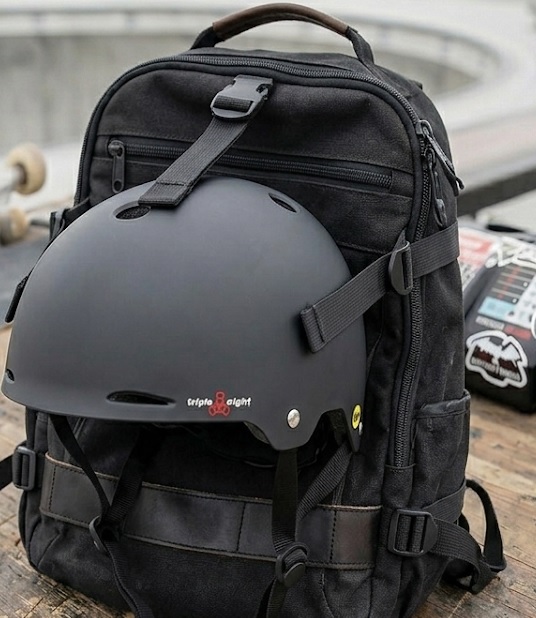
Triple Eight Dual Certified MIPS Helmet – Best Overall Choice
This helmet features Dual Certification for both ASTM F1492 (skateboarding) and CPSC (biking). The MIPS liner reduces rotational forces during angled impacts. Ideal for park skating and street riding, it offers a snug fit with 16 ventilation holes for airflow.
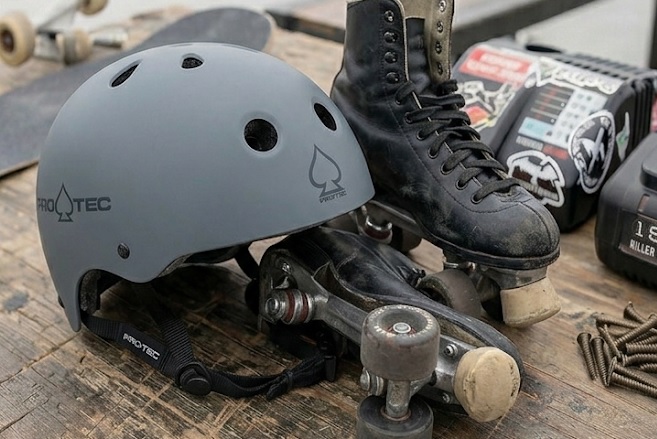
Pro-Tec Classic Skate Helmet – Best Budget Option
A timeless design with ASTM F1492 certification for hard-shell protection. The ABS outer shell and EPS foam liner absorb repeated impacts effectively. Best for beginner skaters seeking reliable safety without breaking the bank.
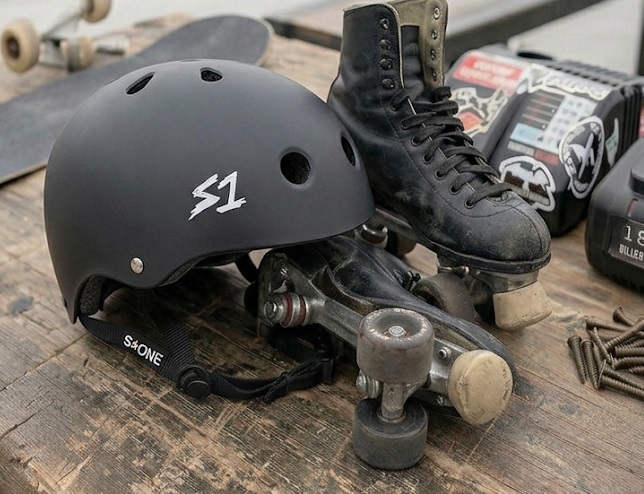
S1 Lifer Helmet – Best for High-Impact Skating
Engineered with Multi-Impact EPS liner and a tough fiberglass shell. This helmet exceeds ASTM standards with superior energy absorption. Recommended for aggressive skaters and vert ramp use, it provides unmatched durability and comfort.
Understanding ASTM F1492: The Skating Helmet Safety Standard
The ASTM F1492 standard specifically tests helmets for skateboarding, roller skating, and aggressive sports. It differs from bike helmet standards by simulating multiple low-energy impacts common in skating falls. This makes it the correct certification for skaters.
How ASTM Testing Works for Skating Helmets
Helmets are dropped onto a flat anvil and a curb-shaped anvil at specific heights. The test measures how much impact force reaches the headform inside. For ASTM F1492, helmets must survive two impacts at the same point without failing.
- Flat anvil test: Simulates falling on a flat surface like concrete
- Curb anvil test: Mimics hitting a sharp edge like a skate park ledge
- Retention system test: Checks the chin strap holds under sudden force
ASTM vs. CPSC: What Skaters Must Know
CPSC certification is for bicycle helmets and tests only a single impact. A skate helmet with dual certification (ASTM + CPSC) offers flexibility for skaters who also bike. However, a single-impact CPSC helmet is not safe for repeated skating falls.
Key Takeaway: Always look for the ASTM F1492 label inside your helmet. It confirms the helmet can withstand multiple impacts common in skateboarding and roller skating. Never substitute a bike-only helmet for skating.
How to Verify ASTM Certification on Your Skating Helmet
Finding the ASTM label is the first step, but knowing what to look for ensures you are buying genuine protection. Counterfeit helmets sometimes fake certification marks. Follow these steps to confirm your helmet is truly safe.
Locating the Official ASTM Sticker
Every certified helmet has a permanent label inside the shell or on the foam liner. Look for the exact phrase “ASTM F1492” or “ASTM F1492-08” (the year denotes the standard version). The label must be sewn into the straps or glued permanently, not on a removable tag.
- Check the foam liner: The standard number is often printed directly on the EPS foam
- Inspect the chin strap: Some brands sew a fabric label with certification details here
- Verify with the manufacturer: Contact the brand if the label is missing or unclear
Common Certification Marks You Will Find
Many helmets carry multiple safety certifications for different activities. A helmet labeled ASTM F1492 + CPSC is suitable for both skating and biking. A helmet with only CE EN 1078 is a European standard and may not meet US skating requirements.
| Certification | Activity | Impact Test Type |
|---|---|---|
| ASTM F1492 | Skateboarding, roller skating | Multi-impact |
| CPSC | Bicycling | Single-impact |
| CE EN 1078 | Cycling, skateboarding (EU) | Single-impact |
Key Takeaway: The ASTM F1492 sticker must be permanently attached and clearly visible. If you see only a CPSC sticker, the helmet is not certified for repeated skating impacts. Always prioritize multi-impact ASTM certification for skate parks.
When to Replace Your ASTM Certified Skating Helmet
Even the best ASTM certified helmet has a limited lifespan. The EPS foam liner compresses and degrades over time, reducing its ability to absorb impact. Knowing when to replace your helmet is critical for maintaining safety.
Replace After Any Significant Impact
ASTM F1492 helmets are designed for multiple impacts, but they are not indestructible. If you take a hard fall where your head hits the ground, inspect the helmet immediately. Look for cracks in the shell, crushed foam, or a loose fit after the crash.
- Visible cracks: Any crack in the outer shell means the helmet is compromised
- Compressed foam: If the EPS liner feels hard or shows dents, replace it
- Strap damage: Frayed or stretched straps may fail during a future fall
Time-Based Replacement Guidelines
Manufacturers typically recommend replacing a skate helmet every 3 to 5 years from the date of purchase. Even without a crash, UV exposure, sweat, and temperature changes weaken the materials over time. Check the manufacturing date sticker inside your helmet to track its age.
| Factor | Action Required |
|---|---|
| Hard impact or crash | Replace immediately |
| Helmet is 3-5 years old | Replace regardless of condition |
| Visible wear or damage | Replace before next use |
Key Takeaway: A helmet that has saved your head once should be retired. Always replace an ASTM certified helmet after a major impact or every 3-5 years. Your safety depends on the foam being fresh and uncompressed.
How to Properly Fit an ASTM Certified Skating Helmet
A helmet only protects you if it fits correctly. Even the best ASTM certified helmet will fail if it shifts or comes off during a fall. Follow these fitting steps to ensure maximum safety and comfort.
Measuring Your Head for the Correct Size
Use a soft measuring tape to find your head circumference. Place the tape one inch above your eyebrows and wrap it around the widest part of your head. Compare your measurement to the manufacturer’s size chart, as sizes vary between brands.
- Small: 20-21.5 inches (51-54 cm)
- Medium: 21.5-23 inches (55-58 cm)
- Large: 23-24.5 inches (59-62 cm)
The Five-Point Fit Check
Once the helmet is on, perform this quick test to confirm a secure fit. The helmet should sit level on your head, not tilted back or forward. It should not move more than one inch in any direction when you shake your head.
- Level: The front edge sits two finger-widths above your eyebrows
- Snug: The foam pads touch your cheeks and top of head without pressure points
- Straps: The chin strap forms a V shape just below your ears
- Buckle: The buckle clicks firmly and leaves one finger of space under your chin
- Movement: The helmet stays put when you nod or turn your head quickly
Key Takeaway: A loose helmet is almost as dangerous as no helmet at all. Always perform the five-point fit check before every skating session. If the helmet shifts during use, adjust the pads or straps immediately.
The Difference Between ASTM F1492 and ASTM F2040 for Skating
Many skaters confuse ASTM F1492 with ASTM F2040, which is the standard for snow sports helmets. While both are ASTM standards, they test for very different conditions and impact types. Using the wrong certification can leave you dangerously unprotected.
ASTM F1492: Designed for Hard Surfaces
This standard tests helmets against concrete and asphalt impacts at lower speeds with multiple hits. The test anvils are flat or curb-shaped to mimic skate park surfaces. It is the only appropriate certification for skateboarding, roller skating, and aggressive inline skating.
- Impact surface: Hard, unforgiving materials like concrete
- Impact count: Multiple hits at the same location
- Speed range: Low to moderate speeds typical of skating falls
ASTM F2040: Designed for Snow Sports
This standard tests helmets against high-speed impacts on snow and ice with a single, forceful blow. The test uses a hemispherical anvil to simulate rounded objects like tree branches or rocks. Snow helmets are also tested for cold temperature performance, which skating helmets are not.
| Feature | ASTM F1492 (Skating) | ASTM F2040 (Snow) |
|---|---|---|
| Impact surface | Flat and curb anvils | Hemispherical anvil |
| Impact type | Multiple low-energy hits | Single high-energy hit |
| Temperature test | Room temperature only | Cold temperature included |
Key Takeaway: Never use a snow sports helmet (ASTM F2040) for skateboarding. The single-impact design and different impact surface leave you vulnerable to repeated falls on concrete. Always choose ASTM F1492 for any wheeled sport.
Common Myths About ASTM Certified Skating Helmets Debunked
Misinformation about helmet safety standards is widespread in the skating community. Believing these myths can lead to poor purchasing decisions and increased injury risk. Let us separate fact from fiction with clear, evidence-based answers.
Myth 1: All Helmets Are the Same
This is false. A bike helmet (CPSC) and a skate helmet (ASTM F1492) are engineered for different impact scenarios. Bike helmets are designed for a single high-speed crash, while skate helmets handle multiple low-speed impacts. Using the wrong type compromises your safety significantly.
- Truth: ASTM F1492 helmets have thicker foam and a harder shell for repeated abuse
- Truth: CPSC-only helmets can crack after one skate park fall
- Truth: Always match the certification to your specific activity
Myth 2: A More Expensive Helmet Is Always Safer
Price does not equal protection. A $40 ASTM certified helmet passes the same impact tests as a $150 model. The extra cost often pays for features like better ventilation, lighter materials, or MIPS technology, not basic safety compliance.
| Feature | Affects Safety? | Affects Price? |
|---|---|---|
| ASTM F1492 sticker | Yes | Minimally |
| MIPS liner | Yes (rotational impact) | Yes |
| Brand name | No | Yes |
| Ventilation | No | Yes |
Myth 3: You Can Use a Helmet Indefinitely
Helmets have a finite lifespan even without crashes. The EPS foam degrades from UV exposure, sweat acidity, and temperature fluctuations. Manufacturers recommend replacement every 3-5 years regardless of visible condition.
Key Takeaway: Focus on the ASTM F1492 certification first, then consider extra features. A budget-friendly certified helmet is far safer than an expensive uncertified one. Replace your helmet every 3-5 years or after any hard impact.
How to Care for Your ASTM Certified Skating Helmet
Proper maintenance extends the life of your helmet and ensures it performs as intended. Neglecting care can accelerate foam degradation and weaken the shell. Follow these simple steps to keep your ASTM certified helmet in top condition.
Cleaning Your Helmet the Right Way
Use only mild soap and warm water to clean the outer shell and inner pads. Avoid harsh chemicals like bleach or ammonia, which can break down the EPS foam. Remove the liner pads if possible and wash them separately with gentle detergent.
- Do: Wipe the shell with a soft cloth and mild soap solution
- Do: Air dry the helmet completely away from direct sunlight
- Don’t: Submerge the helmet in water or use a washing machine
- Don’t: Use alcohol wipes or solvent-based cleaners
Proper Storage to Prevent Damage
Store your helmet in a cool, dry place away from extreme temperatures. Avoid leaving it in a hot car or direct sunlight, as heat can warp the shell and degrade the foam. Do not hang the helmet by the straps, as this can stretch them over time.
| Storage Location | Safe? | Why? |
|---|---|---|
| Indoor closet | Yes | Stable temperature and low UV exposure |
| Car trunk | No | Extreme heat can damage EPS foam |
| Garage shelf | Conditional | Only if temperature-controlled and dry |
| Skate bag | Yes | Provides padding and protection from scratches |
Key Takeaway: Treat your ASTM certified helmet with care to preserve its protective qualities. Clean it gently, store it properly, and never expose it to extreme heat or harsh chemicals. A well-maintained helmet performs better and lasts longer.
Conclusion: Why ASTM Certification Matters for Skating Safety
Choosing an ASTM certified skating helmet is the single most important safety decision you can make. It guarantees your head is protected from the repeated, low-speed impacts common in skateboarding and roller skating. Never compromise on this essential standard.
Always check for the ASTM F1492 label, ensure a proper fit, and replace your helmet every 3-5 years. Your brain is worth the investment. Ride safe and protect your head with the right gear.
Frequently Asked Questions about ASTM Certified Skating Helmets
What does ASTM certified mean for a skating helmet?
ASTM certified means the helmet passed safety tests set by the American Society for Testing and Materials. The specific standard for skating is ASTM F1492, which tests for multiple low-energy impacts on hard surfaces.
This certification ensures the helmet can withstand repeated falls common in skateboarding and roller skating. It is the industry benchmark for reliable head protection in wheeled sports.
How do I know if my skate helmet is ASTM certified?
Look for a permanent label inside the helmet shell or on the foam liner. The label must clearly state “ASTM F1492” or “ASTM F1492-08” and be sewn or glued permanently in place.
If the certification is printed on a removable tag or sticker, the helmet may not be authentic. Contact the manufacturer directly if you have any doubts about the certification.
Can I use a bike helmet for skateboarding?
No, you should not use a bike helmet for skateboarding. Bike helmets follow CPSC standards and are designed for a single high-speed impact, not repeated low-speed falls.
Using a bike helmet at a skate park can leave you vulnerable after the first crash. Always choose an ASTM F1492 certified helmet for any wheeled sport activity.
How often should I replace my ASTM certified skate helmet?
Replace your helmet every 3 to 5 years from the date of manufacture, even if it looks fine. The EPS foam degrades over time from UV exposure, sweat, and temperature changes.
You must also replace the helmet immediately after any significant impact. A helmet that has protected your head once may not protect you again.
What is the difference between ASTM F1492 and ASTM F2040?
ASTM F1492 is for skating and tests multiple impacts on flat and curb-shaped anvils. ASTM F2040 is for snow sports and tests single high-energy impacts on a rounded anvil.
Snow helmets are also tested for cold temperature performance, which skating helmets are not. Never substitute a snow helmet for a skate helmet, as the protection profiles differ completely.
Is a more expensive ASTM helmet safer than a cheap one?
No, price does not determine basic safety. A $40 ASTM certified helmet passes the same impact tests as a $200 model. Both meet the minimum safety standard required for protection.
Higher prices often pay for extra features like MIPS technology, better ventilation, or lighter materials. These features can improve comfort and rotational impact protection but do not replace the need for ASTM certification.
How should a properly fitted ASTM skate helmet feel?
A properly fitted helmet sits level on your head, about two finger-widths above your eyebrows. It should feel snug but not painful, with no more than one inch of movement in any direction.
The chin strap should form a V shape just below your ears with only one finger of space under the buckle. Perform the five-point fit check before every skating session to ensure safety.
Can I clean my ASTM certified helmet with chemicals?
No, you should avoid harsh chemicals like bleach, ammonia, or alcohol-based cleaners. These substances can break down the EPS foam and weaken the helmet’s protective capabilities.
Use only mild soap and warm water with a soft cloth to clean the shell and pads. Air dry the helmet completely away from direct sunlight before your next use.
Comments are closed.