Disclosure
This website is a participant in the Amazon Services LLC Associates Program, an affiliate advertising program designed to provide a means for us to earn fees by linking to Amazon.com and affiliated sites.
Multi-impact helmets are designed to withstand multiple collisions, while single-impact helmets are built for one major crash and must be replaced. The core difference lies in the foam technology: single-impact helmets use EPS foam that crushes permanently, whereas multi-impact models use rebounding foams like EPP. This distinction directly affects your safety, budget, and helmet lifespan.
In this complete guide, you will learn the proven methods for choosing between these two helmet types. We will cover the science behind each design, expert tips for inspection, and which activities require which standard. Keep reading to discover which helmet will best protect your head during your next ride, climb, or race.
Best Multi-Impact and Single-Impact Helmets for Cycling – Detailed Comparison
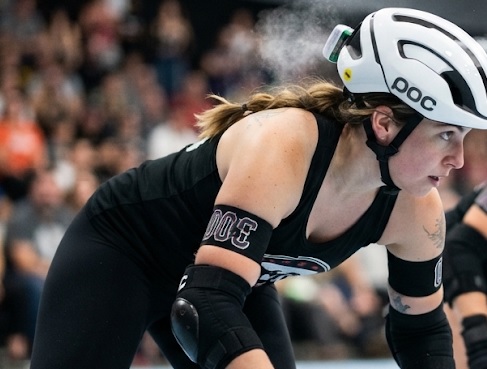
POC Omne Air MIPS – Best Overall Single-Impact Helmet
The POC Omne Air MIPS uses single-impact EPS foam with a MIPS rotational protection system. It weighs only 300 grams and offers excellent ventilation for road cycling. This is the best option for commuters and weekend riders who prioritize lightweight comfort and proven crash protection.
Smith Express MIPS – Best Budget Single-Impact Helmet
The Smith Express MIPS features a single-impact Koroyd core for energy absorption and a VaporFit adjustment system. It is ideal for casual riders seeking affordable safety. This recommended model provides reliable protection for under $100 without sacrificing ventilation or style.

POC VPD Air MIPS – Best Multi-Impact Helmet for Mountain Biking
The POC VPD Air MIPS uses multi-impact VPD (Viscoelastic Polymer Dough) foam that softens on impact and rebounds. It is the best option for mountain bikers who take repeated falls. This helmet offers superior protection for enduro and trail riding without needing replacement after every crash.

How Multi-Impact and Single-Impact Helmets Work: Core Technology Explained
Understanding the foam technology inside your helmet is crucial for making a safe choice. Each type uses a different material to absorb energy, which dictates whether the helmet can survive multiple hits or just one.
Single-Impact Helmets: EPS Foam Crush Design
Single-impact helmets use Expanded Polystyrene (EPS) foam. This foam is hard and brittle, designed to crush and crack upon impact to absorb energy. Once crushed, the foam cannot rebound or protect against a second hit. This is why manufacturers like Giro and Bell require replacement after any crash.
- Best for: Road cycling, commuting, and one-time crash scenarios.
- Key limitation: Must be discarded after any significant impact.
- Cost: Generally lighter and more affordable than multi-impact models.
Multi-Impact Helmets: EPP and VPD Rebounding Foam
Multi-impact helmets use Expanded Polypropylene (EPP) or Viscoelastic Polymer Dough (VPD). These materials are flexible and compress under force but bounce back to their original shape. This allows the helmet to handle multiple impacts without losing protective integrity.
- Best for: Mountain biking, skateboarding, and snow sports.
- Key advantage: Survives repeated falls, saving money over time.
- Trade-off: Heavier and typically less ventilated than single-impact helmets.
When to Choose Multi-Impact vs. Single-Impact Helmets: A Practical Guide
Your choice between helmet types depends entirely on your activity, crash frequency, and budget. Selecting the wrong type can either cost you unnecessary replacements or leave you unprotected during a second impact.
Single-Impact Helmets: The Right Choice for Road and Commute
Single-impact helmets are ideal for road cyclists and commuters who ride on predictable surfaces. These riders typically experience one major crash per accident, making EPS foam the perfect balance of safety and weight. Most road helmets weigh between 200 and 350 grams, offering superior ventilation for long rides.
- Road cycling: Lightweight design reduces neck fatigue on long climbs.
- Commuting: Affordable replacement cost after a single crash.
- Racing: Aerodynamic shapes improve speed without sacrificing safety.
Multi-Impact Helmets: Essential for Mountain Biking and Action Sports
Multi-impact helmets are crucial for mountain bikers, skateboarders, and snowboarders who fall repeatedly. A trail rider might crash multiple times during a single downhill run, where a single-impact helmet would fail on the second hit. Brands like POC and Smith offer multi-impact models that retain their protective properties after repeated abuse.
- Mountain biking: Survives rock strikes and tree impacts on rough trails.
- Skateboarding: Handles repeated pavement falls during trick practice.
- Snow sports: Protects against multiple hard falls on icy slopes.
Safety Standards and Certification: What Each Helmet Type Must Pass
Both multi-impact and single-impact helmets must meet strict safety standards, but the testing protocols differ significantly. Understanding these certifications helps you verify that your helmet provides genuine protection.
Single-Impact Certification: CPSC and EN 1078 Standards
Single-impact helmets are tested by dropping them onto a flat anvil from a specific height. The CPSC (Consumer Product Safety Commission) standard for cycling helmets requires a peak acceleration of less than 300 Gs. This test assumes the helmet will be replaced after one impact, which is why EPS foam is acceptable.
- CPSC 1203: Mandatory for all bicycle helmets sold in the United States.
- EN 1078: European standard for cycling and skateboarding helmets.
- ASTM F1447: Voluntary standard for recreational cycling helmets.
Multi-Impact Certification: ASTM F2040 and Snell B-95 Standards
Multi-impact helmets undergo repeated drop tests to verify foam rebound. The ASTM F2040 standard for snow sports helmets requires the helmet to survive multiple impacts from different angles. The Snell B-95 standard is even stricter, testing helmets with multiple drops onto different anvil shapes.
- ASTM F2040: Required for snow sports helmets in competitive events.
- Snell B-95: Voluntary but rigorous standard for multi-impact protection.
- EN 1077: European standard for alpine ski and snowboard helmets.
Helmet Lifespan and Replacement: When to Retire Each Type
Knowing when to replace your helmet is just as important as choosing the right type. The replacement schedule differs dramatically between single-impact and multi-impact helmets due to their core materials.
Single-Impact Helmet Replacement: After Every Crash
You must replace a single-impact helmet immediately after any crash where the head hits a hard surface. The EPS foam crushes permanently on impact, even if the outer shell looks undamaged. Hairline cracks inside the foam are invisible to the naked eye but significantly reduce protection.
- After a crash: Replace immediately, even if the helmet looks fine.
- Every 3-5 years: Replace due to foam degradation from UV exposure and sweat.
- Visual signs: Look for dents, cracks, or crushed foam around impact zones.
Multi-Impact Helmet Replacement: Inspect After Every Crash
Multi-impact helmets do not require automatic replacement after every fall, but thorough inspection is critical. The EPP or VPD foam should return to its original shape after compression. If the foam feels soft, permanently dented, or shows deep cracks, the helmet has reached its limit.
- After a crash: Inspect for permanent deformation or soft spots in the foam.
- Every 5-7 years: Replace due to general wear, sweat absorption, and UV damage.
- Visual signs: Check for cracked outer shell, loose fit, or degraded padding.
Cost Comparison: Multi-Impact vs. Single-Impact Helmet Value Over Time
The upfront price of a helmet is only part of the equation. Calculating the total cost over several years reveals which type offers better long-term value for your specific use case.
Single-Impact Helmet Cost: Lower Upfront, Higher Replacement Cost
Single-impact helmets typically cost between $50 and $250, making them cheaper to buy initially. However, if you crash once per year, you will need a replacement annually. Over three years, a $100 single-impact helmet with one crash per year costs $300 total.
- Initial cost: $50 to $250 for most road and commuter models.
- Replacement cost: Full price after every crash, adding up quickly.
- Best value: For riders who rarely crash or have insurance coverage.
Multi-Impact Helmet Cost: Higher Upfront, Lower Lifetime Cost
Multi-impact helmets range from $120 to $400, reflecting their advanced foam technology. A POC VPD Air MIPS at $250 can survive multiple crashes without replacement. Over three years with two crashes per year, the total cost remains $250, saving you hundreds compared to replacing a single-impact helmet.
- Initial cost: $120 to $400 for mountain biking and action sports models.
- Replacement cost: None unless the foam shows permanent damage.
- Best value: For frequent riders, mountain bikers, and skateboarders.
Weight and Ventilation Differences: Comfort Factors for Each Helmet Type
Comfort features like weight and ventilation vary significantly between helmet types. These differences can affect your performance and enjoyment during long rides or intense activities.
Single-Impact Helmet Weight: Lighter for Road and Racing
Single-impact helmets are typically lighter because EPS foam is less dense than multi-impact alternatives. Most road helmets weigh between 200 and 350 grams, reducing neck strain during long climbs. The lighter weight also improves aerodynamics for competitive cyclists who prioritize speed.
- Weight range: 200 to 350 grams for most single-impact models.
- Ventilation: Large vents allow superior airflow for hot summer rides.
- Best for: Road cyclists, triathletes, and long-distance commuters.
Multi-Impact Helmet Weight: Heavier but More Durable
Multi-impact helmets are heavier due to the denser EPP or VPD foam that must rebound after impacts. These helmets typically weigh between 350 and 500 grams, which is noticeable during long climbs. The added weight comes with trade-offs in ventilation, as the denser foam limits vent size and airflow.
- Weight range: 350 to 500 grams for most multi-impact models.
- Ventilation: Smaller vents reduce airflow, leading to more heat buildup.
- Best for: Mountain bikers, skateboarders, and snow sports enthusiasts.
How to Choose Between Multi-Impact and Single-Impact Helmets: A Decision Framework
Making the final choice between helmet types requires evaluating your specific riding habits and risk profile. Use this simple decision framework to match the right helmet to your activity.
Step 1: Evaluate Your Crash Frequency and Environment
If you ride on predictable roads and rarely fall, a single-impact helmet offers the best balance of weight and cost. If you ride technical trails, skate parks, or snowy slopes where falls are frequent, a multi-impact helmet is the safer investment. Consider your typical terrain and skill level honestly.
- Low crash risk: Choose a single-impact helmet for road cycling or commuting.
- High crash risk: Choose a multi-impact helmet for mountain biking or skateboarding.
- Unknown risk: Opt for a multi-impact helmet if you are a beginner learning new skills.
Step 2: Calculate Your Long-Term Budget
Compare the total cost of ownership over three years. A $200 single-impact helmet replaced after one crash per year costs $600 total. A $250 multi-impact helmet that survives multiple crashes costs only $250. For frequent riders, multi-impact helmets almost always save money.
- Single-impact: Lower upfront cost but higher replacement frequency.
- Multi-impact: Higher upfront cost but lower lifetime expense.
- Tip: Factor in crash probability based on your riding style and experience.
Conclusion: Choosing the Right Helmet for Your Safety
The difference between multi-impact and single-impact helmets comes down to your activity and crash frequency. Single-impact helmets offer lightweight protection for road cycling, while multi-impact helmets provide durable safety for mountain biking and action sports.
Your best choice depends on honest self-assessment. Evaluate your riding environment, crash history, and budget before purchasing. Remember that any certified helmet is safer than riding without one.
Use this guide to make an informed decision today. Your head deserves the best protection for your specific needs.
Frequently Asked Questions about Multi-Impact and Single-Impact Helmets
What is the main difference between multi-impact and single-impact helmets?
The main difference is the foam technology used inside the helmet. Single-impact helmets use EPS foam that crushes permanently upon impact, requiring immediate replacement. Multi-impact helmets use EPP or VPD foam that rebounds to its original shape after a crash.
This means multi-impact helmets can survive multiple impacts without losing protective capability. Single-impact helmets offer lighter weight and better ventilation but must be discarded after any significant collision.
Can I use a single-impact helmet for mountain biking?
You can use a single-impact helmet for mountain biking, but it is not recommended for aggressive riding. Single-impact helmets are designed for one crash and may fail during a second impact on a technical trail. Many mountain bikers fall multiple times during a single ride.
For cross-country riding on smooth trails, a single-impact helmet may suffice. For enduro, downhill, or trail riding with frequent falls, a certified multi-impact helmet provides much better protection and long-term value.
How do I know if my multi-impact helmet is still safe after a crash?
Inspect your multi-impact helmet carefully after every crash. Press firmly on the foam liner to check for soft spots or permanent dents. The foam should feel firm and return to its original shape after compression. Look for cracks in the outer shell or inner foam.
If you find any soft spots, deep dents, or visible cracks, replace the helmet immediately. When in doubt, always err on the side of caution and purchase a new helmet. Your safety is worth more than the cost of replacement.
Which type of helmet is lighter: multi-impact or single-impact?
Single-impact helmets are significantly lighter, typically weighing between 200 and 350 grams. The EPS foam used in these helmets is less dense than the EPP or VPD foam found in multi-impact models. This weight difference is noticeable during long climbs or extended rides.
Multi-impact helmets weigh between 350 and 500 grams due to their denser rebounding foam. The extra weight is a trade-off for the ability to survive multiple impacts without replacement. Road cyclists often prefer lighter single-impact helmets for competitive advantage.
How often should I replace my helmet if I never crash?
You should replace a single-impact helmet every 3 to 5 years, even without a crash. EPS foam degrades over time due to UV exposure, sweat absorption, and temperature fluctuations. The protective properties diminish gradually, making the helmet less effective.
Multi-impact helmets last slightly longer, typically 5 to 7 years, before requiring replacement. The EPP and VPD foams are more resistant to environmental degradation. Always check the manufacturer’s recommended replacement timeline printed inside your helmet.
Are multi-impact helmets worth the higher price?
Multi-impact helmets are worth the higher price for riders who crash frequently. A $250 multi-impact helmet can survive multiple falls without replacement, saving money over time. For mountain bikers, skateboarders, and snow sports enthusiasts, the long-term value is clear.
For road cyclists who rarely crash, a single-impact helmet offers better value. The lower upfront cost and lighter weight make it ideal for predictable riding environments. Calculate your expected crash frequency to determine which option saves you more money.
What safety certifications should I look for in a helmet?
For single-impact helmets, look for CPSC 1203 certification in the United States or EN 1078 in Europe. These standards ensure the helmet protects against a single impact with a peak acceleration under 300 Gs. All bicycle helmets sold in the US must meet CPSC standards.
For multi-impact helmets, seek ASTM F2040 certification for snow sports or Snell B-95 for rigorous multi-impact protection. These certifications verify the helmet can survive repeated drops. Always check for certification labels inside the helmet before purchasing.
Can a multi-impact helmet be used for road cycling?
Yes, a multi-impact helmet can be used for road cycling, but it may not be ideal. The extra weight and reduced ventilation can make long rides less comfortable. Road cyclists often prefer the lighter weight and better airflow of single-impact helmets.
However, if you are a commuter who falls frequently or wants maximum durability, a multi-impact helmet is a valid choice. The added protection against multiple impacts may outweigh the comfort trade-offs for some riders. Choose based on your personal priorities and riding habits.