Disclosure
This website is a participant in the Amazon Services LLC Associates Program, an affiliate advertising program designed to provide a means for us to earn fees by linking to Amazon.com and affiliated sites.
Pavement quality directly dictates your inline skating safety, speed, and overall enjoyment. Rough asphalt or cracked concrete can turn a smooth glide into a dangerous, jarring experience. Choosing the right surface is the most critical decision for any skater, from beginner to expert.
This complete guide reveals how different pavement textures impact your wheels, bearings, and body. You will discover expert tips for identifying the best surfaces and proven methods to handle rough terrain. Keep reading to master the art of choosing your perfect skating path.
Best Inline Skating Wheels for Rough Pavement – Detailed Comparison
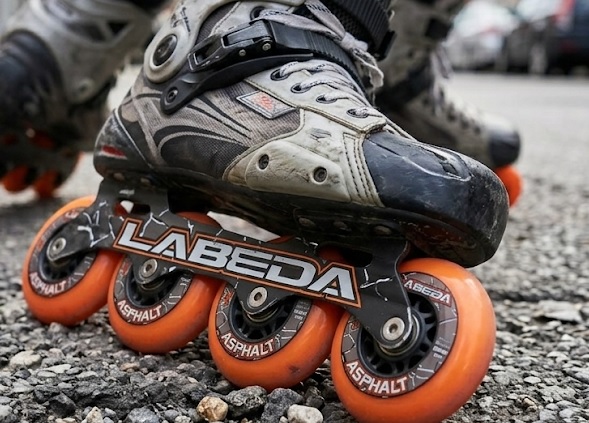
Labeda Asphalt Millenium 80mm/84A – Best Overall Choice
The Labeda Asphalt Millenium features a proprietary urethane formula designed to absorb vibration on rough surfaces. Its 84A durometer strikes the perfect balance between speed and grip on uneven pavement. This is the best option for outdoor skaters who prioritize comfort.
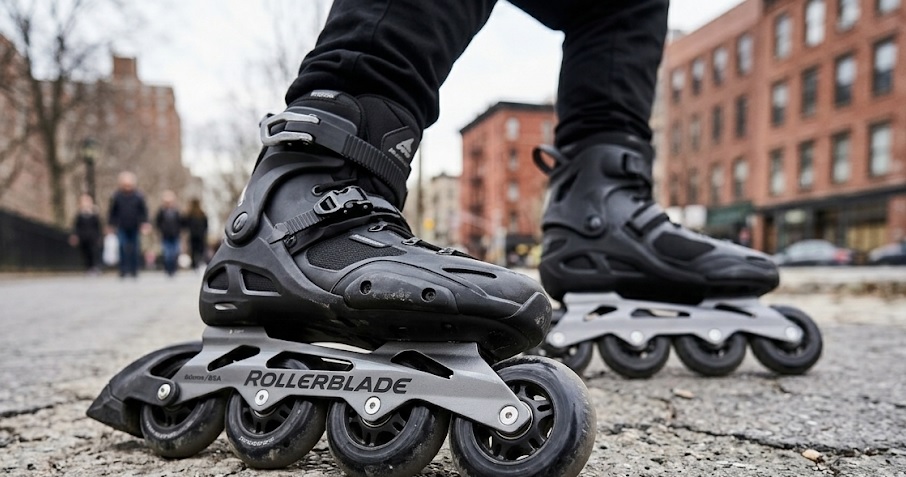
Rollerblade Supreme 80mm/85A – Best for Durability
The Rollerblade Supreme wheel uses a high-rebound core that maintains shape even on abrasive asphalt. Its 85A hardness offers excellent roll speed while resisting flat spots from debris. Ideal for skaters who log many miles on city streets.
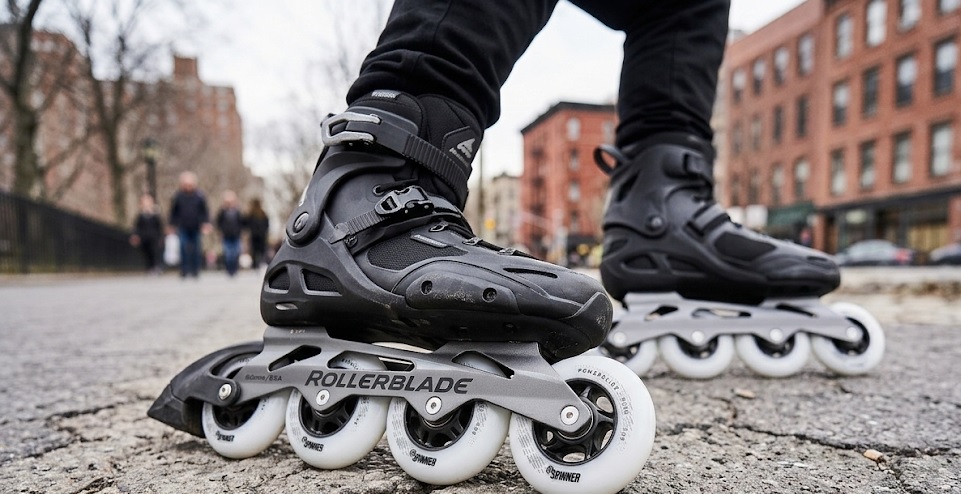
Powerslide Spinner 80mm/86A – Best for Speed
The Powerslide Spinner wheel is engineered with a precision-machined hub for reduced rolling resistance on smooth-to-medium pavement. Its 86A durometer provides maximum speed but requires careful surface selection. Highly recommended for experienced skaters on well-maintained paths.
How Pavement Texture Affects Your Inline Skating Performance
The surface you skate on directly impacts every aspect of your ride. Pavement quality determines your speed, control, and fatigue levels during a session. Understanding these effects helps you choose better routes and gear.
Rolling Resistance and Speed
Smooth asphalt allows wheels to roll freely with minimal friction. Rough pavement creates constant vibration that slows your momentum and forces extra effort. A 10% increase in surface roughness can reduce your speed by up to 15%.
- Smooth concrete: Maximum speed, minimal effort required
- Medium asphalt: Good grip, moderate speed loss
- Rough chip seal: High resistance, significant energy drain
Vibration Impact on Your Body
Poor pavement transmits shock through your wheels, frames, and into your joints. Repeated vibration can cause foot numbness, knee pain, and lower back fatigue within minutes. This discomfort reduces your skating endurance and enjoyment.
Wheel Wear and Tear Patterns
Abrasive surfaces grind down wheel urethane much faster than smooth paths. Rough pavement can reduce wheel lifespan by 40-60% compared to ideal surfaces. You will notice uneven wear, flat spots, and reduced grip over time.
How to Identify Safe Pavement for Inline Skating Before You Roll
Knowing what to look for prevents injuries and equipment damage. Learning to assess pavement quality in seconds is a crucial skill for every skater. These visual and tactile checks will keep you safe on every ride.
Visual Inspection Checklist
Scan the surface for three common hazards before stepping onto any path. Cracks wider than a quarter-inch can catch your wheel and cause sudden stops. Look for loose gravel, which acts like ball bearings under your wheels.
- Surface cracks: Avoid paths with deep, wide fissures or heaving
- Debris patterns: Sand, small stones, and leaves indicate poor maintenance
- Color changes: Dark patches may show recent repairs with rough sealant
The Touch Test Method
Run your hand across the pavement to feel its true texture. Smooth surfaces feel like fine sandpaper, while rough surfaces feel like coarse grit. This simple test reveals hidden roughness that your eyes might miss.
Surface Type Comparison Table
| Surface Type | Safety Rating | Best For |
|---|---|---|
| Fresh asphalt | Excellent | Speed and distance skating |
| Brick paving | Moderate | Low-speed recreational skating |
| Old chip seal | Poor | Avoid if possible |
Essential Gear Adjustments for Skating on Rough Pavement
Your equipment setup can dramatically improve your experience on imperfect surfaces. Making strategic changes to your wheels, bearings, and frame setup reduces vibration and improves control. These adjustments transform a jarring ride into a manageable one.
Wheel Hardness and Size Selection
Softer wheels absorb more vibration but wear faster on abrasive pavement. Choose wheels between 78A and 84A for rough surfaces to maximize comfort. Larger diameter wheels (80mm to 110mm) roll over cracks and debris more easily than smaller ones.
- 78A-80A durometer: Maximum grip and shock absorption, ideal for very rough roads
- 82A-84A durometer: Good balance of speed and comfort for mixed surfaces
- 85A+ durometer: Best for smooth, well-maintained pavement only
Bearing Maintenance for Dirty Conditions
Rough pavement kicks up more dust and grit that damages your bearings. Clean and lubricate your bearings every 20-30 miles when skating on dirty surfaces. Use sealed bearings with rubber shields for better protection against debris.
Frame and Shock Absorption Options
Longer frames provide stability over uneven terrain but reduce maneuverability. Consider frames with built-in shock absorption systems for chronic pavement issues. Some brands offer removable heel pads that dampen vibration before it reaches your feet.
Techniques for Maintaining Balance on Poor Pavement Surfaces
Your body position and skating technique matter more on rough pavement than smooth paths. Adjusting your stance and stride reduces the impact of vibrations and prevents falls. These proven techniques keep you stable when the surface turns challenging.
The Relaxed Knee Bend Technique
Keep your knees deeply bent to act as natural shock absorbers for your upper body. A 90-degree knee angle allows your legs to absorb bumps without transferring shock to your spine. Avoid locking your knees, which transmits every vibration directly through your skeleton.
- Deep bend: Absorbs large bumps and cracks effectively
- Wide stance: Increases stability on uneven or cambered surfaces
- Relaxed arms: Helps maintain balance without tensing up
Weight Shifting for Obstacle Navigation
Shift your weight to your heels when approaching cracks or debris in your path. This prevents your front wheels from catching and pitching you forward unexpectedly. Practice lifting your toes slightly to glide over small obstacles without tripping.
Speed Management on Rough Sections
Reduce your speed before entering rough pavement rather than braking on it. Braking on rough surfaces can cause wheel chatter and loss of control. Use a gentle T-stop or plow stop on smooth pavement before the rough section begins.
Finding the Best Inline Skating Routes with Optimal Pavement
Not all paved paths are created equal for inline skating. Knowing where to find smooth, well-maintained routes saves you time and frustration. These strategies help you discover the best local surfaces for your next skate session.
Using Online Mapping Tools Effectively
Google Maps and Strava heatmaps reveal popular skating routes in your area. Look for dedicated bike paths and greenways, which typically have smoother surfaces than sidewalks. Filter for recently paved trails by checking local park department websites for resurfacing schedules.
- Strava heatmaps: Shows where other skaters and cyclists frequently ride
- Google Street View: Preview pavement condition before traveling to a route
- Local Facebook groups: Get real-time condition reports from other skaters
Identifying High-Quality Surface Types
Fresh asphalt and poured concrete offer the smoothest skating experience available. Asphalt trails with a fine aggregate mix provide excellent grip without excessive vibration. Avoid chip seal surfaces, which use loose stone embedded in tar and create a rough, unpredictable ride.
| Surface Type | Smoothness Rating | Common Locations |
|---|---|---|
| Poured concrete | Excellent | Boardwalks, park paths |
| Fine asphalt | Very good | Bike trails, tennis courts |
| Coarse asphalt | Moderate | Road shoulders, parking lots |
Seasonal Pavement Considerations
Pavement quality changes with weather and seasonal maintenance cycles. Spring often reveals winter damage like frost heaves and new cracks. Summer heat can soften asphalt, creating a grippier but slower surface for skating.
Common Pavement Hazards and How to Avoid Injuries
Even well-maintained pavement can hide dangers that catch skaters off guard. Identifying common hazards before you hit them is the best way to prevent falls and injuries. Knowing how to react in dangerous situations keeps you safe on every ride.
Hidden Cracks and Expansion Joints
Thin cracks running parallel to your direction of travel can trap your wheels instantly. These longitudinal cracks are especially dangerous because they grab your wheel and stop you suddenly. Cross cracks at a 45-degree angle rather than straight on to reduce the risk of catching.
- Longitudinal cracks: Cross at an angle, never ride parallel to them
- Expansion joints: Lift your front wheels slightly to glide over them
- Patching seams: Avoid edges where old and new pavement meet
Loose Debris and Surface Contaminants
Gravel, sand, and wet leaves create slippery conditions that reduce wheel grip. Loose debris on smooth pavement is more dangerous than rough pavement itself. Slow down and widen your stance when approaching areas with visible debris.
| Hazard Type | Risk Level | Recommended Action |
|---|---|---|
| Loose gravel | High | Stop and walk through |
| Wet leaves | High | Reduce speed, avoid sharp turns |
| Painted lines | Moderate | Cross at 90-degree angle |
Emergency Stop Techniques
Mastering emergency stops can prevent injuries when hazards appear suddenly. The power slide and T-stop are essential skills for avoiding unexpected obstacles. Practice these techniques on smooth surfaces before attempting them on rough pavement.
Long-Term Pavement Maintenance Tips for Inline Skaters
You can actively improve your local skating environment through simple advocacy. Reporting damaged pavement to the right authorities benefits the entire skating community. Taking small actions now leads to better surfaces for years to come.
How to Report Damaged Pavement Effectively
Most cities have online portals or apps for reporting road and path damage. Take clear photos showing the hazard location and include specific cross-street information. Submit reports through official channels like SeeClickFix or your local parks department website.
- Photograph the hazard: Include a reference object like a water bottle for scale
- Note the exact location: Use GPS coordinates or nearby landmarks
- Describe the danger: Explain how cracks or debris affect skaters specifically
Working with Local Skating Communities
Joining a local inline skating group amplifies your voice for pavement improvements. Groups can submit collective reports that receive higher priority from city officials. Organized advocacy often leads to dedicated skating paths in popular areas.
| Action | Impact Level | Time Investment |
|---|---|---|
| Individual report | Low-Medium | 5 minutes |
| Group petition | Medium-High | 2-3 hours |
| City council attendance | High | 1 evening |
Seasonal Pavement Care Awareness
Understanding maintenance cycles helps you plan your skating calendar effectively. Spring and fall are typical times for crack sealing and resurfacing projects. Follow your local public works social media accounts for real-time updates on path conditions.
Conclusion: Master Pavement Quality for Better Inline Skating
Pavement quality directly determines your safety, speed, and enjoyment on every ride. Choosing smooth surfaces, adjusting your gear, and using proper techniques transforms challenging routes into enjoyable sessions.
Start applying these tips on your next skate. Inspect your local paths, upgrade your wheels, and practice your stance on rough sections. Your skating experience will improve dramatically with every smart surface choice.
Get out there and find your perfect pavement today.
Frequently Asked Questions about Pavement Quality for Inline Skating
What is the best pavement surface for inline skating?
Smooth, fine-grain asphalt and poured concrete offer the best surfaces for inline skating. These materials provide low rolling resistance and minimal vibration. Freshly paved bike trails and tennis courts are ideal locations.
Avoid chip seal surfaces and coarse asphalt, which create excessive friction. Always check for cracks and debris before committing to a new route. Smooth surfaces protect your joints and extend wheel life significantly.
How does rough pavement affect inline skating wheels?
Rough pavement accelerates wheel wear by 40-60 percent compared to smooth surfaces. Abrasive textures grind down urethane faster and create uneven wear patterns. You may notice flat spots and reduced grip after just a few sessions on rough roads.
Choose softer wheels (78A-82A) for rough pavement to absorb vibration. Rotate your wheels regularly to promote even wear and maximize lifespan. Inspect your wheels after every ride on abrasive surfaces for damage.
What wheel hardness is best for rough pavement?
Wheels between 78A and 82A durometer work best for rough and uneven pavement. Softer wheels absorb shock better and maintain grip on irregular surfaces. They sacrifice some speed but provide superior comfort and control.
Harder wheels above 84A transmit more vibration and can cause fatigue. Match your wheel hardness to your typical skating surface for best results. Consider carrying two sets of wheels for different conditions.
How can I tell if pavement is safe for skating?
Perform a visual scan for cracks wider than a quarter-inch and loose debris. Run your hand across the surface to feel its texture before skating. Smooth surfaces feel like fine sandpaper, while rough surfaces feel coarse and abrasive.
Test a small section at slow speed before committing to a full route. Look for painted lines, manhole covers, and drainage grates that can be slippery. Always check pavement conditions after rain or seasonal changes.
What is the best technique for skating on rough pavement?
Maintain a deep knee bend to use your legs as natural shock absorbers. Keep your weight slightly back and your stance wider than usual for stability. Relax your upper body to allow your legs to absorb vibrations effectively.
Reduce your speed before entering rough sections rather than braking on them. Scan 20-30 feet ahead to choose the smoothest line through obstacles. Practice lifting your front wheels slightly over cracks and expansion joints.
Can I skate on freshly paved asphalt immediately?
Wait at least 24-48 hours after paving before skating on fresh asphalt. Fresh pavement needs time to cure and harden properly before supporting wheel traffic. Skating too early can damage the surface and ruin your wheels with sticky residue.
Check for warning signs or barriers placed by the paving crew. Fresh asphalt is softer and may cause excessive wheel wear and reduced speed. Ask local authorities for specific curing times in your area.
How do I find good inline skating routes near me?
Use Strava heatmaps and Google Maps to identify popular bike paths and trails. Join local inline skating Facebook groups for real-time route recommendations. Check your city parks department website for maps of paved recreational paths.
Visit potential routes during off-peak hours to test pavement conditions safely. Look for greenways, rail trails, and boardwalks that typically have smooth surfaces. Ask experienced local skaters for their favorite routes and hidden gems.
What should I do if I encounter bad pavement while skating?
Slow down gradually using a T-stop or plow stop before the rough section begins. Widen your stance and bend your knees deeply to absorb impacts. Scan for the smoothest line through the area, avoiding visible cracks and debris.
If the surface becomes too dangerous, step off onto grass or a sidewalk. Report hazardous pavement to your local parks department or city maintenance portal. Always wear protective gear to minimize injury risk from unexpected falls.