Most kids should practice inline skating for 2 to 4 hours per week to build skills without risking burnout or injury. This sweet spot balances muscle memory development with essential recovery time for growing bodies.
In this complete guide, you will learn expert tips for age-appropriate practice schedules and proven methods to keep young skaters motivated. Read on to discover how to structure weekly sessions for maximum progress.
Best Inline Skates for Kids – Detailed Comparison
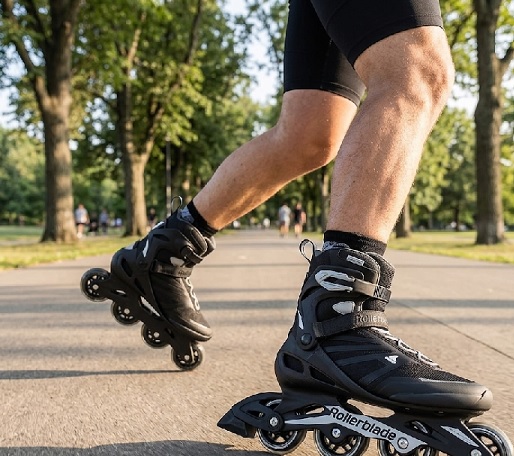
Rollerblade Zetrablade Youth – Best Overall Choice
The Rollerblade Zetrablade Youth offers a perfect balance of comfort and support for beginners. It features a brake on both skates for safer stopping and a breathable mesh liner. Best use case: children ages 4-7 taking their first lessons.
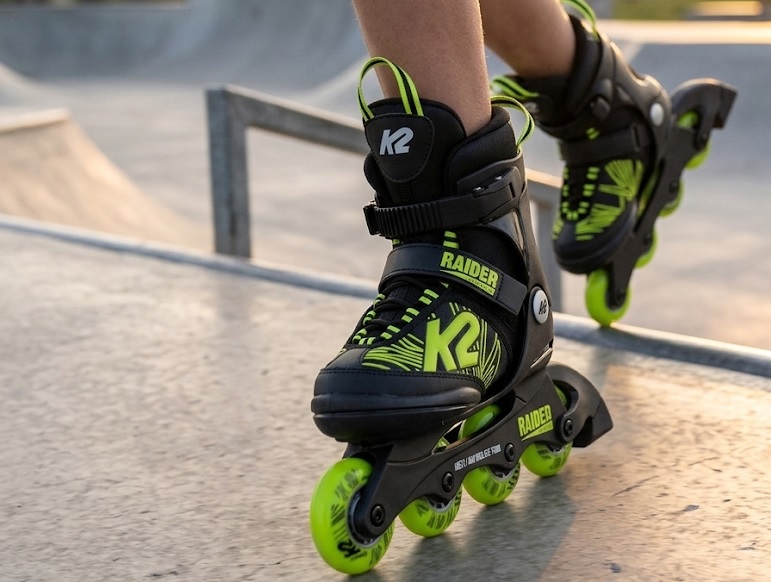
K2 Raider Youth Inline Skate – Best for Speed Control
The K2 Raider Youth uses a cuff buckle system for easy on-and-off wear and a lower center of gravity for stability. Its soft boot design reduces ankle fatigue during longer practice sessions. Best use case: kids transitioning from beginner to intermediate levels.
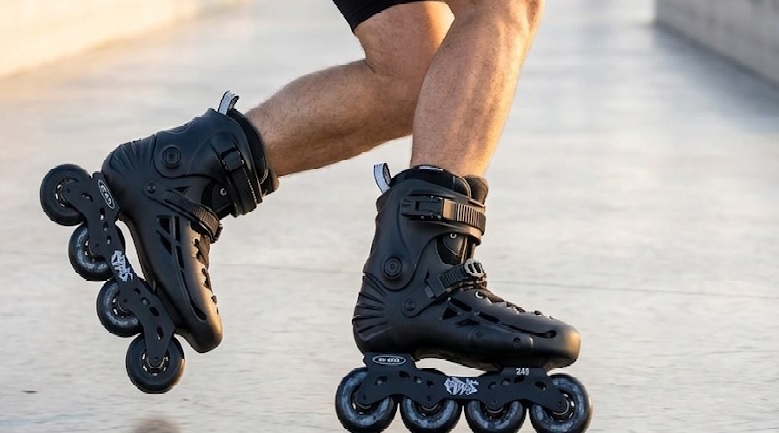
Micro Skate MB1 – Best for Adjustability
The Micro Skate MB1 features a push-button size adjustment that grows with your child up to four sizes. It includes ABEC-7 bearings for smooth gliding and a heel brake for controlled stops. Best use case: families wanting a long-term investment skate.
Age-Appropriate Inline Skating Practice Hours for Kids
Not all children need the same practice volume. A 5-year-old learning balance has different stamina limits than a 12-year-old training for speed. Matching practice hours to developmental stage prevents both boredom and overtraining.
Practice Hours for Ages 4 to 7 (Beginner Stage)
Children in this age group should skate for 30 to 45 minutes per session, two to three times per week. Their attention spans are short, and their leg muscles tire quickly. Focus on fun drills like gliding and stopping games rather than formal technique work.
- Total weekly hours: 1.5 to 2.25 hours
- Key goal: Build confidence and basic balance
- Warning sign: Child asks to stop before 20 minutes
Practice Hours for Ages 8 to 11 (Skill Development Stage)
Older children can handle 45 to 60 minutes per session, three to four times each week. This group benefits from structured drills like crossovers and T-stops. Add light endurance work like skating around a park trail once per week.
- Total weekly hours: 2.25 to 4 hours
- Key goal: Improve edge control and turning
- Pro tip: Mix skill practice with free skate time
Practice Hours for Ages 12 and Up (Advanced Training)
Teens can skate 60 to 90 minutes per session, four to five times weekly without injury risk. They should incorporate interval sprints, backward skating, and jump drills. Rest days are still essential for muscle recovery and joint health.
- Total weekly hours: 4 to 7.5 hours
- Key goal: Build speed and competition readiness
- Caution: Limit high-impact jumps to three times weekly
How to Structure Weekly Inline Skating Sessions for Kids
Random practice without a plan leads to slow progress and lost motivation. Structuring each session with clear phases helps kids improve faster while staying engaged. Follow this proven weekly blueprint for consistent results.
Warm-Up Routine (First 5 to 10 Minutes)
Every session must begin with dynamic stretching and ankle circles to prevent injury. Have kids march in place on skates, then perform gentle lunges while holding a wall. This raises heart rate and activates stabilizer muscles before harder work begins.
- Ankle rolls: 10 rotations each direction
- Leg swings: 10 forward and backward per leg
- Mini squats: 5 slow repetitions on skates
Skill Practice Block (15 to 30 Minutes)
Dedicate this middle section to one specific technique per week. For example, focus on heel braking on Monday and crossovers on Wednesday. Repeat the same drill for 8 to 10 repetitions before taking a short water break.
- Week 1: Balance and gliding drills
- Week 2: Stopping techniques (heel brake and T-stop)
- Week 3: Turning and edge control exercises
Fun Skate Time (Last 10 to 15 Minutes)
End every session with free skating or a simple game like follow-the-leader or cone weaving. This rewards effort and keeps inline skating enjoyable for kids. Avoid teaching new skills during this wind-down period to prevent frustration.
Signs Your Child Is Skating Too Much or Too Little
Parents often struggle to read their child’s physical and emotional cues during inline skating practice. Recognizing the warning signs of overtraining or undertraining helps you adjust hours before problems develop. Watch for these specific indicators during and after each session.
Overtraining Warning Signs (Scale Back Hours)
If your child complains of persistent knee or ankle pain that does not fade after rest, reduce weekly practice by 30 percent. Other red flags include irritability before practice, declining performance on mastered skills, and frequent requests to quit mid-session. Take at least two consecutive rest days if these symptoms appear.
- Physical signs: Sore shins, blisters, or limping after skating
- Emotional signs: Crying before practice or losing interest in gear
- Performance signs: Falling more often on previously easy drills
Undertraining Warning Signs (Increase Practice Time)
A child who still wobbles after six weeks of one-hour weekly sessions likely needs more practice volume. Signs of undertraining include inability to glide 10 feet without falling or fear of attempting basic turns. Gradually add one extra 20-minute session per week rather than doubling existing time.
- Skill stagnation: No improvement in stopping or balance after one month
- Low confidence: Refuses to skate without holding a parent’s hand
- Boredom signals: Finishes drills too quickly and asks for harder tasks
When to Consult a Coach or Specialist
If your child shows fear of falling that lasts beyond 10 sessions, consider professional instruction. A certified inline skating coach can assess technique flaws like bent ankles or improper weight distribution. Early intervention prevents bad habits that take months to unlearn.
Best Inline Skating Drills for Kids by Skill Level
Choosing the right drills keeps practice productive and prevents frustration. Beginners need simple balance exercises, while advanced skaters benefit from speed and agility work. Match these drills to your child’s current ability level for steady progress.
Beginner Drills: Balance and Basic Movement
Start with the penguin walk, where kids march forward on skates with toes pointed outward. Follow this with the gliding scissor—one foot slightly ahead, knees bent, coast for five seconds. Repeat each drill ten times before attempting full strides.
- Falling practice: Learn to fall forward onto knee pads, not backward
- Lemon squeezes: Make snowplow shapes by pushing feet outward and pulling inward
- One-foot glides: Hold one skate off the ground for three seconds per leg
Intermediate Drills: Turning and Stopping
Once basic gliding feels natural, introduce the heel brake stop by sliding the braking skate forward while lifting the toe. Practice the parallel turn by leaning both skates into a gentle curve at slow speed. Aim for five successful stops in a row before moving faster.
- Crossover steps: Step one skate over the other while rounding a corner
- Slalom weaving: Place cones three feet apart and snake through them
- T-stop drag: Drag one skate perpendicular behind while gliding forward
Advanced Drills: Speed and Agility
Challenge experienced skaters with interval sprints—skate hard for 20 seconds, then coast for 40 seconds. Add backward skating by pushing heels outward in a reverse V-pattern. Incorporate small jumps over a line on the ground to build explosive power.
| Skill Level | Drill Focus | Repetitions Per Session |
|---|---|---|
| Beginner | Gliding and balance | 10-15 reps |
| Intermediate | Stopping and turning | 8-12 reps |
| Advanced | Speed and backward skating | 5-8 reps |
Essential Safety Gear for Kids Practicing Inline Skating
Proper protective equipment prevents 90 percent of inline skating injuries in children, according to the American Academy of Pediatrics. Skimping on gear or buying ill-fitting items increases fall risks and reduces practice confidence. Invest in these five essential items before your child steps on skates.
Helmet: Non-Negotiable Head Protection
Choose a CPSC-certified multi-sport helmet that sits level on the head, one finger above the eyebrows. Avoid bike helmets with extended visors that obstruct upward vision during falls. Replace any helmet after a hard impact, even if no cracks are visible.
- Fit check: Helmet should not shift when shaking head side to side
- Ventilation: At least six vents to prevent overheating during long sessions
- Strap tension: Buckle should form a V-shape under each earlobe
Knee and Elbow Pads: Joint Protection Basics
Look for pads with hard plastic caps and thick foam padding that cover the entire kneecap. Elastic straps should hold pads firmly without cutting off circulation. Replace pads when the plastic shell cracks or foam compresses flat.
Wrist Guards: Preventing Common Fractures
Wrist fractures are the most frequent inline skating injury for children. Choose guards with rigid plastic splints on both palm and back surfaces for full protection. Ensure the splint extends at least two inches past the wrist bone.
| Gear Item | Estimated Cost | Replacement Frequency |
|---|---|---|
| Helmet | $25 – $60 | Every 3 years or after impact |
| Knee pads | $15 – $35 | Every 1-2 seasons |
| Wrist guards | $10 – $25 | Every season or if splints crack |
| Elbow pads | $10 – $20 | Every 1-2 seasons |
How to Keep Kids Motivated for Weekly Inline Skating Practice
Even the most enthusiastic young skaters lose motivation when practice feels like a chore. Maintaining consistent weekly hours requires creative strategies that make skating feel like play, not work. Use these proven methods to keep your child excited about lacing up their skates.
Gamify Practice Sessions with Rewards
Turn skill mastery into a sticker chart challenge where each new technique earns a reward. For example, completing ten heel brake stops unlocks a trip to the skate park. Small tangible goals keep children engaged far longer than vague promises of future improvement.
- Drill bingo: Create a 5×5 grid of skills to complete each month
- Time trials: Race against a stopwatch to beat personal bests
- Skill badges: Print certificates for balance, stopping, and turning
Skate with Friends or Siblings
Group practice naturally extends how many hours a week kids want to skate. Arrange playdates at a local rink or join a youth inline skating club in your area. Peer encouragement often pushes children to attempt skills they would avoid when practicing alone.
Vary Practice Locations Regularly
Skating the same driveway or park path every session leads to boredom and disengagement. Rotate between indoor rinks, smooth basketball courts, and paved nature trails each week. New terrain challenges different muscle groups and keeps the activity feeling fresh.
| Location Type | Best Skill Focus | Session Duration |
|---|---|---|
| Indoor rink | Speed and turns | 45-60 minutes |
| Basketball court | Stops and crossovers | 30-45 minutes |
| Paved trail | Endurance and gliding | 40-60 minutes |
Common Mistakes Parents Make with Kids’ Inline Skating Practice
Well-meaning parents often sabotage their child’s progress through common scheduling and coaching errors. Recognizing these mistakes early saves weeks of frustration and prevents kids from developing bad habits. Avoid these five pitfalls to maximize your child’s practice hours effectively.
Pushing Too Hard, Too Fast
Forcing a child to practice for two consecutive hours when they are not physically ready leads to burnout and injury. Beginners need frequent breaks every 10 to 15 minutes to reset focus and hydrate. Gradually increase session length by five minutes each week rather than jumping into long practices.
- Red flag: Child asks for water breaks more than three times per session
- Solution: Use a timer and enforce a 2-minute break every 15 minutes
- Rule: Never add more than 10 percent to total weekly hours in one go
Skipping Warm-Up and Cool-Down
Many parents let kids jump straight into skating without preparing muscles for movement. Cold muscles are 40 percent more prone to strains and pulls during inline skating. A five-minute warm-up of ankle circles and leg swings reduces injury risk significantly.
Using Incorrect Skate Size
Buying skates two sizes too big to “let them grow into it” destroys balance and control. Loose skates force kids to grip with their toes, causing foot cramps and poor technique. Purchase skates that fit snugly with toes just brushing the front of the boot.
| Common Mistake | Consequence | Better Approach |
|---|---|---|
| Oversized skates | Poor ankle support and falls | Buy current size with 1/4 inch toe room |
| Skipping gear | Injuries from minor falls | Enforce full gear every session |
| No rest days | Overtraining and loss of interest | Schedule 2 rest days per week minimum |
Conclusion: Finding the Right Inline Skating Practice Hours for Your Child
Determining how many hours a week kids should practice inline skating depends on age, skill level, and individual motivation. The sweet spot ranges from 1.5 hours for beginners to 7.5 hours for advanced teens.
Focus on quality over quantity. Short, structured sessions with proper gear and safety habits build confidence faster than long, unstructured practices. Start with the recommended hours for your child’s age group and adjust based on their enthusiasm and recovery.
Grab your child’s skates and start with just 30 minutes today. Consistent small steps lead to big progress over time.
Frequently Asked Questions about Kids’ Inline Skating Practice Hours
How many hours a week should a beginner child practice inline skating?
A beginner child should practice inline skating for 1.5 to 2.5 hours per week, split into two or three sessions. Each session should last 30 to 45 minutes to match their limited attention span and physical stamina.
Focus on balance and gliding drills rather than speed or complex techniques. Short, frequent sessions build muscle memory faster than one long weekly practice that exhausts the child.
Can my child practice inline skating every day?
Daily inline skating is not recommended for children under 12 years old. Growing bodies need at least two rest days per week to repair muscles and prevent overuse injuries like shin splints or tendonitis.
If your child wants to skate daily, alternate between skill practice days and light free-skating days. Keep high-intensity drills to three times per week maximum for optimal recovery and progress.
What is the best time of day for kids to practice inline skating?
The best time is late morning or early afternoon when children have eaten a meal and are naturally alert. Avoid practicing immediately after school when kids are tired or right before bedtime when energy levels drop.
Morning sessions between 9 AM and 11 AM offer cooler temperatures and fewer distractions. Afternoon sessions around 3 PM to 5 PM work well if your child has rested after school.
How do I know if my child is practicing inline skating too much?
Signs of overtraining include persistent leg pain, irritability before practice, and declining performance on previously mastered skills. If your child complains of sore knees or ankles that do not improve after rest, reduce weekly hours by 30 percent.
Emotional signs like crying before practice or losing interest in skating gear also indicate too much volume. Take at least three consecutive rest days if multiple warning signs appear.
What should a 45-minute inline skating session include?
A well-structured 45-minute session should include 5 minutes of warm-up, 25 minutes of skill drills, 10 minutes of free skating, and 5 minutes of cool-down. Start with ankle circles and leg swings before moving to technique work.
End with gentle gliding and stretching to prevent muscle stiffness. Avoid introducing new skills during the final 10 minutes when fatigue sets in and injury risk increases.
How long does it take for a child to learn basic inline skating?
Most children learn basic gliding and stopping within 4 to 6 weeks of consistent practice at 2 hours per week. Balance typically improves significantly after 8 to 10 sessions of focused practice.
Factors like age, previous sports experience, and practice frequency affect learning speed. Children who practice three times weekly typically progress faster than those who practice only once per week.
Should my child wear full protective gear every practice session?
Yes, full protective gear is non-negotiable for every single practice session, regardless of skill level. Even experienced skaters fall unexpectedly, and gear prevents 90 percent of common injuries like wrist fractures and knee scrapes.
Required gear includes a CPSC-certified helmet, knee pads, elbow pads, and wrist guards. Make this a strict house rule from day one to build lifelong safety habits that protect your child.
What if my child wants to quit inline skating after a few sessions?
If your child wants to quit, first check if the skates fit properly and feel comfortable. Ill-fitting skates cause foot pain that kills motivation quickly. Also assess whether practice sessions are too long or too repetitive.
Try gamifying practice with sticker charts or inviting a friend to skate together. If resistance continues after trying these strategies, take a two-week break before reintroducing skating at a slower pace.