Quality roller skates typically cost between $100 and $450, with premium models reaching $800+. Your investment directly impacts comfort, durability, and performance on the rink or street.
This complete guide breaks down price ranges for every skill level, from beginner to pro. You will learn what features justify higher costs and how to find the best value for your budget. Keep reading for expert tips on making a smart purchase.
Best Quality Roller Skates for Beginners and Pros – Detailed Comparison
Sure-Grip Boardwalk Roller Skates – Best Overall Choice
These suede leather skates offer exceptional ankle support and comfort right out of the box. The nylon plate keeps them lightweight, while the 57mm wheels handle both rinks and smooth streets. Ideal for intermediate skaters seeking durability and style.
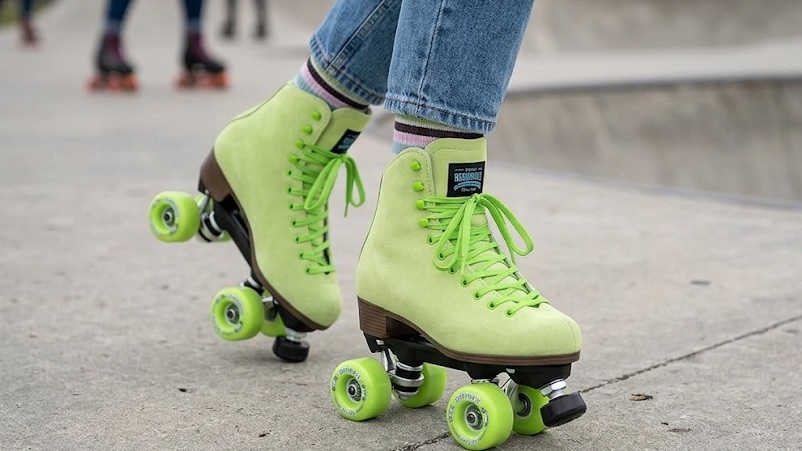
Moxi Beach Bunny Roller Skates – Best Budget-Friendly Option
A vinyl boot with a sturdy aluminum plate makes this model perfect for beginners on a budget. The 58mm wheels provide excellent grip for indoor rinks. This is the best option for casual skaters wanting a reliable, colorful skate under $150.
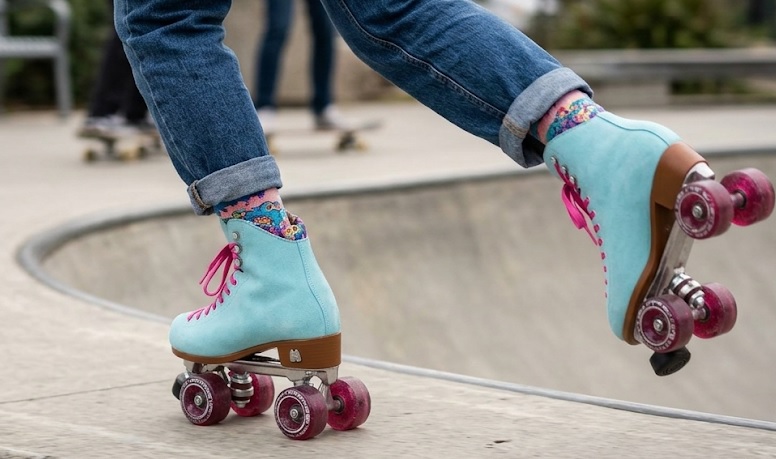
Riedell 336 Roller Skates – Best Premium Performance
Handcrafted leather boots with a custom-fit heat-moldable design deliver pro-level support and control. The 45-degree aluminum plate enhances agility for artistic and speed skating. This is the recommended choice for advanced skaters competing at high levels.
What Determines the Cost of Quality Roller Skates?
Several key components dictate why roller skates range from $80 to over $800. Understanding these factors helps you match your budget to your skating needs without overpaying.
Boot Material and Construction
Vinyl boots are cheapest ($80-$150) but offer less support. Suede and leather boots ($150-$400) conform to your foot and last years longer. High-end carbon fiber boots ($400+) are ultralight and custom-moldable for competitive skaters.
Plate and Truck Quality
Nylon plates are affordable and lightweight, ideal for beginners. Aluminum plates add stability and responsiveness for intermediate skaters. Pro-level magnesium or titanium plates reduce weight and enhance energy transfer for advanced techniques.
Wheel and Bearing Specifications
Softer wheels (78A-85A) grip well outdoors but wear faster. Harder wheels (92A-101A) roll faster on smooth indoor rinks. Bearings rated ABEC-5 or higher ensure smoother, faster spins. Premium bearings can add $30-$60 to total cost.
Key Takeaway: For $100-$200, you get vinyl boots and nylon plates. For $200-$400, expect leather boots and aluminum plates. Above $400, you pay for premium materials and pro-level performance.
How to Choose the Right Roller Skates for Your Budget
Your skill level and skating style directly determine how much you should spend. Beginners often waste money on skates that lack support, while advanced skaters need precision components.
Budget Breakdown by Skill Level
Beginner skaters should spend $100-$180 for a reliable, supportive pair. Look for vinyl boots with aluminum plates, like the Moxi Beach Bunny. Intermediate skaters benefit from $200-$350 suede or leather boots with adjustable trucks for better control.
Advanced skaters need $350-$800+ setups with heat-moldable boots and precision bearings. These skates handle high-impact jumps, fast spins, and long-distance outdoor skating without failure.
Cost Comparison by Skating Style
| Skating Style | Price Range | Key Features Needed |
|---|---|---|
| Recreational | $80-$180 | Comfort, durable wheels |
| Rink/Dance | $150-$350 | Ankle support, smooth bearings |
| Park/Street | $200-$450 | Reinforced boots, wide trucks |
| Speed/Artistic | $400-$800+ | Lightweight plates, custom fit |
Where to Save vs. Splurge
- Save on: Wheels and bearings (upgrade later as skills improve)
- Splurge on: Boot material and plate quality (harder to replace)
- Never cheap out on: Ankle support and proper fit
Key Takeaway: Spend 60% of your budget on the boot and plate. Allocate 20% to wheels and bearings, and save 20% for protective gear. This balance ensures performance and safety.
Where to Buy Quality Roller Skates for the Best Price
Finding the best deal requires knowing which retailers offer genuine products and fair pricing. Avoid marketplaces with counterfeit skates that compromise safety and durability.
Specialized Skate Shops vs. Big Box Stores
Local skate shops provide expert fitting and allow you to try boots before buying. They also offer maintenance services and honest advice. Online specialty retailers like Derby Warehouse or Skates.com often have wider selections and seasonal sales.
Big box stores and general marketplaces sell cheaper skates but rarely stock quality brands. You risk poor fit, low-grade materials, and no post-purchase support. Always prioritize specialty retailers for quality skates.
How to Spot a Good Deal
- Check return policies: Look for 30-day returns on unused skates
- Compare prices: Cross-check three retailers before purchasing
- Read reviews: Focus on durability and sizing accuracy feedback
- Avoid “too good to be true” deals: $50 skates rarely last a month
Seasonal Sales and Discounts
Many retailers offer 15-20% off during Black Friday, end-of-summer clearance, and New Year sales. Signing up for newsletters from brands like Moxi or Riedell gives early access to discounts. Buying last season’s models can save you $30-$60 without sacrificing quality.
Key Takeaway: Shop at specialized stores for quality assurance and fitting. Aim for seasonal sales to save money. Never compromise on boot quality for a lower price—it affects both performance and safety.
Hidden Costs of Quality Roller Skates You Must Consider
The purchase price is only part of your total investment. Many new skaters overlook essential accessories and maintenance that add $50-$150 to the overall cost.
Protective Gear Essentials
A full safety set including helmet, knee pads, elbow pads, and wrist guards costs $40-$100. Quality gear prevents injuries and saves money on medical bills. Never skip this expense, especially for outdoor or park skating.
Budget-friendly options like Triple Eight or Smith Scabs offer reliable protection. Investing in certified gear ensures it meets safety standards for impact resistance.
Maintenance and Replacement Parts
- Wheels: Replace every 6-12 months ($30-$80 per set)
- Bearings: Clean or replace every 3-6 months ($15-$50 per set)
- Brake stops: Replace as they wear down ($5-$15 each)
- Laces and liners: Upgrade for comfort ($10-$30)
Regular maintenance extends skate life significantly. Learning basic bearing cleaning can save you $50 annually on replacements.
Customization and Upgrades
Many skaters upgrade wheels for specific surfaces or install softer cushions for better turning. These modifications cost $30-$100 but dramatically improve performance. Budget $50-$100 for initial upgrades to tailor your skates to your style.
Key Takeaway: Add $100-$200 to your skate budget for protective gear and initial maintenance. Quality accessories protect your investment and your body. Plan for ongoing costs to keep your skates performing at their best.
Common Mistakes When Buying Quality Roller Skates
Even experienced skaters make errors that lead to wasted money or poor performance. Avoiding these pitfalls ensures you get the best value for your investment.
Buying the Wrong Size
Roller skate sizing differs from street shoe sizing by up to one full size. Many beginners buy too-large skates for comfort, causing blisters and poor control. Always measure your feet in centimeters and check the brand’s specific size chart.
Leather boots stretch over time, while vinyl boots do not. A snug fit with no heel lift is ideal for performance and safety. Visit a local shop for professional fitting whenever possible.
Prioritizing Looks Over Function
Colorful, trendy skates often sacrifice support and durability. Cheap bearings and soft plates make skating harder and less enjoyable. Focus on construction quality first, then choose a style you love.
Popular budget brands may look great but fail within months. Read technical reviews rather than relying solely on social media recommendations.
Ignoring Your Skating Style
- Outdoor skaters need soft wheels (78A-82A) and durable boots
- Rink skaters require harder wheels (92A-98A) and smooth bearings
- Park skaters need reinforced boots and wide, stable trucks
- Speed skaters benefit from lightweight plates and low-cut boots
Buying skates designed for a different style leads to poor performance and frustration. Match your gear to your primary activity for the best experience.
Key Takeaway: Get professionally fitted, prioritize function over fashion, and choose skates designed for your specific skating style. Avoiding these three mistakes can save you $100-$300 in replacement costs.
How to Extend the Lifespan of Your Quality Roller Skates
Proper care can double the life of your skates, saving you hundreds of dollars over time. Simple maintenance routines take only minutes after each session.
Daily Cleaning and Storage
Wipe down boots and plates with a damp cloth after every use to remove dirt and sweat. Dry them thoroughly before storing to prevent rust and material degradation. Never leave skates in a hot car or damp basement.
Store skates in a breathable bag at room temperature. Avoid direct sunlight which can crack vinyl and fade colors. Use shoe trees or stuff boots with paper to maintain their shape.
Bearing Maintenance Schedule
- After every 10 hours: Wipe bearings clean and relubricate
- After wet skating: Remove, clean, and dry bearings immediately
- Every 3 months: Deep clean with bearing cleaner solution
- Replace bearings when they feel gritty or make noise
Proper bearing care can extend their life from 6 months to over 2 years. This alone saves you $30-$60 annually on replacements.
Wheel Rotation and Replacement
Rotate your wheels every 4-6 weeks to ensure even wear. Swap front wheels to back and left wheels to right. Uneven wheel wear affects stability and turning precision.
Replace wheels when flat spots develop or diameter decreases by 2mm. Outdoor wheels wear faster than indoor ones, typically lasting 6-12 months with regular use.
Key Takeaway: Spend 5 minutes after each skate session on basic cleaning. Follow a bearing maintenance schedule every 3 months. Rotate wheels regularly to maximize their lifespan and maintain performance.
Quality Roller Skates for Kids vs. Adults: Key Differences
Children’s skates have unique requirements that differ significantly from adult models. Understanding these differences prevents premature wear and ensures proper development.
Kids’ Skate Construction and Safety
Children’s skates typically cost $50-$120 and feature adjustable sizing to accommodate growing feet. Look for models with telescoping toe boxes that extend up to four sizes. This feature saves money by lasting 2-3 years instead of one season.
Kids’ skates prioritize stability over speed with softer wheels and lower profiles. Ankle support is critical for young skaters who lack developed muscle strength. Avoid cheap skates with flimsy boots that cause ankle strain.
Adult Skate Durability and Performance
- Recreational adult skates ($100-$200): Focus on comfort and basic support
- Fitness adult skates ($200-$350): Emphasize endurance and wheel quality
- Performance adult skates ($350+): Prioritize precision and custom fit
Adults need higher weight capacity and stronger plates. Adult skates endure more force during stops, jumps, and long sessions. Always check the maximum weight rating before purchasing.
Size and Fit Considerations
| Feature | Kids’ Skates | Adult Skates |
|---|---|---|
| Adjustable sizing | Common (2-4 sizes) | Rare |
| Boot material | Vinyl mostly | Vinyl to leather |
| Weight capacity | Up to 150 lbs | Up to 300+ lbs |
| Typical lifespan | 1-3 years | 3-8 years |
Adults should never buy kids’ skates even if the size matches. The construction and support are not designed for adult weight and skating intensity.
Key Takeaway: Buy adjustable kids’ skates for growing children. Adults should invest in properly sized, weight-rated skates. Never compromise on ankle support for any age group.
Conclusion: Investing in Quality Roller Skates
Quality roller skates cost between $100 and $800, but the right pair transforms your skating experience. Prioritize boot material, plate quality, and proper fit above all else.
Start with your skating style and skill level to determine the best budget range. Never compromise on ankle support or safety features to save money.
Visit a local skate shop for professional fitting or order from a trusted online retailer. Your perfect pair of skates is waiting—invest wisely and enjoy every glide.
Frequently Asked Questions About Quality Roller Skates Cost
What is a reasonable price for good roller skates?
A reasonable price for quality roller skates is between $100 and $250 for most beginners. This range gets you a durable vinyl or suede boot with an aluminum plate.
Skates under $100 often use cheap materials that break quickly. Spending more than $250 is only necessary for advanced skaters needing specialized performance features.
Are expensive roller skates worth the money?
Yes, expensive roller skates are worth it if you skate regularly or plan to advance your skills. Higher-priced skates use better materials that last 3-8 years instead of months.
The improved support and responsiveness also reduce fatigue and injury risk. For casual skaters, a mid-range pair around $150-$200 offers the best value.
What is the difference between $100 and $300 roller skates?
A $100 pair typically has a vinyl boot and nylon plate, suitable for light recreational use. A $300 pair features suede or leather boots with an aluminum plate for better control.
The more expensive skates also include higher-quality bearings and customizable components. You also get better ankle support, which is critical for safety during turns and stops.
How much should I spend on roller skates as a beginner?
Beginners should spend between $100 and $180 on their first pair of roller skates. This budget ensures you get a supportive boot and a durable plate without overspending.
Avoid the cheapest options, as poor ankle support can cause bad habits and injuries. Brands like Moxi, Sure-Grip, and Riedell offer excellent entry-level models in this range.
Do I need to buy expensive roller skates for outdoor skating?
No, you do not need expensive skates for outdoor skating, but you need the right wheels. A $120-$180 pair with soft outdoor wheels (78A-82A) works perfectly for streets and paths.
Focus on boot durability and comfort rather than premium components. Outdoor surfaces wear down wheels faster, so save money on the boot and invest in good replacement wheels.
How often should I replace my roller skates?
Quality roller skates last 3-8 years with proper maintenance and care. The boot typically outlasts the wheels and bearings, which need replacement every 6-12 months.
Replace your skates when the boot loses ankle support, the plate cracks, or the fit becomes uncomfortable. Regular cleaning and bearing lubrication significantly extend your skates’ lifespan.
Can I buy used roller skates to save money?
Yes, buying used roller skates can save you 40-60% off retail prices. Look for gently used skates from reputable brands like Riedell, Sure-Grip, or Moxi.
Inspect the boot for cracks, check the plate for bends, and spin the wheels to test bearings. Replace the wheels and bearings if worn, adding $40-$80 to your total cost.
What is the best way to find affordable quality roller skates?
The best way to find affordable quality roller skates is to shop seasonal sales at specialty retailers. Sign up for newsletters from Derby Warehouse, Skates.com, and brand websites.
Consider last season’s models, which often have 20-30% discounts. Local skate shops may also have floor models or clearance items. Always prioritize fit and support over price alone.
Comments are closed.