Jam skates are specifically designed for artistic dance moves and pivoting, while regular roller skates prioritize stability for casual cruising or fitness. This fundamental design difference makes jam skates the superior choice for rhythm skating and footwork.
In this complete guide, you will discover the key differences in boot structure, wheel alignment, and plate design. We also share expert tips to help you choose the perfect skate for your style. Keep reading to learn which proven methods work best for your skating goals.
Best Jam Skates for Rhythm Skating – Detailed Comparison
Sure-Grip Fame Artistic Skate – Best Overall Choice
The Sure-Grip Fame Artistic Skate features a lightweight nylon plate and a padded vinyl boot for all-day comfort. Best use case: intermediate skaters who want a responsive, affordable jam skate for dance routines and rink sessions.
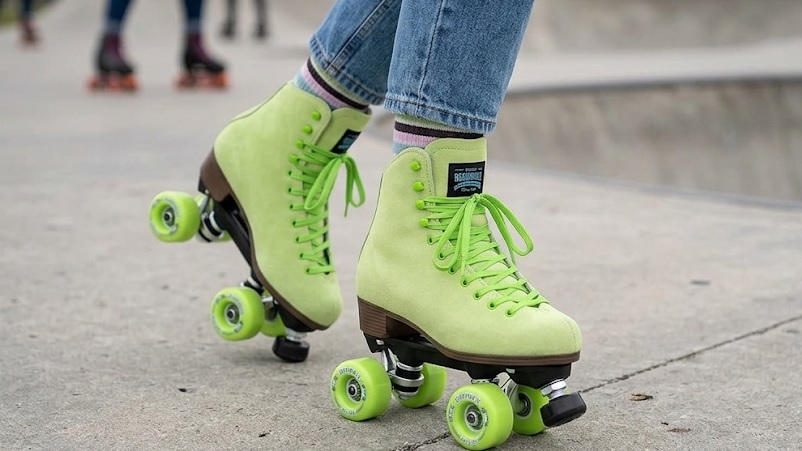
Riedell 911 Jam Skate – Best for Advanced Dancers
The Riedell 911 Jam Skate offers a low-cut suede boot with a short mount plate for maximum ankle flexibility. Best use case: advanced skaters performing complex footwork and spins who need precise control.
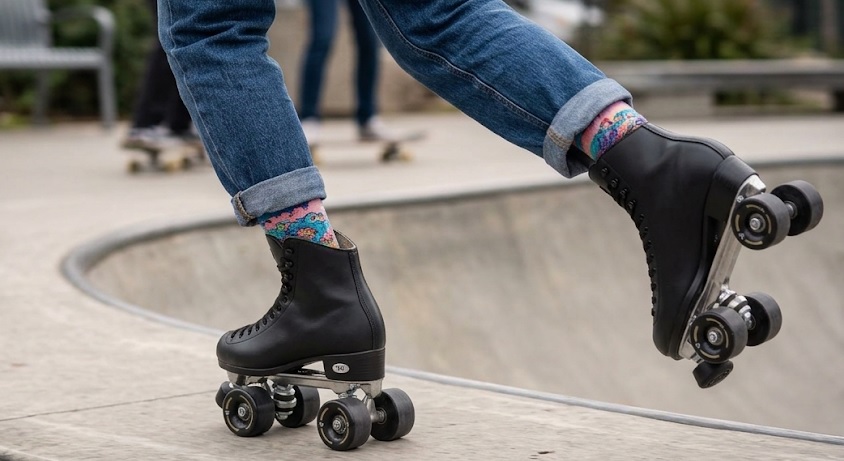
Moxi Rainbow Rider – Best Budget Option
The Moxi Rainbow Rider uses a sturdy vinyl boot and a fixed axle plate for smooth gliding. Best use case: beginners exploring jam skating without a high investment, offering reliable performance for basic moves.

Key Design Differences Between Jam Skates and Regular Skates
Understanding the design differences helps you choose the right skate for your goals. Jam skates prioritize mobility, while regular skates focus on stability and comfort. Here is a breakdown of the three critical components.
Boot Height and Ankle Support
Jam skates feature a low-cut boot that sits below the ankle bone, allowing full range of motion for spins and dips. Regular roller skates use a high-top boot for maximum ankle support during recreational skating. This difference directly impacts your ability to perform dance moves.
Plate Mount and Wheelbase
Jam skates have a short wheelbase and a centered plate mount for quick pivoting and tight turns. Regular skates use a longer wheelbase and a forward-mounted plate for straight-line stability and speed. The table below highlights the core differences.
| Feature | Jam Skate | Regular Skate |
|---|---|---|
| Boot Height | Low-cut | High-top |
| Wheelbase | Short | Long |
| Plate Mount | Centered | Forward |
| Primary Use | Dance & footwork | Casual & fitness |
Wheel Shape and Hardness
Jam skate wheels are narrower and harder, typically 57-62mm with a durometer of 95A-101A for smooth sliding. Regular skate wheels are wider and softer, usually 62-70mm with a durometer of 78A-85A for grip on rough surfaces. Choose jam wheels for rink floors and dance moves.
How to Choose Between Jam Skates and Regular Skates for Your Skill Level
Your skill level and skating goals determine which skate type suits you best. Beginners often prefer the stability of regular skates, while intermediates crave the agility of jam skates. Follow this guide to make the right choice.
Best Skates for Beginners: Start with Stability
If you are new to skating, choose regular high-top skates with soft wheels for maximum balance and control. These skates forgive mistakes and reduce ankle strain during the learning phase. Once you master forward skating and basic stops, you can transition to jam skates.
- Recommended: Start with a recreational quad skate like the Chicago Bullet or Riedell Dart.
- Pro tip: Focus on learning how to stride, stop, and turn before switching to jam skates.
Best Skates for Intermediate Skaters: Embrace Agility
Intermediate skaters who can glide and stop confidently will benefit from switching to jam skates. The low-cut boot and short wheelbase unlock new moves like spins, crossovers, and dips. Many skaters notice immediate improvement in their footwork speed and fluidity.
Best Skates for Advanced Skaters: Specialize Your Setup
Advanced skaters performing rhythm skating or artistic dance should use dedicated jam skates with a custom plate mount. For aggressive skating or roller derby, stick with high-top boots for lateral support. Your specific discipline dictates the optimal gear.
Common Mistakes When Switching to Jam Skates and How to Avoid Them
Many skaters struggle when transitioning from regular skates to jam skates due to the dramatic difference in feel. The low-cut boot and short wheelbase require new balance techniques. Avoid these common pitfalls to accelerate your learning curve.
Mistake 1: Leaning Too Far Forward
Regular skates have a forward-mounted plate that naturally shifts your weight onto your toes. Jam skates use a centered plate mount, so leaning forward causes you to stumble or fall. Keep your weight centered over the middle of your foot for stable gliding.
- Fix: Practice standing still in your jam skates and shifting your weight side to side.
- Drill: Perform small bubbles (scissors) to find your natural balance point.
Mistake 2: Over-Tightening the Trucks
New jam skate owners often tighten their trucks too much, fearing instability. This actually reduces maneuverability and makes pivoting difficult. Loose trucks allow the skates to respond quickly to your body movements.
- Fix: Start with trucks loose enough to wiggle slightly with your finger.
- Pro tip: Tighten only a quarter turn at a time until you feel comfortable.
Mistake 3: Using the Wrong Bearings
Jam skating requires fast, smooth spins that demand precision bearings. Using old or greasy bearings creates drag and slows your footwork. Clean bearings are essential for rhythm skating success.
- Recommendation: Use ABEC-7 or Swiss-rated bearings for optimal performance.
- Maintenance: Clean your bearings every two weeks if you skate frequently.
Essential Maintenance Tips for Keeping Your Jam Skates in Top Condition
Jam skates require more frequent maintenance than regular skates due to their precision components and high-performance use. Proper care extends the life of your skates and ensures consistent performance. Follow these maintenance routines to keep your gear rolling smoothly.
Weekly Bearing Cleaning for Optimal Spin
Dirty bearings are the number one cause of sluggish performance in jam skates. Remove your bearings weekly and clean them with a specialized bearing cleaner or acetone. Dry them thoroughly and apply one drop of lightweight oil before reassembling.
- Step 1: Pop out bearings using a bearing tool or axle nut.
- Step 2: Soak in cleaner for 10 minutes, then spin dry.
- Step 3: Re-lube and reinstall, ensuring they spin freely.
Monthly Truck and Cushion Inspection
The cushions (bushings) on jam skates compress over time, affecting turning responsiveness. Inspect them monthly for cracks or flattening. Replace cushions every 3-6 months if you skate intensively to maintain precise control.
Boot Care and Lace Replacement
Jam skate boots are low-cut and experience high stress during spins and dips. Check for stitching separation around the toe and heel areas. Replace worn laces immediately to maintain a secure fit during complex footwork.
| Maintenance Task | Frequency | Time Required |
|---|---|---|
| Bearing cleaning | Weekly | 15 minutes |
| Cushion inspection | Monthly | 5 minutes |
| Boot check | Monthly | 5 minutes |
| Wheel rotation | Every 2 months | 10 minutes |
Top Accessories to Enhance Your Jam Skating Experience
The right accessories can dramatically improve your comfort, safety, and performance on jam skates. While regular skaters may only need basic gear, jam skaters benefit from specialized add-ons. Here are the essential accessories every rhythm skater should consider.
Toe Stops and Plugs for Dance Moves
Jam skaters often replace traditional toe stops with smaller dance plugs for greater clearance during spins. Standard toe stops can catch the floor and interrupt complex footwork. Choose a low-profile plug like the Sure-Grip Dance Plug for maximum mobility.
- Best option: Sure-Grip Dance Plug for smooth transitions.
- Alternative: Remove toe stops entirely for advanced dancers.
Custom Laces for Secure Fit
Standard laces can loosen during rapid footwork, causing heel slip and instability. Waxed cotton laces grip tighter and stay tied longer than standard nylon laces. Replace your laces every two months for consistent tension.
Knee Pads and Wrist Guards for Safety
Jam skating involves frequent knee drops, spins, and floor work that regular skaters avoid. Invest in low-profile knee pads designed for dance skating, such as the 187 Killer Pads. Wrist guards prevent common injuries during backward falls.
| Accessory | Purpose | Recommended Brand |
|---|---|---|
| Dance plugs | Spin clearance | Sure-Grip |
| Waxed laces | Secure fit | Derby Laces |
| Knee pads | Floor work | 187 Killer Pads |
| Wrist guards | Fall protection | Triple Eight |
How to Transition from Regular Skates to Jam Skates in One Week
Switching from regular skates to jam skates feels dramatically different at first. The low-cut boot and short wheelbase require your body to relearn balance and movement patterns. Follow this one-week plan for a smooth and safe transition.
Day 1-2: Balance and Standing Drills
Start by wearing your jam skates around the house on carpet. Practice shifting your weight from foot to foot while keeping your knees bent. Stand still for 30-second intervals to train your ankles to stabilize without boot support.
- Drill: Stand on one foot for 10 seconds, then switch.
- Goal: Build ankle strength and centered balance.
Day 3-4: Basic Gliding and Striding
Move to a smooth, flat surface like a tennis court or rink. Practice small, controlled strides without picking up speed. Focus on keeping your weight centered over the middle of your foot, not your toes or heels.
- Drill: Glide on two feet for 10 feet, then stop.
- Goal: Develop muscle memory for the centered plate mount.
Day 5-7: Turns, Bubbles, and Stops
Introduce bubbles (scissors) to feel the responsiveness of the short wheelbase. Practice gentle turns by shifting your weight to one side. Master the T-stop before attempting any dance moves.
| Day | Focus | Duration |
|---|---|---|
| 1-2 | Balance drills | 15 minutes |
| 3-4 | Gliding and striding | 20 minutes |
| 5-7 | Turns and stops | 30 minutes |
Where to Practice Jam Skating: Best Surfaces and Locations
The surface you skate on dramatically affects your performance and safety with jam skates. Hard, smooth floors allow the narrow wheels to slide and pivot effortlessly. Choosing the wrong surface can damage your wheels or cause dangerous slips.
Best Surfaces for Jam Skating
Indoor rinks with polished wood or concrete are the ideal surfaces for jam skating. These floors provide the perfect balance of grip and slide for spins and footwork. Outdoor asphalt and rough concrete will wear down your hard wheels quickly.
- Best: Indoor roller rinks with maple wood floors.
- Good: Smooth concrete basketball courts or tennis courts.
- Avoid: Rough asphalt, brick, or carpeted surfaces.
Finding Local Jam Skating Communities
Many cities have adult skate nights or rhythm skating groups that welcome newcomers. Search for “jam skating [your city]” on Facebook or Meetup to find local sessions. Skating with experienced dancers accelerates your learning curve significantly.
Setting Up a Home Practice Space
If you cannot access a rink, create a home practice area on smooth garage floors or laminate flooring. Use a large mirror to check your posture and alignment during drills. A 10×10 foot space is sufficient for basic footwork practice.
| Surface Type | Suitability | Wheel Wear |
|---|---|---|
| Polished wood rink | Excellent | Low |
| Smooth concrete | Good | Moderate |
| Asphalt | Poor | High |
| Laminate flooring | Fair | Moderate |
Conclusion: What Makes Jam Skates Different From Regular Roller Skates
Jam skates offer superior agility and freedom of movement for dance skating, while regular skates prioritize stability and comfort. The low-cut boot, short wheelbase, and centered plate mount make all the difference for footwork and spins.
Choose jam skates if your goal is rhythm skating, dance moves, or artistic performance. Invest in proper maintenance, safety gear, and smooth practice surfaces for the best experience.
Ready to elevate your skating? Start with our recommended products above and join a local jam skating community today.
Frequently Asked Questions About Jam Skates vs Regular Skates
What is the main difference between jam skates and regular roller skates?
The primary difference lies in the boot height and plate design. Jam skates have a low-cut boot that sits below the ankle, allowing full range of motion for dance moves and spins. Regular skates use a high-top boot for maximum ankle support.
Jam skates also feature a centered plate mount with a shorter wheelbase for quick pivoting. Regular skates use a forward-mounted plate with a longer wheelbase for straight-line stability during casual skating or fitness routines.
Are jam skates harder to balance on than regular skates?
Yes, jam skates are generally harder to balance on for beginners. The low-cut boot provides minimal ankle support, requiring stronger stabilizing muscles in your feet and legs. This design prioritizes agility over stability.
Most skaters adapt within one to two weeks of consistent practice. Starting with balance drills on carpet and gradually progressing to smooth surfaces helps build the necessary muscle memory and confidence.
Can I use jam skates outdoors on sidewalks or streets?
Jam skates are not ideal for outdoor use on rough surfaces. The hard, narrow wheels (95A-101A durometer) are designed for smooth indoor rink floors. Outdoor skating on asphalt will quickly wear down these wheels and create a rough, uncomfortable ride.
If you must skate outdoors, consider switching to softer outdoor wheels (78A-85A) on your jam skate frame. However, this compromises the responsiveness needed for dance moves. Dedicated outdoor skates are a better investment for street skating.
How do I know if I should switch from regular skates to jam skates?
You should switch to jam skates if you feel limited by your current skates during dance moves or footwork. If you can comfortably stride, stop, and turn on regular skates but struggle with spins or crossovers, jam skates will unlock new abilities.
Intermediate skaters who spend most of their rink time dancing rather than speed skating will benefit most. Beginners should master basic skating skills on regular skates first before transitioning to jam skates for safety reasons.
What size wheels do jam skates typically use?
Jam skates typically use smaller wheels ranging from 57mm to 62mm in diameter. These smaller wheels provide a lower center of gravity and faster spin response compared to the larger 62-70mm wheels found on regular recreational skates.
The narrower profile of jam skate wheels also reduces surface contact for smoother slides and pivots. Wheel hardness typically ranges from 95A to 101A, which is significantly harder than the 78A-85A wheels used on regular outdoor skates.
Can I convert my regular skates into jam skates?
Yes, you can partially convert regular skates by swapping components, but the results are limited. Replacing the wheels with smaller, harder jam wheels and switching to a low-profile toe stop or dance plug improves maneuverability.
However, you cannot change the boot height or plate mount position on most regular skates. For a true jam skating experience, purchasing dedicated jam skates with a low-cut boot and centered plate is highly recommended over a conversion attempt.
What is the best way to learn jam skating moves?
The best way to learn jam skating is to start with basic balance and weight-shifting drills on smooth indoor surfaces. Practice bubbles (scissors), two-foot glides, and gentle turns before attempting any spins or complex footwork patterns.
Joining a local adult skate night or rhythm skating group provides valuable peer feedback and motivation. Watching online tutorials from experienced jam skaters on YouTube can also help you visualize proper technique before practicing on your own.
Do jam skates require more maintenance than regular skates?
Yes, jam skates require more frequent maintenance due to their precision components and high-performance demands. Bearings should be cleaned weekly, cushions inspected monthly, and boots checked for stitching separation regularly to ensure optimal performance.
Regular skates used for casual cruising can often go months between maintenance sessions. Jam skaters who practice several times per week should budget 15-30 minutes weekly for cleaning and inspections to keep their equipment in top condition.