Your knee pads should be snug but not restrictive. A perfect fit stays in place during falls without cutting off circulation, providing maximum protection while skating.
In this complete guide, you will learn expert tips for testing knee pad tightness. We cover proven methods to avoid slipping and ensure safety, helping you skate with confidence.
Best Knee Pads for Skating – Recommended Picks
187 Killer Pro Knee Pads – Best Overall for Aggressive Skating
These pads feature a high-density foam core and a durable cap for hard impacts. The adjustable straps allow a custom snug fit, ideal for aggressive skating or ramps. They stay secure during high-speed falls without slipping.
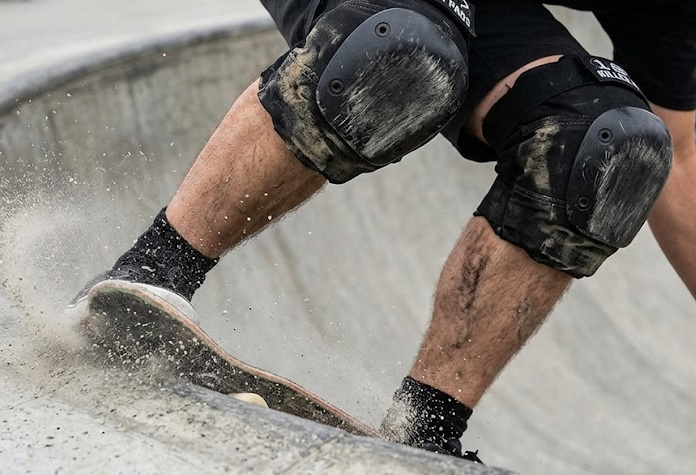
Triple Eight KP 22 Knee Pads – Best for Park and Street Skating
This model offers a slim profile with a thick shock-absorbing pad underneath a plastic cap. The elastic straps are easy to adjust for a comfortable, non-restrictive fit. An excellent choice for park and street skating sessions.
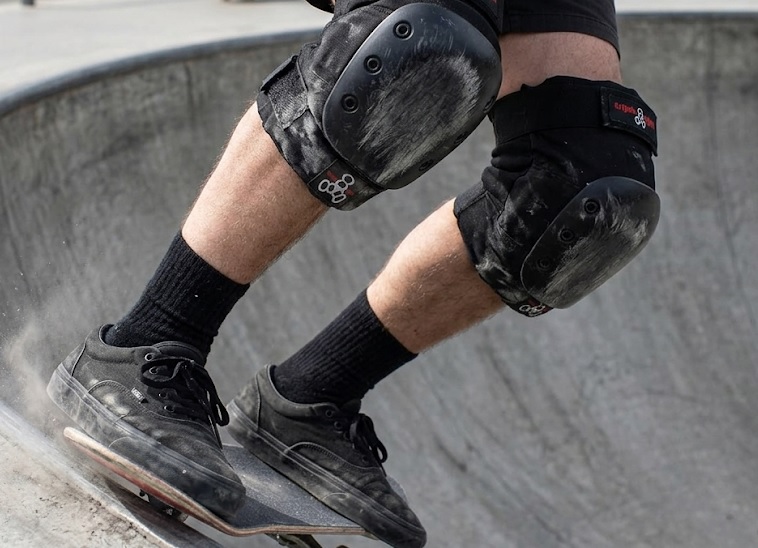
Smith Scabs Elite Knee Pads – Best for Skateboarding and Vert
Built with a leather outer shell and heavy-duty padding, these pads provide superior durability. The reinforced stitching and wide straps ensure the pad stays tight without cutting into your skin. Perfect for vert ramps and intense skate sessions.
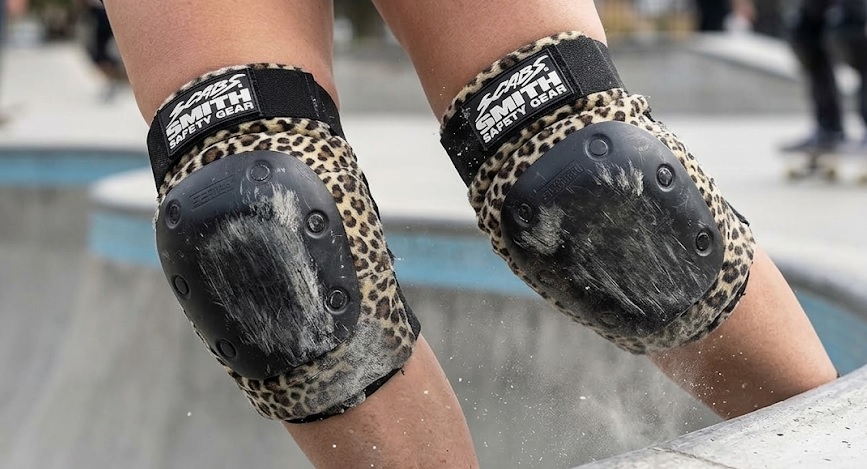
How to Test Knee Pad Fit for Skating Safety
Getting the right tightness prevents injuries and keeps pads from sliding. A proper fit balances security with comfort, allowing full range of motion. Follow these simple checks before every session.
The Finger Test for Snugness
After fastening the straps, try sliding one finger between the pad and your leg. If you can fit more than two fingers, the pads are too loose. If you cannot fit any fingers, the pads are cutting off circulation.
- Too loose: Pad shifts during falls, exposing your knee
- Too tight: Straps dig in, causing numbness or restricted blood flow
- Perfect fit: Snug contact with no pinching or movement
Testing Movement and Stability
Bend your knee fully and perform a few squats. The pad should stay centered over your kneecap without rolling or bunching behind the leg. If the pad shifts, tighten the straps incrementally until it stays put.
Walk around for one minute and check for pressure points. Discomfort during movement often means the pad is too tight or the wrong size. Adjust each strap individually for a balanced fit.
Common Fit Mistakes to Avoid
Many skaters overtighten the top strap while leaving the bottom loose. This creates a hinge effect that causes the pad to rotate on impact. Always tighten straps evenly from top to bottom.
Another mistake is buying pads that are too large to avoid tightness. Loose pads provide false security and can shift dangerously during a fall. Always measure your knee circumference before purchasing.
Key Takeaway: Your knee pads should feel like a second skin—snug enough to stay in place, but loose enough to allow full bending and comfortable circulation.
Signs Your Knee Pads Are Too Tight or Too Loose
Knowing the warning signs of a poor fit prevents injuries and discomfort. Your body gives clear signals when knee pads are not adjusted correctly. Learn to recognize these signs before you skate.
Indicators of Overtightened Knee Pads
If you feel numbness or tingling in your lower leg after five minutes of wear, your straps are too tight. This restricts blood flow and can lead to muscle cramps during skating. You should also watch for deep red marks that do not fade quickly after removal.
- Pinching: Skin bunches up behind the knee, causing irritation
- Restricted bending: You cannot squat fully without the pad digging in
- Strap discomfort: Velcro ends press into your skin when bent
Indicators of Loose Knee Pads
Pads that slide down during walking are dangerously loose for skating. A loose pad exposes your kneecap during a fall, rendering the protection useless. You may also notice the hard cap rotating away from your knee when you bend.
Another sign is the pad shifting sideways after a few jumps or turns. This creates a gap between the padding and your knee, reducing impact absorption. If you constantly adjust your pads mid-session, they are too loose.
How to Adjust Straps for the Perfect Fit
Start by loosening all straps completely, then put the pad in position over your kneecap. Tighten the bottom strap first to anchor the pad, then the top strap to secure it. Finally, adjust the middle strap for even pressure distribution.
Test the fit by performing a knee drop onto a soft surface. The pad should stay centered and absorb the impact without shifting. Repeat this process for both knees, as your legs may require different tightness levels.
Warning: Never skate with pads that leave deep indentations or cause numbness. This indicates restricted blood flow, which increases injury risk and reduces performance.
Choosing the Right Knee Pad Size for Skating Comfort
Selecting the correct size is the first step to achieving proper tightness. Even the best straps cannot fix a pad that is fundamentally too large or small. Measure your knee correctly before making a purchase.
How to Measure Your Knee for Pads
Wrap a measuring tape around the center of your kneecap while standing. Record the circumference in inches or centimeters, then compare it to the manufacturer’s size chart. Each brand uses different sizing, so never assume your size carries over.
- Small: 12–14 inches (30–36 cm) – typically fits youth or smaller adults
- Medium: 14–16 inches (36–41 cm) – common for average adult skaters
- Large: 16–18 inches (41–46 cm) – suited for larger frames or bulky pads
Understanding Sleeve vs. Strap-Style Knee Pads
Sleeve-style pads use compression fabric to stay in place without straps. They require a very precise size match, as too loose causes slipping and too tight restricts movement. These are ideal for low-impact skating like cruising or commuting.
Strap-style pads offer adjustable tightness through Velcro fasteners. They accommodate slight size variations and allow you to customize fit for different activities. These are recommended for aggressive skating where impact protection is critical.
Brand-Specific Fit Considerations
Some brands like 187 Killer Pads run smaller and tighter for a secure competitive fit. Triple Eight pads tend to run true to size with a more relaxed feel. Always read customer reviews regarding sizing before ordering online.
If you fall between two sizes on a chart, choose the larger size for strap-style pads. You can tighten the straps to compensate, but a pad that is too small will always restrict circulation. For sleeve-style pads, always size down for compression.
Pro Tip: Measure your knee in the morning when swelling is minimal. Repeat the measurement after skating to account for muscle pump, ensuring your pads fit comfortably throughout your session.
Adjusting Knee Pad Tightness for Different Skating Styles
Your skating discipline directly affects how tight your knee pads should be. Aggressive skating demands a tighter fit than casual cruising. Matching tightness to your activity ensures both safety and comfort.
Tightness for Aggressive and Park Skating
For ramp skating, grinds, and big drops, your pads need to be very snug. These activities involve high-impact falls where any pad movement can expose your knee. Tighten straps firmly so the pad feels almost locked in place.
- Top strap: Tight enough to prevent downward sliding during landings
- Bottom strap: Firm to anchor the pad below the kneecap
- Middle strap: Snug but not cutting into the back of your leg
Tightness for Street and Freestyle Skating
Street skating involves more bending, jumping, and technical footwork. Pads should be moderately tight to allow full knee flexion while staying secure. Overtightening here can restrict your range of motion for tricks.
Test your fit by performing a deep lunge and a tuck jump. The pad should not pinch behind the knee or slide down when you land. If you feel resistance during movement, loosen the straps slightly.
Tightness for Cruising and Commuting
For low-impact skating on flat terrain, comfort takes priority over extreme security. Pads can be comfortably snug without needing maximum strap tension. This prevents fatigue during long skating sessions.
Sleeve-style pads are often preferred for cruising because they provide consistent compression without straps. If using strap-style pads, keep them loose enough to wear for extended periods without discomfort. Check the fit after 15 minutes of skating to ensure they have not loosened.
| Skating Style | Recommended Tightness | Key Fit Priority |
|---|---|---|
| Aggressive / Park | Very snug | Impact security |
| Street / Freestyle | Moderate | Range of motion |
| Cruising / Commuting | Comfortably snug | Long-term comfort |
Key Takeaway: Always adjust your knee pad tightness based on the specific demands of your skating style. One fit does not work for every activity.
Maintaining Knee Pad Tightness During Long Skating Sessions
Knee pads naturally loosen over time as straps stretch and materials compress. Checking and readjusting your pads mid-session is essential for consistent protection. Develop a routine to maintain optimal tightness from start to finish.
Why Pads Loosen During Skating
Velcro straps accumulate dust and debris, reducing their gripping power after repeated use. Sweat also causes the strap material to slide more easily against itself. The foam padding compresses slightly under pressure, creating slack in the fit.
- Strap wear: Velcro loses 20–30% of its hold after six months of regular use
- Foam compression: Padding can compact up to 10% during an intense session
- Movement friction: Repeated bending pushes pads downward over time
How to Retighten Pads Without Stopping Your Session
Take a 30-second break every 20 minutes to check your straps. Pull the top strap first, then the bottom, without overtightening. This quick reset prevents pads from shifting during a critical fall.
If you notice your pads slipping frequently, clean the Velcro with a stiff brush to remove debris. Dirty straps can lose grip even when the pads are correctly sized. Replace worn-out straps or pads immediately to maintain safety.
Extending the Life of Your Knee Pads
Store your knee pads unfastened between sessions to prevent Velcro from flattening. Avoid leaving them in direct sunlight or hot cars, as heat degrades elastic and foam. Hand wash pads with mild soap and air dry them to preserve materials.
Rotate between two pairs of pads if you skate frequently. This allows the foam to fully decompress between uses, maintaining its shock-absorbing properties. A well-maintained pair of knee pads can last two to three years with proper care.
Maintenance Tip: Replace your knee pads immediately if you notice cracked hard caps, torn stitching, or Velcro that no longer holds firmly. Damaged pads offer false security and can fail during a fall.
Common Questions About Knee Pad Tightness Answered
Many skaters have specific concerns about how tight their knee pads should feel. Addressing these common questions helps you dial in the perfect fit. Use these answers as a quick reference guide.
Should Knee Pads Be Tight When Not Skating?
No, knee pads should not be worn tight when you are not actively skating. Loosen the straps fully between sessions to allow your skin to breathe and blood flow to normalize. Wearing tight pads for extended periods can cause skin irritation or circulation issues.
Only adjust pads to their skating tightness when you are ready to step onto your board. This preserves the elasticity of the straps and prevents unnecessary wear. It also gives your knees a break from constant compression.
Can Knee Pads Be Too Tight for Comfort?
Yes, knee pads can absolutely be too tight if they cause pain, numbness, or restricted movement. Comfort is a critical factor in proper fit because discomfort distracts you from skating safely. If you cannot focus on your tricks due to pad pressure, loosen them immediately.
- Pain: Sharp pressure points indicate straps are too tight or misaligned
- Numbness: Tingling in the shin or calf signals restricted blood flow
- Bruising: Deep strap marks that persist after removal mean excessive tightness
How Do I Know If My Knee Pads Are Too Loose for Protection?
Your knee pads are too loose if they slide down when you jump or bend your knees. Another clear sign is the hard cap rotating away from your kneecap during movement. If you find yourself constantly pushing the pads back up, they are dangerously loose.
Perform a drop test from a low height onto a soft surface. The pad should stay centered over your kneecap upon impact. Any shifting during the test means you need tighter straps or a smaller size.
Safety Reminder: Never compromise protection for comfort. If your pads are uncomfortable at the correct tightness, you likely need a different model or size, not looser straps.
Breaking In New Knee Pads for Optimal Tightness
New knee pads often feel stiffer and less comfortable than worn-in pairs. Breaking them in properly helps you achieve the ideal tightness without discomfort. Patience during this process ensures long-term fit and performance.
Why New Pads Feel Different
Fresh foam padding is dense and uncompressed, making the pad feel bulkier against your leg. The straps are also stiffer and may not conform to your knee shape immediately. This can make the perfect tightness feel slightly off during the first few sessions.
- Foam stiffness: Takes 3–5 sessions to soften and mold to your knee
- Strap rigidity: Velcro and elastic need repeated use to flex properly
- Cap alignment: Hard plastic caps may feel awkward until they settle into position
How to Break In Knee Pads Quickly
Wear your new pads around the house for 30 minutes before your first skate session. Bend, squat, and walk to help the foam begin molding to your legs. This pre-wear reduces stiffness without risking a fall during adjustment.
For faster break-in, hand knead the foam padding gently to soften it. Focus on the areas that press against your kneecap and the back of your leg. Avoid using heat or machines, as these can damage the protective materials.
Adjusting Tightness During the Break-In Period
Expect to retighten your straps more frequently during the first week of use. As the foam compresses, the initial tightness will loosen slightly. Check your fit after every few runs and adjust accordingly.
Do not overtighten new pads to compensate for stiffness. This can damage the straps or create permanent pressure points in the foam. Allow the materials to break in naturally while maintaining a snug, comfortable fit.
Pro Tip: If new pads feel unbearably tight at the correct size, try wearing thin knee sleeves underneath. This reduces friction and helps the pad slide into its natural position during break-in.
Conclusion: Mastering Knee Pad Tightness for Safe Skating
Getting your knee pads to the perfect tightness is essential for both safety and comfort. Remember the finger test: snug enough to stay put, but loose enough for full circulation and movement.
Always adjust your pads based on your skating style. Aggressive skating demands a tighter fit, while cruising allows for a more relaxed feel. Check your straps every 20 minutes during long sessions.
Now that you know how tight knee pads should be, go measure your fit and skate with confidence. Your knees will thank you.
Frequently Asked Questions About Knee Pad Tightness for Skating
How tight should knee pads be when skating for the first time?
For your first session, tighten knee pads until they feel snug but do not pinch. You should be able to slide one finger under each strap comfortably. Avoid overtightening, as new pads need a break-in period to soften.
Check the fit after five minutes of skating and adjust as needed. Your pads will settle into position as the foam compresses slightly. Prioritize comfort and circulation over maximum security during early use.
What is the best way to test if my knee pads are too tight?
The best test is to wear your pads for five minutes and then remove them. If you see deep red marks that take more than two minutes to fade, the straps are too tight. Numbness or tingling in your lower leg is another clear warning sign.
Perform a full squat while wearing the pads. If the pad digs into the back of your knee or restricts your movement, loosen the straps slightly. Your pads should feel secure but allow full range of motion.
Can wearing knee pads too tight cause injury?
Yes, overtightened knee pads can cause several issues. Restricted blood flow leads to numbness, muscle cramps, and even nerve compression over time. This reduces your ability to feel your feet and control your board properly.
Excessive tightness can also cause skin irritation, chafing, and bruising along the strap lines. In severe cases, it can worsen knee injuries by altering your natural movement patterns. Always prioritize proper fit over maximum tightness.
Why do my knee pads keep sliding down while skating?
Knee pads slide down most often because the straps are too loose or the size is incorrect. Try tightening each strap incrementally, starting with the bottom strap first. If sliding continues, your pads may be one size too large.
Another cause is worn-out Velcro that has lost its gripping power. Clean the straps with a stiff brush to remove debris and restore hold. If the Velcro is completely worn, replace the pads immediately for safety.
How often should I replace my skating knee pads?
Replace your knee pads every one to two years with regular skating use. Signs of wear include cracked hard caps, torn stitching, and Velcro that no longer holds firmly. Compressed foam that feels flat also indicates it is time for a replacement.
If you take frequent hard falls, inspect your pads monthly for damage. A single heavy impact can crack the cap or compress the foam permanently. Never skate with damaged pads, as they provide false security during falls.
Should I tighten knee pads differently for park skating versus street skating?
Yes, park skating requires tighter knee pads for high-impact falls on ramps and coping. Tighten straps firmly to prevent any pad movement during drops and grinds. Street skating allows for moderately tight pads to maintain range of motion for tricks.
For park skating, the top strap should be very snug to prevent downward sliding. For street skating, focus on even strap tension that allows full knee bending. Adjust your tightness based on the specific demands of each session.
What should I do if my knee pads are too tight behind the knee?
If the padding behind your knee causes discomfort, try repositioning the pad slightly higher or lower on your leg. The thickest padding should sit directly over your kneecap, not behind it. Loosen the middle strap to relieve pressure in the back of the knee.
Consider trying a different pad design with thinner backing material. Some models feature cutouts or softer foam behind the knee for better comfort. A properly positioned pad should not pinch or dig into the back of your leg.
Is it normal for knee pads to feel uncomfortable at first?
Some initial discomfort is normal, especially with new pads that have stiff foam and straps. This usually fades after three to five skating sessions as the materials break in. Persistent pain or pinching, however, indicates a poor fit or wrong size.
Wear your pads around the house before skating to speed up the break-in process. If discomfort continues after a week of use, consider trying a different brand or model. Your knee pads should feel comfortable once properly broken in.