
Understanding what’s inside a knee pad is the first step to choosing the right protection. The core difference between foam and gel padding determines comfort, impact absorption, and durability for your specific activity.
This complete guide explains the materials, performance, and expert tips for each padding type. Read on to discover which internal structure delivers the best support for your knees.
Best Knee Pads for Flooring Work – Detailed Comparison
ProKnee Original EK-2 – Best Overall Choice
The ProKnee Original EK-2 features a dual-layer foam core with a gel insert at the patella. This hybrid design delivers superior impact absorption for long hours on hard surfaces. Best for professional flooring installers who need all-day comfort and durable, replaceable straps.
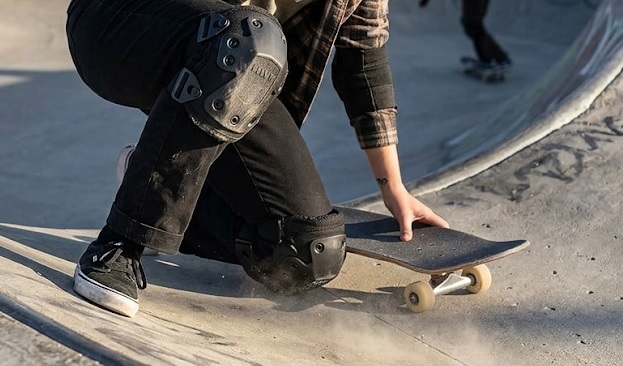
KneePro K10 Gel-Foam Hybrid – Best Value Option
The KneePro K10 uses a thick gel bladder encased in high-density memory foam. It provides excellent shock dispersion while maintaining a low profile for mobility. Ideal for DIYers and contractors seeking premium protection without the premium price tag.
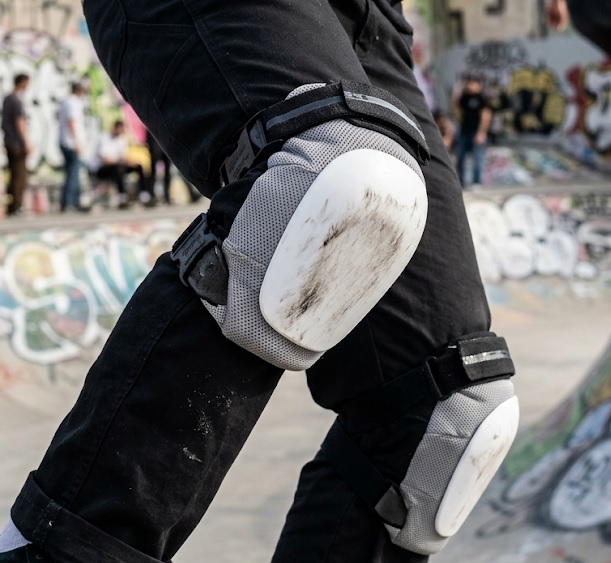
NoTrax KneeSaver Gel-Lite – Best for Hard Floors
The NoTrax KneeSaver Gel-Lite contains a solid gel core wrapped in closed-cell foam. This combination prevents bottoming out on concrete and tile surfaces. Recommended for tilers and masons who require maximum pressure point relief during repetitive kneeling tasks.
Foam Padding vs Gel Padding: Key Performance Differences
Choosing between foam and gel padding depends on how each material handles pressure, weight, and heat. Both options protect your knees, but they perform very differently over time.
How Foam Padding Absorbs Impact
High-density foam compresses under pressure to slow down impact forces. This material is lightweight and molds to your knee shape after repeated use.
- Closed-cell foam: Water-resistant and firm, ideal for wet job sites
- Memory foam: Softens with body heat for a custom fit
- Best for: Carpet layers and painters who need flexibility
How Gel Padding Distributes Weight
Gel padding uses a viscous fluid-like core that displaces pressure across a wider surface area. This prevents concentrated stress on the kneecap.
- Gel bladders: Offer superior shock absorption for concrete floors
- Silicone gel: Stays pliable in cold temperatures
- Best for: Tile setters and masons on hard, uneven surfaces
Durability and Longevity Comparison
Foam padding tends to break down faster under heavy use, often flattening after 3-6 months. Gel padding maintains its structure longer but can puncture if exposed to sharp debris.
| Feature | Foam Padding | Gel Padding |
|---|---|---|
| Weight | Lightweight | Heavier |
| Cold weather | Stays firm | Can stiffen |
| Lifespan | 3-6 months | 6-12 months |
Key takeaway: Choose foam for lightweight tasks and gel for heavy-impact work on hard surfaces. Your job type determines the best internal padding for long-term knee health.
How to Choose the Right Knee Pad Padding for Your Job
Selecting between foam and gel padding requires matching the material to your specific work conditions. The wrong choice can lead to discomfort, reduced mobility, or faster wear.
Assess Your Floor Surface and Duration
Hard surfaces like concrete and tile demand maximum impact absorption from gel padding. Softer surfaces like carpet or wood allow for lighter foam padding.
- Concrete or tile: Choose gel padding for superior shock dispersion
- Carpet or vinyl: Opt for closed-cell foam for comfort and flexibility
- Uneven ground: Hybrid foam-gel pads offer the best balance
Consider Your Body Weight and Movement Needs
Heavier individuals require denser padding to prevent bottoming out. Frequent kneeling and standing demands a thinner profile to avoid tripping hazards.
- Under 180 lbs: Standard foam padding provides adequate support
- Over 180 lbs: Gel or high-density foam prevents compression fatigue
- High mobility: Low-profile gel pads allow easier walking
Evaluate Climate and Work Environment Factors
Temperature affects how padding materials perform. Gel can stiffen in cold weather, while foam retains its shape better in varying conditions.
| Condition | Foam Performance | Gel Performance |
|---|---|---|
| Hot weather | Retains shape well | Stays pliable |
| Cold weather | Remains firm | Can harden |
| Wet conditions | Closed-cell resists water | Sealed gel bladders safe |
Key takeaway: Match padding type to your floor hardness, body weight, and climate. Testing both materials for 15 minutes on your actual work surface reveals the best fit for long-term comfort.
Maintenance Tips to Extend Knee Pad Padding Lifespan
Proper care dramatically extends the life of both foam and gel padding. Neglecting maintenance causes premature breakdown and reduced protection within weeks.
Cleaning Foam Padding Correctly
Foam absorbs sweat and dirt, leading to odor and material degradation. Clean foam pads after every use to maintain their structure and hygiene.
- Hand wash only: Use mild soap and lukewarm water to avoid damage
- Air dry completely: Never machine dry foam, as heat destroys cell structure
- Spot clean stains: Apply baking soda paste for deep odor removal
Preserving Gel Padding Integrity
Gel bladders can rupture if mishandled or exposed to sharp objects. Inspect gel pads before each use for signs of leakage or cracking.
- Wipe with damp cloth: Avoid soaking gel pads in water
- Store flat: Hanging gel pads can cause stretching and uneven wear
- Avoid extreme temperatures: Heat softens gel, cold makes it brittle
Storage Practices for Both Padding Types
Storing knee pads incorrectly accelerates material fatigue. Follow these guidelines to keep padding functional for months longer.
| Practice | Foam Padding | Gel Padding |
|---|---|---|
| Best storage | Flat in cool, dry place | Flat in climate-controlled area |
| Avoid | Direct sunlight | Sharp objects nearby |
| Lifespan with care | 6-9 months | 12-18 months |
Key takeaway: Clean after each use, store flat, and inspect regularly. Foam requires gentle washing, while gel needs protection from punctures and temperature swings. Proper maintenance doubles your knee pad investment.
Hybrid Knee Pad Padding: Best of Both Worlds
Hybrid knee pads combine foam and gel layers to leverage the strengths of each material. This design delivers superior comfort by using gel for impact absorption and foam for stability.
How Hybrid Padding Construction Works
Most hybrid pads place a gel insert at the kneecap surrounded by a foam perimeter. This targets shock absorption where you need it most while foam provides edge support.
- Gel core: Disperses impact pressure away from the patella
- Foam border: Prevents the pad from shifting during movement
- Result: Reduced fatigue during 8+ hour workdays
Top Hybrid Knee Pad Models to Consider
Several manufacturers now offer hybrid designs for professional use. These models balance weight, durability, and protection for demanding jobs.
- ProKnee EK-2: Features a gel-filled patella pocket with foam surround
- KneePro K10: Uses a gel bladder encased in memory foam layers
- CustomCraft Hybrid: Offers replaceable gel inserts in a foam base
When Hybrid Padding Is the Best Choice
Hybrid knee pads excel in specific work scenarios where neither foam nor gel alone suffices. They cost more but provide measurable benefits for heavy users.
| Scenario | Foam Only | Gel Only | Hybrid |
|---|---|---|---|
| 8+ hour concrete work | Poor | Good | Excellent |
| Frequent standing | Good | Fair | Excellent |
| Uneven surfaces | Fair | Good | Excellent |
Key takeaway: Hybrid padding justifies its higher price for professionals working long shifts on hard floors. The combination of gel shock absorption and foam stability prevents knee strain better than single-material designs. Consider hybrids if you experience knee pain with standard pads.
Common Knee Pad Padding Problems and How to Fix Them
Even high-quality knee pads develop issues over time. Recognizing early warning signs helps you address padding problems before they cause discomfort or injury.
Foam Padding Flattening and Compression
Foam loses its rebound ability after repeated compression cycles. This creates hard spots that transfer pressure directly to your kneecap.
- Signs: Pad feels thin, dents remain after use, knee contacts hard shell
- Fix: Replace foam inserts every 6 months for heavy users
- Prevention: Rotate between two pairs of knee pads to extend foam life
Gel Padding Leakage and Rupture
Gel bladders can puncture from sharp debris or crack from temperature extremes. A ruptured gel pad provides zero shock absorption and creates a mess.
- Signs: Sticky residue on pants, uneven padding feel, visible cracks
- Fix: Replace gel inserts immediately; do not attempt repairs
- Prevention: Inspect pads daily and avoid kneeling on sharp objects
Padding Shifting Inside the Knee Pad Shell
Internal padding can slide out of position, leaving your kneecap unprotected. This often happens with worn-out adhesive or loose stitching.
| Problem | Cause | Solution |
|---|---|---|
| Foam slides forward | Worn adhesive backing | Apply double-sided tape |
| Gel bladder bunches | Loose fabric pocket | Sew pocket tighter |
| Padding separates | Delamination of layers | Replace entire pad |
Key takeaway: Address padding problems immediately to avoid knee strain. Flattened foam and ruptured gel offer no protection. Regular inspection and timely replacement keep your knee pads effective and your joints safe during long workdays.
Knee Pad Padding for Specific Activities and Sports
Different activities place unique demands on knee pad padding. Choosing material based on your sport prevents injury and maximizes comfort during movement.
Best Padding for Volleyball and Basketball
Court sports require thin, flexible padding that doesn’t restrict jumping or lateral movement. Impact absorption must balance with freedom of motion.
- Recommended: Low-profile gel pads (3-5mm thickness) for impact without bulk
- Avoid: Thick foam pads that slide down during play
- Top choice: McDavid 6446 Hex Pad with gel-infused foam layer
Optimal Padding for Construction and Flooring
Trade work demands maximum durability and thickness for prolonged kneeling. Padding must resist compression over 8+ hour shifts on hard surfaces.
- Recommended: Hybrid foam-gel pads (15-20mm thickness) for concrete
- Avoid: Thin gel pads that bottom out under heavy loads
- Top choice: ProKnee EK-2 with dual-layer foam and gel core
Ideal Padding for Gardening and DIY Projects
Light-duty tasks need comfortable, affordable padding for occasional kneeling. Breathability and easy cleaning matter more than extreme durability.
| Activity | Padding Type | Thickness | Key Feature |
|---|---|---|---|
| Volleyball | Gel | 3-5mm | Non-slip grip |
| Flooring | Hybrid | 15-20mm | Compression resistance |
| Gardening | Foam | 8-10mm | Easy to clean |
| Yoga | Foam | 5-8mm | Flexible and light |
Key takeaway: Match knee pad padding to your specific activity demands. Volleyball players need thin gel for mobility, construction workers require thick hybrid padding for impact, and gardeners benefit from affordable foam that cleans easily. The right padding prevents injury and enhances performance in any activity.
How to Test Knee Pad Padding Before Buying
Testing padding before purchase prevents costly mistakes and discomfort. A simple hands-on evaluation reveals how foam or gel will perform during actual use.
The Pressure Test for Impact Absorption
Press your thumb firmly into the padding to simulate knee pressure. The material should compress gradually and return to shape within seconds.
- Good foam: Springs back immediately with no visible dent remaining
- Good gel: Displaces pressure sideways without bottoming out
- Warning sign: Padding that compresses to the shell offers zero protection
The Flexibility Check for Mobility
Bend the knee pad in half to assess how padding responds to movement. Stiff padding restricts walking and causes discomfort during frequent position changes.
- Foam test: Should flex easily without cracking or creasing
- Gel test: Should mold around curves without bunching up
- Ideal result: Padding follows knee movement without resistance
The Weight and Balance Evaluation
Heavy padding causes fatigue during long workdays. Compare multiple pads in your hands to gauge weight differences between foam and gel models.
| Test | Foam Padding | Gel Padding | Hybrid Padding |
|---|---|---|---|
| Weight (per pair) | 8-12 oz | 14-20 oz | 12-16 oz |
| Flexibility | Excellent | Good | Very good |
| Compression recovery | Fast | Moderate | Very good |
Key takeaway: Test padding by pressing, bending, and weighing before buying. Quick recovery and easy flexibility indicate quality materials. Avoid pads that compress completely or feel excessively heavy. A five-minute in-store test saves weeks of discomfort on the job.
Conclusion: Choosing the Right Knee Pad Padding for Your Needs
Understanding what’s inside a knee pad directly impacts your comfort and joint health. Foam offers lightweight flexibility, gel delivers superior shock absorption, and hybrid designs combine both benefits for demanding work.
Your best choice depends on your specific activity, floor surface, and work duration. Test padding before purchasing and maintain it properly to maximize lifespan.
Ready to protect your knees? Select the padding type that matches your job demands and invest in quality. Your knees will thank you after every long workday.
Frequently Asked Questions About Knee Pad Padding
What is the best padding material for knee pads?
The best padding material depends on your specific activity and work surface. Gel padding excels on hard floors like concrete, while foam works well on softer surfaces like carpet.
For most professionals, hybrid padding combining gel and foam offers the best balance of comfort and durability. Test both types on your actual work surface before deciding.
How long does foam knee pad padding typically last?
Standard foam padding lasts between 3 to 6 months with regular professional use. Closed-cell foam tends to hold its shape longer than memory foam varieties.
Heavy users who kneel for 8+ hours daily should replace foam inserts every 4 months. Proper storage and cleaning can extend foam lifespan by several weeks.
Can gel knee pad padding freeze in cold weather?
Yes, gel padding can stiffen or harden in temperatures below freezing. Most gel compounds begin to lose flexibility around 32°F (0°C).
If you work outdoors in winter, choose silicone-based gel pads that resist cold hardening. Alternatively, foam padding performs more consistently in freezing conditions.
How do I know when my knee pad padding needs replacement?
Replace padding when you feel hard spots, visible dents that don’t rebound, or your knee contacts the outer shell. Flattened foam offers zero impact protection.
Gel padding needs replacement if you notice leaks, sticky residue, or uneven thickness. Inspect your knee pads weekly and replace inserts at the first sign of wear.
What is the difference between open-cell and closed-cell foam padding?
Open-cell foam has a spongy texture that absorbs moisture and compresses easily. It offers soft comfort but degrades faster in wet conditions.
Closed-cell foam features a dense structure that resists water and maintains shape longer. It is firmer than open-cell foam but provides superior durability for professional use.
Which knee pad padding is best for tile work on concrete?
Gel padding or hybrid foam-gel pads are best for tile work on concrete. These materials disperse impact pressure away from the kneecap effectively.
Look for pads with at least 15mm of gel thickness to prevent bottoming out. The ProKnee EK-2 and KneePro K10 are popular choices among tile professionals.
How should I clean different types of knee pad padding?
Clean foam padding with mild soap and lukewarm water, then air dry completely. Never machine wash or dry foam, as heat destroys its cell structure.
Clean gel padding by wiping with a damp cloth and mild detergent. Avoid soaking gel pads, as moisture can seep into seams and cause bladder separation over time.
Are expensive knee pads with gel padding worth the extra cost?
Yes, for professionals working long shifts on hard surfaces, gel padding justifies its higher price. Gel lasts 12-18 months compared to 3-6 months for foam.
For occasional DIY users, affordable foam pads provide adequate protection. Consider your weekly kneeling hours to determine if the investment in gel padding makes financial sense.
What is the best way to store knee pads to preserve padding?
Store knee pads flat in a cool, dry place away from direct sunlight. Hanging pads can cause the padding to stretch and lose its original shape.
Avoid storing knee pads in hot vehicles or damp garages. Temperature extremes accelerate material breakdown in both foam and gel padding types.
Can I replace the padding in my existing knee pads?
Some knee pad models feature removable and replaceable padding inserts. Check if your brand offers replacement inserts before buying new knee pads.
Brands like ProKnee and NoTrax sell replacement padding for their popular models. Replacing inserts costs less than buying entirely new knee pads and extends your investment.
Comments are closed.