
Skating knee pads typically last between 6 months and 2 years of regular use. The exact lifespan depends heavily on pad quality, skating style, and frequency of falls.
This complete guide reveals expert tips to maximize durability and proven methods to spot wear early. Read on to learn how to extend your gear’s life and avoid painful injuries.
Best Skating Knee Pads for Durability – Detailed Comparison
187 Killer Pads Pro Derby Knee Pads – Best Overall Choice
These pro-grade pads feature a thick, replaceable cap and high-density foam for maximum impact absorption. Ideal for aggressive skaters and roller derby athletes who need long-lasting protection. The reinforced stitching prevents blowouts during hard falls.
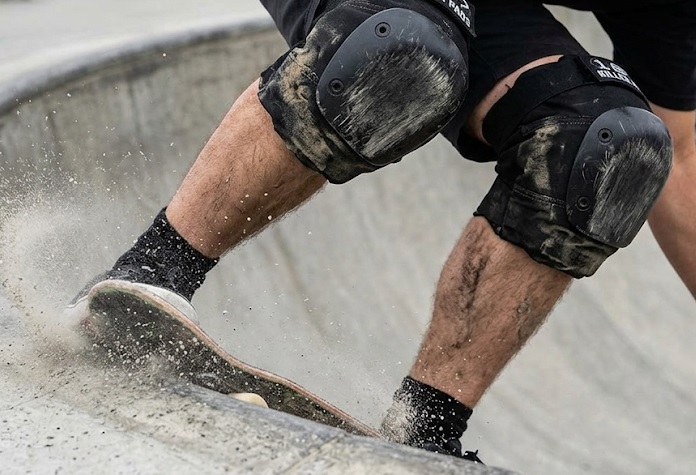
Triple Eight KP 22 Pro Knee Pads – Best for Versatility
A dual-density foam core and hard plastic cap offer excellent protection for skateboarding and inline skating. The contoured fit stays secure during active movement. Best option for skaters who switch between disciplines frequently.
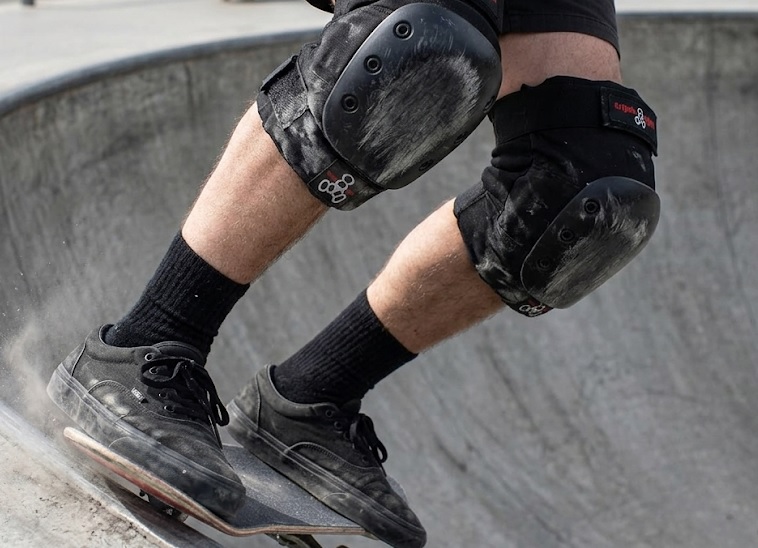
Smith Scabs Elite Knee Pads – Best Budget-Friendly Choice
These pads use a tough nylon shell with thick EVA foam for reliable protection at a lower price point. Recommended for beginners and recreational skaters. The ventilated design keeps you cool during long practice sessions.
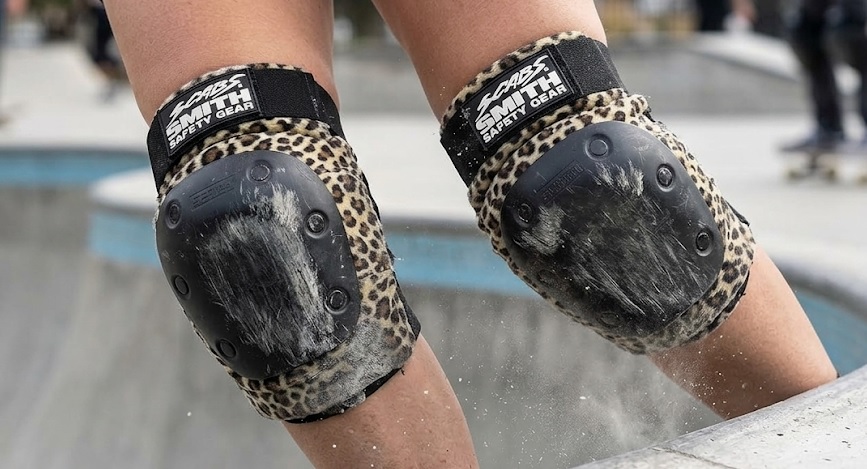
Key Factors That Determine Knee Pad Lifespan
Several variables dictate how long your skating knee pads will last. Understanding these factors helps you choose durable gear and maximize its lifespan.
Skating Frequency and Intensity
Daily skaters who practice aggressive moves will wear out pads much faster than occasional recreational users. A skater hitting the park four times a week may need replacements every six months. Casual skaters often enjoy two years of reliable use.
Pad Construction and Materials
- Hard plastic caps: Resist cracking but can crack under extreme impact; usually last 12-18 months
- High-density foam: Compresses over time; premium foam retains shape for 18+ months
- Nylon vs. polyester straps: Nylon straps resist fraying significantly longer than polyester alternatives
Fall Frequency and Surface Type
Skaters who fall frequently on rough asphalt will degrade pad caps and foam faster. Smooth concrete or wood rinks cause less abrasion wear. Each hard fall compresses the foam slightly, reducing its shock-absorbing capacity over time.
Key Takeaway: Expect 6-12 months from budget pads, 12-18 months from mid-range models, and up to 24 months from premium pro-grade knee pads with replaceable components.
Clear Signs Your Knee Pads Need Replacing
Knowing when to replace skating knee pads prevents serious injuries. Look for these warning signs during your pre-skate gear check.
Visible Damage to the Hard Outer Cap
Cracks, deep gouges, or warping in the plastic cap indicate it can no longer absorb impacts properly. A cracked cap may shatter on your next hard fall. Replace pads immediately if you see any structural damage to the shell.
Compressed or Flattened Foam Padding
Press your thumb firmly into the foam padding. If it feels hard or does not bounce back, the foam has lost its shock-absorbing ability. Effective foam should feel firm yet springy when compressed.
- New foam: Returns to shape instantly after pressure
- Worn foam: Stays indented or feels rock-hard to the touch
- Test frequency: Check foam condition every month for active skaters
Strap and Fastener Failure
Frayed Velcro, broken buckles, or stretched elastic straps compromise pad security. A loose pad can shift during a fall, leaving your knee exposed. Replace any pad with failing straps immediately, even if the padding looks fine.
Warning: Never skate with knee pads showing any of these signs. Worn pads provide a false sense of security and increase injury risk during falls.
How to Extend the Life of Your Skating Knee Pads
Proper care and maintenance can significantly extend knee pad lifespan. Follow these proven methods to get the most value from your gear.
Clean Your Pads After Every Session
Wipe down plastic caps with a damp cloth to remove dirt and grit that causes abrasion. Hand wash foam and fabric straps with mild soap and cold water. Never machine wash knee pads, as the agitation destroys foam structure.
Store Pads Correctly Between Uses
- Air dry completely: Stuff pads with newspaper to absorb moisture and speed drying
- Avoid direct sunlight: UV rays degrade plastic caps and weaken strap elastic over time
- Do not compress: Store pads flat or hanging; heavy objects on top flatten the foam permanently
Rotate Between Multiple Pairs
Serious skaters should own two pairs of knee pads and rotate them each session. This allows the foam in each pair 24 hours to fully decompress and regain shape. Rotating pads can double their combined lifespan compared to using one pair daily.
Pro Tip: Apply a thin layer of plastic polish to hard caps monthly. This fills micro-cracks and prevents them from spreading, adding weeks of usable life to your pads.
Knee Pad Lifespan by Skating Discipline
Different skating styles place unique demands on knee pads. Understanding these differences helps you set realistic replacement expectations.
Aggressive Inline and Roller Derby
These disciplines involve frequent high-impact falls and slides on rough surfaces. Aggressive skaters typically replace pads every 6 to 9 months. Derby players who practice multiple times weekly may need new pads every 4 to 6 months due to constant knee drops.
Skateboarding and Street Skating
Skateboarders experience intermittent hard impacts from failed tricks rather than constant sliding. A quality pair of skateboarding knee pads often lasts 12 to 18 months. Street skaters who grind rails may wear through caps faster than ramp skaters.
Recreational and Fitness Skating
Casual skaters who roll on smooth paths face minimal pad wear. Recreational knee pads can easily last 18 to 24 months or longer. Light users may only need replacements when straps fail or foam degrades from age, not use.
| Skating Discipline | Average Lifespan | Primary Wear Factor |
|---|---|---|
| Aggressive Inline | 6-9 months | Cap abrasion from slides |
| Roller Derby | 4-6 months | Foam compression from falls |
| Skateboarding | 12-18 months | Impact cracking |
| Recreational | 18-24 months | Strap wear and age |
Budget vs. Premium Knee Pads: Cost-Per-Use Analysis
Spending more upfront on knee pads often saves money over time. A cost-per-use calculation reveals the true value of your investment.
Calculating True Cost Over Time
Divide the purchase price by the number of skating sessions the pads survive. $30 budget pads lasting 6 months at 4 sessions per week cost roughly $0.31 per use. $80 premium pads lasting 18 months at the same frequency cost just $0.26 per use.
When Budget Pads Make Sense
- Beginners unsure of commitment: Start cheap until you confirm you will skate regularly
- Growing children: Kids outgrow pads before wearing them out, so premium models are wasteful
- Infrequent users: Skating once a month means budget pads may last several years
When Premium Pads Are Worth It
Serious skaters who practice 3+ times weekly benefit most from premium construction. Replaceable cap systems on pads like the 187 Killer Pads Pro Derby allow you to swap only the worn parts. This extends total lifespan to 3+ years with minimal ongoing cost.
Smart Spending Tip: Calculate your skating frequency honestly before buying. If you skate 150+ sessions per year, premium pads are cheaper per use than replacing budget pads twice annually.
How to Properly Fit and Adjust Knee Pads for Maximum Life
Incorrect fit accelerates wear and reduces protection. Properly adjusted knee pads experience less stress and last significantly longer.
Finding the Correct Size
Measure the circumference of your knee while standing with a slightly bent leg. Pads that are too tight strain straps and compress foam unevenly, causing premature failure. Pads that are too loose shift during skating, abrading the cap edges against the ground.
Strap Adjustment Best Practices
- Top strap: Secure firmly above the knee cap without cutting off circulation; adjust first
- Bottom strap: Fasten snugly below the knee; should allow one finger to slide underneath
- Center strap (if present): Tighten last to lock the pad in place against the kneecap
Avoiding Common Fit Mistakes
Do not overtighten straps thinking tighter means safer. Excessive tension stretches elastic permanently within weeks and creates pressure points that crack plastic caps. The pad should stay in place during a deep knee bend without shifting more than half an inch.
Quick Fit Check: Perform ten jumping jacks and five deep squats in your pads. If they require readjustment afterward, your fit needs correction. Properly fitted pads stay secure without constant retightening.
Can You Repair Skating Knee Pads Instead of Replacing Them?
Some knee pad damage is fixable, saving you money and reducing waste. Knowing what to repair versus replace is essential for safety.
Repairable Damage Types
Loose or broken stitching on fabric sleeves can be re-sewn with a heavy-duty needle and nylon thread. Frayed Velcro straps are replaceable if you have basic sewing skills. Minor surface scratches on plastic caps do not affect performance and can be left alone.
Damage That Requires Replacement
- Cracked or shattered caps: Plastic cannot be reliably repaired; replace the pad immediately
- Compressed foam: Once foam loses its density, no repair method restores impact protection
- Broken buckles: Some models allow buckle replacement, but check manufacturer support first
When to Consider Professional Repair
Some skate shops offer pad refurbishment services for premium models. They can replace caps, swap foam inserts, and install new straps for a fraction of the cost of new pads. This option only makes financial sense for pads costing over $80 originally.
Safety Warning: Never repair pads used for competitive skating or high-impact disciplines. Repaired pads may fail catastrophically under extreme stress, causing severe knee injuries.
Conclusion: Maximize the Lifespan of Your Skating Knee Pads
Your knee pads can last anywhere from 6 months to 2 years depending on use and care. Regular inspection and proper maintenance are the keys to getting the most value from your investment.
Choose pads that match your skating frequency and discipline. Replace them immediately when you spot cracks, compressed foam, or failing straps.
Check your pads before your next session and apply the care tips from this guide. Your knees will thank you.
Frequently Asked Questions about How Long Skating Knee Pads Last
How often should I replace my skating knee pads?
Replace aggressive skating knee pads every 6 to 9 months if you skate 3+ times weekly. Recreational skaters can wait 18 to 24 months between replacements.
Always replace pads immediately if you notice cracks, compressed foam, or failing straps. Your safety depends on functional gear at all times.
What is the best way to clean skating knee pads to make them last longer?
Hand wash pads with mild soap and cold water after each session. Never machine wash or dry them, as the heat and agitation destroy foam structure.
Air dry pads completely before storing them. Stuffing them with newspaper absorbs moisture faster and prevents mold growth inside the foam.
How do I know when my knee pad foam is too worn out?
Press your thumb firmly into the foam padding. If it feels hard or stays indented after you remove pressure, the foam has lost its shock-absorbing ability.
Effective foam should feel firm yet springy and return to its original shape instantly. Replace pads with compressed foam immediately to avoid injury.
Can I use skateboarding knee pads for roller derby?
Yes, but expect shorter lifespan when using skateboarding pads for roller derby. Derby involves frequent knee drops that compress foam faster than typical skateboarding impacts.
Roller derby players should choose pads specifically designed for their sport, like the 187 Killer Pads Pro Derby. These have thicker foam and replaceable caps for extended durability.
Why do my knee pads smell bad even after cleaning them?
Bacteria buildup inside the foam causes persistent odors. Soak pads in a mixture of white vinegar and water for 30 minutes to kill odor-causing bacteria.
Always dry pads completely before storing them. Moisture trapped inside foam creates a breeding ground for bacteria and accelerates foam degradation.
What is the difference between cheap and expensive knee pad foam?
Cheap pads use single-density foam that compresses permanently after a few hard falls. Premium pads use multi-density foam layers that maintain their shape for 18+ months.
Higher-density foams also absorb impact more effectively, reducing the force transferred to your knees. This makes expensive pads safer over their longer lifespan.
How should I store knee pads between skating sessions?
Store pads flat or hanging in a cool, dry place away from direct sunlight. UV rays degrade plastic caps and weaken elastic straps over time.
Never place heavy objects on top of stored pads. Compression flattens the foam permanently and reduces its shock-absorbing capacity for future sessions.
Do knee pads expire if I never use them?
Yes, foam degrades naturally over time even without use. Most manufacturers recommend replacing unused pads after 3 to 5 years from the purchase date.
Check the manufacturing date printed inside the pad sleeve. Old foam becomes brittle and cracks under impact, providing minimal protection during a fall.