Starting your roller skating journey alone can feel intimidating. Roller skating communities provide essential support for beginners, offering expert tips, safety advice, and the motivation needed to keep rolling. These groups transform a potentially frustrating learning curve into a fun, shared experience.
In this complete guide, you will learn proven methods for finding local skaters, understanding community etiquette, and accelerating your progress. Discover why joining a group is the single best decision you can make as a new skater. Keep reading to unlock your skating potential.
Best Roller Skates for Beginners in a Community Setting
Sure-Grip Boardwalk – Best Overall Choice
The Sure-Grip Boardwalk features a suede boot with a padded lining for immediate comfort. Its nylon plate is lightweight yet durable, making it ideal for rink skating and outdoor community meetups. This is the best option for beginners who want versatility without breaking the bank.
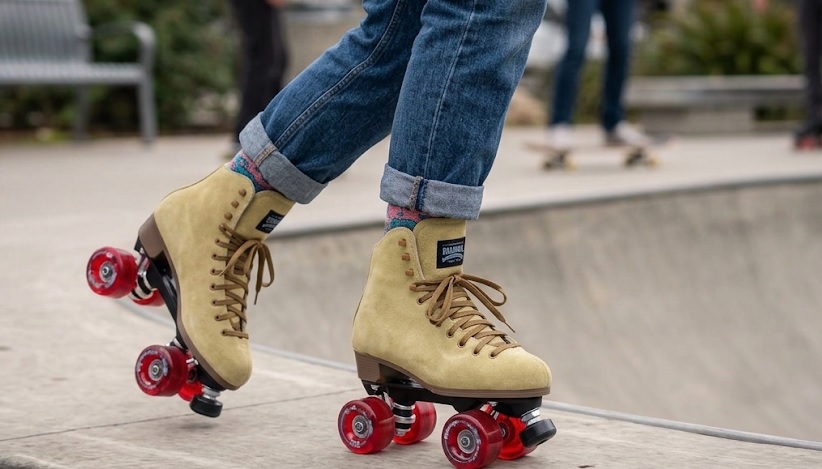
Moxi Beach Bunny – Best for Rink Skating
The Moxi Beach Bunny has a reinforced vinyl boot with a high ankle collar for superior stability. It comes with a nylon plate and PowerDyne Thrust bearings, perfect for smooth indoor surfaces. New skaters in community rink sessions will find this skate highly recommended for learning balance.
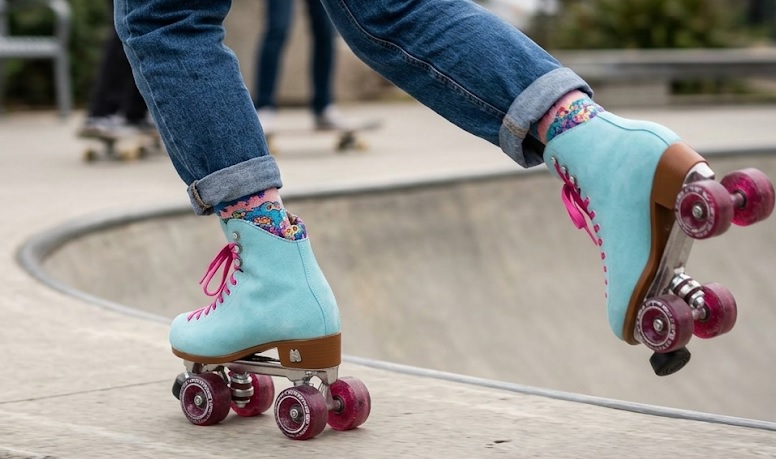
Rollerblade Zetrablade – Best for Fitness Skating
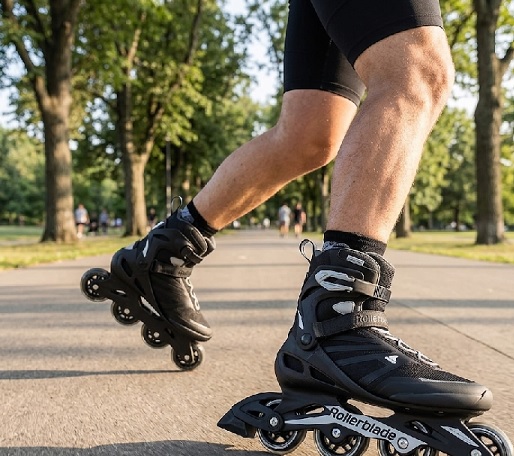
The Rollerblade Zetrablade is an inline skate with a supportive cuff and a braking system ideal for beginners. Its ventilated chassis provides excellent airflow during long community trail skates. This is the ideal choice for those who prefer inline skating in group fitness settings.
How Joining Roller Skating Communities Accelerates Learning
Learning to skate in isolation often leads to bad habits and slow progress. Roller skating communities offer structured support that speeds up skill acquisition for beginners. You gain access to collective knowledge that would take months to discover alone.
Peer Feedback and Real-Time Corrections
Experienced skaters in these groups provide immediate feedback on your posture, stride, and balance. They spot common mistakes like leaning too far forward or locking your knees. This real-time coaching prevents injury and builds muscle memory faster than online tutorials.
- Posture checks: Members correct your stance within minutes
- Stride techniques: Learn proper push-off and glide mechanics
- Fall safety: Practice controlled falls with experienced spotters
Shared Resources and Gear Advice
Community members often share discount codes, second-hand gear, and maintenance tips that save beginners money. They can recommend the best wheels for your local rink or trail surface. This collective wisdom prevents costly purchasing mistakes.
Group Accountability and Motivation
Scheduled meetups create a consistent practice routine that solo skaters often lack. Knowing others expect you to attend pushes you to show up even on low-motivation days. This social commitment transforms skating from a chore into a rewarding weekly event.
Finding the Right Roller Skating Community for Your Skill Level
Not all skating groups are created equal. Choosing a community that matches your experience level is crucial for building confidence. A mismatched group can overwhelm beginners or fail to challenge improving skaters.
Local Rink vs. Outdoor Trail Communities
Rink-based groups typically focus on dance skating, jam skating, and artistic moves. These communities often have beginner nights with slower-paced sessions. Trail groups prioritize endurance and distance, making them ideal for fitness-focused beginners.
| Community Type | Best For | Skill Focus |
|---|---|---|
| Rink Groups | Artistic and dance skating | Balance, footwork, spins |
| Trail Groups | Fitness and endurance | Stamina, stride, braking |
| Park Groups | Aggressive and ramp skating | Jumping, grinding, drops |
Online Communities for Remote Support
Platforms like Reddit’s r/Rollerskating and Facebook groups offer 24/7 access to advice. You can post videos of your technique and receive constructive criticism from skaters worldwide. These digital spaces are perfect for shy beginners who prefer anonymous learning.
How to Evaluate a Community Before Joining
Attend one session as an observer before committing to a group. Look for welcoming members who actively help newcomers rather than ignoring them. Ask about their beginner-to-advanced ratio to ensure you won’t feel isolated.
- Check event descriptions: Look for “all skills welcome” or “beginner-friendly” tags
- Observe interactions: Notice if experienced skaters pause to help struggling members
- Ask about gear: Good communities offer loaner skates for first-timers
Essential Etiquette for Thriving in Roller Skating Communities
Understanding unwritten rules helps beginners integrate smoothly into any skating group. Proper etiquette shows respect and builds trust among community members. Following these guidelines ensures you become a welcome participant, not an accidental nuisance.
Rink and Trail Safety Protocols
Always skate in the same direction as the flow of traffic to avoid dangerous collisions. Announce your intentions clearly by calling out “passing on your left” when overtaking slower skaters. Never stop abruptly in the middle of a crowded rink or narrow trail path.
- Look before crossing: Check both directions before entering the skating lane
- Maintain spacing: Keep at least one skate length between you and the skater ahead
- Signal stops: Use hand signals or verbal cues before slowing down
How to Ask for Help Without Being a Burden
Approach experienced skaters during designated break times rather than interrupting their practice. Frame your questions specifically by saying “Can you show me how to transition from forward to backward?” instead of vague requests. Offer to buy a coffee or return the favor by helping with event setup.
Giving Back to the Community as You Improve
Once you master basic skills, volunteer to help at beginner events or group maintenance sessions. Teaching reinforces your own technique while strengthening the community. Simple acts like sharing your favorite skate maintenance tips on the group chat go a long way.
Experienced members appreciate when you bring extra water or snacks to share during long trail skates. Offering to film others’ practice runs helps everyone improve their form. This reciprocal generosity keeps communities thriving for new generations of skaters.
Overcoming Common Fears with Community Support
Fear of falling or looking foolish stops many beginners from progressing. Roller skating communities provide a safe space to confront these anxieties alongside supportive peers. Shared vulnerability actually strengthens group bonds and accelerates personal growth.
Using Group Sessions to Conquer Fear of Falling
Most communities dedicate the first ten minutes of each session to falling practice and pad drills. You learn to fall forward onto your kneepads and slide rather than catching yourself with your hands. Experienced members demonstrate these techniques first, making them less intimidating for newcomers.
- Start low: Practice falling from a squatting position before trying from standing height
- Use the buddy system: Pair up with another beginner to practice falls together
- Celebrate falls: Groups often clap or cheer when someone executes a controlled fall correctly
Building Confidence Through Encouragement
Community members celebrate small victories like landing your first turn or skating a full lap without stopping. This positive reinforcement rewires your brain to associate skating with achievement rather than fear. Seeing others at your skill level succeed proves that progress is inevitable.
Navigating Performance Anxiety at Public Events
Many communities host low-pressure “skate and chill” events before competitive sessions. These relaxed gatherings let beginners practice without the pressure of being watched. You can gradually transition to busier events as your confidence grows naturally.
Volunteering as a course marshal or event photographer gives you a purpose at large gatherings without requiring advanced skills. This role keeps you involved and visible while removing performance expectations. Over time, the community becomes an extension of your own support system.
Leveraging Online Roller Skating Communities for Year-Round Growth
Digital communities bridge the gap between in-person sessions, especially during bad weather or off-seasons. Online roller skating communities provide continuous learning opportunities that keep your skills sharp year-round. These platforms offer specialized advice that your local group may lack.
Top Digital Platforms for Skating Education
YouTube channels like Dirty School of Skate and Skatie offer free, structured lesson playlists for beginners. Instagram and TikTok are excellent for discovering short technique tips and trending skating styles. Discord servers dedicated to roller skating provide real-time chat support during practice sessions.
| Platform | Best For | Content Type |
|---|---|---|
| YouTube | Structured tutorials | Long-form lessons |
| Visual inspiration | Reels and stories | |
| Discord | Live Q&A sessions | Text and voice chat |
Participating in Virtual Challenges and Contests
Many online communities host monthly skill challenges like “30 Days of Spins” or “Edge Work Week”. These structured events give you clear goals and deadlines to maintain motivation. Participants post progress videos for constructive feedback from the global community.
Building a Personal Learning Network Online
Follow and engage with skaters who specialize in your preferred style, whether jam, artistic, or park skating. Comment thoughtfully on their posts to build genuine connections that transcend the screen. These digital mentors can later become real-life friends at skating conventions or meetups.
- Save tutorials: Create curated playlists for different skill levels
- Join live streams: Ask questions during real-time skate sessions
- Share your journey: Post weekly updates to track progress publicly
Creating Your Own Roller Skating Community When None Exists
Not every town has an established skating group for beginners. Starting your own roller skating community is simpler than most people think. With just a few committed members, you can build a supportive network from scratch.
Step-by-Step Guide to Launching a Local Group
Begin by posting in local Facebook groups, Nextdoor, or on the NextRoll app to gauge interest. Choose a consistent time and location, such as Sunday mornings at a flat, smooth parking lot. Start with just two or three people and let the group grow organically through word of mouth.
- Pick a safe location: Look for well-lit, smooth surfaces with minimal traffic
- Set a regular schedule: Consistency helps members plan their week around skating
- Create a group chat: Use WhatsApp or Discord for communication and weather updates
Establishing Beginner-Friendly Ground Rules
Your group’s first decision should be establishing a “no drop” policy where faster skaters circle back. This ensures no beginner is left behind or feels pressured to keep up. Create a simple code of conduct that emphasizes patience, encouragement, and mutual respect.
Growing Your Community Through Events and Visibility
Host free beginner workshops or “Skate 101” sessions to attract new members from your area. Partner with local skate shops for demo days where newcomers can try different gear. Use bright, matching t-shirts or stickers to make your group visible and approachable at public parks.
Document your group’s progress by sharing photos and videos on social media with a unique hashtag. This creates a digital footprint that helps other beginners find you online. Over time, your small gathering can become the cornerstone of your local skating scene.
Measuring Your Progress Through Community Milestones
Tracking improvement is easier when you have a supportive group to benchmark against. Roller skating communities provide structured milestones that make progress tangible for beginners. These markers keep you motivated and highlight areas needing more practice.
Common Skill Benchmarks in Skating Groups
Most communities recognize five core milestones: standing balance, forward skating, turning, stopping, and backward skating. Groups often host “skill check” events where members demonstrate these abilities for feedback. Achieving each milestone earns you recognition and sometimes fun titles within the group.
| Milestone | Typical Timeline | Community Reward |
|---|---|---|
| Balance & stance | 1-2 sessions | “Steady Skater” badge |
| Forward stride | 3-5 sessions | Named in group newsletter |
| T-stop & plow stop | 2-4 weeks | Lead skater eligibility |
Using Group Challenges to Push Past Plateaus
When progress stalls, community “skill sprints” like mastering transitions in one week can reignite motivation. Members pair up to practice specific moves and report back daily on their progress. This structured accountability prevents the frustration that causes many beginners to quit.
Celebrating Collective Achievements
Groups often organize “graduation skates” where beginners lead a route for the first time. These events mark the transition from novice to contributing member of the community. Celebrating together reinforces that skating growth is a shared journey, not a solo grind.
- Monthly skill showcases: Members perform their best new move for applause
- Distance challenges: Track cumulative miles skated as a group
- Before-and-after videos: Compare first session footage to current skills
Conclusion: Why Roller Skating Communities Matter for Beginners
Joining a roller skating community transforms a daunting hobby into a rewarding social journey. You gain real-time feedback, consistent motivation, and lifelong friendships that accelerate your progress. No beginner should learn to skate alone.
Your next step is simple: find one local or online group and attend your first session this week. The support you receive will make every fall worthwhile and every milestone sweeter. Lace up your skates and join the movement today.
Frequently Asked Questions About Roller Skating Communities for Beginners
What is the best way to find a beginner roller skating community near me?
Search Facebook for “roller skating [your city name]” or check the Meetup app for local groups. Many skate rinks also host beginner nights that naturally form communities. Ask at local skate shops for recommendations on active groups.
You can also use the NextRoll app specifically designed for connecting skaters. Post in local subreddits or neighborhood forums to find hidden groups. Don’t be afraid to start your own if nothing exists nearby.
How much does it cost to join a roller skating community?
Most informal community groups are completely free to join and participate in. You only pay for your own gear and any rink admission fees during meetups. Some organized clubs charge annual dues of $20-$50 for insurance and event costs.
Online communities on Discord, Reddit, and Facebook are entirely free. Consider these digital options if budget is a concern. Many groups also offer loaner gear for first-time attendees.
What gear do I need before joining a skating group for the first time?
At minimum, bring properly fitting skates, a helmet, and wrist guards to any group session. Knee pads and elbow pads are highly recommended for beginners learning falls. Most communities will let you observe without skating if you lack gear.
Bring a water bottle and wear comfortable, breathable clothing that allows movement. Avoid baggy pants that could catch on your wheels. Many groups have spare protective gear they can lend to newcomers.
How do I overcome the fear of joining a skating group as a complete beginner?
Start by attending as an observer for one session to watch the group dynamics. Most communities are extremely welcoming to newcomers and expect beginners to be nervous. You can also join online first to build familiarity before attending in person.
Bring a friend who also wants to learn so you have built-in support. Arrive early to introduce yourself to the organizer before the crowd arrives. Remember that every experienced skater was once a beginner too.
What should I do if I feel left out or ignored in a skating community?
Try attending a different session time or location within the same group. Sometimes smaller sub-groups form naturally and are more approachable. You can also volunteer to help with setup or cleanup to create interaction opportunities.
If the group consistently feels unwelcoming, look for an alternative community that better matches your personality. Not every group will be the right fit, and that is normal. Online communities can provide the support you need while you search.
Can I learn advanced skills like jumps and spins through a community group?
Yes, many communities have experienced members who specialize in advanced techniques like park skating or artistic moves. These skaters often offer informal workshops or one-on-one mentoring sessions. You can progress from beginner to advanced within the same group over time.
However, advanced skills require dedicated practice beyond group sessions. Use the community for feedback and inspiration, but practice fundamentals on your own. Your group can help you break down complex moves into manageable steps.
How often should I attend community skating sessions to see progress?
Attending at least one group session per week combined with one solo practice session is ideal. This frequency builds muscle memory while maintaining social accountability. Beginners who skate twice weekly typically master basic skills within one month.
Consistency matters more than intensity for skill development. Even 30-minute sessions are effective when done regularly. Listen to your body and rest when needed to prevent burnout or injury.
What is the difference between rink skating communities and trail skating communities?
Rink communities focus on dance moves, jam skating, and artistic techniques in controlled environments. They emphasize footwork, spins, and rhythm with music. These groups are ideal for skaters who enjoy structured practice and social dancing.
Trail communities prioritize endurance, distance skating, and outdoor navigation skills. They focus on stride efficiency, braking on hills, and group riding etiquette. Your choice depends on whether you prefer smooth indoor floors or scenic outdoor paths.