Yes, you can inline skate on grass, but it is not recommended for standard skates. The soft ground creates high rolling resistance, making the experience tiring and damaging to your bearings.
In this complete guide, you will learn which surfaces are safe for skating and which ones to avoid. We also share expert tips on terrain types and how to protect your gear.
Best Inline Skates for Grass and Rough Terrain – Detailed Comparison
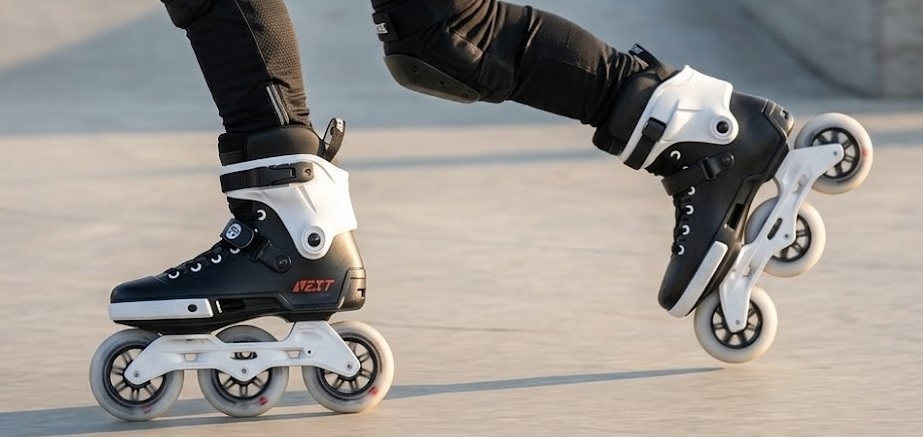
Powerslide Next Core 100 – Best Overall Choice
These skates feature 100mm wheels with a soft durometer that absorbs bumps better than standard models. The urban frame offers stability on uneven grass patches. Best use case: short grass crossings and park paths with mixed surfaces.
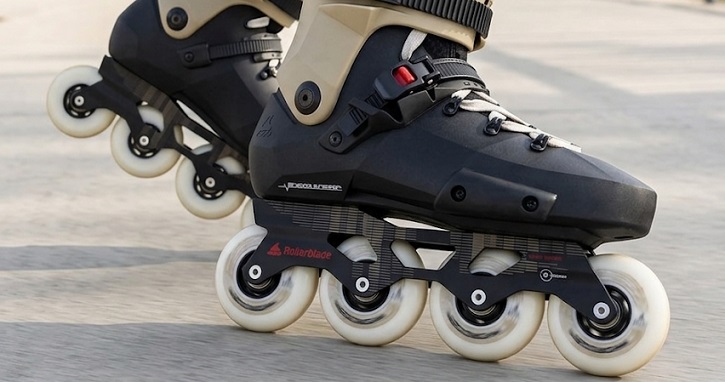
Rollerblade Twister Edge X – Best for Durability
Built with a rigid carbon-composite shell and reinforced bearings, this model resists debris damage from grass. The 80mm wheels provide better control on soft ground. Best use case: skaters needing a tough, all-purpose skate for occasional grass use.
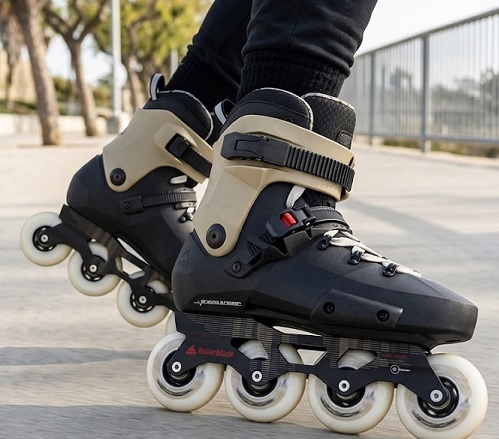
FR Skates FR1 80 – Best for Comfort
Featuring a shock-absorbing liner and adjustable frame, these skates reduce fatigue on rough terrain. The 80mm wheels offer a balanced ride between pavement and grass. Best use case: recreational skaters who prioritize comfort during mixed-surface sessions.
Why Inline Skating on Grass Damages Your Gear
Grass creates extreme friction against urethane wheels, causing them to wear down unevenly. Soft ground also forces debris like dirt and seeds into your bearings, significantly reducing their lifespan.
How Grass Affects Wheel Performance
Standard inline skate wheels are designed for hard, smooth surfaces. On grass, the wheels dig in rather than roll, requiring three times more effort to maintain momentum. This leads to flat spots and premature wear.
- Soft wheels (78A-82A): Grip well but wear down quickly on grass
- Hard wheels (85A-90A): Slide more but resist debris damage better
- All-terrain wheels: Larger diameter with deeper treads for grass use
The Hidden Cost of Bearing Damage
Grass clippings and soil particles penetrate bearing shields easily. Once inside, they act as abrasive grit that grinds down the steel balls and races. A single grass session can reduce bearing smoothness by 50%.
What Surfaces Are Safe to Skate On?
Stick to asphalt, concrete, and smooth pavement for standard skates. If you must cross grass, use all-terrain skates with larger wheels and sealed bearings. Avoid wet grass entirely as moisture rusts bearings instantly.
| Surface | Safe for Standard Skates? | Risk Level |
|---|---|---|
| Smooth asphalt | Yes | Low |
| Short, dry grass | No (damages gear) | Medium |
| Wet grass | Never | High |
How to Inline Skate on Grass Without Ruining Your Skates
If you must cross grass, use proper technique and gear modifications to minimize damage. These proven methods help protect your equipment while still allowing you to navigate grassy areas.
Choose the Right Wheel Setup for Grass
Switch to all-terrain or off-road wheels before attempting grass skating. These wheels are larger (100mm-125mm) with deeper treads and softer urethane compounds designed for loose surfaces.
- Off-road frames: Wider spacing prevents grass buildup between wheels
- Sealed bearings (ABEC-7+): Better protection against dirt and moisture
- Softer durometer (78A-80A): Improves grip on uneven grass terrain
Proper Technique for Grass Crossings
Keep your knees bent and weight centered over your skates to maintain balance. Take short, quick strides rather than long glides to prevent wheels from digging in. Lift your skates slightly with each step to reduce friction.
- Scan the path: Look for the shortest, smoothest grass section
- Reduce speed: Approach at a slow, controlled pace
- Use a scissor stance: One foot slightly ahead for better stability
- Keep moving: Stopping on grass is difficult and risky
Post-Grass Maintenance Checklist
Clean your skates immediately after any grass contact. Dirt and moisture left overnight cause permanent bearing damage and wheel degradation. Follow this simple routine:
| Step | Action | Why It Matters |
|---|---|---|
| 1 | Wipe wheels with dry cloth | Removes abrasive grit |
| 2 | Remove and clean bearings | Prevents rust and grinding |
| 3 | Check for debris in frame | Stops grass from blocking wheels |
| 4 | Lubricate bearings with dry lube | Restores smooth rotation |
What Surfaces to Avoid When Inline Skating
Knowing which surfaces damage your skates is just as important as knowing where to skate. Avoiding these five terrain types will save you money on repairs and prevent injuries.
Wet or Muddy Grass – Highest Risk
Moisture is the number one enemy of inline skate bearings. Wet grass clings to wheels and seeps into bearing shields, causing rust within minutes. Mud also clogs frame channels and stops wheels from spinning entirely.
- Risk of slipping: Wet grass offers zero grip for urethane wheels
- Bearing failure: Rust forms within 24 hours of moisture exposure
- Wheel damage: Mud acts as sandpaper, wearing down soft urethane
Gravel and Loose Stone Surfaces
Small rocks get lodged between wheels and frames, causing scratches and wheel lock-ups. Even a single pebble can crack a bearing shield or chip a wheel edge. Gravel also makes stopping nearly impossible.
Sand and Beach Paths
Sand particles are microscopic abrasives that destroy bearings faster than any other surface. The fine grains penetrate even sealed bearings and grind down internal components. Beach paths also contain salt, which accelerates rust.
Rough Concrete and Cracked Asphalt
While concrete is generally safe, cracked or broken pavement poses a tripping hazard. Large cracks can catch wheel edges, causing sudden stops and falls. Stick to smooth, well-maintained paths for the safest ride.
| Surface to Avoid | Primary Danger | Damage Level |
|---|---|---|
| Wet grass | Rust and slipping | Severe |
| Gravel | Wheel lock-ups | High |
| Sand | Bearing abrasion | Extreme |
| Cracked asphalt | Tripping hazard | Moderate |
Wooden Boardwalks and Metal Grates
These surfaces offer almost no traction for skate wheels. Wood can splinter and catch wheel edges, while metal grates allow wheels to drop through gaps. Always dismount and walk across these surfaces.
Alternative Terrain Options for Inline Skating
Sticking to the right surfaces extends your skate’s lifespan and improves your experience. These five terrain types provide a smooth, safe ride while minimizing gear wear.
Smooth Asphalt – The Gold Standard
Freshly paved asphalt offers the best balance of grip and rolling efficiency. It absorbs some vibration while allowing wheels to spin freely. Look for bike paths and park trails with well-maintained surfaces.
- Ideal wheel size: 80mm-90mm for optimal speed and control
- Best for: Long-distance skating and speed training
- Caution: Avoid fresh sealcoat, which is sticky and slows wheels
Polished Concrete – Fastest Surface
Indoor rinks and smooth parking garages use polished concrete for maximum speed. This surface offers the least rolling resistance, making it perfect for hockey and freestyle skating. Harder wheels (85A-90A) perform best here.
Basketball and Tennis Courts
These sport court surfaces provide excellent grip with minimal wheel wear. The painted coating is smooth yet slightly textured for traction. They are ideal for practicing tricks and short sessions.
Dedicated Skate Parks
Skate parks feature specially designed concrete and ramps for aggressive inline skating. The surfaces are regularly maintained and free of debris. Always wear protective gear, as falls on concrete are more painful.
| Surface | Speed | Grip Level | Wheel Wear |
|---|---|---|---|
| Smooth asphalt | High | Excellent | Low |
| Polished concrete | Very high | Good | Low |
| Sport courts | Medium | Excellent | Very low |
| Skate park concrete | High | Excellent | Medium |
Wooden Indoor Rinks
Sprung wooden floors provide superior shock absorption and smooth rolling. These surfaces are gentle on both wheels and joints. However, they are usually restricted to indoor roller rinks and require special permission to use.
How to Modify Standard Skates for Grass and Rough Terrain
If you frequently encounter grass during your routes, specific modifications can protect your gear. These upgrades allow you to skate short grass sections without destroying your equipment.
Install All-Terrain Wheels for Better Grip
Switch to off-road wheels with deeper treads and softer urethane (78A-80A durometer). These wheels are typically 100mm-125mm in diameter, which helps them roll over grass rather than dig in. Popular options include the Powerslide Mega Cruiser wheels and Rollerblade Hydrogen Pro.
- Larger diameter: Reduces rolling resistance on soft ground
- Deeper treads: Provide traction on loose surfaces
- Softer compound: Absorbs bumps from uneven terrain
Upgrade to Sealed Bearings for Debris Protection
Standard bearings have exposed shields that let dirt enter easily. Replace them with ABEC-7 or ABEC-9 sealed bearings that use rubber shields and extra grease. This upgrade costs $20-$40 but extends bearing life by 300%.
Add Frame Guards to Prevent Scratches
Grass and debris can scratch and gouge aluminum frames. Install adhesive frame guards or clear protective tape on the frame edges. This simple mod prevents permanent damage from rocks and sticks.
| Modification | Cost | Difficulty | Protection Level |
|---|---|---|---|
| All-terrain wheels | $50-$100 | Easy | High |
| Sealed bearings | $20-$40 | Moderate | Very high |
| Frame guards | $10-$20 | Easy | Medium |
| Full skate cover | $30-$60 | Easy | Maximum |
Use Skate Covers for Quick Grass Crossings
Rubber skate covers slip over your wheels like shoe covers. They protect wheels and bearings from grass, mud, and moisture during short crossings. Remove them once you reach pavement for normal skating.
Frequently Asked Questions About Inline Skating on Grass
Many skaters have the same concerns about grass and rough terrain. These answers address the most common questions to help you make informed decisions about where to skate.
Can You Learn to Inline Skate on Grass?
No, grass is not suitable for learning to skate. The uneven surface makes balancing harder and wheels won’t roll properly. Beginners should start on smooth, flat pavement or a tennis court for stable footing.
- Better for learning: Smooth concrete or asphalt with no cracks
- Worst for beginners: Grass, gravel, or any uneven terrain
- Recommended surface: Empty parking lots or basketball courts
Does Skating on Grass Void Your Skate Warranty?
Most manufacturers consider grass skating as misuse and will void your warranty. Check your skate’s manual for approved surfaces. Brands like Powerslide and Rollerblade explicitly list grass as an unapproved surface.
How Often Should You Replace Bearings After Grass Use?
After a single grass session, bearings may need replacement every 2-3 uses. Without proper cleaning, grass debris grinds down internal components rapidly. Clean bearings immediately after grass contact to extend their life.
| Usage Type | Bearing Lifespan | Maintenance Required |
|---|---|---|
| Pavement only | 6-12 months | Clean every 3 months |
| Occasional grass | 2-4 months | Clean after each use |
| Frequent grass | 1-2 months | Replace regularly |
Is It Possible to Skate on Artificial Grass?
Artificial grass is slightly better than natural grass but still not recommended. The synthetic blades create less friction than real grass, but the base is still soft. Short crossings are possible, but long sessions will damage wheels and bearings.
Best Practices for Maintaining Skates After Grass Contact
Proper maintenance after grass skating is critical for extending gear lifespan. Follow these steps immediately after any grass contact to prevent permanent damage to wheels and bearings.
Step-by-Step Cleaning Routine for Grass Debris
Start by removing all visible grass and dirt from wheels and frames using a dry brush. Use a soft-bristled toothbrush to dislodge debris from bearing shields and axle holes. This initial cleaning takes only two minutes but prevents grinding damage.
- Brush wheels: Remove grass wrapped around axles and wheel hubs
- Wipe frames: Use a microfiber cloth to clean frame channels
- Inspect bearings: Check for debris lodged near shield edges
- Spin test: Ensure all wheels spin freely before storage
How to Deep Clean Bearings After Grass Use
For thorough cleaning, remove bearings from wheels and soak them in a solvent like isopropyl alcohol or bearing cleaner. Swish them for 30 seconds to dissolve grass residue and dirt. Let them dry completely before reapplying lubricant.
- Solvent options: Isopropyl alcohol (90%+), acetone, or citrus degreaser
- Drying time: 15-20 minutes on a paper towel in a warm area
- Lubricant: Use dry lube or speed cream for best results
Wheel Rotation Schedule for Even Wear
Grass skating causes uneven wheel wear that requires frequent rotation. Rotate wheels every 2-3 sessions if you skate on grass regularly. Swap front and rear wheels, and flip them side-to-side to balance wear patterns.
| Rotation Pattern | Frequency | Benefit |
|---|---|---|
| Front to back | Every 3 sessions | Even weight distribution |
| Left to right | Every 3 sessions | Balances edge wear |
| Full rotation | Every 6 sessions | Maximum wheel lifespan |
When to Replace Wheels After Grass Damage
Inspect wheels for flat spots, cracks, or uneven wear patterns after grass use. Replace wheels if you notice visible flat spots larger than 5mm or any cracks in the urethane. Damaged wheels affect stability and increase fall risk.
Conclusion: Inline Skating on Grass – What You Need to Know
Inline skating on grass damages your wheels and bearings and is not recommended for standard skates. Stick to smooth asphalt, concrete, and sport courts for the safest experience.
If you must cross grass, use all-terrain wheels and sealed bearings. Always clean your skates immediately after grass contact to prevent permanent damage.
Now check your local bike paths for smooth pavement. Your skates will last longer, and your ride will feel much better.
Frequently Asked Questions About Inline Skating on Grass
Can you inline skate on grass with standard wheels?
No, standard inline skate wheels are designed for hard, smooth surfaces like asphalt and concrete. Grass creates too much friction and causes rapid wheel wear.
Standard wheels also lack the tread depth needed for grip on soft ground. You risk damaging your bearings and frames with every grass crossing.
What is the best way to cross grass on inline skates?
The best method is to use all-terrain wheels (100mm-125mm) with deeper treads and a softer durometer (78A-80A). Keep your knees bent and take short, quick strides.
Lift your skates slightly with each step to prevent wheels from digging in. Always scan for hidden obstacles like rocks or roots before crossing.
How do all-terrain inline skates differ from standard skates?
All-terrain skates feature larger wheels (100mm-125mm) with deeper treads and softer urethane compounds. They also use reinforced frames and sealed bearings for debris protection.
Standard skates have smaller wheels (80mm-90mm) with smooth surfaces optimized for pavement. All-terrain models are heavier but far more capable on grass and dirt.
What surfaces should you never skate on?
Never skate on wet grass, gravel, sand, or metal grates. Wet grass causes instant bearing rust, while gravel can lock your wheels and cause falls.
Sand acts as an abrasive that destroys bearings within minutes. Metal grates allow wheels to drop through gaps, creating serious injury risks.
How do you clean inline skates after skating on grass?
First, remove all visible grass and dirt using a dry brush or toothbrush. Focus on wheel hubs, bearing shields, and frame channels where debris collects.
Then remove bearings and soak them in isopropyl alcohol for 30 seconds. Let them dry completely before reapplying lubricant and reassembling your skates.
Can beginners learn to skate on grass?
No, grass is not suitable for beginners learning to skate. The uneven surface makes balancing harder, and wheels will not roll properly on soft ground.
Beginners should start on smooth, flat pavement or a tennis court. These surfaces provide stable footing and allow proper technique development without extra resistance.
How often should you replace bearings after grass use?
After a single grass session, bearings may need replacement every 2-3 uses if not cleaned properly. Grass debris grinds down internal components rapidly.
With immediate cleaning after each grass contact, bearings can last 2-4 months. Without cleaning, expect to replace them after just 1-2 months of occasional grass use.
Does skating on grass void your skate warranty?
Yes, most manufacturers consider grass skating as misuse and will void your warranty. Brands like Powerslide and Rollerblade list grass as an unapproved surface.
Check your skate’s manual for approved surfaces before attempting grass crossings. Using skates outside manufacturer guidelines typically voids all warranty coverage.
What are the best wheels for skating on grass?
The best wheels for grass are all-terrain models with 100mm-125mm diameter and 78A-80A durometer. Popular options include Powerslide Mega Cruiser and Rollerblade Hydrogen Pro wheels.
These wheels feature deeper treads for grip and softer urethane for shock absorption. They cost $50-$100 per set but significantly reduce damage to your skates.
Can you skate on artificial grass?
Artificial grass is slightly better than natural grass but still not recommended for standard skates. The synthetic blades create less friction, but the base remains soft.
Short crossings are possible with all-terrain wheels, but long sessions will damage wheels and bearings. Stick to pavement for the safest and most enjoyable skating experience.