Skating on public sidewalks is typically illegal in most urban areas, though local ordinances vary dramatically by city and state. Understanding these laws is the complete guide to avoiding fines and staying safe while skating.
This article reveals expert tips on navigating local skate laws, identifying legal skating zones, and proven methods for skating responsibly. Keep reading to learn exactly where you can legally roll.
Best Skate Shoes for Public Sidewalk Skating
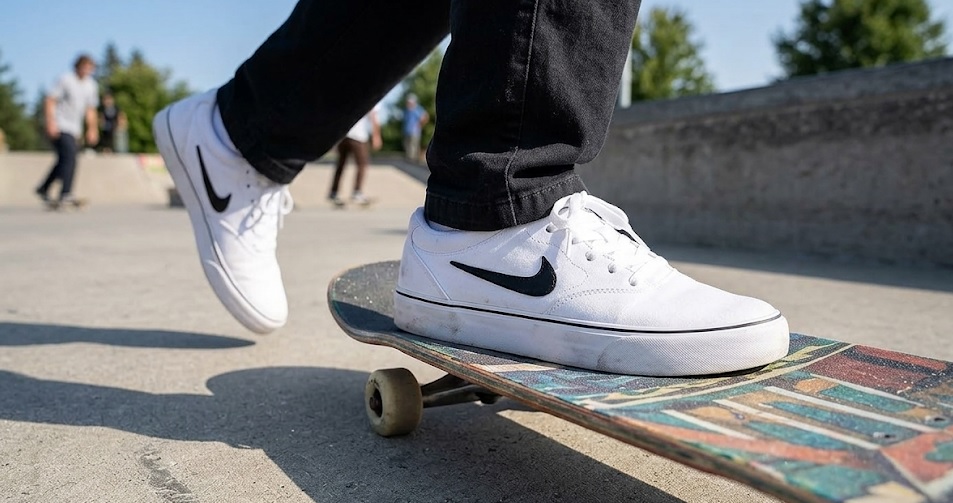
Nike SB Chron 2 Canvas – Best Overall Choice
The Nike SB Chron 2 Canvas offers superior board feel and impact protection for sidewalk cruising. Its vulcanized construction provides excellent grip on concrete. This is the best option for skaters who need durability without sacrificing comfort during long commutes on public paths.
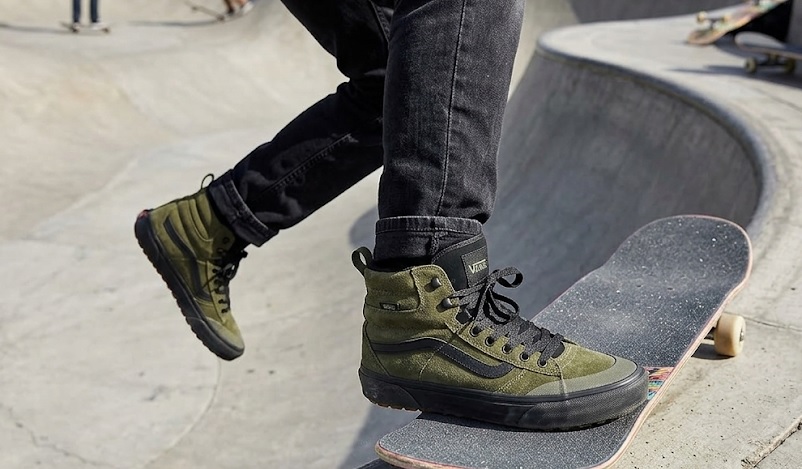
Vans Sk8-Hi MTE-2 – Best for All-Weather Sidewalks
The Vans Sk8-Hi MTE-2 features UltraCush insoles and a weather-resistant upper, ideal for unpredictable sidewalk conditions. Its rugged outsole handles cracks and debris effectively. This shoe is recommended for skaters who ride in wet or cold climates while navigating legal public routes.
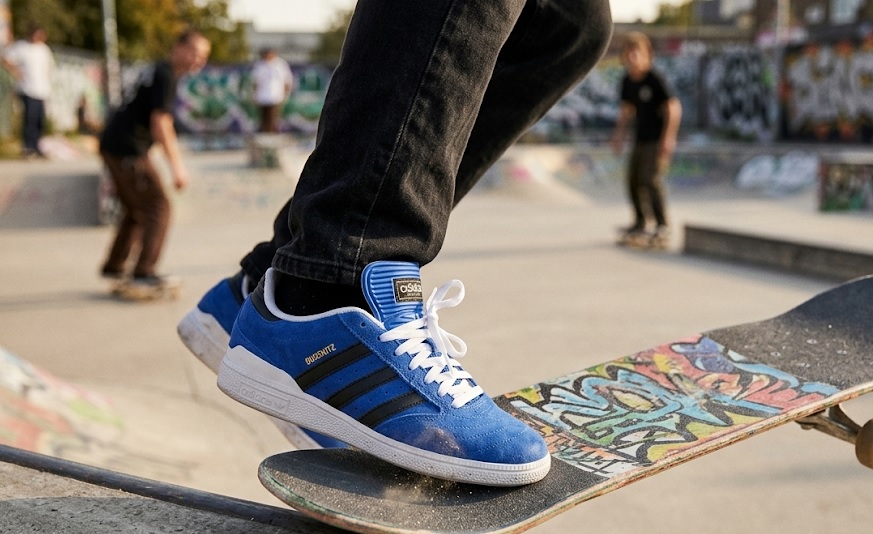
Adidas Busenitz Pro – Best for Technical Street Skating
The Adidas Busenitz Pro combines a Geofit collar with a molded sockliner for locked-in heel support. Its abrasion-resistant upper withstands frequent sidewalk skating. This is the ideal choice for skaters performing tricks on legal surfaces like plazas and designated skate zones.
Understanding Local Laws for Skating on Public Sidewalks
Skating laws vary wildly between cities, states, and even neighborhoods. Knowing the specific rules in your area is the only way to skate legally and avoid fines.
Where Skating Is Typically Banned
Most cities prohibit skating on sidewalks in commercial business districts and high-traffic pedestrian zones. These areas pose the highest risk of collisions with pedestrians.
- Downtown cores: Heavy foot traffic makes skating dangerous and is usually illegal.
- Near schools and hospitals: Strict no-skate zones are common for safety reasons.
- Private property: Skating on sidewalks adjacent to private businesses is often prohibited.
Where Skating Is Usually Allowed
Residential sidewalks with low pedestrian traffic are often legal skating zones. Many cities also designate specific areas for skateboarding.
- Residential streets: Sidewalks here are typically legal, but always yield to pedestrians.
- Public parks: Some parks have designated skate paths or allow skating on walking paths.
- Skate parks: These are the safest and most legal places to practice tricks and high-speed skating.
How to Check Your Local Skate Laws
Municipal codes are often listed under “traffic” or “pedestrian” regulations. Searching your city’s website for “skateboarding ordinance” provides the most accurate information.
Key takeaway: Always check local ordinances before skating. Ignorance of the law is not a valid defense, and fines can range from $25 to over $500 in major cities.
Legal Consequences of Skating on Sidewalks
Getting caught skating illegally on a sidewalk can lead to fines, confiscated equipment, or even criminal charges in extreme cases. Understanding the penalties helps you make informed decisions about where to skate.
Common Fines and Penalties
Most cities issue civil citations for sidewalk skating violations. The cost varies significantly depending on location and prior offenses.
- First offense: Typically a warning or a fine between $25 and $100.
- Second offense: Fines often increase to $100 to $250 with possible equipment seizure.
- Repeat offenses: Can result in fines up to $500 or community service in strict jurisdictions.
When Skating Becomes a Criminal Offense
Skating on sidewalks can escalate from a civil violation to a criminal matter in specific situations. Reckless behavior often triggers harsher legal consequences.
- Causing injury: Hitting a pedestrian can lead to assault or reckless endangerment charges.
- Property damage: Damaging public or private property while skating may result in vandalism charges.
- Defiance of orders: Refusing to stop when asked by police can lead to disorderly conduct citations.
How to Avoid Legal Trouble While Skating
Following a few simple rules keeps you safe and on the right side of the law. Respect for pedestrians and property is the foundation of legal skating.
Key takeaway: Always yield to pedestrians, skate at a controlled speed, and avoid crowded areas. If a police officer asks you to stop, comply immediately and politely ask for clarification on local laws.
Safe and Responsible Skating Practices for Public Sidewalks
Even where skating is legal, following proper safety protocols protects you and pedestrians. Responsible skating builds a positive reputation for the entire skate community.
Essential Safety Equipment for Sidewalk Skating
Wearing the right gear reduces injury risk and demonstrates responsible behavior. Many cities require specific safety equipment for legal sidewalk skating.
- Helmet: A properly fitted CPSC-certified helmet is non-negotiable for protecting against head injuries.
- Knee and elbow pads: These absorb impact from falls on hard concrete surfaces.
- Wrist guards: They prevent fractures during unexpected spills on uneven sidewalks.
Rules for Sharing the Sidewalk with Pedestrians
Pedestrians always have the right of way on sidewalks. Skaters must anticipate and accommodate foot traffic at all times.
- Announce your presence: Use a bell or verbal warning like “on your left” when approaching from behind.
- Reduce speed: Slow down to walking pace when passing pedestrians, especially children and elderly individuals.
- Dismount when necessary: Step off your board in extremely crowded areas to avoid collisions.
How to Handle Encounters with Law Enforcement
Staying calm and respectful during police interactions prevents escalation. Knowing your rights while remaining cooperative is crucial.
Key takeaway: Stop immediately when asked, keep your hands visible, and politely ask if you are breaking a specific law. If you receive a citation, accept it quietly and contest it later in court rather than arguing on the street.
Alternatives to Skating on Public Sidewalks
If your local laws ban sidewalk skating or you want a safer experience, several excellent alternatives exist. These options provide legal spaces to skate without worrying about fines or pedestrian conflicts.
Skate Parks: The Best Legal Option
Skate parks are purpose-built facilities designed for safe skating. They offer ramps, rails, and smooth surfaces specifically for skateboards, inline skates, and longboards.
- Free access: Most public skate parks are free to use and open during daylight hours.
- Designed for skating: Features like bowls, half-pipes, and ledges mimic street obstacles safely.
- Community atmosphere: You can learn from other skaters and share tips in a legal environment.
Parking Lots and Industrial Areas
Empty parking lots, especially on weekends, provide large smooth surfaces for skating. Industrial areas with minimal traffic are also excellent alternatives.
- Best times: Early mornings or evenings when businesses are closed offer the most space.
- Seek permission: Asking property owners for permission prevents trespassing charges.
- Smooth surfaces: Recently paved lots offer ideal skating conditions with few cracks.
Designated Bike Paths and Greenways
Many cities maintain multi-use paths that allow skating alongside cyclists and pedestrians. These paths are typically wider than sidewalks.
- Check signage: Look for posted rules indicating whether skating is permitted on the path.
- Stay right: Keep to the right side of the path to allow faster users to pass safely.
- Night skating: Use lights and reflective gear if skating on paths after dark.
Key takeaway: Exploring these alternatives keeps you legal, safe, and free to enjoy skating without the stress of potential citations.
How Skating Laws Differ Between Skateboards, Inline Skates, and Longboards
Not all skating devices are treated equally under the law. Understanding these distinctions helps you avoid fines specific to your equipment type.
Skateboards vs. Inline Skates: Legal Distinctions
Many municipalities classify skateboards and inline skates differently in their ordinances. These classifications determine where each device is allowed.
- Skateboards: Often banned from sidewalks entirely due to their hard wheels and sharp edges that damage concrete.
- Inline skates: Frequently permitted on sidewalks because they are considered recreational footwear rather than vehicles.
- Mixed regulations: Some cities allow inline skates in parks while banning skateboards in the same areas.
Longboards: A Special Legal Category
Longboards often face stricter regulations than standard skateboards due to their higher speeds. Their size and momentum create unique safety concerns for pedestrians.
- Speed concerns: Longboards can reach 25-30 mph on downhill slopes, making them dangerous on crowded sidewalks.
- Road use: Many cities classify longboards as vehicles, requiring riders to use bike lanes or roads instead of sidewalks.
- Local exceptions: Coastal cities like Santa Monica and Venice Beach have specific longboard-friendly zones.
Electric Skateboards and Scooters
Electric skating devices face the most restrictive regulations. Their motorized nature places them in a different legal category entirely.
- Speed limits: Most cities cap electric skateboard speeds at 15-20 mph on public paths.
- Registration: Some states require electric skateboards to be registered like motor vehicles.
- Helmet laws: Electric skateboard riders often face mandatory helmet laws that do not apply to manual boards.
Key takeaway: Always check regulations specific to your equipment type. A law allowing inline skates does not automatically permit skateboards or electric boards in the same location.
Advocacy and Changing Skate Laws in Your City
Skateboarding laws are not permanent and can be changed through community advocacy. Many cities have revised restrictive ordinances after skaters organized effectively.
How to Build a Case for Legal Sidewalk Skating
Presenting a compelling argument to city officials requires data and a positive approach. Focus on safety, community benefits, and economic impact.
- Gather data: Document low pedestrian traffic times on specific sidewalks to show minimal conflict risk.
- Highlight benefits: Emphasize how skating promotes physical activity, reduces car usage, and builds community.
- Propose solutions: Suggest designated skate hours on sidewalks or specific legal routes for skaters.
Steps to Engage with Local Government
Effective advocacy follows a structured approach to gain attention and support. Persistence and professionalism are key to success.
- Research current ordinances: Understand exactly what the law says and why it was enacted.
- Attend city council meetings: Speak during public comment periods to present your case respectfully.
- Build coalitions: Partner with local skate shops, community centers, and youth organizations.
- Propose pilot programs: Suggest a trial period for legal sidewalk skating in low-traffic areas.
Successful Examples of Law Changes
Several cities have revised their skate laws after community advocacy. These examples show that change is possible.
- Portland, Oregon: Legalized sidewalk skating in residential areas after a two-year pilot program showed minimal incidents.
- Minneapolis, Minnesota: Created designated skate routes after skaters presented safety data and pedestrian traffic studies.
- Austin, Texas: Relaxed downtown skate bans after community meetings demonstrated skater willingness to follow rules.
Key takeaway: Change takes time, but organized, respectful advocacy can reshape local skate laws. Start by attending your next city council meeting and speaking up for the skating community.
International Skate Laws: How Other Countries Regulate Sidewalk Skating
Skate laws vary dramatically across international borders. Understanding global regulations provides perspective and helps traveling skaters stay legal abroad.
European Union: Generally Permissive but Varied
Most European countries allow sidewalk skating with reasonable restrictions. The approach focuses on coexistence rather than outright bans.
- Germany: Skating is legal on sidewalks unless explicitly posted otherwise. Riders must yield to pedestrians at all times.
- France: Skateboards are classified as “sports equipment,” not vehicles, allowing sidewalk use in most areas.
- Netherlands: Skaters are encouraged to use dedicated bike paths rather than sidewalks due to heavy bicycle traffic.
United Kingdom: Strict Local Ordinances
The UK has some of the most restrictive skate laws in Europe. Many town centers enforce complete skate bans with significant fines.
- London: The South Bank skate spot is famously legal, but most commercial sidewalks ban skating entirely.
- Edinburgh: Designated skate zones exist in parks, but sidewalk skating carries fines up to £500.
- Public nuisance laws: Skaters can be cited under broader anti-social behavior ordinances even without specific skate bans.
Asia and Australia: Emerging Skate Cultures
Asian and Australian cities are developing their skate regulations as the sport grows in popularity. Approaches range from progressive to highly restrictive.
- Japan: Skating is generally allowed on sidewalks but is socially discouraged in crowded urban areas.
- Australia: Most states require skaters under 16 to wear helmets. Sidewalk skating is legal unless posted otherwise.
- Singapore: Strict laws ban skating in public spaces entirely. Offenders face fines up to SGD $5,000.
Key takeaway: International skate laws range from permissive to prohibitive. Always research local regulations before skating in a new country to avoid unexpected fines or legal trouble.
Conclusion: Skating Legally on Public Sidewalks
Understanding local laws is the foundation of legal and safe sidewalk skating. By knowing where you can ride, respecting pedestrians, and wearing proper safety gear, you can enjoy skating without fines or conflict.
Your best practice: Always check your city’s specific ordinances before skating. When in doubt, choose designated skate parks or bike paths for a hassle-free experience.
Start by researching your local laws today. Share this guide with fellow skaters to build a more informed and responsible skating community everywhere.
Frequently Asked Questions about Skating on Public Sidewalks
Is it legal to skate on public sidewalks in the United States?
There is no federal law governing sidewalk skating. Legality depends entirely on local city and state ordinances.
Most urban areas ban skating in commercial districts but allow it in residential zones. Always check your specific city’s municipal code for accurate information.
What happens if I get caught skating on a sidewalk where it’s banned?
Consequences typically start with a warning or a civil citation. First-time fines usually range from $25 to $100 depending on the city.
Repeat offenses can lead to higher fines up to $500, equipment confiscation, or community service. In rare cases involving injury or property damage, criminal charges may apply.
Can I skate on sidewalks at night legally?
Night skating laws depend on local noise ordinances and visibility requirements. Some cities prohibit skating after sunset entirely.
If night skating is allowed, you must use reflective gear and lights on your board or body. Check local curfew laws for minors, as these may restrict late-night skating.
What is the best way to find legal skating spots in my city?
Start by searching your city’s official website for “skateboarding ordinances” or “recreational vehicle regulations.” This provides the most accurate legal information.
You can also ask at local skate shops, join community skate groups on social media, or use apps like SkateSpotter that map legal skating locations in your area.
Are electric skateboards treated differently under sidewalk laws?
Yes, electric skateboards face stricter regulations than manual boards. Most cities classify them as motorized vehicles rather than sports equipment.
Electric skateboard riders often face mandatory helmet laws, speed caps of 15-20 mph, and complete bans from sidewalks. Some states require registration and insurance for electric boards.
How do I contest a sidewalk skating ticket?
First, never argue with the officer on the street. Accept the citation politely and gather evidence later for your court case.
Document the location with photos showing no posted signs. Research whether the ordinance applies to your specific equipment type. Present your case calmly in traffic court or through the city’s citation appeal process.
Can I skate on sidewalks near schools or hospitals?
Skating near schools and hospitals is almost always illegal. These areas have strict no-skate zones to protect vulnerable pedestrians.
Most cities enforce buffer zones of 500-1000 feet around schools during operating hours. Hospital campuses typically ban skating entirely on their private property and adjacent public sidewalks.
What should I do if a police officer stops me for sidewalk skating?
Stop immediately, remove headphones, and keep your hands visible. Stay calm and respectful throughout the interaction.
Politely ask if you are breaking a specific local ordinance. If you receive a citation, accept it quietly and contest it in court later. Arguing on the street can lead to additional charges like disorderly conduct or resisting arrest.