Most quality inline skates cost between $100 and $400, but entry-level models start around $60. Your ideal price depends entirely on your skill level, skating style, and how often you plan to roll.
This complete guide breaks down every price tier, from budget recreational skates to high-end speed machines. You will learn exactly what features justify the cost and how to avoid overpaying for your first pair.
Best Inline Skates for Every Budget – Detailed Comparison
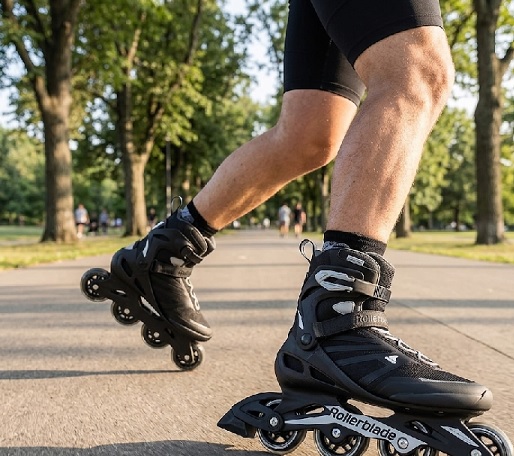
Rollerblade Zetrablade Elite – Best for Beginners
The Rollerblade Zetrablade Elite offers a perfect balance of comfort and stability for new skaters. Its supportive cuff and SG5 bearings ensure smooth rolling on pavement, making it the best option for recreational fitness skaters learning the basics.
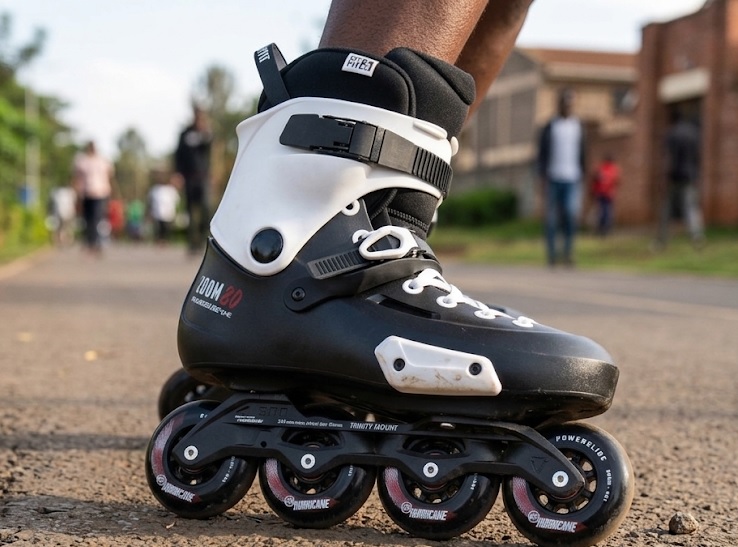
Powerslide Zoom Pro 80 – Best for Urban Skating
Built for durability, the Powerslide Zoom Pro 80 features a hard boot shell and 84A wheels for rough city streets. Its Trinity frame mounting system provides superior control, making it ideal for intermediate skaters who want a responsive, long-lasting skate.
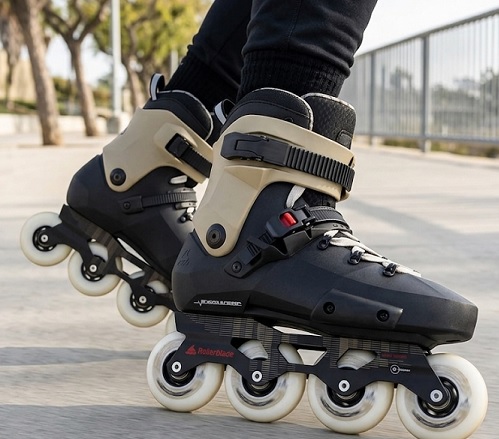
FR Skates FR1 80 – Best for Aggressive Fitness
The FR Skates FR1 80 is a premium choice for advanced skaters demanding precision and power. With a vented shell and adjustable frame, it offers excellent breathability and customization, making it the recommended option for long-distance fitness skating and slalom tricks.
Understanding Inline Skate Price Tiers: What You Get for Your Money
Inline skate prices reflect the materials, bearings, and frame quality used in construction. Knowing these tiers helps you match your budget to your skating goals without overspending.
Entry-Level Skates ($60 – $120): Best for Casual Use
These skates feature plastic frames and basic ABEC-3 or ABEC-5 bearings. They are ideal for kids or adults skating a few times per month on smooth surfaces.
- Frame material: Low-grade nylon or composite plastic
- Wheel hardness: Soft 78A-80A for grip, but wears quickly
- Best for: Recreational park paths and indoor rinks
Mid-Range Skates ($120 – $250): Best for Regular Fitness
Mid-range models upgrade to aluminum frames and ABEC-7 bearings for smoother, faster rides. You also get better ankle support and replaceable parts.
- Frame material: Extruded aluminum for better power transfer
- Wheel hardness: 82A-84A for a balance of speed and durability
- Best for: Fitness skating 2-4 times weekly and longer distances
High-End Skates ($250 – $500+): Best for Advanced Performance
Premium skates use carbon fiber shells and Swiss bearings for maximum speed and responsiveness. These models are built for aggressive, speed, or marathon skating.
- Frame material: Carbon fiber or 7000-series aluminum
- Wheel hardness: 85A+ for high-speed stability and longevity
- Best for: Competitive racing, urban skating, and daily training
Key Factors That Influence Inline Skates Cost
Beyond the price tier, specific components dictate the final cost of inline skates. Understanding these factors helps you prioritize features that matter most for your skating style.
Frame Material: Plastic vs. Aluminum vs. Carbon Fiber
The frame is the backbone of your skate, directly affecting weight, power transfer, and durability. Material choice is the single biggest cost driver after the boot.
- Plastic frames ($60-$120): Heavy and flexible, suitable for casual skating only. They absorb shock but waste energy during pushes.
- Aluminum frames ($120-$250): Stiff and lightweight, offering excellent power transfer. Extruded aluminum is standard; 7000-series is stronger and pricier.
- Carbon fiber frames ($300+): Ultra-light and rigid, used in high-end speed skates. They provide maximum energy return but cost 2-3x more than aluminum.
Bearing Quality: ABEC Ratings and Materials
Bearings determine how freely your wheels spin, impacting speed and rolling resistance. Higher-rated bearings cost more but deliver noticeable performance gains.
| Bearing Type | Cost Impact | Best Use Case |
|---|---|---|
| ABEC-3/5 | Low (included in budget skates) | Casual recreational skating |
| ABEC-7/9 | Medium ($20-$40 upgrade) | Fitness and urban skating |
| Swiss/SG9 | High ($50-$100 upgrade) | Speed and marathon racing |
Wheel Hardness and Size
Wheels are consumable parts that affect grip, speed, and vibration absorption. Harder wheels last longer but offer less traction on rough surfaces.
- 78A-80A (soft): Best for grip and comfort, ideal for smooth indoor rinks. These wear down fastest.
- 82A-84A (medium): A balanced choice for outdoor fitness skating. Good durability with decent shock absorption.
- 85A-88A (hard): Long-lasting and fast, perfect for rough asphalt and high-speed skating. Less forgiving on bumps.
Hidden Costs of Inline Skating: Budgeting Beyond the Skates
The purchase price of inline skates is only part of the total investment. Many beginners overlook essential gear and maintenance costs that add up quickly.
Protective Gear: A Non-Negotiable Expense
Safeguarding your body requires a helmet, wrist guards, knee pads, and elbow pads. Quality protection prevents injuries and saves money on medical bills.
- Helmet ($30-$80): Look for CPSC or EN 1078 certification. A multi-impact helmet is best for aggressive skating.
- Wrist guards ($15-$30): The most commonly injured area for skaters. Hard plastic splints offer the best protection.
- Knee and elbow pads ($20-$50): Opt for models with shock-absorbing gel or foam. Replace them after a hard fall.
Maintenance and Replacement Parts
Skates require regular upkeep to perform safely and smoothly. Budget for these recurring costs over the lifespan of your skates.
| Part | Replacement Frequency | Average Cost |
|---|---|---|
| Wheels (set of 8) | Every 6-12 months | $30 – $80 |
| Bearings (set of 16) | Every 12-18 months | $20 – $100 |
| Brake pads | Every 3-6 months | $5 – $15 |
| Laces and liners | As needed | $10 – $40 |
Accessories That Enhance Your Experience
Small upgrades can significantly improve comfort and convenience. These optional items add value for regular skaters.
- Skate bag ($25-$60): Protects your skates and carries gear. A ventilated bag prevents odor buildup.
- Tool kit ($10-$25): Essential for adjusting frames and changing wheels. A multi-tool is compact and versatile.
- Moisture-wicking socks ($10-$20): Reduces blisters and keeps feet dry. Avoid cotton, which retains sweat and causes friction.
How to Choose the Right Inline Skates for Your Budget
Selecting the perfect pair of skates requires matching your budget to your skating goals. Follow this step-by-step process to avoid common buying mistakes and get the best value.
Step 1: Define Your Skating Style and Frequency
Your intended use determines the minimum quality level you need. A casual skater can save money, while a frequent skater must invest in durability.
- Recreational (1-2 times/month): Entry-level skates ($60-$100) are sufficient. Focus on comfort and fit over performance features.
- Fitness (2-4 times/week): Mid-range skates ($150-$250) with aluminum frames offer better longevity. Prioritize bearing quality and ankle support.
- Urban or aggressive (daily use): High-end skates ($300+) with carbon fiber shells withstand hard impacts. Invest in replaceable parts and superior brakes.
Step 2: Prioritize Fit Over Features
No amount of fancy components compensates for poorly fitting skates. An uncomfortable skate ruins your experience and can cause injuries.
- Measure your feet: Use a Brannock device at a sporting goods store. Measure both feet; one is usually larger.
- Check heel lock: Your heel should not lift when you lean forward. A snug heel prevents blisters and improves control.
- Consider heat-moldable liners: Mid-range and premium skates offer liners that mold to your foot shape. This feature is worth the extra cost for long sessions.
Step 3: Compare Total Cost of Ownership
Factor in replacement parts and protective gear when calculating your real investment. A cheap skate with expensive wheels may cost more over time.
| Budget Tier | Skate Price | First-Year Total (with gear) |
|---|---|---|
| Entry | $80 | $160 (skate + $80 gear) |
| Mid-Range | $200 | $300 (skate + $80 gear + $20 wheels) |
| Premium | $400 | $550 (skate + $100 gear + $50 wheels) |
Where to Buy Inline Skates: Best Places for Every Budget
Finding the right retailer can save you money and ensure you get authentic, well-fitted skates. Each option offers different advantages regarding price, selection, and expert advice.
Local Skate Shops: Best for Expert Fitting
Specialty stores employ skaters who understand boot shapes and frame alignment. You pay a premium for this service, but the fit accuracy is unmatched.
- Pros: Professional sizing, ability to try before buying, and immediate support with adjustments. They often offer free mounting and heat-molding.
- Cons: Limited inventory and higher prices (10-20% more than online). Smaller shops may not stock budget-friendly models.
- Best for: First-time buyers and skaters with hard-to-fit feet who need personalized guidance.
Online Retailers: Best for Price and Selection
Websites like Inline Warehouse, Amazon, and SkatePro offer vast inventories and competitive pricing. You sacrifice fitting advice for lower costs and convenience.
- Pros: Access to clearance sales, customer reviews, and detailed specifications. Free shipping and easy returns are common for major brands.
- Cons: No fitting assistance; you must measure yourself. Return shipping costs can eat into savings if the size is wrong.
- Best for: Experienced skaters who know their size and want the lowest price on a specific model.
Secondhand Marketplaces: Best for Bargain Hunters
Facebook Marketplace, eBay, and Craigslist offer used skates at 40-60% off retail. This option carries significant risk but can yield incredible deals.
| Platform | Typical Discount | Risk Level |
|---|---|---|
| eBay | 40-50% off retail | Medium (buyer protection available) |
| Facebook Marketplace | 50-60% off retail | High (no returns, inspect in person) |
| Play It Again Sports | 30-40% off retail | Low (store-inspected inventory) |
Common Mistakes to Avoid When Buying Inline Skates
Many skaters waste money by choosing the wrong skates for their needs. Avoiding these common pitfalls ensures you get the best value for your investment and enjoy a safer skating experience.
Buying Skates That Are Too Large
New skaters often buy oversized skates for comfort, but this ruins control and causes blisters. Your toes should barely touch the front of the boot when standing upright.
- The finger test: You should not be able to slide more than one finger behind your heel. If you can, the skates are too big.
- Break-in period: Liners pack down by about half a size after 10-15 hours. Skates that feel snug initially will loosen to a perfect fit.
- Consequences: Loose skates cause heel lift, reducing your ability to transfer power and increasing fall risk by 40%.
Prioritizing Looks Over Performance
Flashy colors and aggressive styling do not improve your skating experience. Focus on frame material, bearing quality, and wheel hardness instead of aesthetics.
- Budget trap: Many $80 skates look identical to $200 models but use inferior plastic frames and soft wheels that wear out in weeks.
- Performance check: Spin the wheels before buying. They should spin freely for at least 10 seconds without wobbling or grinding noises.
- Brand reliability: Stick to established names like Rollerblade, Powerslide, FR Skates, and K2. Generic brands often cut corners on safety.
Ignoring the Brake System
Not all skates come with a heel brake, and some are incompatible with aftermarket brakes. This oversight can leave you unable to stop safely.
| Brake Type | Skate Style | Skill Level |
|---|---|---|
| Heel brake (standard) | Recreational and fitness | Beginner to intermediate |
| No brake (removable) | Urban and aggressive | Advanced (uses T-stop or powerslide) |
| Integrated brake (HABS) | High-end fitness | All levels (hands-free activation) |
How to Save Money on Inline Skates Without Sacrificing Quality
Getting a great pair of skates does not have to break the bank. Strategic shopping and timing can slash costs by 30-50% while still delivering excellent performance and durability.
Buy Last Season’s Models
Skate manufacturers release new colorways and minor updates annually. Previous year models are mechanically identical but heavily discounted when new stock arrives.
- Best time to buy: Late winter (January-February) when retailers clear inventory for spring launches. Discounts often reach 40-60% off MSRP.
- What changes: Usually only colors and liner patterns. Frames, bearings, and wheel specs remain unchanged between model years.
- Where to find them: Check the “Clearance” or “Last Season” sections on Inline Warehouse, SkatePro, and Amazon. Sign up for email alerts.
Look for Bundle Deals and Starter Kits
Many retailers offer packages that include skates, protective gear, and accessories at a reduced combined price. These bundles save you 15-25% compared to buying items separately.
| Bundle Type | Includes | Typical Savings |
|---|---|---|
| Starter Kit | Skates + helmet + wrist guards + knee pads | $30 – $50 off retail |
| Fitness Pack | Skates + bag + tool kit + spare wheels | $40 – $70 off retail |
| Pro Bundle | Skates + bearings + wheels + skate tool | $60 – $100 off retail |
Consider Refurbished or Demo Skates
Skate shops and rental facilities sell lightly used skates at steep discounts. These skates often have minor cosmetic wear but full mechanical function.
- Demo skates: Floor models from skate shops, used for 10-20 test rolls. They are typically 30-40% cheaper and come with full manufacturer warranties.
- Rental fleet skates: Sold by rinks after 1-2 seasons. Expect 50-60% savings, but inspect bearings and wheels for wear before purchasing.
- Refurbished units: Returned items inspected and repaired by the manufacturer. These include a partial warranty and cost 25-35% less than new.
Conclusion: Finding the Right Inline Skates for Your Budget
The cost of inline skates ranges from $60 to over $500, but your ideal price depends on your skating goals. Focus on fit, frame material, and bearing quality rather than flashy designs.
Invest in the best skates your budget allows to ensure safety and enjoyment. A $200 mid-range skate with an aluminum frame offers the best value for most skaters.
Start by measuring your feet and defining your skating style. Then apply the tips in this guide to make a confident purchase.
Frequently Asked Questions About Inline Skates Cost
Are expensive inline skates worth the money?
Yes, for regular skaters. Expensive skates use better materials like aluminum frames and ABEC-7 bearings that last longer and perform better.
For casual skaters skating once a month, a $60-$100 pair is sufficient. The key is matching the price to your skating frequency and intensity.
How much should I spend on my first pair of inline skates?
Spend between $100 and $150 for your first pair. This range gets you a quality aluminum frame and decent bearings without overspending.
Avoid the cheapest $60 skates as they use plastic frames that flex under weight. This makes learning harder and can develop bad skating habits.
What is the difference between $100 and $300 inline skates?
A $100 skate uses a plastic frame and ABEC-3 bearings, while a $300 skate uses an aluminum or carbon fiber frame with ABEC-7 or Swiss bearings. The $300 skate also has a heat-moldable liner for better comfort.
The $300 skate is lighter, faster, and lasts 2-3 times longer. It also offers better ankle support and more responsive steering for advanced techniques.
Do I need to buy expensive protective gear for inline skating?
No, but invest in quality wrist guards and a certified helmet. A $30 helmet with CPSC certification offers the same protection as a $100 model.
Budget knee and elbow pads ($15-$20) work fine for beginners. Upgrade to gel-filled pads only if you skate aggressively or frequently fall on hard surfaces.
How often do inline skate wheels need to be replaced?
Wheels last between 6 to 12 months for average recreational skaters. Frequent skaters skating 10+ miles weekly may need replacements every 3-4 months.
Rotate your wheels every 5-10 hours of skating to extend their life. Replace them when the profile becomes flat or you see the inner hub exposed.
Can I save money by buying used inline skates?
Yes, but inspect them carefully. Check for cracks in the frame, worn bearings that make grinding noises, and flattened wheels with uneven wear.
Used skates from reputable brands like Rollerblade or Powerslide are safe buys at 50% off retail. Avoid generic brands and skates with damaged boot liners.
What is the best way to maintain my inline skates to save money?
Clean your bearings every 2-3 months using a bearing cleaner kit. Lubricate them with speed cream to prevent rust and maintain smooth rolling.
Tighten frame bolts monthly and check for loose wheels. Store skates in a dry place away from direct sunlight to prevent liner and wheel degradation.
Should I buy skates with or without a heel brake?
Beginners should always choose skates with a heel brake. It provides the safest and easiest way to stop while learning proper technique.
Advanced skaters can remove the brake and use T-stops or powerslides. If you are unsure, buy skates with a removable brake so you have the option later.
Comments are closed.