Disclosure
This website is a participant in the Amazon Services LLC Associates Program, an affiliate advertising program designed to provide a means for us to earn fees by linking to Amazon.com and affiliated sites.
For most children, roller skates (quad skates) are significantly easier to learn on than inline skates. Their wider, more stable base of four wheels provides superior balance, making the initial learning curve much less intimidating for young beginners.
This complete guide compares stability, safety, and maneuverability to help you choose the right skates for your child. Discover expert tips on which style builds confidence fastest, and keep reading for proven methods to get your kid rolling safely today.
Best Roller Skates for Kids — Detailed Comparison
Chicago Skates Boys’ and Girls’ Classic Roller Skates — Best Overall Choice
These quad skates feature a durable nylon plate and adjustable toe stops, ideal for beginners. The padded liner offers comfort for long practice sessions. Best for children aged 3-8 looking for a stable, affordable entry point into roller skating.
Roller Derby Fire Star Adjustable Quad Skates — Best Value Option
With a push-button size adjustment system that grows four sizes, these skates last multiple years. The high-top vinyl boot provides solid ankle support. An excellent budget-friendly choice for parents wanting long-term use without sacrificing beginner safety.
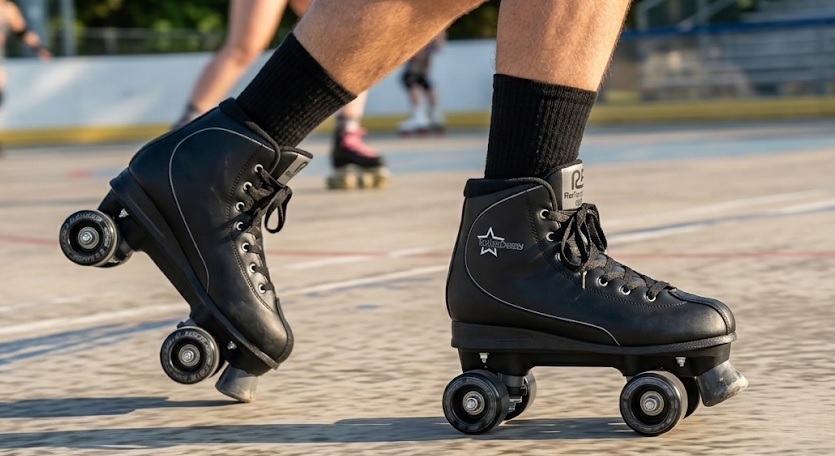
Sure-Grip Boardwalk Quad Roller Skates — Best Premium Pick
Featuring a full-grain leather boot and precision cast aluminum plate, these offer superior control and durability. The softer 78A wheels grip well on pavement. Ideal for older kids (ages 8+) who plan to skate regularly and want a high-performance upgrade.
Why Quad Skates Offer Better Stability for Young Beginners
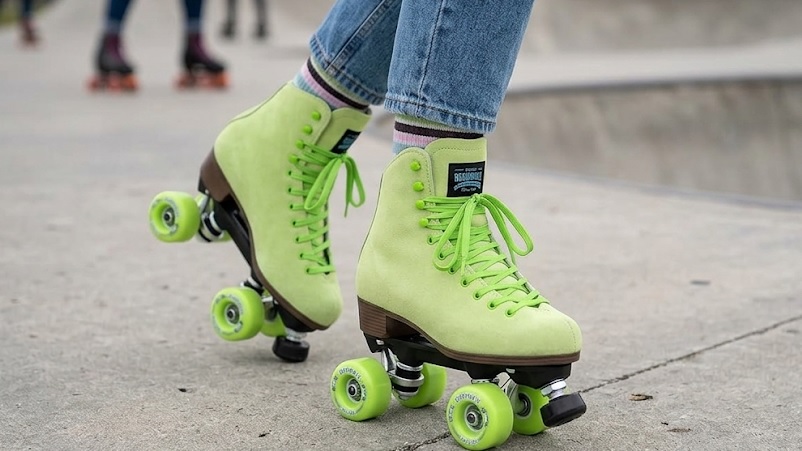
Quad skates provide a wider wheelbase and lower center of gravity than inline skates. This design naturally resists tipping forward or backward, which is the most common cause of falls for new skaters.
Wheel Configuration and Balance
The four-wheel square setup creates a stable platform roughly the size of a child’s foot. Inline skates place wheels in a single line, requiring precise ankle strength to stay upright. For kids under eight, quad skates drastically reduce wobbling.
Stopping and Steering Simplicity
Most quad skates include a rubber toe stop that children can drag easily to slow down. Inline skates typically use a heel brake, which demands lifting the toes—a confusing motion for beginners. Quad skates also turn by leaning, a more intuitive movement.
| Feature | Quad Skates | Inline Skates |
|---|---|---|
| Wheel Base | Wide, square | Narrow, linear |
| Balance Difficulty | Low | High |
| Brake Type | Toe stop (drag) | Heel brake (lift) |
| Best Age Start | 3 years+ | 7 years+ |
Ankle Support and Confidence Building
Quad skate boots typically have higher cuffs and more padding around the ankle. This support prevents the ankle from rolling inward, a painful injury common with inline skates. Greater stability leads to faster skill development and less frustration.
When Inline Skates Become the Better Choice for Kids
While quads are easier initially, inline skates offer superior speed and maneuverability for older or more athletic children. The switch often makes sense once a child has mastered basic balance and stopping on quads.
Age and Coordination Factors
Children aged seven and up typically possess the ankle strength and body awareness needed for inline skates. Their center of gravity is higher, and they can better understand the heel-brake mechanism. For kids who already ride a bike confidently, inline skates present a manageable challenge.
Speed and Long-Term Skill Development
Inline skates roll faster and turn more sharply due to their longer wheelbase. This makes them ideal for kids who want to progress to skate parks or fitness skating. Many hockey and speed skating programs require inline skates, making them a better investment for future athletes.
Safety Considerations for Inline Beginners
Always equip your child with a full set of protective gear when transitioning to inline skates. Wrist guards are especially critical because inline falls often involve forward pitches. Start on smooth, flat surfaces like tennis courts to build confidence safely.
Essential Safety Gear Every Young Skater Needs
Regardless of whether you choose quad or inline skates, proper protective gear is non-negotiable for children. A single fall on concrete can cause serious injuries that discourage kids from skating entirely.
Helmet Selection and Fit
Choose a CPSC-certified helmet designed specifically for multi-sport use. It should sit level on the head, with the strap forming a V-shape under the ears. Replace any helmet after a significant impact, even if no visible damage exists.
Wrist Guards, Knee Pads, and Elbow Pads
Wrist guards prevent the most common skating injury—broken wrists from outstretched hands. Knee pads should have a hard plastic cap to slide on pavement rather than catch. Elbow pads are often overlooked but protect against painful scrapes during backward falls.
- Wrist guards: Look for splints on both palm and back of the hand
- Knee pads: Ensure straps stay tight without cutting off circulation
- Elbow pads: Must cover the elbow tip completely without slipping
Teaching Safe Falling Techniques
Practice falling on grass or carpet before hitting pavement. Teach your child to bend knees, tuck chin, and land on padded areas rather than reaching out with hands. This simple drill builds muscle memory that prevents serious injury during real falls.
| Gear Item | Key Feature | Minimum Standard |
|---|---|---|
| Helmet | Multi-impact liner | CPSC certification |
| Wrist Guards | Hard splints both sides | Snug fit, no gap |
| Knee Pads | Hard cap, thick foam | Non-slip straps |
| Elbow Pads | Contoured shape | Stays put when bending |
How to Choose the Right Skate Size and Fit for Your Child
Proper fit is the most overlooked factor in a child’s skating success. Skates that are too loose cause blisters and poor control, while tight skates cut off circulation and cause pain.
Measuring Foot Length Accurately
Trace your child’s foot on a piece of paper while they stand. Measure from the heel to the longest toe using a ruler. Compare this measurement to the manufacturer’s size chart, as sizes vary significantly between brands.
Adjustable vs. Fixed-Size Skates
Adjustable skates feature a push-button mechanism that expands by up to four sizes. They save money but add weight and bulk that can hinder performance. Fixed-size skates offer better responsiveness and lighter weight for serious young skaters.
- Adjustable: Best for casual skaters aged 3-6 who grow quickly
- Fixed-size: Ideal for regular skaters aged 7+ needing precise control
- Half sizes: Always size up if between sizes for sock allowance
The Sock and Lacing Test
Have your child wear the same thin socks they will skate in. After lacing, check that you can slide one finger behind the heel and that toes barely touch the front. The ankle should feel snug without pinching.
| Fit Check | Correct | Too Tight | Too Loose |
|---|---|---|---|
| Heel Slip | Minimal | None | Lifts easily |
| Toe Space | Finger width | Toes curled | Slides forward |
| Ankle Support | Snug | Painful | Wobbly |
Step-by-Step Guide to Teaching Your Child to Skate
Learning to skate requires patience and a structured approach. Breaking the process into small, manageable steps prevents frustration and builds confidence quickly.
Step 1: Master Standing and Balancing
Start on grass or carpet to eliminate rolling. Have your child stand with feet shoulder-width apart, knees slightly bent, and arms out for balance. Practice lifting one foot at a time while holding a wall or parent’s hand.
Step 2: Learn the Basic Stride
Move to a smooth, flat surface like a tennis court. Teach the V-push technique: point toes outward, push one foot to the side, and glide. Repeat with the other foot in a penguin-like waddle motion.
- Position: Feet in a V-shape, heels together, toes apart
- Push: Shift weight to the standing foot and push sideways with the other
- Glide: Bring the pushing foot back to center and repeat
Step 3: Stopping Safely
For quad skates, teach the toe stop drag by lifting the front wheels and dragging the rubber stopper. For inline skates, practice the heel brake press by sliding the braking foot forward while lifting the toes. Always practice stopping at slow speeds first.
| Skill | Quad Skate Method | Inline Skate Method |
|---|---|---|
| Start | V-push from heels | V-push from toes |
| Turn | Lean and shift weight | Crossover step |
| Stop | Toe drag | Heel brake press |
Common Mistakes Parents Make When Choosing Kids’ Skates
Many parents unknowingly choose the wrong skates, leading to frustration and early abandonment. Avoiding these common pitfalls can save money and keep your child excited about skating.
Buying Skates That Are Too Large
Parents often buy oversized skates hoping their child will “grow into them.” This creates poor control, blisters, and dangerous wobbling that undermines confidence. Skates should fit snugly with only a finger’s width of extra space at the toe.
Choosing Based on Price Alone
The cheapest skates often have plastic wheels that slide uncontrollably and poor bearings that make rolling difficult. Investing in quality entry-level skates ($40-$70) provides better grip and smoother rides, making learning significantly easier.
- Too large: Causes heel lift and loss of control
- Too cheap: Plastic wheels and rough bearings hinder progress
- Wrong style: Forcing inline skates on a child too young
- No gear: Skipping helmets or wrist guards invites injury
Ignoring Wheel Material and Hardness
Hard plastic wheels found on cheap skates create a bumpy, slippery ride. Softer urethane wheels (78A-82A) grip the pavement and absorb vibrations, providing a smoother experience for beginners. Check wheel hardness before purchasing.
| Mistake | Consequence | Solution |
|---|---|---|
| Oversized skates | Poor control, falls | Buy exact size or adjustable |
| Cheap plastic wheels | Slipping, rough ride | Choose urethane 78A-82A |
| Skipping protective gear | Injury, fear of skating | Full gear: helmet, pads, guards |
| Wrong skate type | Frustration, quitting | Start quads, switch later |
Best Surfaces and Locations for Kids to Practice Skating
The surface your child learns on directly impacts their progress and safety. Choosing the right location can make the difference between a fun hobby and a frustrating experience.
Ideal Beginner Surfaces
Smooth, flat, and clean surfaces are essential for young learners. Tennis courts, basketball courts, and freshly paved parking lots offer the best combination of smoothness and space. Avoid cracked asphalt, gravel, and grass, which cause tripping and resistance.
Indoor vs. Outdoor Practice Spaces
Indoor rinks provide consistent, polished floors free from debris and weather issues. Outdoor skating offers fresh air and more space but requires softer wheels to handle rougher pavement. For beginners, indoor or covered areas are ideal for focused practice.
- Tennis courts: Smooth, flat, and usually fenced for safety
- School playgrounds: Often have large paved areas after hours
- Indoor skating rinks: Controlled environment, rental skates available
- Driveways: Convenient but check for cracks and debris
What to Avoid as a Beginner Location
Steep hills, busy sidewalks, and rough streets are dangerous for new skaters. Even a slight slope can cause uncontrolled speed that terrifies a child. Stick to flat, enclosed areas until your child can stop and turn confidently.
| Surface Type | Beginner Friendly? | Best For |
|---|---|---|
| Tennis court | Yes | First lessons, balance drills |
| Parking lot (empty) | Yes | Long glides, stride practice |
| Sidewalk | No | Only after mastering stops |
| Grass | No | Only for falling practice |
| Indoor rink | Yes | All-weather practice |
Conclusion: Roller Skates vs Inline Skates for Kids — Final Verdict
Quad skates are the clear winner for young beginners due to their superior stability and easier learning curve. Children aged 3-7 will build confidence faster on four wheels.
Switch to inline skates around age 7-8 if your child craves speed or wants to pursue hockey or fitness skating. Always invest in proper protective gear regardless of your choice.
Start your child on quads today and watch their skills grow. The right skates make all the difference in creating a lifelong love of skating.
Frequently Asked Questions about Roller Skates vs Inline Skates for Kids
What is the best age to start a child on roller skates?
Most children can start learning on quad skates as early as age three. At this age, they have enough coordination to stand and walk with support.
For inline skates, wait until age seven or eight when ankle strength is developed. Every child develops differently, so watch for balance and interest cues.
Which type of skate is easier for a child to learn on?
Quad skates are significantly easier for most children to learn on. Their four-wheel square configuration provides a wide, stable base that resists tipping.
Inline skates require more ankle strength and balance control. Starting with quads builds confidence that makes the transition to inlines smoother later.
How do I know if my child needs quad or inline skates?
Choose quad skates if your child is under seven or easily frustrated by challenges. Quad skates offer immediate stability and faster early progress.
Choose inline skates if your child is older, athletic, and interested in speed or hockey. Inline skates allow for sharper turns and faster rolling.
What safety gear is absolutely necessary for kids learning to skate?
A CPSC-certified helmet, wrist guards, knee pads, and elbow pads are all essential. Wrist guards are the most critical piece because broken wrists are the most common injury.
Never let your child skate without a helmet, even for short sessions. Head injuries can occur from simple falls on flat surfaces.
How tight should kids’ roller skates fit?
Skates should fit snugly with toes barely touching the front of the boot. You should be able to slide one finger behind the child’s heel.
If the foot slides forward or the heel lifts, the skates are too loose. Loose skates cause blisters, poor control, and dangerous wobbling.
Can a child switch from quad skates to inline skates later?
Yes, the transition from quad to inline skates is usually smooth. Children who master balance on quads adapt to inlines within a few sessions.
The key skills of striding, gliding, and stopping transfer between styles. Expect a short adjustment period for the narrower wheelbase and different brake.
What is the best surface for a child to learn skating on?
Smooth, flat surfaces like tennis courts or indoor rinks are ideal for beginners. Avoid cracked pavement, gravel, grass, and hills entirely.
Empty parking lots with fresh asphalt also work well for practice. Always check the surface for debris, cracks, or loose stones before skating.
How long does it take for a child to learn to skate?
Most children can stand and move on quad skates within one to two practice sessions. Basic striding and stopping usually develop within one week.
Full confidence on inline skates typically takes two to four weeks of regular practice. Consistent short sessions of 20-30 minutes work better than long, tiring practices.