
Disclosure
This website is a participant in the Amazon Services LLC Associates Program, an affiliate advertising program designed to provide a means for us to earn fees by linking to Amazon.com and affiliated sites.
Inline skate wheels squeak due to dry bearings, debris, or worn components. This complete guide provides expert tips and proven methods to silence your skates instantly, restoring a smooth, quiet ride.
You will learn how to diagnose the exact cause of the noise and apply simple fixes. Keep reading for step-by-step instructions to eliminate that annoying squeak for good.
Best Lubricants for Silencing Squeaky Inline Skate Wheels
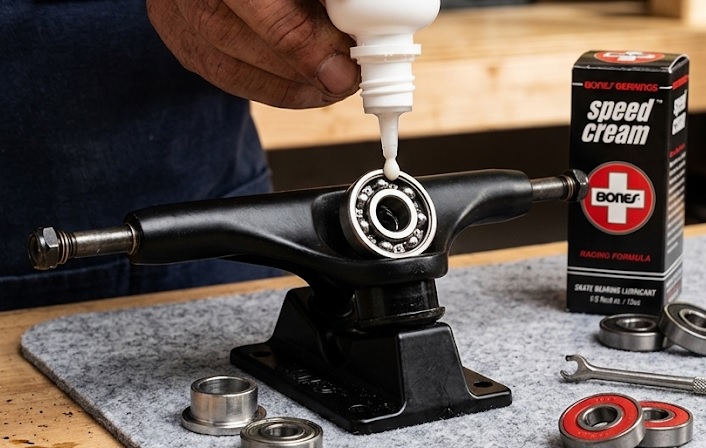
Bones Speed Cream – Best Overall Choice
This premium synthetic oil is specifically designed for skate bearings. It penetrates deep to displace moisture and reduce friction. Best use case: skaters who want a fast, long-lasting fix without disassembling their wheels.
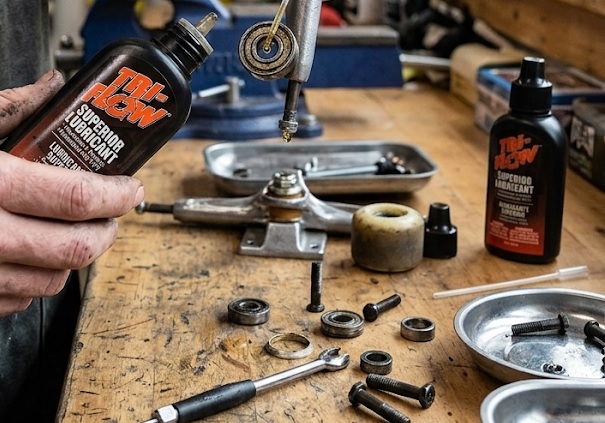
Tri-Flow Superior Lubricant – Best All-Purpose Option
A versatile lubricant with Teflon that works on bearings, axles, and frames. It provides excellent water resistance and corrosion protection. Best use case: skaters needing one product for multiple skate components.
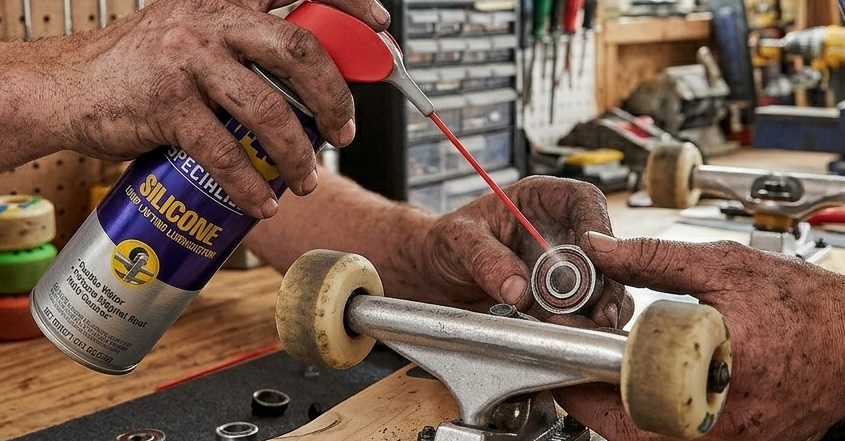
WD-40 Specialist Silicone Lubricant – Best Budget Choice
This spray-on formula dries quickly without attracting dirt. It stops squeaks instantly and protects against rust. Best use case: quick roadside repairs or skaters on a tight budget.
Common Causes of Squeaky Inline Skate Wheels
Understanding why your wheels squeak is the first step to fixing them. Most noise originates from the bearings, axle hardware, or wheel hubs. Identifying the source saves you time and effort.
Dry or Dirty Bearings
Bearings require consistent lubrication to spin smoothly. When factory grease dries out or dirt accumulates, metal balls grind against races, creating a high-pitched squeak. This is the most common cause of wheel noise.
- Solution: Clean bearings with a degreaser, then apply a thin lubricant like Bones Speed Cream.
- Prevention: Re-lube bearings every 10-15 hours of skating to maintain silent performance.
Loose or Overtightened Axle Nuts
Axle nuts that are too tight compress the bearing shields, causing friction. Nuts that are too loose allow lateral wheel wobble, which also generates noise. Proper torque is critical for quiet wheels.
- Check: Spin each wheel freely. It should rotate for 5-10 seconds without resistance.
- Adjust: Tighten the axle nut until snug, then back off a quarter turn for optimal clearance.
Debris Between Wheel and Frame
Small rocks, sand, or dirt can lodge between the wheel hub and the frame. This creates a scraping or squeaking sound as the wheel rotates. Visible debris is easy to spot and remove.
- Fix: Remove the wheel, clean the hub and frame with a dry cloth, then reassemble.
- Tip: Skating on clean, smooth surfaces reduces debris accumulation significantly.
How to Diagnose Where the Squeak Is Coming From
Pinpointing the exact source of the noise prevents unnecessary repairs. A systematic check of each wheel and component saves time. Follow this diagnostic process to identify the culprit quickly.
Perform a Spin Test on Each Wheel
Lift the skate off the ground and spin each wheel individually. Listen for a high-pitched squeak or grinding sound. A noisy wheel indicates a bearing issue, while a silent wheel points to frame debris.
- Step 1: Spin the wheel with your hand and listen closely near the hub.
- Step 2: If you hear noise, hold the wheel still and move the skate side-to-side. A clicking sound suggests loose axle hardware.
Check for Lateral Wobble
Grasp the wheel on both sides and try to wiggle it sideways. Excessive play indicates a loose axle nut or worn bearings. Lateral movement creates friction that often results in squeaking.
- Fix: Tighten the axle nut slightly and retest. If wobble persists, replace the bearings.
- Note: New bearings should have zero side-to-side play when properly installed.
Inspect the Wheel Surface and Hub
Remove each wheel and examine the hub for cracks or embedded debris. Run your finger along the inside edge of the frame. Small rocks or sand grains are common noise sources that are easy to overlook.
- Clean: Wipe the hub and frame with a damp cloth to remove grit.
- Replace: Cracked hubs should be replaced immediately to avoid wheel failure.
Step-by-Step Guide to Fix Squeaky Inline Skate Wheels
Once you have diagnosed the source, you can apply the correct fix. This step-by-step process works for most common squeak causes. Follow these instructions carefully for best results.
How to Clean and Lubricate Bearings
Remove the wheel and pop out the bearings using a bearing tool or axle. Soak them in a degreaser for 10 minutes, then shake off excess liquid. Let bearings dry completely before applying lubricant.
- Clean: Use isopropyl alcohol or a dedicated bearing cleaner to remove old grease and dirt.
- Lubricate: Apply one drop of Bones Speed Cream or Tri-Flow to each bearing shield.
- Spin: Rotate the bearing by hand to distribute the oil evenly inside.
How to Adjust Axle Nut Tension
Use a skate tool to loosen the axle nut by a quarter turn at a time. Spin the wheel after each adjustment to test for freedom of movement. The wheel should spin freely for several seconds without wobbling.
- Too tight: Back off the nut until the wheel spins with minimal resistance.
- Too loose: Tighten until snug, then back off an eighth turn to prevent binding.
How to Remove Debris from the Frame
Detach the wheel completely and inspect the frame channel. Use a small brush or compressed air to dislodge any stuck particles. Wipe the area clean with a dry cloth before reinstalling the wheel.
- Tool: A toothbrush or soft paintbrush works well for cleaning tight spaces.
- Prevention: Apply a thin layer of silicone spray to the frame channel to repel dirt.
How to Prevent Inline Skate Wheels From Squeaking in the Future
Prevention is far easier than repeated repairs. A simple maintenance routine keeps your skates silent and extends bearing life. Adopt these habits to avoid squeaks altogether.
Establish a Regular Cleaning Schedule
Clean your bearings and wheels after every 10-15 hours of skating. Wipe down the frame and hubs with a dry cloth after each session. Consistent cleaning prevents dirt buildup that causes noise.
- Frequency: Heavy outdoor skaters should clean bearings weekly; indoor skaters can go two weeks.
- Tools: Keep a bearing cleaner kit, lubricant, and a small brush in your skate bag.
Store Skates in a Dry Environment
Moisture is a leading cause of bearing rust and squeaking. Always store your skates indoors at room temperature. Avoid damp garages or leaving skates in a car overnight.
- Tip: Place a silica gel packet inside your skate bag to absorb excess humidity.
- Warning: Never store wet skates in a closed bag, as this promotes rust and mold growth.
Use High-Quality Bearings and Lubricants
Premium bearings like Bones Reds or Swiss bearings come pre-lubricated and resist dirt better. Cheap bearings often squeak sooner due to poor seals. Investing in quality components saves time and frustration.
- Recommendation: Bones Speed Cream maintains optimal viscosity longer than generic oils.
- Avoid: Thick grease, as it attracts dirt and slows wheel rotation significantly.
When to Replace Bearings vs. Wheels for Persistent Squeaking
Sometimes cleaning and lubricating are not enough. Persistent squeaking often indicates worn components that need replacement. Knowing when to replace saves you from wasted effort and unsafe skating conditions.
Signs Your Bearings Need Replacement
Bearings that still squeak after thorough cleaning are likely damaged. Look for visible rust, pitting, or rough rotation when spun by hand. Worn bearings cannot be saved and will only get worse over time.
- Test: Spin the bearing on a pencil. If it wobbles or stops abruptly, replace it immediately.
- Cost: A set of Bones Reds bearings costs around $20 and lasts 6-12 months with regular use.
Signs Your Wheels Need Replacement
Wheels with cracked hubs, flat spots, or uneven wear will squeak regardless of bearing condition. Inspect the urethane surface for chunks missing or excessive coning. Damaged wheels compromise stability and should be replaced promptly.
- Check: Roll the wheel on a flat surface. If it wobbles or skips, the hub is likely warped.
- Recommendation: Replace wheels in sets of four to maintain consistent performance and wear.
Comparison: Repair vs. Replace Decision Guide
| Condition | Action | Estimated Cost |
|---|---|---|
| Dry bearings, no rust | Clean and lubricate | $5-$10 |
| Rusty or pitted bearings | Replace bearings | $15-$30 |
| Cracked or flat-spotted wheels | Replace wheels | $30-$60 |
| Loose axle hardware | Tighten or replace nut | $2-$5 |
Common Mistakes That Make Inline Skate Squeaking Worse
Many skaters inadvertently worsen squeaks by using the wrong products or techniques. Avoiding these common errors saves you time and money. Learn what not to do to keep your skates running silently.
Using WD-40 Standard as a Bearing Lubricant
Standard WD-40 is a solvent and water displacer, not a lubricant. It will temporarily silence bearings but dries out quickly, leaving them dry. This causes faster wear and louder squeaks within days.
- Correct product: Use Bones Speed Cream or Tri-Flow for proper long-term lubrication.
- Exception: WD-40 Specialist Silicone is safe for bearings, but standard blue-and-yellow cans are not.
Overtightening Axle Nuts to Stop Noise
Some skaters crank axle nuts down hard, thinking it will stop wobble. This compresses bearing shields and creates friction noise. Overtightening damages bearings and often makes squeaking louder.
- Correct torque: Tighten until snug, then back off a quarter turn for free rotation.
- Test: The wheel should spin freely for 5-10 seconds without resistance.
Ignoring Frame Alignment Issues
A bent or misaligned frame can cause wheels to rub against the frame. This creates a persistent squeak that no amount of bearing cleaning will fix. Check frame alignment by sighting down the length of the skate.
- Fix: Loosen frame mounting bolts, align the frame straight, and retighten evenly.
- Professional help: Take skates to a shop if you suspect frame damage from a hard impact.
Skipping Regular Maintenance
Waiting until squeaks appear before cleaning is a common mistake. Regular maintenance prevents dirt buildup and moisture damage. Proactive care keeps bearings silent and extends their lifespan significantly.
- Schedule: Set a reminder to clean bearings every 10-15 hours of skating.
- Result: Consistent maintenance reduces the need for replacements by up to 50 percent.
Expert Tips for Silent Skating on Any Surface
Different skating surfaces affect how quickly wheels start squeaking. Adjusting your technique and maintenance routine to your environment keeps noise at bay. These expert tips help you skate silently whether indoors or outdoors.
Skating on Rough Outdoor Surfaces
Asphalt and concrete generate more dust and debris that infiltrate bearings. Use softer wheels (78A-82A durometer) that absorb vibration and reduce grit entry. Clean bearings after every outdoor session to prevent dirt from hardening inside.
- Tip: Apply a thicker lubricant like Tri-Flow for outdoor skating, as it resists washout better than thin oils.
- Warning: Avoid puddles and wet pavement, as water rapidly rusts unprotected bearings.
Skating on Smooth Indoor Rinks
Indoor surfaces are cleaner but can still generate squeaks from dry bearings. Indoor skaters should lubricate bearings less frequently but with lighter oil. Bones Speed Cream is ideal for indoor use due to its low viscosity.
- Frequency: Lubricate indoor bearings every 20-25 hours of skating instead of 10-15.
- Check: Wipe wheels with a microfiber cloth between sessions to remove wax buildup from rink floors.
Transitioning Between Surfaces
Skaters who move between indoor and outdoor environments need adaptable maintenance. Carry a small lubricant pen in your skate bag for quick touch-ups. A single drop of oil can silence a squeak that develops mid-session.
- Quick fix: Apply lubricant to the bearing shield without removing the wheel for roadside repairs.
- Note: Always clean bearings after returning indoors from outdoor skating to remove trapped grit.
Conclusion: Keep Your Inline Skate Wheels Squeak-Free
Silencing squeaky wheels comes down to proper diagnosis and consistent maintenance. Clean bearings, correct axle tension, and quality lubricants solve most noise issues quickly.
Adopt a regular cleaning schedule after every 10-15 hours of skating. This simple habit prevents dirt buildup and extends the life of your bearings and wheels.
Grab your skate tool and check your wheels today. A few minutes of maintenance now saves you from annoying squeaks later.
Frequently Asked Questions about How to Stop Inline Skate Wheels From Squeaking
Why do my inline skate wheels squeak even after I clean them?
Persistent squeaking after cleaning usually indicates damaged bearings or worn wheel hubs. Check for visible rust, pitting, or flat spots on the bearing surface.
If bearings look fine, inspect the wheel hub for cracks or debris embedded deep in the urethane. Replacement is often the only solution for these issues.
Can I use WD-40 to stop my skate wheels from squeaking?
Standard WD-40 is not a lubricant and will dry out bearings quickly, making squeaks worse. Use it only as a cleaner to flush out old grease and dirt.
Always follow up with a proper bearing lubricant like Bones Speed Cream or Tri-Flow. This two-step process ensures long-lasting silence and smooth rotation.
How often should I lubricate my inline skate bearings?
Outdoor skaters should lubricate bearings every 10-15 hours of skating due to dust and debris. Indoor skaters can extend this to 20-25 hours between applications.
Signs that lubrication is needed include a dry grinding sound or slower wheel spin. A single drop of oil per bearing is usually sufficient for silent operation.
What is the best lubricant for squeaky inline skate wheels?
Bones Speed Cream is widely considered the best option for skate bearings due to its low viscosity and long-lasting formula. It penetrates deep without attracting dirt.
Tri-Flow Superior Lubricant is an excellent alternative that offers water resistance and corrosion protection. Both products are specifically designed for high-speed bearing applications.
How tight should inline skate axle nuts be to prevent squeaking?
Axle nuts should be tightened until snug, then backed off a quarter turn for free wheel rotation. The wheel should spin freely for 5-10 seconds without resistance.
Overtightening compresses bearing shields and creates friction noise. Undertightening allows lateral wobble that also generates squeaks over time.
Why do my new inline skate wheels squeak right away?
New wheels often squeak due to factory grease that has dried during storage or shipping. The bearings may also be packed with thick grease that creates initial resistance.
Clean the bearings with a degreaser and apply a thin lubricant to resolve this issue. If squeaking persists, check that axle nuts are not overtightened from the factory.
Can wet conditions cause inline skate wheels to squeak?
Yes, moisture is a leading cause of bearing rust and squeaking. Water washes away lubricant and promotes corrosion on metal bearing surfaces.
Always dry your skates thoroughly after skating in wet conditions. Apply fresh lubricant to bearings before your next session to prevent rust formation.
What is the best way to clean inline skate bearings without removing them?
Apply a few drops of isopropyl alcohol or bearing cleaner directly to the bearing shield while spinning the wheel. This flushes out surface dirt without disassembly.
Follow immediately with a drop of lubricant to replace the displaced oil. This quick method works for minor squeaks but deep cleaning requires bearing removal for best results.