Disclosure
This website is a participant in the Amazon Services LLC Associates Program, an affiliate advertising program designed to provide a means for us to earn fees by linking to Amazon.com and affiliated sites.
A well-packed skate bag is the difference between a great session and a frustrating trip home. Packing the right gear ensures you stay safe, comfortable, and ready to roll every time you hit the rink.
This complete guide covers the skate bag essentials every skater needs. You will learn expert tips for organizing your kit, protecting your skates, and never forgetting crucial safety items again. Keep reading to build your perfect rink bag.
Best Skate Bag Essentials for the Rink – Detailed Comparison
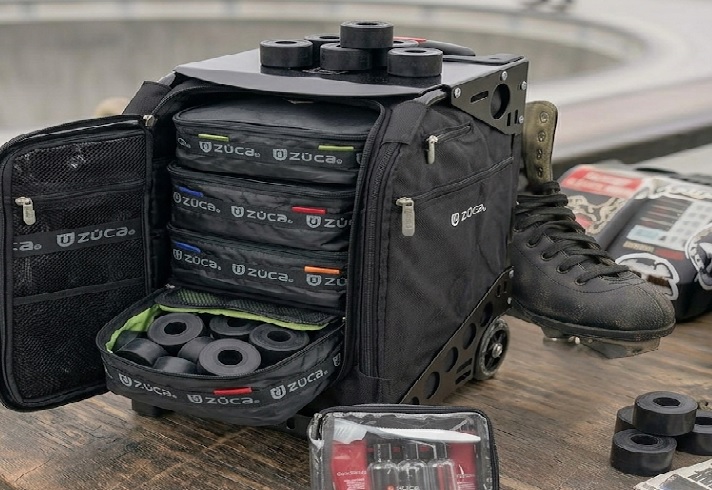
Zuca Pro Bag – Best Overall Choice
The Zuca Pro Bag is the gold standard for serious skaters. It features a durable, lightweight aluminum frame and a built-in seat for lacing up. Ideal for transporting gear securely, this bag offers ample storage for skates, pads, and accessories.
Sure-Grip Boardwalk Skate Bag – Best Budget Option
The Sure-Grip Boardwalk Skate Bag provides excellent value for recreational skaters. It includes padded compartments to protect your skates and multiple pockets for small essentials. This bag is a recommended choice for beginners who need reliable, affordable storage.
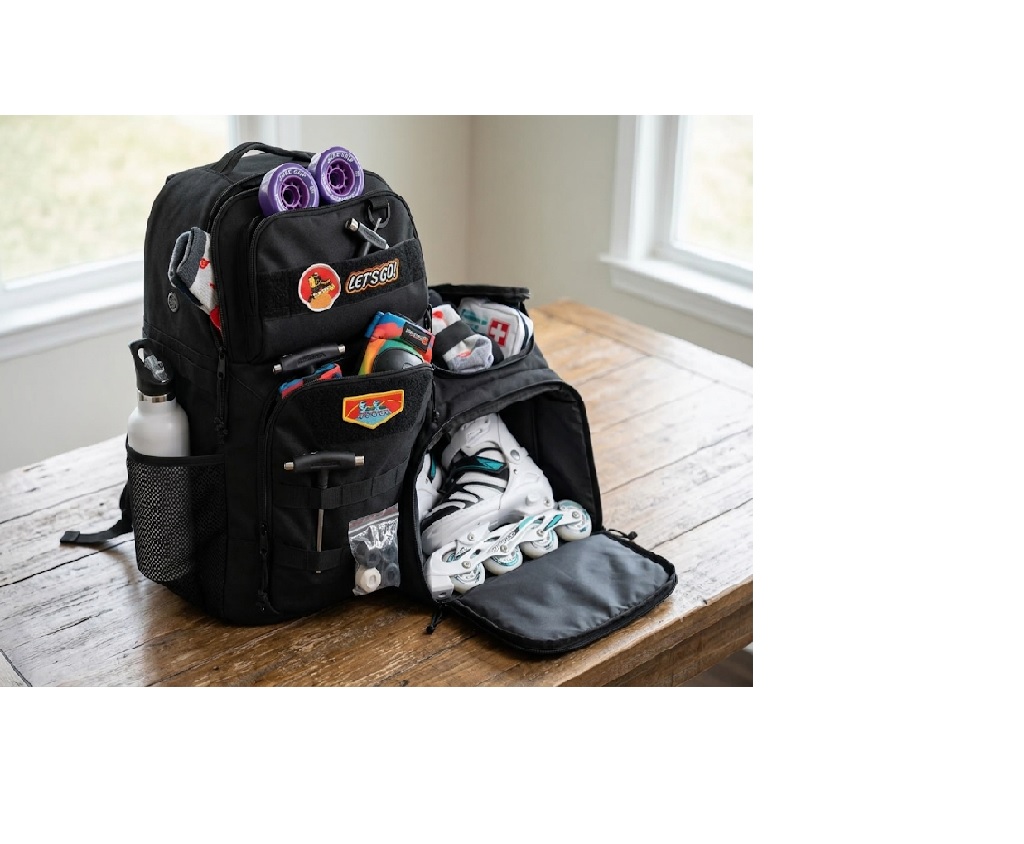
Riedell R3 Skate Backpack – Best for Portability
The Riedell R3 Skate Backpack is designed for skaters on the go. Its ventilated compartment holds skates securely while keeping the rest of your gear dry. This is the best option for carrying your equipment comfortably to and from the rink.
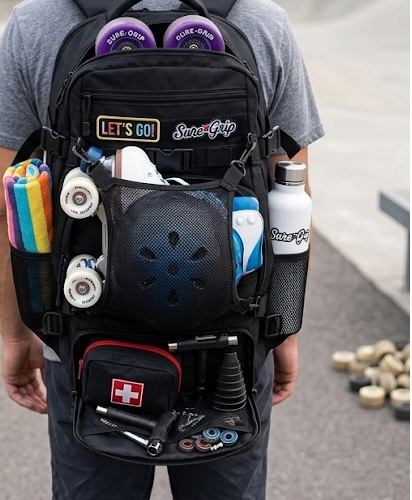
Essential Safety Gear for Every Skate Bag
Your skate bag must prioritize protection before performance. Wearing the right safety gear significantly reduces injury risk during falls or collisions at the rink.
Helmets and Head Protection
A CPSC-certified helmet is non-negotiable for all skaters, regardless of skill level. Look for models specifically rated for skate activities, not just biking. A proper fit means the helmet sits level on your head and does not move when shaken.
- Triple Eight Brainsaver: Offers dual-certification for skating and biking.
- S1 Lifer Helmet: Known for its multi-impact EPS foam liner.
- Pro-Tec Classic: A timeless design with reliable hard-shell protection.
Pads and Guards for Joints
Knee and elbow pads absorb impact during unexpected falls. Choose pads with a hard outer cap and thick foam padding for maximum shock absorption. Wrist guards are equally vital to prevent fractures during forward falls.
Key features to look for: Adjustable straps for a snug fit, breathable mesh fabric, and reinforced stitching. Always test the range of motion before purchasing to ensure they do not restrict movement.
Key Takeaway: A complete safety kit includes a helmet, knee pads, elbow pads, and wrist guards. Never skip these items, even for short practice sessions.
Tools and Maintenance Items for Quick Repairs
Mechanical issues can cut your session short without warning. Packing the right tools ensures you handle minor problems instantly and get back on the rink fast.
Essential Skate Tool Kit
A multi-tool skate wrench is the most important item in your repair kit. It allows you to adjust trucks, change wheels, and tighten axles without carrying separate tools. Look for one that includes a T-nut tool and a bearing press.
- Powerdyne Skate Tool: Compact design with all necessary hex keys.
- Sure-Grip Skate Wrench: Affordable option with a comfortable rubber grip.
- Bones Bearing Tool: Ideal for removing and installing bearings quickly.
Spare Parts and Lubricants
Carrying spare bearings and wheels prevents downtime from unexpected failures. A blown bearing or flat spot on a wheel can ruin your momentum instantly. Pack a small bottle of speed cream lubricant to keep your bearings rolling smoothly.
Pro tip: Store spare parts in a small zippered pouch inside your bag. This keeps them organized and prevents grease from staining other gear. Always carry at least two spare bearings and one extra set of toe stops.
Key Takeaway: A well-stocked repair kit includes a multi-tool, spare bearings, lubricant, and extra toe stops. These items solve 90% of common skate problems at the rink.
Comfort and Hydration Items for Long Sessions
Staying comfortable and hydrated directly impacts your performance and endurance at the rink. Dehydration and fatigue can lead to poor form and increased injury risk.
Hydration Essentials for Skaters
A reusable water bottle is a non-negotiable item in your skate bag. Look for insulated stainless steel models that keep water cold for hours during long practice sessions. Aim to drink at least 8 ounces of water every 20 minutes of active skating.
- Hydro Flask 24 oz: Keeps drinks cold for up to 24 hours.
- Nalgene Wide Mouth: Durable, BPA-free plastic with leak-proof cap.
- Electrolyte packets: Add to water to replace lost minerals from sweat.
Comfort Accessories for Better Performance
Proper skate socks prevent blisters and keep your feet dry during intense sessions. Choose moisture-wicking materials like merino wool or synthetic blends rather than cotton. Pack an extra pair of socks in case your feet get sweaty halfway through.
Other comfort items to include: A small towel for drying sweat, gel insoles for arch support, and a lightweight hoodie for cool-down periods. These small additions make a significant difference in your overall skating experience.
Key Takeaway: Pack a reusable water bottle, electrolyte packets, moisture-wicking socks, and a small towel. These comfort items help you skate longer and recover faster between sessions.
Organization Tips for Packing Your Skate Bag Efficiently
A disorganized skate bag wastes time and frustrates you when searching for gear. Smart packing ensures every item has a place and is easy to access when needed.
Using Compartments and Pouches
Divide your gear into separate pouches based on category: safety, tools, comfort, and spare parts. This system prevents small items from getting lost at the bottom of your bag. Use clear mesh pouches so you can see contents without opening every pocket.
- Safety pouch: Helmet, knee pads, elbow pads, wrist guards.
- Tool pouch: Multi-tool, spare bearings, lubricant, toe stops.
- Comfort pouch: Extra socks, towel, electrolyte packets, bandages.
Step-by-Step Packing Process
Start by placing your skates at the bottom of the bag with wheels facing inward. Stack padded gear like knee pads on top to create a cushioning layer. Place your tool pouch and comfort pouch in side pockets for quick access during breaks.
- Step 1: Insert skates at the bottom, wheels facing inward.
- Step 2: Layer safety pads on top for cushioning.
- Step 3: Place water bottle in an external side pocket.
- Step 4: Store tool pouch in an accessible side compartment.
Key Takeaway: Use separate pouches for safety gear, tools, and comfort items. Pack skates at the bottom and layer pads on top for protection and easy access.
First Aid Kit Essentials for Rink Emergencies
Minor injuries like scrapes, blisters, and twisted ankles happen frequently at the rink. A well-stocked first aid kit allows you to treat these issues immediately and continue skating.
Basic First Aid Supplies
Pack a compact first aid pouch with essentials for treating common skating injuries. Focus on items that address blisters, cuts, and sprains. Keep this pouch in an easily accessible pocket of your skate bag.
- Adhesive bandages: Various sizes for cuts and blisters.
- Antiseptic wipes: Clean wounds before applying bandages.
- Moleskin patches: Prevent and treat hot spots on feet.
- Elastic wrap: Provide compression for sprained ankles or wrists.
- Pain reliever: Ibuprofen or acetaminophen for inflammation.
Treating Common Skate Injuries
Blisters are the most frequent complaint among skaters. Apply a moleskin patch at the first sign of friction to prevent a full blister from forming. For ankle sprains, use the elastic wrap to apply compression and elevate the foot immediately.
Pro tip: Replace used items in your first aid kit after each session. Check expiration dates on medications and antiseptic wipes regularly. A neglected kit offers no help during an emergency.
Key Takeaway: Your first aid kit should include bandages, antiseptic wipes, moleskin, elastic wrap, and pain relievers. Treat blisters immediately to avoid ruining your session.
Seasonal Additions for Your Skate Bag
Your skate bag needs change with the seasons and weather conditions. Adjusting your gear ensures comfort and performance regardless of the environment outside the rink.
Summer and Warm Weather Essentials
Hot rinks and humid conditions increase sweat and dehydration risks. Pack extra cooling items to stay comfortable during summer sessions. A small handheld fan can provide relief during breaks.
- Cooling towel: Wet and wring out for instant temperature drop.
- Extra water bottle: Double your hydration capacity for long sessions.
- Antiperspirant wipes: Freshen up quickly between skating sets.
- Sunscreen: Protect exposed skin if walking to or from the rink.
Winter and Cold Weather Additions
Cold temperatures can stiffen your muscles and reduce flexibility. Pack warming items to keep your body ready for action. A proper warm-up routine becomes even more critical in colder months.
Key winter items: Thermal gloves for cold rinks, a fleece neck gaiter, and hand warmers for outdoor commutes. Wear layers that you can easily remove as your body heats up during skating.
Key Takeaway: Add cooling towels and extra water for summer. Pack thermal gloves and hand warmers for winter. Adjust your skate bag contents based on the season and rink temperature.
Post-Session Care Items for Your Skate Bag
What you do after skating is just as important as your preparation before. Packing post-session care items helps you recover faster and extends the life of your gear.
Skate Cleaning and Drying Supplies
Sweat and moisture damage bearings and boot materials over time. Wipe down your skates immediately after each session to prevent rust and deterioration. A quick cleaning routine takes less than two minutes.
- Microfiber cloth: Gently wipe boots, plates, and wheels clean.
- Bearing dryer: Absorb moisture from bearings after damp sessions.
- Boot deodorizer: Spray inside boots to eliminate odor-causing bacteria.
- Wheel cleaner: Remove dirt and grime buildup from wheel surfaces.
Recovery Tools for Your Body
Muscle soreness and fatigue are common after intense skating sessions. Pack recovery tools to reduce stiffness and promote healing. Proper recovery helps you return to the rink sooner.
Essential recovery items: A foam massage ball for trigger points, compression socks for circulation, and a small tube of arnica gel for bruises. Stretch for five minutes immediately after removing your skates.
Key Takeaway: Pack a microfiber cloth, bearing dryer, and boot deodorizer for gear care. Include a massage ball and compression socks for muscle recovery. Clean your skates and stretch before leaving the rink.
Conclusion: Master Your Skate Bag Essentials Today
Packing the right skate bag essentials transforms your rink experience from frustrating to seamless. Safety gear, repair tools, comfort items, and post-session care all play vital roles in your success.
Start by building your kit with the core items covered in this guide. Add seasonal adjustments as needed for year-round comfort and performance.
Take action today: Review your current skate bag and identify missing essentials. A well-prepared bag means more time skating and less time searching for gear.
Frequently Asked Questions about Skate Bag Essentials
What are the absolute must-have items for a skate bag?
The non-negotiable items are your skates, a certified helmet, knee pads, elbow pads, and wrist guards. Always pack a multi-tool for adjustments and a reusable water bottle for hydration.
These core items ensure your safety and allow you to handle basic equipment issues. Without them, you risk injury or being unable to complete your session at the rink.
How do I clean and maintain my skate bag?
Empty your bag completely after every few sessions to remove debris and check for damage. Wipe the interior with a damp cloth and mild soap, then air dry it thoroughly before repacking.
For fabric bags, spot clean stains immediately to prevent them from setting. Store your bag in a cool, dry place away from direct sunlight to prevent material degradation over time.
What size skate bag do I need for recreational skating?
A medium-sized duffel bag between 20 and 30 liters is ideal for recreational skaters. This size fits one pair of skates, safety pads, and a small tool kit comfortably.
If you carry extra gear like a hoodie or multiple water bottles, choose a 35-liter bag. Always check the bag’s dimensions against your skate size before purchasing.
How often should I replace safety gear in my skate bag?
Replace your helmet every three to five years, or immediately after a significant impact. Knee and elbow pads typically last one to two years with regular use, depending on frequency and intensity.
Inspect all pads for cracks, tears, or compressed foam every month. Wrist guards should be replaced if the plastic splints show any signs of cracking or bending.
Can I use a regular backpack as a skate bag?
Yes, a regular backpack works well for casual skaters who carry minimal gear. Choose one with a padded laptop compartment to store your skates separately from other items.
Look for backpacks with ventilation panels to allow moisture to escape. Avoid using bags without adequate padding, as unprotected skates can damage the bag and other contents.
What is the best way to organize tools in a skate bag?
Use a small zippered pouch or a dedicated tool roll to keep all repair items together. Separate sharp tools like wrenches from soft items like socks to prevent damage.
Label each pouch clearly if you share your bag with family members. This organization saves time and prevents frustration when you need a specific tool quickly during a session.
How do I prevent my skate bag from smelling bad?
Air out your bag after every use by leaving it open for at least an hour. Place a moisture-absorbing silica gel packet or a dryer sheet inside the main compartment.
Wash removable liners according to manufacturer instructions every few months. Never store damp gear inside the bag, as moisture creates the perfect environment for odor-causing bacteria to grow.
What should I do if my skate bag is too heavy to carry?
Evaluate your contents and remove any duplicate or unnecessary items. Consider switching to a backpack-style bag that distributes weight evenly across both shoulders.
Prioritize carrying only essentials for your specific session type. Leave extra gear in your car or locker if the facility offers storage options to reduce daily carry weight.