Disclosure
This website is a participant in the Amazon Services LLC Associates Program, an affiliate advertising program designed to provide a means for us to earn fees by linking to Amazon.com and affiliated sites.
When comparing inline skating vs cycling, the direct answer is clear: inline skating burns more calories per hour. On average, a 155-pound person torches 600-900 calories per hour skating versus 500-700 cycling at a moderate pace.
This complete guide breaks down the science, muscle engagement, and real-world factors behind each sport. Discover which activity delivers proven methods for faster fat loss and which fits your fitness goals better.
Best Inline Skates and Bikes for Maximum Calorie Burn
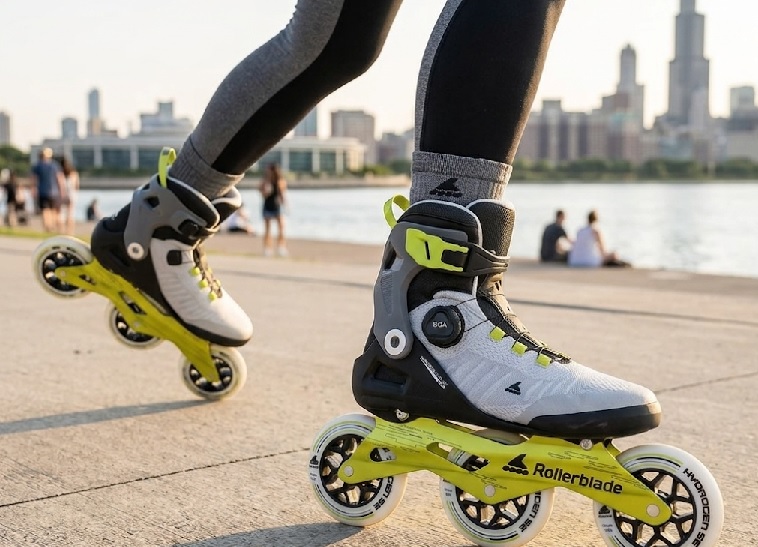
Rollerblade Macroblade 100 — Best Overall Inline Skate
The Rollerblade Macroblade 100 features 100mm wheels for speed and a supportive hardboot design. Its brake system and shock absorbers make it ideal for long-distance fitness skating. Best use case: outdoor fitness sessions on paved paths.
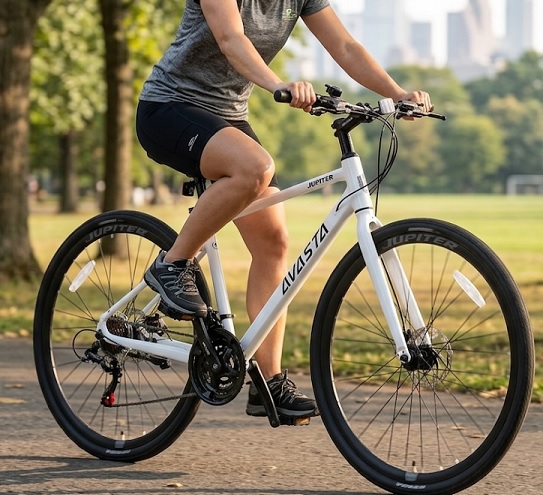
Trek Domane AL 2 — Best Entry-Level Road Bike
This Trek Domane AL 2 offers a lightweight aluminum frame with a relaxed geometry for comfort. Its 16-speed drivetrain handles hills efficiently, helping maintain a high calorie-burning heart rate. Best use case: recreational road cycling and interval training.
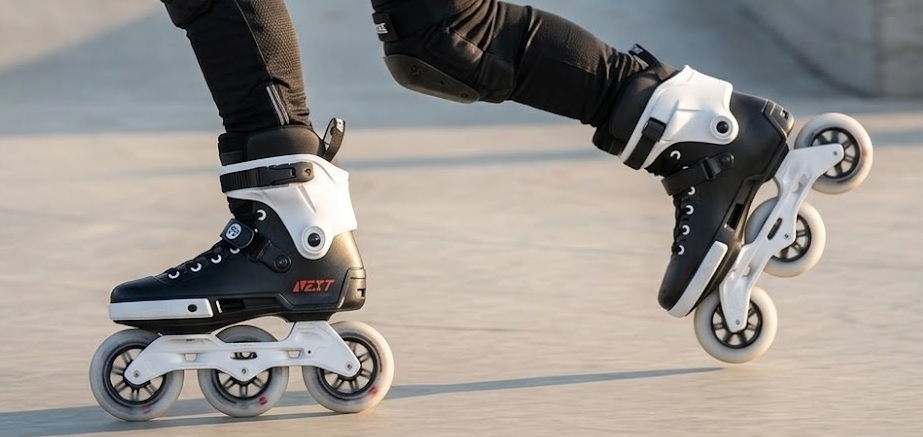
Powerslide Next Core 100 — Best for Aggressive Skating
The Powerslide Next Core 100 combines a stiff carbon-reinforced frame with a customizable fit. Its trinity mounting system improves stability for high-speed carving and sprinting. Best use case: urban skating and high-intensity calorie-burning workouts.
Calorie Burn Comparison: Inline Skating vs Cycling by Intensity
The difference in calorie burn between inline skating and cycling depends heavily on your intensity level. Both activities offer excellent cardiovascular benefits, but they engage your body differently.
Moderate Intensity (10-12 mph)
At a steady recreational pace, a 155-pound person burns approximately 500-600 calories per hour inline skating. The same person burns roughly 420-500 calories per hour cycling at a similar effort level.
- Inline skating: Constant core engagement for balance increases energy expenditure
- Cycling: Lower impact on joints but less full-body muscle activation
Vigorous Intensity (14-16 mph)
When you push the pace, inline skating burns 700-900 calories per hour compared to cycling’s 600-750 calories per hour. The skating motion requires continuous stabilization from your glutes, quads, and core.
Key Takeaway: Inline skating consistently burns 10-20% more calories than cycling at the same perceived exertion level due to greater muscle recruitment and balance demands.
Why Inline Skating Burns More Calories
The calorie advantage comes from three factors. First, skating requires constant core stabilization to maintain balance on wheels. Second, the gliding motion engages your glutes and hamstrings more actively than cycling’s seated pedaling. Third, you cannot coast as easily on skates as you can on a bike.
| Activity | Calories/Hour (155 lbs) | Muscle Groups Engaged |
|---|---|---|
| Inline Skating (moderate) | 500-600 | Core, glutes, quads, hamstrings, calves |
| Cycling (moderate) | 420-500 | Quads, hamstrings, calves (less core) |
Muscle Engagement: How Each Activity Shapes Your Body
Beyond calorie burn, the muscle groups you target determine which activity suits your fitness goals. Inline skating and cycling recruit muscles in very different patterns.
Lower Body Activation Differences
Cycling primarily works your quadriceps and hamstrings through a seated, circular pedaling motion. Inline skating engages your glutes, inner thighs, and calves more intensely due to the lateral pushing motion required to generate speed.
- Inline skating: Demands strong glute activation for each stride, building shapely legs
- Cycling: Develops quad dominance, which can create muscle imbalances without cross-training
Core and Upper Body Involvement
This is where inline skating pulls ahead for total-body fitness. Skating requires constant core engagement to maintain upright balance, while your arms swing naturally for momentum. Cycling keeps your upper body relatively static, relying mainly on your lower body.
Key Takeaway: For a more balanced, full-body workout that tones your core and glutes, inline skating is superior. For targeted leg strength, cycling is effective.
Joint Impact and Injury Risk
Both activities are low-impact compared to running, but they differ in stress patterns. Cycling is non-weight bearing, making it ideal for joint recovery. Inline skating is weight-bearing but uses a smooth gliding motion that reduces shock compared to running.
| Factor | Inline Skating | Cycling |
|---|---|---|
| Joint Impact | Low (smooth glide) | Very low (seated) |
| Core Activation | High | Low |
| Glute Engagement | High | Moderate |
Practical Factors: Accessibility, Safety, and Sustainability
Choosing between inline skating and cycling isn’t just about calories. Your lifestyle, local terrain, and safety concerns play a major role in long-term adherence.
Learning Curve and Skill Requirements
Cycling is generally easier to pick up for most adults. If you rode a bike as a child, the skills return quickly. Inline skating requires learning balance, stopping techniques, and fall recovery, which can take several sessions to master.
- Inline skating: Steeper initial learning curve; requires wrist guards and helmets
- Cycling: Lower barrier to entry; most people can ride confidently within an hour
Terrain and Location Versatility
Cycling offers greater versatility across different environments. Road bikes handle pavement, while mountain bikes tackle trails. Inline skating is best suited to smooth, paved surfaces like bike paths, boardwalks, and roller rinks.
Key Takeaway: If you have access to dedicated bike paths or smooth pavement, inline skating is excellent. For hilly terrain or off-road adventures, cycling is the practical choice.
Weather and Seasonal Considerations
Both activities are weather-dependent, but cycling has an edge in adaptability. You can cycle in light rain with proper gear. Inline skating becomes dangerous on wet surfaces due to reduced wheel grip and increased stopping distance.
| Factor | Inline Skating | Cycling |
|---|---|---|
| Wet Conditions | Unsafe (slippery) | Rideable with caution |
| Hilly Terrain | Difficult (no gears) | Easy (geared drivetrain) |
| Storage Space | Minimal (small gear) | Requires bike storage |
Time Efficiency and Workout Structure for Fat Loss
When your goal is fat loss, how you structure your workout matters as much as the activity itself. Inline skating and cycling offer different advantages for time-crunched individuals.
High-Intensity Interval Training (HIIT) Potential
Inline skating excels for HIIT because you can easily alternate between 30-second sprints and 60-second glides. The standing position allows rapid acceleration without gear shifting. Cycling requires shifting gears or finding hills to create similar intensity spikes.
- Inline skating HIIT: Sprint 30 seconds, glide 60 seconds; repeat 8-10 times
- Cycling HIIT: Pedal hard 30 seconds, recover 60 seconds; repeat 8-10 times
Steady-State Cardio Comparison
For longer, steady-state sessions, cycling often feels more sustainable. The seated position reduces fatigue in your stabilizer muscles. Inline skating demands constant core engagement, which can tire you faster but burns more calories per minute.
Key Takeaway: For quick, high-calorie-burning sessions under 30 minutes, inline skating wins. For longer endurance workouts over 60 minutes, cycling is more comfortable.
Afterburn Effect (EPOC)
The excess post-exercise oxygen consumption (EPOC) keeps your metabolism elevated after your workout. Inline skating’s greater muscle recruitment and balance demands create a higher EPOC effect. You continue burning extra calories for up to 14 hours after a skating session.
| Workout Type | Calories Burned (30 min) | EPOC Duration | Total Calorie Impact |
|---|---|---|---|
| Inline Skating (vigorous) | 350-450 | 10-14 hours | High |
| Cycling (vigorous) | 300-375 | 6-10 hours | Moderate |
Cost Analysis: Initial Investment and Ongoing Expenses
Your budget significantly influences which activity you can sustain long-term. Both inline skating and cycling have upfront costs, but their long-term expenses differ greatly.
Entry-Level Equipment Costs
A quality pair of recreational inline skates costs between $100 and $250. You also need safety gear: a helmet ($30-$60), wrist guards ($15-$25), and knee pads ($15-$25). A decent entry-level road bike ranges from $400 to $800, with a helmet costing $30-$60.
- Inline skating starter kit: Skates ($150) + safety gear ($80) = ~$230 total
- Cycling starter kit: Bike ($600) + helmet ($50) + lock ($30) = ~$680 total
Maintenance and Replacement Costs
Inline skates require minimal maintenance. You replace wheels ($30-$60 per set) every 200-300 miles and bearings ($20-$40) annually. Cycling demands more frequent upkeep. Tires, chains, brake pads, and tune-ups cost $200-$400 per year for regular riders.
Key Takeaway: Inline skating is significantly cheaper to start and maintain. Cycling requires a higher initial investment and ongoing maintenance costs.
Long-Term Value and Durability
A quality pair of inline skates lasts 3-5 years with proper care. A well-maintained bicycle can last 10 years or more with component replacements. However, cycling’s higher resale value partially offsets its greater initial cost.
| Expense Category | Inline Skating | Cycling |
|---|---|---|
| Initial Cost | $150-$300 | $500-$1,000 |
| Annual Maintenance | $50-$100 | $200-$400 |
| Equipment Lifespan | 3-5 years | 10+ years |
| Resale Value | Low | Moderate-High |
Mental Health Benefits and Enjoyment Factors
Sustaining a fitness routine requires genuine enjoyment. Both inline skating and cycling offer unique psychological benefits that keep you coming back for more.
The Flow State and Mindfulness Factor
Inline skating creates a powerful flow state due to the constant balance adjustments required. You must stay fully present, which naturally silences mental chatter. Cycling allows your mind to wander more freely, making it ideal for stress relief after a long day.
- Inline skating: Forces mindfulness; excellent for anxiety reduction
- Cycling: Promotes meditative thinking; great for problem-solving
Social and Community Aspects
Cycling has a larger, more established community worldwide. Group rides, clubs, and charity events are abundant. Inline skating communities are smaller but often more tight-knit, with local skate nights and park meetups creating strong bonds.
Key Takeaway: Choose cycling for extensive social opportunities and group events. Choose inline skating for a more intimate community and a deeper mindfulness experience.
Novelty and Skill Progression
Inline skating offers a steeper skill progression curve. You can master new tricks, slides, and techniques for years, keeping the activity fresh. Cycling’s skill progression is flatter, though you can challenge yourself with longer distances, steeper climbs, and speed goals.
| Mental Factor | Inline Skating | Cycling |
|---|---|---|
| Mindfulness Level | High (requires focus) | Moderate (allows wandering) |
| Community Size | Smaller, tighter | Large, widespread |
| Skill Progression | Steep, varied | Gradual, distance-based |
| Adrenaline Rush | High (speed + balance) | Moderate (speed only) |
Which Activity Is Better for Weight Loss Results?
After analyzing all factors, the answer depends on your personal circumstances and preferences. Both activities can produce significant weight loss when performed consistently.
The Case for Inline Skating
Inline skating is the superior choice if your primary goal is maximum calorie burn per minute. The higher muscle recruitment, constant core engagement, and greater EPOC effect create a metabolic advantage. You can achieve noticeable results with shorter workouts.
- Best for: Time-crunched individuals wanting fast results
- Best for: Those who enjoy skill-based challenges and variety
- Best for: Budget-conscious fitness enthusiasts
The Case for Cycling
Cycling wins for long-term sustainability and accessibility. The lower learning curve and comfortable seated position make it easier to maintain a consistent routine. You can ride for hours without excessive fatigue, accumulating substantial weekly mileage.
Key Takeaway: Inline skating burns more calories per hour, but cycling may lead to greater long-term weight loss due to higher adherence rates and longer workout durations.
Creating a Hybrid Approach
The optimal strategy for weight loss combines both activities. Use inline skating for 2-3 high-intensity sessions per week to maximize calorie burn and EPOC. Supplement with cycling for longer endurance rides to build aerobic base and burn additional calories.
| Weekly Plan | Activity | Duration | Est. Calories |
|---|---|---|---|
| Monday | Inline Skating HIIT | 30 min | 350-450 |
| Wednesday | Cycling Steady-State | 60 min | 500-600 |
| Friday | Inline Skating Intervals | 40 min | 400-500 |
| Saturday | Cycling Long Ride | 90 min | 700-900 |
Conclusion: Choose the Right Activity for Your Fitness Goals
When comparing inline skating vs cycling, inline skating burns more calories per hour and engages more muscles. Cycling offers greater accessibility and long-term sustainability for consistent workouts.
The best choice is the one you will stick with. Try both activities for two weeks each and track your enjoyment and consistency. Your ideal fitness routine combines effectiveness with genuine enthusiasm.
Start with the activity that excites you most today. Your body will thank you tomorrow.
Frequently Asked Questions about Inline Skating vs Cycling
Which burns more calories: inline skating or cycling?
Inline skating burns approximately 10-20% more calories than cycling at the same perceived exertion level. A 155-pound person burns 500-900 calories per hour skating versus 420-750 cycling.
The higher calorie burn comes from constant core stabilization and greater muscle recruitment. Skating also produces a stronger afterburn effect, keeping your metabolism elevated longer.
Is inline skating harder than cycling?
Inline skating has a steeper learning curve due to balance requirements and stopping techniques. Most people can ride a bike confidently within an hour but need several sessions to skate comfortably.
However, once mastered, skating feels natural and fluid. The initial difficulty is offset by the greater physical challenge and full-body engagement it provides.
What is the best way to lose weight with inline skating?
Combine interval training with steady-state sessions for optimal weight loss. Perform 30-second sprints followed by 60-second recovery glides for 20-30 minutes, three times per week.
Supplement with longer, moderate-paced skates of 45-60 minutes on alternate days. This approach maximizes calorie burn during workouts and elevates your metabolism for hours afterward.
Can you build muscle with inline skating?
Yes, inline skating builds lean muscle in your glutes, quadriceps, hamstrings, calves, and core. The lateral pushing motion engages your inner and outer thighs more effectively than cycling.
For maximum muscle development, incorporate hill climbs and resistance training into your skating routine. Adding sprints and one-legged drills also increases muscle activation.
Is cycling or inline skating better for knee health?
Cycling is generally gentler on knees because it is non-weight-bearing and uses a smooth, circular motion. It is often recommended for knee rehabilitation and arthritis management.
Inline skating is also low-impact but requires stronger stabilizer muscles around the knee joint. Proper technique and well-fitted skates minimize knee stress significantly.
How many miles should I skate to equal a 10-mile bike ride?
Skating 3-4 miles provides a comparable calorie burn to cycling 10 miles. This ratio reflects the higher energy expenditure per mile when skating due to greater muscle engagement.
A 30-minute skate at moderate pace burns roughly the same calories as a 60-minute bike ride. This makes skating more time-efficient for calorie burning.
What safety gear do I need for inline skating?
Essential safety gear includes a properly fitted helmet, wrist guards, knee pads, and elbow pads. Wrist guards are especially critical as wrist fractures are the most common skating injury.
Consider padded shorts for beginners learning to fall safely. Reflective gear and lights are necessary for skating in low-light conditions or near traffic.
Which activity is better for beginners wanting to get fit?
Cycling is better for absolute beginners due to its lower learning curve and immediate accessibility. You can start burning calories on a bike within minutes of learning.
However, if you are motivated by skill challenges, inline skating offers greater long-term engagement. Start with beginner skates and take a lesson to accelerate your learning curve safely.
Comments are closed.