
Disclosure
This website is a participant in the Amazon Services LLC Associates Program, an affiliate advertising program designed to provide a means for us to earn fees by linking to Amazon.com and affiliated sites.
After a helmet takes a hard impact, you should immediately stop using it and inspect it for damage. The internal foam may be compromised even if the shell looks fine, making it unsafe for future protection.
This complete guide covers expert tips on inspecting for hidden cracks, knowing when to replace your helmet, and proven methods to handle impact damage. Keep reading to learn how to protect your safety after a crash or drop.
Best Helmet Replacements for Impact Safety – Detailed Comparison
After a hard impact, you need a new helmet immediately. These three top-rated models offer proven protection, advanced impact management, and reliable certifications for your safety.
Smith Optics Vantage MIPS – Best Overall Choice
The Smith Optics Vantage MIPS features a hybrid shell with Koroyd technology for superior impact absorption. It includes a MIPS liner to reduce rotational forces during crashes. This model is ideal for skiers and snowboarders seeking maximum protection after a fall. Best use case: All-mountain winter sports.

POC Skull Dura Tec – Best for High-Impact Sports
The POC Skull Dura Tec uses a dual-density EPS liner to manage multiple impacts effectively. Its aramid fiber reinforcement adds structural integrity without extra weight. Recommended for cyclists and skateboarders who need robust, proven protection during high-speed crashes. Best use case: Road cycling and skate parks.

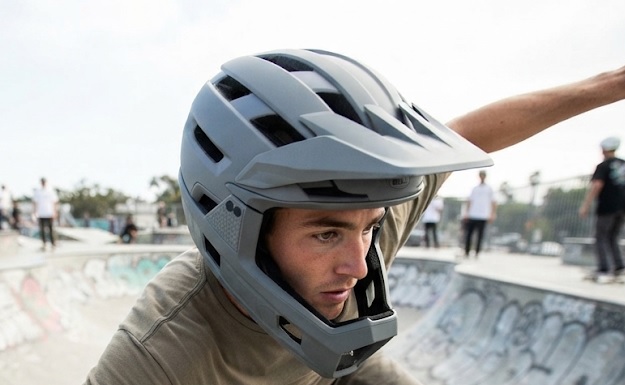
Bell Super Air R MIPS – Best for Mountain Biking
The Bell Super Air R MIPS combines a lightweight carbon shell with extended rear coverage for trail riding. Its Float Fit system ensures a secure, comfortable fit after a helmet swap. This option is ideal for enduro and downhill riders who prioritize ventilation and safety. Best use case: Aggressive mountain biking.
How to Inspect a Helmet After a Hard Impact
You must inspect your helmet thoroughly after any hard impact. Even minor drops can compromise internal protection.
Visual Inspection for External Damage
Check the outer shell for cracks, dents, or deep scratches. Focus on impact zones like the front, sides, and crown.
- Cracks: Any visible line means immediate replacement is required.
- Deformation: A warped shell indicates the foam compressed during impact.
- Scratches: Deep gouges may expose the inner foam layer beneath.
Internal Foam and Liner Check
Remove the padding to inspect the EPS foam underneath. Compressed or crumbled foam means the helmet absorbed a serious blow.
- Press the foam gently with your thumb. Soft spots signal structural failure.
- Look for white stress lines or crushed areas near the impact point.
- Check the MIPS liner for tears or detachment from the shell.
When to Replace vs. When to Keep
Replace your helmet immediately if you see any of the above damage. Never reuse a helmet after a hard crash even if it looks perfect.
| Situation | Action |
|---|---|
| Visible crack or dent | Replace immediately |
| Foam compression | Replace immediately |
| No visible damage | Replace if crash was severe |
Most manufacturers recommend replacement after any significant impact. Your safety depends on a fresh, uncompromised helmet structure.
Understanding Helmet Impact Ratings and Safety Standards
Knowing your helmet’s safety certifications helps you judge its condition after a crash. Different standards test for varying impact forces and protection levels.
Common Safety Certifications Explained
CPSC (Consumer Product Safety Commission) is the minimum standard for bicycle helmets in the US. It tests impact absorption at speeds up to 14 mph.
- ASTM F1952: Required for downhill mountain biking; tests multiple impacts at higher speeds.
- EN 1078: European standard for cycling and skateboarding helmets.
- Snell B-95: Stricter testing with higher impact thresholds than CPSC.
How Multi-Impact vs. Single-Impact Helmets Differ
Some helmets are designed for single impacts only. Foam compression is permanent, so these helmets must be replaced after one hard hit.
| Helmet Type | Impact Tolerance | After Crash |
|---|---|---|
| Single-impact (EPS foam) | One hard hit only | Always replace |
| Multi-impact (EPP foam) | Several moderate hits | Inspect carefully |
Most cycling helmets use EPS foam, which is single-impact. If yours uses EPP foam, check the manufacturer’s guidelines for reuse after impacts.
Why MIPS and Other Rotation Systems Matter
MIPS (Multi-directional Impact Protection System) reduces rotational forces during angled impacts. After a crash, inspect the MIPS liner for tears or detachment. A damaged rotation system compromises safety even if the shell looks intact. Always replace helmets with compromised MIPS layers immediately.
Proper Helmet Care and Storage After an Impact
How you handle your helmet after a crash affects its remaining integrity. Improper storage can worsen existing damage or create new weak points.
Immediate Steps Right After the Impact
Remove your helmet carefully without twisting or bending it further. Place it on a flat, soft surface away from direct sunlight.
- Stop using it immediately: Do not wear it again until fully inspected.
- Clean gently: Wipe away dirt with a damp cloth. Avoid harsh chemicals.
- Label it: Mark the impact date so you remember when it occurred.
How Temperature Affects Damaged Helmets
Heat can worsen foam compression after an impact. Never leave a damaged helmet in a hot car or near radiators.
- High heat: Above 140°F can soften EPS foam and reduce impact absorption.
- Freezing temperatures: Cold makes foam brittle and prone to cracking.
- Humidity: Moisture can degrade adhesives holding the liner in place.
Safe Storage Practices for Used Helmets
Store your helmet in a cool, dry place between 50-80°F. Avoid hanging it by the straps as this can stretch them over time.
| Storage Method | Safe? | Why |
|---|---|---|
| Helmet bag or box | Yes | Protects from dust and damage |
| Car trunk | No | Extreme temperature fluctuations |
| Garage shelf | Yes | If temperature-controlled |
Proper storage extends the usable life of a helmet that passed inspection. But remember, after any hard impact, replacement is almost always the safest choice.
When to Replace a Helmet After a Hard Impact
Knowing the exact moment to replace your helmet can save your life. Even helmets without visible damage may need replacement after a serious crash.
The One-Crash Rule for EPS Foam Helmets
Most bicycle and sports helmets use EPS foam, which compresses permanently upon impact. This means they are designed for one hard crash only.
- High-speed crashes: Replace immediately, regardless of visible damage.
- Low-speed falls: Replace if you hit your head hard enough to feel impact.
- Dropped from height: Replace if the helmet fell from waist height or higher.
Manufacturer Replacement Guidelines
Each brand sets specific replacement timelines. Most manufacturers recommend replacement every 3-5 years even without crashes.
| Brand | Replacement After Crash | Shelf Life |
|---|---|---|
| Bell | Always replace | 3 years |
| Giro | Always replace | 3-5 years |
| Smith | Always replace | 3 years |
| POC | Always replace | 5 years |
Check your helmet’s manual for specific guidance. When in doubt, always err on the side of replacement.
Signs That Demand Immediate Replacement
Some damage indicators are obvious. Never ignore these warning signs after any impact.
- Visible cracks or spiderwebs in the outer shell or inner foam.
- Loose or detached padding that affects fit and stability.
- Strap damage including fraying, stretching, or buckle cracks.
- Unusual noises like rattling from loose internal components.
Your helmet is a single-use safety device. Treat every hard impact as a reason to buy a new one immediately.
How to Properly Dispose of a Damaged Helmet
Throwing a damaged helmet in the trash is risky. Someone might find and reuse it, not knowing it is compromised.
Why You Must Destroy a Compromised Helmet
Always render a damaged helmet unusable before disposal. This prevents accidental reuse by others.
- Cut the straps: Use scissors to sever all chin and retention straps completely.
- Remove the padding: Tear out the inner foam and liner pieces.
- Crush the shell: Step on the helmet to crack the outer shell visibly.
Environmentally Friendly Disposal Options
Some helmet components can be recycled. Separate materials when possible to reduce landfill waste.
| Component | Recyclable? | How to Dispose |
|---|---|---|
| EPS foam liner | Yes (special facilities) | Check local foam recycling programs |
| Polycarbonate shell | Limited | Hard plastic recycling if accepted |
| Nylon straps | No | General waste after cutting |
| Metal buckles | Yes | Scrap metal recycling |
Call your local recycling center to confirm what materials they accept. Some bike shops also offer helmet recycling programs.
Creative Repurposing Ideas for Old Helmets
If you want to reuse the materials, consider safe repurposing. Never use a damaged helmet for protection again, but you can use it for decoration.
- Plant pot: Drill drainage holes and use the shell as a unique planter.
- Art project: Paint the shell for a decorative wall piece.
- Dog bowl stand: Use the helmet as a stable base for pet bowls.
Destroy the helmet first, then repurpose the shell. This ensures no one mistakes it for a functional safety device later.
Common Myths About Helmet Impact Damage
Many riders believe incorrect information about helmet safety after crashes. These myths can lead to dangerous decisions.
Myth: “If It Looks Fine, It Is Fine”
This is the most dangerous myth of all. Internal EPS foam can compress without any visible shell damage.
- Hidden damage: Foam may crack beneath an intact outer shell surface.
- Energy absorption: The foam’s job is to crush, which is invisible from outside.
- Safety risk: A second impact could cause catastrophic failure.
Myth: “You Can Fix a Cracked Helmet”
Some people try to repair cracks with glue or tape. This completely compromises the helmet’s structural integrity.
| “Repair” Method | Why It Fails |
|---|---|
| Super glue | Creates rigid weak points that shatter on impact |
| Duct tape | Does not restore foam compression properties |
| Epoxy resin | Alters the foam’s designed crush characteristics |
No repair method can restore a helmet’s original safety performance. Once damaged, it must be replaced.
Myth: “Expensive Helmets Survive Multiple Crashes”
Price does not equal multi-impact capability. Most premium helmets still use single-impact EPS foam.
- Material matters: EPS foam compresses once, regardless of helmet cost.
- Exceptions: Only helmets with EPP foam or special multi-impact designs can survive multiple hits.
- Check labels: Look for “multi-impact” certification if you need repeated use.
Always verify your helmet’s specifications. Never assume a high price means reusable after a hard crash.
How to Choose a Replacement Helmet After a Crash
Selecting the right replacement helmet is just as important as knowing when to replace your old one. Your next helmet should offer better protection than your previous model.
Key Features to Look For in a New Helmet
Prioritize safety certifications over style or price when buying a replacement. Look for helmets with multiple impact certifications.
- MIPS or similar rotation system: Reduces rotational forces during angled impacts.
- Dual-density foam: Layers of different foam densities manage varied impact forces.
- Extended coverage: Deeper shell that protects the back of the head and temples.
Fit and Sizing Considerations
A proper fit is critical for effective protection. Measure your head circumference before purchasing a new helmet.
| Size | Head Circumference | Typical Fit |
|---|---|---|
| Small | 20-21.75 inches | Youth or small adult |
| Medium | 21.75-23.25 inches | Average adult |
| Large | 23.25-24.75 inches | Larger adult head |
Try the helmet on before buying. It should feel snug but not painful, with no rocking motion when you shake your head.
Where to Buy a Certified Replacement
Purchase from authorized dealers to ensure authenticity. Avoid second-hand helmets or unknown online sellers for safety gear.
- Local bike shops: Offer professional fitting and expert advice.
- Brand websites: Direct purchases guarantee genuine products.
- Reputable online retailers: Check return policies and certification labels.
Investing in a quality replacement helmet is the best decision after a crash. Your safety depends on it.
Conclusion: Act Fast After a Helmet Takes a Hard Impact
Your helmet is a single-use safety device. Always replace it after any hard impact, even if no damage is visible.
The cost of a new helmet is far less than the cost of a head injury. Inspect, destroy the old one, and buy a certified replacement immediately.
Your safety depends on this one simple rule: when in doubt, throw it out. Stay protected and ride smart.
Frequently Asked Questions About Helmet Impact Damage
Can I reuse a helmet after dropping it on the ground?
A drop from waist height or higher can compromise the internal foam. Even if the shell looks perfect, the EPS liner may have micro-cracks.
If you drop your helmet from standing height onto concrete, replace it. Drops from lower heights onto carpet are usually safe, but inspect carefully for any damage.
How do I know if my helmet is damaged after a crash?
Check for visible cracks, dents, or deep scratches on the outer shell. Press the inner foam to feel for soft spots or compression.
Remove the padding completely to inspect the EPS liner underneath. Look for white stress lines or crushed areas near the impact zone.
What happens to helmet foam after an impact?
EPS foam compresses permanently upon absorbing impact energy. This compression creates a rigid, less protective area that cannot rebound.
The foam’s microscopic air cells collapse during a crash. Once crushed, these cells cannot absorb another impact of the same force.
Should I replace my helmet after a minor crash?
Yes, replace it even after a minor crash if you hit your head. The foam may have compressed enough to reduce future protection.
Many manufacturers recommend replacement after any impact that causes the helmet to hit a hard surface. Your head’s safety is worth the investment.
How long do helmets last before needing replacement?
Most helmet manufacturers recommend replacement every 3 to 5 years. UV exposure, sweat, and temperature changes degrade materials over time.
Check the manufacturing date inside your helmet. Even without crashes, the EPS foam and shell materials weaken with age.
Can I repair a cracked helmet with epoxy or glue?
No, never attempt to repair a cracked helmet with any adhesive. Glue creates rigid spots that shatter differently than designed during impacts.
Helmets are engineered as single-use systems. Any repair compromises the foam’s ability to crush and absorb energy properly.
What is the difference between single-impact and multi-impact helmets?
Single-impact helmets use EPS foam that compresses permanently after one hard hit. Multi-impact helmets use EPP foam that rebounds after moderate impacts.
Most cycling helmets are single-impact. Multi-impact helmets are common for skateboarding or snow sports where repeated falls occur.
How do I properly dispose of an old damaged helmet?
Cut the straps, remove the padding, and crush the outer shell before disposal. This prevents anyone from reusing a compromised helmet.
Separate materials for recycling when possible. Some bike shops and recycling centers accept EPS foam and polycarbonate shells.
Does MIPS make a helmet reusable after a crash?
No, MIPS does not make a helmet reusable after a hard impact. The MIPS liner reduces rotational forces but does not restore compressed foam.
Always replace a MIPS helmet after a crash. Inspect the MIPS liner for tears or detachment, but replace regardless of its condition.
Why do manufacturers say to replace helmets after one crash?
Manufacturers cannot guarantee protection after a single hard impact. The foam’s energy absorption capacity is exhausted after one significant crash.
This conservative approach ensures maximum safety. Replacing after one crash eliminates any risk of reduced protection from hidden damage.