Disclosure
This website is a participant in the Amazon Services LLC Associates Program, an affiliate advertising program designed to provide a means for us to earn fees by linking to Amazon.com and affiliated sites.
Your skate wheels feel slower due to accumulated dirt, dried-out bearings, or flat-spotted urethane. This complete guide reveals the proven methods to diagnose and restore your wheels’ original speed.
You will learn expert tips for cleaning, lubricating, and inspecting your setup. Keep reading to unlock the secrets that will make your skates feel brand new again.
Best Skate Wheel Cleaners for Restoring Speed
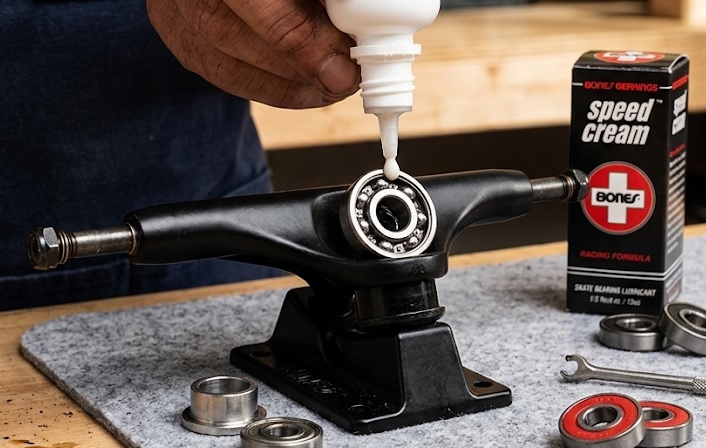
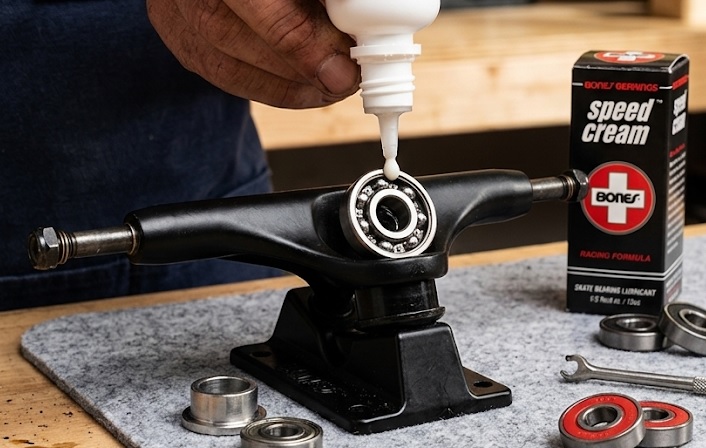
Bones Speed Cream – Best Overall Lubricant
This synthetic lubricant is specifically designed for skate bearings. It penetrates deep to flush out dirt while leaving a protective film that reduces friction. Best option for skaters who want a fast, non-greasy solution that won’t attract dust.
PJ’s Bones Skate Bearing Cleaner Kit – Best Complete System
This kit includes a bearing cleaning unit and citrus cleaner solution. Simply spin bearings in the solution to remove grime, then dry and re-lubricate. Ideal for regular maintenance to keep wheels spinning freely and feeling fast.
SkatePro Bearing Cleaning Solution – Best Budget Choice
An affordable, biodegradable cleaner that effectively dissolves old grease and debris. Use it with a simple jar or cleaning tool for professional results. Recommended for skaters on a budget who still want maximum wheel performance.
Common Reasons Why Skate Wheels Feel Slow
Understanding the root cause of sluggish wheels is the first step to fixing them. Most slowdowns stem from friction, contamination, or physical wear. Identifying the specific issue saves you time and money.
Dirty or Dry Bearings Restrict Spin
Bearings are the most common culprit behind slow wheels. Dust, hair, and grit build up inside, creating friction that stops free rotation. Dry bearings also lack proper lubrication, causing metal-on-metal drag.
- Dirt buildup: Grime acts as sandpaper, increasing rolling resistance significantly.
- Lack of lube: Dry bearings generate heat and slow down within minutes of skating.
- Rust: Moisture causes corrosion, making wheels feel rough and sluggish.
Wheel Urethane Hardness and Flat Spots
Your wheel material directly impacts how fast you roll. Softer wheels (78A-85A) grip hard but create more friction, feeling slower on smooth surfaces. Flat spots from hard stops or slides also create a bumpy, slow ride.
Harder wheels (88A-101A) roll faster on smooth concrete but lose grip on rough terrain. Check your wheels for visible flat spots by spinning them and watching for wobbles.
Incorrect Wheel Tightness Creates Drag
Over-tightening your axle nut is a silent speed killer. If the nut presses too hard against the bearing shield, it compresses the internal balls. Proper adjustment leaves a tiny wiggle room for free spin without play.
How to Diagnose and Fix Slow Skate Wheels Fast
Once you know the cause, fixing slow wheels is straightforward. Follow this diagnostic process to pinpoint the problem. Each fix requires minimal tools and time.
Step-by-Step Spin Test for Bearings
Remove your wheels from the skate frame and spin each one individually. A healthy wheel spins for 10-15 seconds freely. Listen closely for grinding noises or a gritty feel during rotation.
- Remove the wheel: Use a skate tool to unscrew the axle nut completely.
- Spin by hand: Flick the wheel hard and count how long it rotates.
- Check for resistance: A wheel that stops abruptly needs bearing service.
Cleaning and Lubricating Your Bearings
For dirty bearings, a thorough clean restores speed better than adding lube. Remove bearing shields with a pin, then soak bearings in citrus cleaner for 10 minutes. Shake them in a jar to dislodge grit.
After cleaning, let bearings dry completely on a paper towel. Add one small drop of Bones Speed Cream or similar lubricant per bearing. Spin each bearing to distribute the oil evenly before reassembly.
Checking Wheel Alignment and Pressure
Incorrect alignment creates drag that mimics worn bearings. Ensure your axle nut is snug but not tight—loosen it slightly until the wheel has minimal side-to-side play. Check that spacers between bearings are present and properly seated.
Preventive Maintenance to Keep Wheels Fast Longer
Regular care prevents your skate wheels from feeling slow in the first place. A consistent maintenance routine extends bearing life and preserves wheel urethane. Prevention is always faster and cheaper than repairs.
Weekly Cleaning Routine for Maximum Speed
Wipe down your wheels and frame after every session using a dry cloth. This removes surface dust before it works into your bearings. Deep clean your bearings every 10-15 hours of skating for optimal performance.
- Daily wipe: Remove visible dirt from wheels and axle areas with a rag.
- Monthly bearing service: Remove, clean, and re-lubricate bearings completely.
- Check spacers: Ensure bearing spacers are clean and not deformed.
Proper Storage to Prevent Bearing Damage
How you store your skates affects wheel speed dramatically. Avoid leaving skates in damp garages or hot cars where moisture and heat damage bearings. Store indoors at room temperature with wheels off the ground.
Use a dedicated skate bag or box to protect wheels from dust. If storing long-term, remove wheels and store bearings in a sealed plastic bag. This prevents rust and keeps lubricant from drying out.
When to Replace Bearings vs. Wheels
Even with perfect care, components wear out over time. Replace bearings when they feel gritty after cleaning or show visible rust. Replace wheels when flat spots prevent smooth rolling or urethane cracks appear.
| Component | Replace When | Typical Lifespan |
|---|---|---|
| Bearings | Gritty after cleaning | 6-12 months |
| Wheels | Flat spots or cracks | 12-24 months |
Advanced Troubleshooting for Persistent Slow Wheels
If your wheels still feel slow after cleaning and maintenance, deeper issues may exist. These advanced checks target less obvious causes that beginners often miss. Systematic diagnosis saves you from replacing perfectly good parts.
Checking Frame Alignment and Axle Straightness
A bent axle or misaligned frame creates constant drag on your wheels. Remove the wheel and roll the axle on a flat surface to check for bends. Slightly bent axles cause uneven pressure that slows rotation dramatically.
- Frame twist: Hold your frame at eye level and look for warping side-to-side.
- Axle test: Roll the bare axle on glass to spot even minor curves.
- Mounting bolts: Loose frame bolts allow shifting that misaligns wheels.
Bearing Shield Damage and Seal Integrity
Bearing shields protect internal balls from debris. A bent or missing shield lets dirt enter immediately, ruining fresh lubricant. Inspect each shield under bright light for dents, gaps, or warping.
Replace damaged shields or upgrade to rubber-sealed bearings for better protection. Rubber seals (ZZ or 2RS) block more dirt than metal shields but add slight friction. This trade-off is worth it for outdoor skating.
Wheel Core Separation and Hub Issues
Some wheels develop separation between the urethane outer and plastic hub core. This creates wobble and uneven rolling resistance. Squeeze the wheel firmly at the hub edge to feel for looseness or clicking.
Wheels with hub separation cannot be repaired and must be replaced immediately. Skating on damaged hubs risks bearing damage and sudden wheel failure. Always inspect new wheels for tight hub-to-urethane bonding before use.
Upgrading Components for Noticeable Speed Gains
Sometimes, slow wheels are simply a sign that your gear is outdated. Upgrading specific components can deliver immediate, noticeable speed improvements. Strategic upgrades give you the best performance boost for your budget.
Choosing Faster Bearings for Your Skating Style
Bearing quality directly affects rolling speed and longevity. Entry-level bearings (ABEC 1-3) offer basic performance but slow down quickly. Upgrade to ABEC 7 or 9 bearings for smoother, faster spins that maintain speed longer.
- ABEC 5: Good balance of speed and durability for recreational skaters.
- ABEC 7: Ideal for aggressive and speed skating with low rolling resistance.
- Swiss bearings: Premium precision for maximum speed and minimal maintenance.
Selecting Optimal Wheel Hardness for Terrain
Wheel durometer (hardness) dramatically impacts how fast you feel on different surfaces. Soft wheels (78A-82A) absorb vibration but create drag on smooth pavement. Harder wheels (88A-95A) roll faster on polished concrete and skate parks.
Match your wheel hardness to your primary skating surface for best results. Outdoor rough roads benefit from medium wheels (84A-87A) that balance speed and grip. Indoor skaters should choose 92A-101A for maximum velocity.
Upgrading to Precision Spacers and Speed Rings
Stock spacers and washers often introduce friction through poor fit. Precision-machined aluminum spacers keep bearings perfectly aligned inside the wheel. Speed rings reduce side-load friction between bearings and frame.
This upgrade costs under $10 but can noticeably improve spin time. Ensure spacers match your wheel width exactly for proper bearing alignment. Quality hardware kits include washers, spacers, and axle nuts for a complete refresh.
Environmental Factors That Secretly Slow Your Wheels
Your skating environment plays a huge role in wheel speed. Temperature, humidity, and surface conditions all affect rolling resistance. Understanding these factors helps you adjust expectations and maintenance routines accordingly.
Temperature Effects on Bearing Lubrication
Cold weather thickens bearing grease, creating noticeable drag during the first few minutes of skating. Bearings require warm-up time to reach optimal spin efficiency. In freezing temperatures, wheels may feel sluggish for the first 5-10 minutes of skating.
- Below 40°F: Grease becomes viscous, slowing initial roll speed significantly.
- Above 90°F: Thin lubricant can leak out, reducing bearing protection.
- Indoor vs. outdoor: Climate-controlled rinks provide consistent bearing performance.
Surface Moisture and Rolling Resistance
Wet or damp surfaces create suction between wheels and the ground. This increases rolling resistance and makes every push feel heavier. Moisture also accelerates bearing rust, permanently damaging internal components if not dried quickly.
Avoid skating on wet pavement whenever possible. If you must skate after rain, dry your wheels and bearings thoroughly afterward. Use a hairdryer on low heat to remove trapped moisture from bearing shields.
Surface Texture and Wheel Compatibility
Rough asphalt creates more friction than smooth concrete, regardless of wheel quality. Coarse surfaces wear down wheel urethane faster and trap more debris. Match your wheels to your typical surface for the best speed experience.
| Surface Type | Recommended Wheel Hardness | Expected Speed Impact |
|---|---|---|
| Smooth concrete | 88A-101A | Fastest roll |
| Rough asphalt | 78A-85A | Moderate drag |
| Wet pavement | Any | Significant slowdown |
Common Mistakes That Make Skate Wheels Feel Slower
Even experienced skaters make errors that reduce wheel speed. These common mistakes are easy to overlook but have a big impact. Avoiding these pitfalls keeps your setup running at peak performance.
Over-Lubricating Bearings Creates Drag
Adding too much lubricant is a frequent mistake that slows wheels down. Excess grease creates hydraulic resistance inside the bearing, preventing free spin. One small drop per bearing is all you need for optimal performance.
- Too much lube: Attracts more dirt and creates a sticky, slow rotation.
- Wrong lubricant: WD-40 and household oils dry out quickly and damage bearings.
- Signs of over-lube: Wheels spin slowly and feel greasy to the touch.
Ignoring Bearing Spacer Installation
Missing or incorrect spacers cause bearings to sit too deep inside the wheel. This creates friction between the bearing inner race and the axle nut. Always use spacers that match your wheel width exactly for proper alignment.
Without spacers, tightening the axle nut compresses bearings against each other. This side-load pressure dramatically increases rolling resistance. Check that spacers are present and correctly seated before every skate session.
Using Worn or Damaged Axle Nuts
Stripped or deformed axle nuts prevent proper wheel tension adjustment. A nut that cannot tighten correctly leaves the wheel loose or overly tight. Replace damaged nuts immediately to maintain consistent wheel performance.
Inspect your axle nuts monthly for signs of wear or cross-threading. Keep spare nuts in your skate bag for quick replacements during sessions. Quality nuts cost under $2 and prevent much larger speed problems.
Conclusion: Keep Your Skate Wheels Fast and Responsive
Slow skate wheels are almost always fixable with proper diagnosis and maintenance. From cleaning bearings to checking alignment, simple steps restore your speed. Regular care prevents problems before they start.
Start your maintenance routine today using the techniques in this guide. Your wheels will spin faster, roll smoother, and last longer. Take action now and enjoy the difference on your next skate session.
Frequently Asked Questions about Slow Skate Wheels
Why do my skate wheels feel slow after cleaning them?
You may have used too much lubricant or the wrong type of cleaner. Excess grease creates hydraulic drag that prevents free bearing rotation. Always use one drop of skate-specific lubricant per bearing for best results.
Another common issue is not drying bearings completely before adding lube. Trapped moisture mixes with lubricant to form a sticky paste. Let bearings air dry for at least 30 minutes before reassembly.
How often should I clean my skate bearings?
Clean your bearings every 10-15 hours of skating for optimal performance. Outdoor skaters need more frequent cleaning due to dust and debris exposure. Indoor skaters can extend this to 20-25 hours between cleanings.
Signs that cleaning is overdue include gritty rotation, visible dirt on shields, and wheels that stop spinning quickly. Regular cleaning prevents permanent bearing damage and maintains speed.
What is the best way to lubricate skate bearings?
Use a dedicated skate bearing lubricant like Bones Speed Cream or comparable products. Apply one small drop directly onto the bearing balls after removing the shield. Spin the bearing gently to distribute the lubricant evenly.
Avoid using WD-40, cooking oil, or general-purpose lubricants. These products attract dust and dry out quickly, leaving bearings unprotected. Quality skate lubricant costs more but extends bearing life significantly.
Can soft wheels make my skates feel slower?
Yes, softer wheels (78A-85A) create more rolling resistance on smooth surfaces. They grip the ground harder, absorbing energy that would otherwise maintain speed. Harder wheels (88A-101A) roll faster on polished concrete and skate parks.
However, soft wheels perform better on rough outdoor surfaces. They absorb vibration and maintain grip where hard wheels would slide. Choose wheel hardness based on your primary skating terrain for optimal speed.
How do I know if my bearings are worn out?
Worn bearings feel gritty even after thorough cleaning and lubrication. You may hear grinding noises during wheel spin or feel roughness when rotating by hand. Visible rust or pitting on bearing surfaces indicates replacement is needed.
Another sign is excessive side-to-side play in the wheel after tightening. Bearings with worn internal races cannot maintain proper alignment. Replace bearings in sets of 8 or 16 for consistent performance.
Does wheel tightness affect skating speed?
Absolutely, over-tightened axle nuts compress bearings and create significant drag. The wheel should spin freely with minimal resistance after tightening. Proper adjustment leaves a tiny amount of side-to-side play.
Under-tightened wheels wobble and create uneven rolling resistance. Find the sweet spot where the wheel spins freely without excess lateral movement. Check tightness before every skate session for consistent performance.
Why do my new skate wheels feel slower than my old ones?
New wheels often have a break-in period of 2-4 hours before reaching peak speed. The urethane surface needs time to wear down microscopic manufacturing imperfections. Fresh bearings also require a short break-in to distribute lubricant evenly.
Additionally, new wheels may have different hardness than your previous set. Check the durometer rating and compare it to your old wheels for expected speed differences. Give new wheels time to adapt to your skating style.
What is the fastest skate wheel setup for outdoor skating?
The fastest outdoor setup combines hard wheels (88A-92A) with high-quality ABEC 7 or 9 bearings. Use precision spacers for perfect bearing alignment and minimal friction. Large diameter wheels (60mm-65mm) maintain speed better over rough terrain.
Match your wheel profile to your skating style for maximum efficiency. Bullet profile wheels reduce rolling resistance for straight-line speed. Round profile wheels offer better maneuverability while maintaining good velocity.