
If your skates still squeak after oiling the bearings, the noise is likely coming from a different source. This complete guide reveals the hidden culprits behind persistent skate noises and provides proven methods to silence them for good.
Discover the five most common non-bearing squeak causes, from loose axles to frame flex. You will learn expert tips for diagnosing each problem and applying simple, effective fixes. Read on to restore silent, smooth rolling to your skates.
Best Lubricants for Silencing Squeaky Skates – Detailed Comparison
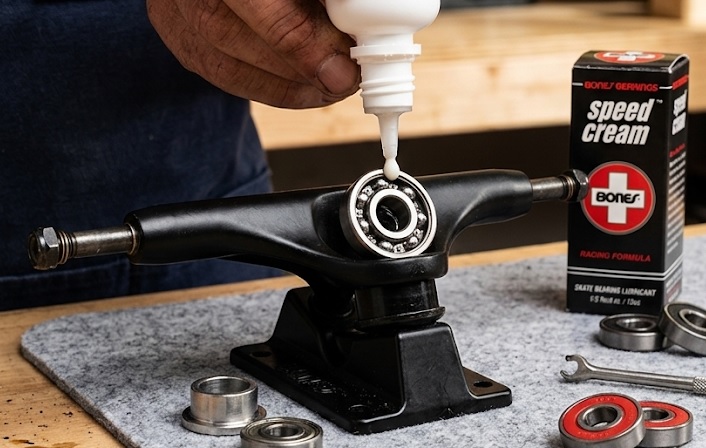
Bones Speed Cream – Best All-Purpose Bearing Lube
Bones Speed Cream is a synthetic oil designed specifically for skate bearings. It penetrates deep to reduce friction without attracting dirt. Best for routine maintenance on any skate type, from aggressive to speed skating. One bottle lasts for dozens of applications.
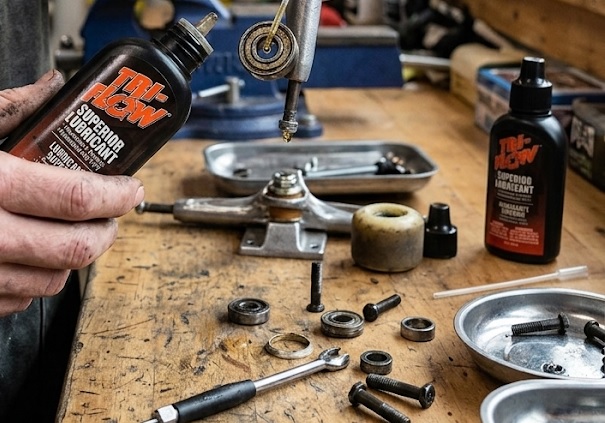
Tri-Flow Superior Lubricant – Best Versatile Option
Tri-Flow Superior Lubricant is a lightweight, petroleum-based oil with Teflon additives. It excels at silencing squeaks from axles, spacers, and frame bolts. Ideal for skaters who need one product for bearings and hardware. The precision needle applicator prevents waste.
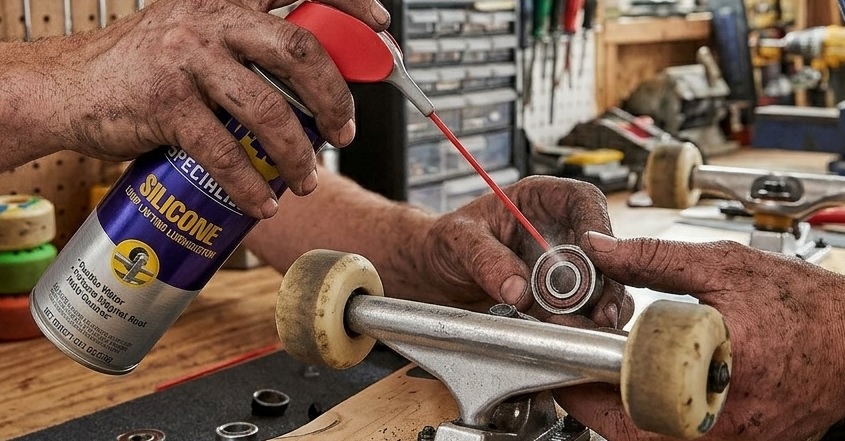
WD-40 Specialist Silicone Lubricant – Best for Rubber & Bushings
This WD-40 Specialist Silicone Lubricant is a non-staining spray that stops squeaks in cushions and pivot cups. It remains effective in wet conditions and won’t degrade rubber components. Recommended for outdoor skaters dealing with moisture-related noises. Always apply sparingly to avoid overspray.
Common Sources of Skate Squeaks Beyond Bearings
When you oil the bearings and the squeak persists, the noise is almost always mechanical. Friction between moving parts that are not the bearings is the primary culprit. Identifying the exact source requires a systematic check of your skate’s hardware.
Loose or Dry Axle Nuts
Axle nuts that are too tight or too loose create a high-pitched squeak. The vibration between the nut, washer, and bearing inner race produces the sound. Check each axle nut by spinning the wheel; if it wobbles or feels gritty, adjust the tension.
- Too tight: Squeezes the bearing, causing friction and a grinding squeak.
- Too loose: Allows lateral play, creating a clicking or chirping noise.
Worn or Dry Pivot Cups
The pivot cup sits inside the skate frame and holds the truck’s pivot pin. When this plastic cup dries out or cracks, it squeaks with every turn. Apply silicone lubricant directly into the cup to eliminate this noise instantly.
Frame Mounting Bolts
Loose frame bolts allow the frame to shift against the boot, creating a creaking sound. This is especially common on skates with removable frames. Tighten all mounting bolts to the manufacturer’s torque specification using a T-handle tool.
Key Takeaway: Always inspect axle nuts, pivot cups, and frame bolts before re-oiling bearings. A simple tightening or silicone application often solves the squeak immediately.
How to Diagnose a Persistent Skate Squeak Step by Step
If your skates still squeak after oiling bearings and checking hardware, you need a systematic diagnostic process. This step-by-step method isolates the noise source quickly. Follow each step in order to avoid wasting time on unnecessary fixes.
Step 1: The Spin Test
Remove each wheel and spin it individually on the axle. A smooth, silent spin means the bearing is fine. A rough or noisy spin indicates a bearing issue despite recent oiling.
- Clean the bearing with a dedicated bearing cleaner and relube.
- Inspect for debris like hair or grit lodged between the bearing shield and race.
- Replace damaged bearings that show rust, flat spots, or excessive play.
Step 2: The Pressure Test
Apply downward pressure on the skate while rolling it forward. If the squeak appears only under your body weight, the issue is likely in the frame or cushion system. Listen for the exact moment the noise starts.
- Cushions: Dry or compressed urethane cushions squeak when compressed. Replace them or apply silicone spray.
- Pivot pin: A dry pivot pin rubbing against the pivot cup creates a distinct chirp. Lubricate with silicone grease.
Step 3: The Isolation Method
Tighten or loosen one component at a time while testing. Start with the axle nuts, then move to frame bolts, then cushions. Document which adjustment stops the noise to identify the root cause permanently.
Key Takeaway: Diagnosing a squeak requires patience. Use the spin, pressure, and isolation methods to pinpoint the exact source before applying any lubricant or replacement part.
Preventative Maintenance to Stop Squeaks Before They Start
Regular preventative maintenance is the most effective way to keep your skates silent. A consistent care routine prevents the friction and wear that cause squeaks. Investing 10 minutes monthly saves hours of troubleshooting later.
Monthly Cleaning and Lubrication Schedule
Establish a routine that covers all moving parts, not just bearings. This ensures every component stays smooth and quiet. Follow this monthly checklist for optimal performance.
- Bearings: Clean and re-oil every 20 hours of use, or monthly for casual skaters.
- Axle nuts: Check torque and apply a drop of lightweight oil to the threads.
- Pivot cups: Apply silicone lubricant to prevent drying and cracking.
Proper Storage Techniques
How you store your skates directly impacts noise development. Moisture and dust are the two biggest enemies of silent hardware. Store skates in a dry, cool place away from direct sunlight and humidity.
- Use a ventilated bag to allow moisture to escape after sweaty sessions.
- Wipe down frames with a dry cloth after each use to remove dirt and sweat.
- Avoid leaving skates in a car trunk where temperature extremes damage lubricants and plastics.
When to Replace Worn Components
Some squeaks cannot be fixed with lubrication alone. Worn parts must be replaced to eliminate noise permanently. Inspect these components monthly for signs of wear.
| Component | Signs of Wear | Replacement Interval |
|---|---|---|
| Pivot cups | Cracks, flattening, dryness | Every 6-12 months |
| Cushions | Compression, cracking, loss of rebound | Every 6-12 months |
| Bearings | Rust, grinding, excessive play | Every 12-18 months |
Key Takeaway: Consistent monthly maintenance, proper storage, and timely part replacement are the three pillars of a squeak-free skating experience. Prevention is always easier than diagnosis.
Advanced Troubleshooting for Unusual Skate Squeaks
Some squeaks defy standard diagnostic methods and require advanced troubleshooting. These noises often come from uncommon sources like frame flex or boot delamination. This section addresses rare but persistent squeaks that standard fixes cannot resolve.
Frame Flex and Material Fatigue
Aluminum and composite frames can develop micro-cracks or flex points over time. When the frame bends under load, it creates a creaking sound that mimics a loose bolt. Inspect the frame carefully by flexing it with your hands while listening for noise.
- Check for hairline cracks near mounting holes and axle slots using a bright light.
- Apply a thin layer of grease between the frame and boot mount to dampen vibrations.
- Replace the frame if cracks are found, as they compromise structural integrity.
Boot Delamination and Heel Squeaks
The sole of a skate boot can separate from the upper shell over time. This creates a squeak with every stride as the layers rub together. Press on the heel area while twisting the boot to feel for movement.
- Inject super glue into the gap using a syringe for minor delamination.
- Use epoxy resin for larger separations, clamping the boot overnight.
- Consult a professional if the delamination is near the heel brake mounting area.
Liner and Lace Noise
Sometimes the squeak is not mechanical but comes from the liner rubbing against the shell. This is common in skates with removable liners. Apply a small amount of baby powder between the liner and shell to eliminate friction noise.
Key Takeaway: For squeaks that persist after all standard fixes, investigate frame integrity, boot construction, and liner friction. These advanced issues require specific solutions but are often overlooked in basic troubleshooting guides.
Common Mistakes That Make Skate Squeaks Worse
Many skaters accidentally worsen squeaks by using the wrong lubricants or techniques. These common mistakes can damage components and create new noises. Avoid these errors to keep your skates running smoothly and silently.
Using WD-40 Standard on Bearings
Standard WD-40 is a degreaser and water displacer, not a lubricant. It cleans bearings temporarily but evaporates quickly, leaving them dry and noisy. Never use standard WD-40 as a bearing lubricant; use only dedicated skate oil or synthetic grease.
- WD-40 removes existing lubricant, making bearings run dry within hours.
- It attracts dirt and dust, creating a grinding paste that damages races and balls.
- Use WD-40 Specialist silicone or lithium grease for non-bearing parts only.
Over-Lubricating Bearings
Applying too much oil to bearings causes more harm than good. Excess oil attracts debris and creates hydraulic drag that slows wheels. Use only one drop of lubricant per bearing, spinning the wheel to distribute it evenly.
- Wipe away excess oil from the bearing surface and shield after application.
- Allow oil to penetrate for 5 minutes before spinning the wheel to test.
- Reapply only if necessary after a full cleaning cycle, not as a quick fix.
Ignoring Cushion Hardness
Using cushions that are too hard for your weight creates excessive vibration and noise. The rigid urethane transfers friction directly to the frame. Match cushion hardness to your body weight for optimal performance and silence.
| Skater Weight | Recommended Cushion Hardness |
|---|---|
| Under 120 lbs | Soft (78A – 82A) |
| 120 – 180 lbs | Medium (83A – 87A) |
| Over 180 lbs | Hard (88A – 92A) |
Key Takeaway: Using the wrong lubricant, over-oiling bearings, and ignoring cushion hardness are three common mistakes that worsen squeaks. Correct these issues first before attempting any advanced troubleshooting.
When to Seek Professional Help for Squeaky Skates
Some skate squeaks require professional diagnosis and repair that exceeds DIY capabilities. Attempting complex fixes without proper tools can cause permanent damage. Know when to visit a skate shop to save time, money, and your equipment.
Signs You Need a Professional
Certain symptoms indicate a deeper issue that home maintenance cannot resolve. These problems often involve structural components or specialized tools. Look for these warning signs before attempting further repairs.
- Persistent noise after replacing all common components like bearings, cushions, and pivot cups.
- Visible damage to the frame such as bending, cracking, or stripped mounting threads.
- Boot sole separation that extends beyond the heel area or involves the toe box.
What a Professional Can Do
Skate shop technicians have specialized tools and experience to diagnose unusual noises. They can identify issues invisible to the untrained eye. Professional services include these advanced capabilities.
- Frame alignment and truing using precision jigs to correct manufacturing defects.
- Bearing press installation for skates with interference-fit bearing seats.
- Custom cushion fitting based on your exact weight, skating style, and frame geometry.
Cost vs. Benefit Analysis
Professional repair costs vary but often provide better value than replacing skates. A simple diagnosis fee of $15-25 can save hours of frustration. Compare these typical costs against the price of new skates.
| Service | Typical Cost | Time Saved |
|---|---|---|
| Full diagnostic inspection | $15 – $25 | 2-3 hours |
| Bearing replacement & installation | $20 – $40 | 1-2 hours |
| Frame replacement & mounting | $30 – $60 | 3-4 hours |
Key Takeaway: If you have tried all DIY fixes and the squeak persists, professional help is a smart investment. The cost of diagnosis is minimal compared to the frustration of ongoing noise or the expense of replacing functional skates.
Seasonal Squeak Issues and Weather-Related Fixes
Weather conditions directly affect how your skates perform and whether they squeak. Humidity, temperature, and debris from different seasons create unique noise problems. Adapt your maintenance routine to match the current season for silent skating year-round.
Summer Heat and Humidity Problems
High humidity causes moisture to accumulate inside bearings and pivot cups. This leads to rust, corrosion, and a distinctive wet squeak. Use water-resistant lubricants during summer months to protect against moisture damage.
- Apply marine-grade grease to pivot cups and axles for superior water resistance.
- Dry bearings thoroughly after each session if skating in rain or wet conditions.
- Store skates with silica gel packs to absorb ambient moisture from the air.
Winter Cold and Contraction Issues
Cold temperatures cause metal and plastic components to contract, creating new gaps and friction points. This often produces squeaks that disappear once skates warm up. Allow skates to acclimate to indoor temperatures before diagnosing winter noises.
- Warm skates gradually near a heater for 10 minutes before skating in cold weather.
- Use thicker lubricants like lithium grease that remain effective in low temperatures.
- Check axle nut tension after cold exposure, as contraction can loosen hardware.
Spring Debris and Pollen Buildup
Spring brings pollen, dust, and fine debris that infiltrate bearings and cushion systems. These particles create a gritty squeak that standard cleaning may miss. Perform a deep clean at the start of spring to remove accumulated winter grime.
| Season | Primary Issue | Recommended Solution |
|---|---|---|
| Summer | Moisture and rust | Water-resistant lubricants |
| Winter | Contraction and cold | Thicker lubricants, warm-up |
| Spring | Pollen and debris | Deep clean and re-lube |
| Fall | Leaf debris and dampness | Frequent bearing checks |
Key Takeaway: Seasonal changes directly impact skate noise. Adjust your lubricant choice, cleaning frequency, and storage methods based on the current weather to prevent weather-related squeaks before they start.
Conclusion: Mastering the Art of Silent Skates
A squeaking skate after oiling bearings is almost always fixable with the right approach. You now know to check axle nuts, pivot cups, frame bolts, and cushions before assuming the worst. Silent skates are achievable with systematic diagnosis and proper maintenance.
Start with the spin test, then move to the pressure test, and finally use the isolation method. Apply these techniques consistently, and your skates will run quietly for years. Take action today by inspecting your skates using the steps outlined in this guide.
Frequently Asked Questions about Squeaky Skates
Why do my skates squeak even after I oil the bearings?
The squeak is likely coming from another component like axle nuts, pivot cups, or frame bolts. Oiling bearings only addresses one potential source of friction. Check all moving parts systematically using the spin, pressure, and isolation methods described in this guide.
Common overlooked sources include loose hardware, dry pivot cups, and worn cushions. These components require different lubricants or replacement rather than bearing oil. Inspect each part individually to identify the true source of the noise.
What is the best lubricant for squeaky skate parts?
For bearings, use a dedicated skate oil like Bones Speed Cream or a synthetic bearing lubricant. For pivot cups and cushions, use a silicone-based lubricant that won’t degrade rubber. Never use standard WD-40 as a lubricant for any skate component.
Lithium grease works well for axles and frame bolts where thicker lubrication is needed. Always match the lubricant type to the specific component material. Apply sparingly to avoid attracting dirt and debris that cause further noise.
How do I stop my skate wheels from squeaking when I turn?
Squeaking during turns typically comes from dry pivot cups or worn cushions. Apply silicone lubricant directly into the pivot cup where the truck pin sits. This eliminates friction between the metal pin and plastic cup immediately.
If the squeak persists, inspect the cushions for compression or cracking. Replace them if they show signs of wear, matching the hardness to your body weight. Proper cushion maintenance is essential for quiet turning and responsive control.
Can loose axle nuts cause skate squeaks?
Yes, loose axle nuts are one of the most common causes of skate squeaks. The vibration between the nut, washer, and bearing creates a high-pitched noise. Tighten each axle nut until the wheel spins freely without lateral wobble.
Axle nuts that are too tight also cause squeaks by compressing the bearings. Find the sweet spot where the wheel spins smoothly with minimal resistance. Check axle nut tension regularly as part of your maintenance routine.
What should I do if my skates squeak after riding in the rain?
Water exposure requires immediate action to prevent rust and corrosion. Remove the wheels, dry all components thoroughly, and apply a water-resistant lubricant. Use a silicone-based spray on pivot cups and cushions to displace remaining moisture.
Bearings should be cleaned and re-oiled if they got wet. Remove the shields, clean with a degreaser, and apply fresh lubricant before reassembling. Store skates with silica gel packs to absorb residual moisture after wet sessions.
How often should I lubricate my skate bearings and hardware?
Bearings should be cleaned and re-oiled every 20 hours of use or monthly for casual skaters. Pivot cups and cushions benefit from silicone lubrication every 2-3 months. Axle nuts and frame bolts need checking every session but only occasional lubrication.
More frequent lubrication is needed in wet or dusty conditions. Adjust your maintenance schedule based on how often you skate and the environment. Regular maintenance prevents squeaks before they start and extends component life.
Is it safe to use WD-40 on skate bearings?
Standard WD-40 is not a lubricant and should never be used on skate bearings. It acts as a degreaser that removes existing lubrication, leaving bearings dry. Use only dedicated skate oil or synthetic bearing lubricant for proper protection.
WD-40 Specialist Silicone Lubricant is safe for non-bearing parts like pivot cups and cushions. Always read the label and choose the right product for each component. Using the wrong lubricant can damage bearings and create more noise.
When should I replace skate cushions instead of lubricating them?
Replace cushions when they show visible cracking, compression, or loss of rebound. Lubrication only helps dry or slightly worn cushions, not damaged ones. Inspect cushions monthly for signs of wear that cannot be fixed with lubricant.
Cushions that are too soft or too hard for your weight should also be replaced. Match the durometer rating to your body weight for optimal performance. Proper cushion selection prevents squeaks and improves your overall skating experience.