Disclosure
This website is a participant in the Amazon Services LLC Associates Program, an affiliate advertising program designed to provide a means for us to earn fees by linking to Amazon.com and affiliated sites.
Uneven wheel wear on inline skates is usually caused by improper braking technique, incorrect weight distribution, or a lack of regular rotation. Fixing this issue extends the life of your wheels and dramatically improves your skating performance and safety.
In this complete guide, you’ll discover the proven methods to diagnose uneven wear patterns, plus expert tips on how to rotate your wheels correctly. Mastering wheel maintenance will save you money and keep your ride smooth. Let’s dive into the root causes right now.
Best Inline Skate Wheels for Uneven Wear – Detailed Comparison
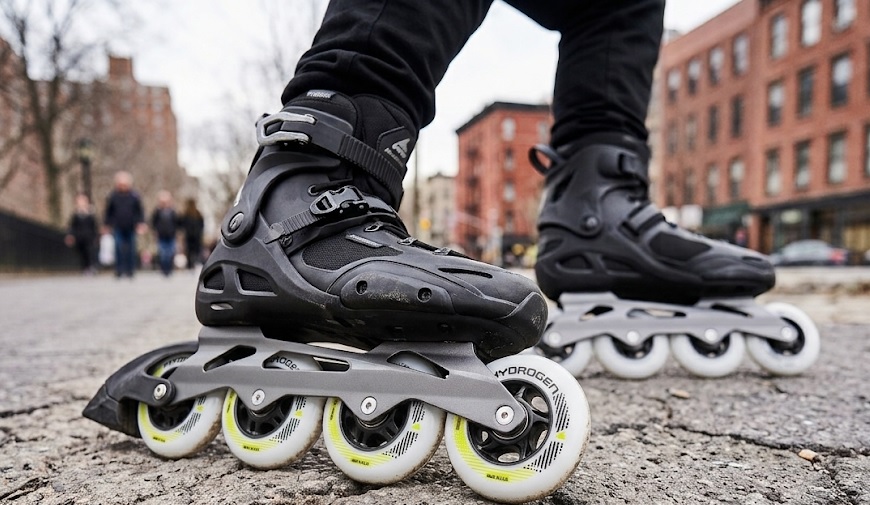
Hydrogen Pro 110mm Wheels – Best Overall Choice
These Hydrogen Pro 110mm wheels feature a premium urethane compound that resists flat-spotting and uneven wear. They offer superior grip and a smooth roll, making them the best option for aggressive skaters who brake hard. Ideal for extended urban skating sessions.
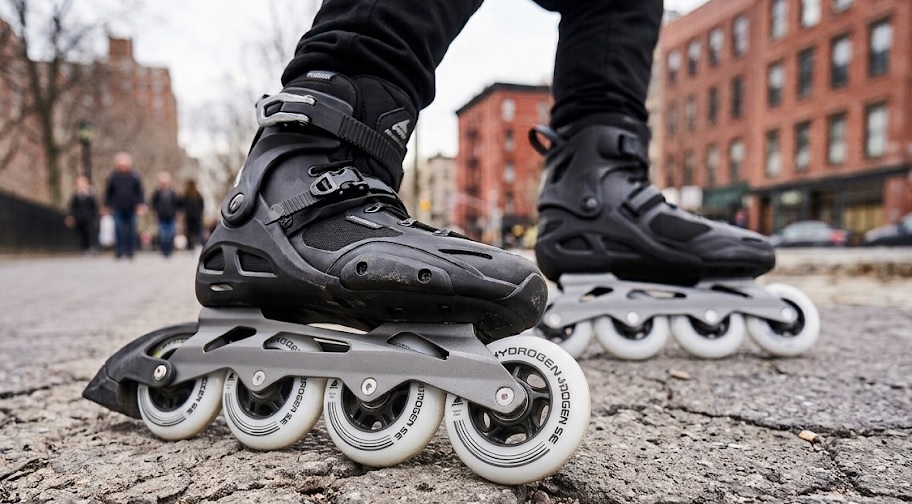
Matter F1R 90mm Wheels – Best for Speed Control
The Matter F1R 90mm wheels use a dual-density core to distribute weight evenly, reducing cone-shaped wear. Their high-rebound material maintains consistent diameter across all wheels. This is the recommended choice for marathon skaters seeking longevity.
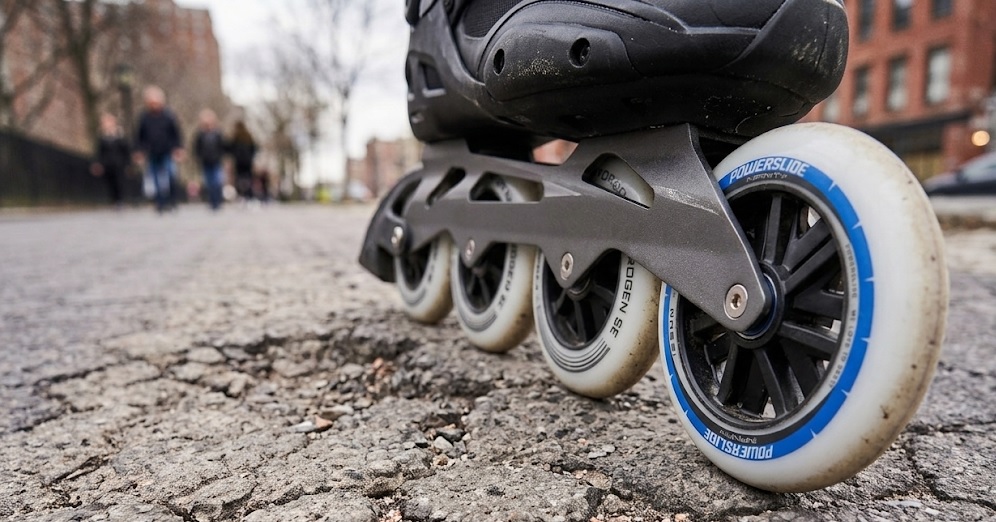
Powerslide Infinity 125mm Wheels – Best for Stability
Engineered with a wider contact patch, the Powerslide Infinity 125mm wheels minimize edge wear caused by leaning. They are ideal for fitness skaters who skate on rough roads. The durable urethane compound significantly extends wheel life compared to standard models.
Common Causes of Uneven Inline Skate Wheel Wear
Understanding why your wheels wear unevenly is the first step to fixing the problem. Most skaters experience this issue due to braking habits, weight distribution, or lack of rotation.
Braking Technique and Flat Spots
If you use the heel brake frequently, your rear wheels will wear down faster on one side. This creates a flat spot that ruins your roll quality. To prevent this, alternate your braking foot or learn the T-stop technique.
Weight Distribution and Leaning
Your natural skating stance directly impacts wheel wear. Skaters who lean heavily on one edge cause that side of the wheel to taper faster. This is especially common in hockey or aggressive skating where you constantly push off one foot.
- Inside edge wear: Caused by pronating (ankles rolling inward)
- Outside edge wear: Caused by supinating (ankles rolling outward)
- Cone-shaped wear: Results from uneven weight between front and rear wheels
Lack of Regular Wheel Rotation
Wheels on your dominant push foot always wear faster than the others. Without rotation, you create a permanent imbalance. A simple rule is to swap wheels every 10-15 hours of skating to maintain even wear.
| Wear Pattern | Cause | Solution |
|---|---|---|
| Flat spot | Hard braking | Rotate or replace |
| Tapered edge | Leaning stance | Adjust posture |
| Cone shape | Uneven weight | Rotate regularly |
How to Diagnose Uneven Wheel Wear Patterns
Learning to read your wheel wear patterns helps you correct bad habits early. Each wear shape tells a specific story about your skating technique.
Identifying Flat Spots and Their Causes
Flat spots feel like a vibrating or bumpy ride when you roll. They occur when you lock your wheels during a hard stop or slide. If you hear a thumping sound, inspect your wheels immediately for flattened areas.
Recognizing Tapered or Cone-Shaped Wear
Tapered wear means one side of the wheel is significantly narrower than the other. This is almost always caused by your ankle angle. If the inside edge is worn, you pronate. If the outside edge is worn, you supinate.
- Inside taper: Ankles roll inward, common in beginners
- Outside taper: Ankles roll outward, common in speed skaters
- Uneven diameter: Front wheels smaller than rear, or vice versa
Measuring Wheel Diameter Discrepancies
Use a digital caliper or wheel gauge to measure each wheel’s diameter. A difference of more than 2mm between wheels creates handling problems. Your skates will pull to one side, making turns unpredictable.
| Wear Difference | Severity | Action Needed |
|---|---|---|
| Less than 1mm | Normal | Rotate as usual |
| 1-2mm | Moderate | Rotate and adjust stance |
| More than 2mm | Severe | Replace wheels |
Measuring monthly catches problems before they affect your skating experience. Early detection saves you money on premature replacements.
Step-by-Step Guide to Rotating Inline Skate Wheels
Rotating your wheels is the most effective way to correct and prevent uneven wear. Follow this simple rotation pattern every 10-15 hours of skating.
The Standard Rotation Pattern Explained
Most skaters use the X-pattern rotation for optimal results. Remove all eight wheels and swap them diagonally. The front left wheel moves to the rear right position, and vice versa.
Step-by-Step Rotation Process
- Remove all wheels using a 4mm Allen key or skate tool
- Clean the bearings with a dry cloth while wheels are off
- Swap positions following the X-pattern: front-left to rear-right
- Flip each wheel so the inside edge faces outward
- Tighten bolts firmly but avoid overtightening
This complete process takes under ten minutes. Regular rotation keeps your ride smooth and prevents costly replacements.
When to Replace Instead of Rotating
Rotation cannot fix wheels that are already severely damaged. If you see deep flat spots, cracks, or a diameter difference over 3mm, replacement is necessary. Worn wheels reduce grip and increase fall risk.
| Wheel Condition | Rotate? | Replace? |
|---|---|---|
| Mild taper (under 2mm) | Yes | No |
| Single flat spot | Maybe | Yes |
| Cracked or chipped | No | Immediately |
Invest in a wheel durometer gauge to check hardness. Softer wheels (78A-82A) wear faster and need more frequent rotation than harder ones (84A-88A).
How Skating Technique Affects Wheel Wear
Your skating style directly determines how quickly your wheels wear down. Small adjustments to your technique can dramatically extend wheel life.
Correcting Braking Habits for Longer Wheel Life
The heel brake is the biggest culprit for uneven wear. It grinds down the rear wheels on your braking side much faster than the others. Switch to the T-stop technique where you drag one skate perpendicular behind you.
- Heel brake: Fast wear on one rear wheel, creates flat spots
- T-stop: Distributes wear across both rear wheels evenly
- Plow stop: Uses all four wheels, best for wheel preservation
Practicing multiple stopping techniques prevents over-reliance on one method. This single change can double your wheel lifespan.
Improving Your Stance and Weight Distribution
A neutral stance with equal weight on both feet reduces edge wear significantly. Avoid leaning heavily on your inside or outside edges. Keep your ankles straight and your knees bent at a 90-degree angle.
Adjusting Push-Off Patterns
Most skaters have a dominant push foot that works harder. This causes the wheels on that skate to wear 30-40% faster. Consciously practice pushing off with your weaker foot during warm-ups.
| Technique Issue | Wear Result | Fix |
|---|---|---|
| Same foot braking | One rear wheel wears fast | Alternate braking feet |
| Ankle pronation | Inside edge taper | Adjust frame or get insoles |
| Dominant push foot | Uneven front wheel wear | Practice weaker foot pushes |
Small technique changes feel awkward at first but become natural within a few sessions. Your wheels will thank you with longer, more consistent performance.
Inline Skate Maintenance Tips to Prevent Uneven Wear
Consistent maintenance is your best defense against premature wheel damage. A few minutes of care after each session keeps your wheels rolling true.
Cleaning Bearings and Axles Regularly
Dirty bearings create drag and resistance that forces wheels to wear unevenly. Remove your bearings every month and wipe them with a dry cloth. Use a specialized bearing cleaner for deeper grime.
- Weekly: Wipe axles and spacers with a dry rag
- Monthly: Remove bearings, clean with solvent, re-lubricate
- Seasonally: Replace worn bearings that feel gritty when spun
Clean bearings spin freely, reducing friction on individual wheels. This prevents one wheel from working harder than others.
Checking Frame Alignment and Bolts
A misaligned frame forces your wheels to run at an angle, causing rapid edge wear. Check frame alignment by looking down the length of your skate. The wheels should form a perfectly straight line.
Storing Skates Properly Between Sessions
How you store your skates affects wheel shape over time. Never leave skates in direct sunlight or extreme heat. High temperatures soften urethane and cause permanent flat spots on the bottom wheels.
| Storage Condition | Effect on Wheels | Best Practice |
|---|---|---|
| Direct sunlight | Urethane hardens and cracks | Store in a cool, dark place |
| Hot car trunk | Wheels soften and deform | Keep indoors at room temp |
| Damp basement | Bearings rust, wheels degrade | Use silica gel packets |
Proper storage extends wheel life by up to 30%. Always store skates upright or hanging, never stacked with weight on the wheels.
Choosing the Right Wheel Durometer to Reduce Uneven Wear
Wheel hardness, measured by the durometer scale, directly impacts how quickly and evenly your wheels wear. Selecting the correct hardness for your weight and surface prevents premature damage.
Understanding the Durometer Scale (78A to 88A)
Softer wheels (78A-82A) offer more grip but wear significantly faster on rough surfaces. Harder wheels (84A-88A) last longer but provide less shock absorption. Your body weight determines which range is ideal for you.
- 78A-80A: Best for beginners and rough outdoor surfaces, maximum grip
- 82A-84A: Ideal for average weight skaters (130-180 lbs), balanced wear
- 85A-88A: Recommended for heavy skaters (180+ lbs) or smooth indoor rinks
Heavier skaters compress softer wheels more, causing faster and more uneven wear. Choosing a harder durometer prevents this compression issue.
Matching Durometer to Your Skating Surface
The surface you skate on is the biggest factor in wear rate. Rough asphalt acts like sandpaper, wearing down soft wheels in hours. Smooth concrete or indoor rinks allow harder wheels to perform optimally.
Weight-Based Durometer Recommendations
Your body weight determines how much force each wheel absorbs. A 200-pound skater on 78A wheels will see flat spots within one session. A 120-pound skater on 88A wheels will slide uncontrollably.
| Skater Weight | Recommended Durometer | Surface Type |
|---|---|---|
| Under 130 lbs | 78A-80A | Outdoor, rough |
| 130-180 lbs | 82A-84A | Mixed surfaces |
| Over 180 lbs | 85A-88A | Indoor, smooth |
Investing in the correct durometer for your weight prevents the most common cause of uneven wear. This single choice can triple your wheel lifespan.
When to Replace Inline Skate Wheels vs. When to Rotate
Knowing whether to rotate or replace your wheels saves money and prevents safety risks. This decision depends on the severity and type of wear present.
Signs That Rotation Will Fix the Problem
Rotation works best when wear is mild and uniform across the wheel surface. If your wheels show a slight taper of less than 2mm, rotating and flipping them will restore balance. This is the most cost-effective solution.
- Mild taper: Less than 2mm difference between edges
- Surface scuffing: Light marks from gravel, not deep gouges
- Diameter variation: Under 1mm difference between wheels
In these cases, a simple rotation every 15 hours of skating corrects the issue completely. No money needs to be spent on new wheels.
Clear Indicators You Need New Wheels
Some damage is irreversible and requires immediate replacement. Deep flat spots create a constant vibration that ruins your ride quality. Cracked or chipped urethane compromises your safety during turns.
Cost-Benefit Analysis of Replacement Timing
Replacing wheels too early wastes money, but waiting too long damages your bearings and frames. A good rule is to replace wheels when the diameter has decreased by 4mm from the original size. For example, 80mm wheels should be replaced when they reach 76mm.
| Wheel Condition | Action | Cost Impact |
|---|---|---|
| Mild taper (under 2mm) | Rotate | Free |
| Flat spot (shallow) | Rotate and monitor | Minimal |
| Deep flat spot or crack | Replace immediately | $40-$80 per set |
| Diameter loss over 4mm | Replace | Standard replacement |
Invest in a simple wheel gauge to track diameter loss accurately. This small tool pays for itself by preventing premature replacements.
Conclusion: Mastering Uneven Inline Skate Wheel Wear
Uneven wheel wear is fixable with proper rotation, correct technique, and the right durometer choice. Regular maintenance extends wheel life by up to 300% and keeps your ride smooth.
Start by checking your wear pattern today. Rotate your wheels every 15 hours and adjust your braking habits. Your wheels will last longer, and your skating will feel better.
Take action now—grab your skate tool and inspect your wheels. Small changes make a big difference in performance and savings.
Frequently Asked Questions About Uneven Inline Skate Wheel Wear
How often should I rotate my inline skate wheels?
You should rotate your wheels every 10 to 15 hours of skating. This frequency prevents uneven wear patterns from becoming permanent. Recreational skaters can rotate once a month.
Competitive skaters who train daily may need rotation every week. Always check your wheels visually before each session for early signs of taper or flat spots.
What is the best rotation pattern for inline skate wheels?
The X-pattern rotation is the most effective method. Swap the front left wheel with the rear right, and the front right with the rear left. Always flip each wheel over when moving it.
This pattern distributes wear across all four wheels and both edges. It corrects the natural imbalance caused by braking and pushing off with your dominant foot.
Why are my inline skate wheels wearing on one side only?
One-sided wear is almost always caused by ankle pronation or supination. Pronation (ankles rolling inward) wears the inside edge. Supination (ankles rolling outward) wears the outside edge.
Fix this by adjusting your frame alignment or using supportive insoles. A professional skate fitting can identify and correct your stance issues permanently.
Can I fix a flat spot on my inline skate wheels?
Shallow flat spots can sometimes be fixed by rotating and flipping the wheel. This moves the flat area away from the ground contact point. However, deep flat spots are permanent damage.
Deep flat spots create a constant vibration that cannot be corrected. Replace any wheel with a flat spot deeper than 1mm for safe, smooth skating.
What durometer wheels should I buy for uneven wear prevention?
Choose a durometer based on your body weight and skating surface. Skaters under 130 pounds should use 78A-80A wheels. Skaters over 180 pounds need 85A-88A wheels for even wear.
Heavier skaters compress soft wheels too much, causing rapid uneven wear. Harder wheels resist deformation and distribute force more evenly across the contact patch.
How do I know when my inline skate wheels need replacing?
Replace wheels when the diameter has decreased by 4mm from the original size. Also replace if you see cracks, deep flat spots, or chunks missing from the urethane.
Worn wheels reduce grip and increase your risk of falling during turns. A simple wheel gauge costs under $10 and helps you measure diameter accurately.
Does skating on rough surfaces cause uneven wheel wear?
Yes, rough asphalt accelerates wear significantly. Soft wheels (78A-82A) can wear 50% faster on rough surfaces than on smooth concrete. The abrasive surface grinds down urethane unevenly.
Switch to harder wheels (84A-86A) for rough outdoor surfaces. This reduces wear rate and prevents the vibration that causes flat spots from impact.
What is the best way to brake without wearing wheels unevenly?
The T-stop technique is the best method for even wheel wear. Drag one skate perpendicular behind you, distributing pressure across both rear wheels. Alternate which foot you use for braking.
Avoid relying solely on the heel brake, which wears one rear wheel rapidly. Learning multiple braking techniques extends wheel life and improves your overall skating control.