
Replace your inline skate wheels every 3 to 6 months for casual skaters, or every 4 to 8 weeks for aggressive skaters. The exact timeline depends entirely on your skating surface, body weight, and skating style. This guide delivers expert tips to maximize wheel lifespan and improve your ride.
In this complete guide, you will learn proven methods to inspect wheel wear, identify the tell-tale signs of flat spots, and extend the life of your gear. We cover durometer ratings, rotation techniques, and the key differences between indoor and outdoor wheels. Keep reading to master your maintenance schedule.
Best Inline Skate Wheels for Performance and Durability
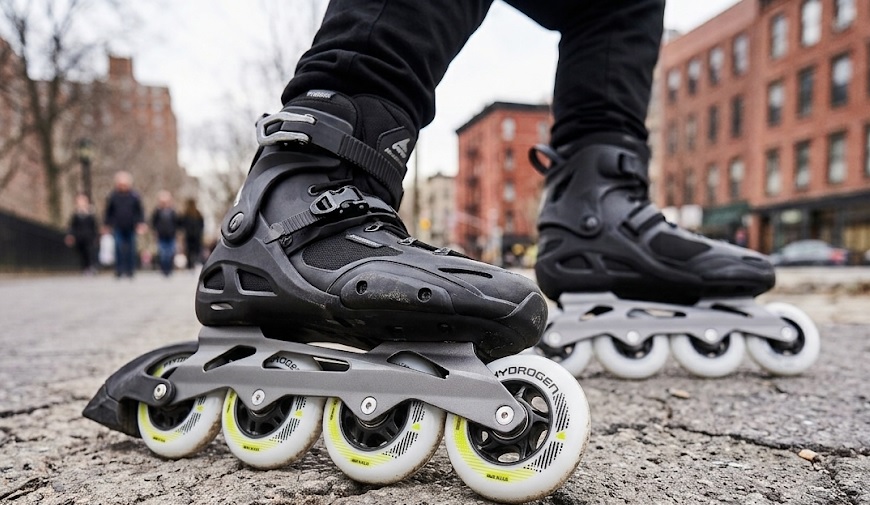
Hydrogen Pro Wheels (110mm/85A) – Best Overall Choice
The Hydrogen Pro 110mm/85A wheels offer exceptional grip and a long lifespan for urban skating. Their proprietary urethane formula reduces flat spotting, making them ideal for rough asphalt. Best for intermediate to advanced skaters seeking high rebound and smooth slides.
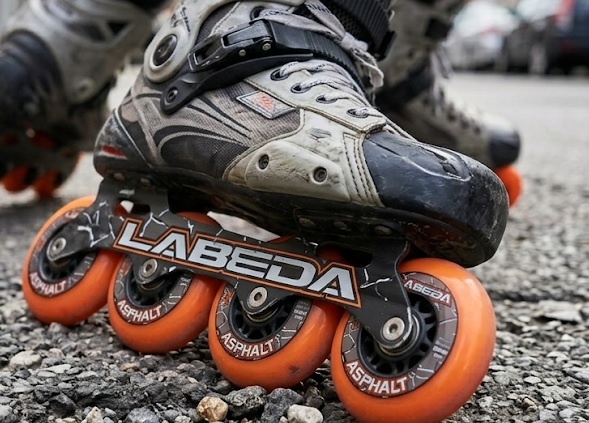
Labeda Asphalt Killer (80mm/78A) – Best for Outdoor Grip
The Labeda Asphalt Killer 80mm/78A is the recommended choice for rough outdoor surfaces. Its softer durometer absorbs vibrations and provides maximum traction on cracked pavement. This is the best option for recreational skaters who prioritize comfort and control over pure speed.
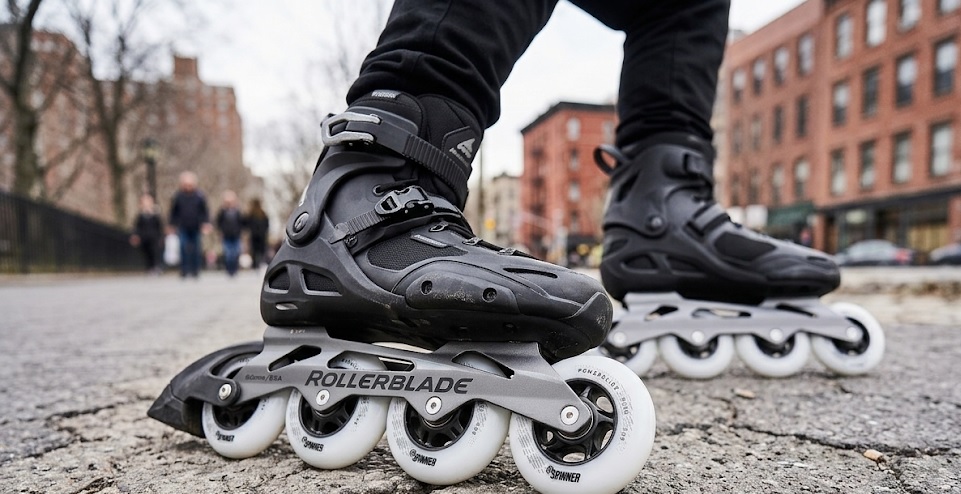
Powerslide Spinner Wheels (100mm/88A) – Best for Speed
The Powerslide Spinner 100mm/88A wheels feature a high-rebound core for explosive acceleration. Their harder compound minimizes rolling resistance on smooth paths, making them ideal for fitness skaters. This model offers excellent value with consistent wear across all four wheels.
Key Factors That Determine Inline Skate Wheel Lifespan
Your wheel replacement schedule depends on three main variables: skating surface, body weight, and skating style. Ignoring these factors leads to premature wear and reduced performance. Understanding each element helps you predict when to swap wheels.
How Skating Surface Affects Wheel Wear
Rough asphalt grinds down wheel urethane much faster than smooth concrete or wood rinks. Skating on gritty surfaces can wear wheels 50% faster than polished indoor floors. Always check your wheels after 10 hours of outdoor use for visible wear.
Why Body Weight Changes Replacement Timelines
Heavier skaters apply more force to the wheels, causing faster compression and flat spotting. A skater weighing 200 pounds may need new wheels every 6 weeks, while a 130-pound skater might get 3 months. Lighter skaters should rotate wheels less frequently but still inspect monthly.
Key Takeaway: Heavier skaters and outdoor-only skaters should check wheel wear weekly. Indoor recreational skaters can extend inspections to every 2-3 weeks.
Skating Style and Its Impact on Durability
- Aggressive skaters: Constant slides and stops create flat spots within 4-8 weeks. Replace sooner.
- Fitness skaters: Steady forward motion wears wheels evenly. Expect 3-6 months of use.
- Recreational skaters: Occasional use on smooth paths can last 6-12 months before replacement.
Your specific combination of these factors creates a unique wear pattern. Inspect your wheels after every session for cracks, flat spots, or uneven wear to catch problems early.
How to Inspect Inline Skate Wheels for Wear and Damage
Learning to spot wear early extends wheel life and prevents accidents. You should inspect your wheels before every skating session for visible damage. This quick check takes less than 30 seconds and can save you from a dangerous fall.
Visual Signs You Need New Wheels Immediately
- Flat spots: Visible flattened areas from hard stops or slides cause a bumpy ride. Replace wheels showing any flat spot larger than a dime.
- Uneven wear: One side of the wheel is significantly lower than the other. This indicates improper rotation or a bent axle.
- Cracks or chunks: Missing urethane pieces or deep cracks compromise wheel integrity. Replace these wheels right away.
Key Takeaway: If you feel vibrations, hear clicking sounds, or notice reduced grip during turns, your wheels likely need replacement. Do not wait for complete failure.
How to Measure Wheel Diameter for Replacement
New inline skate wheels come with a specific diameter, such as 80mm or 110mm. As you skate, the urethane wears down, reducing this diameter. Replace wheels when they lose 4mm or more from their original size, as smaller wheels reduce speed and stability.
When to Rotate Wheels to Extend Lifespan
Rotating your wheels every 10-15 hours of skating evens out wear patterns. Swap the front wheels to the back and flip them left to right. This simple practice can double the life of your set before replacement is needed.
Wheel Durometer and Hardness: Choosing the Right Replacement
Wheel hardness, measured by the durometer rating (A scale), directly impacts how often you need replacements. Softer wheels grip better but wear faster, while harder wheels last longer but offer less traction. Choosing the right durometer for your surface is essential for maximizing lifespan.
Understanding the Durometer Scale for Inline Wheels
The standard range for inline skate wheels is 78A to 92A. Lower numbers like 78A are soft and sticky, ideal for rough outdoor surfaces. Higher numbers like 88A are hard and fast, perfect for smooth indoor rinks or clean asphalt.
| Durometer | Best Surface | Expected Lifespan | Grip Level |
|---|---|---|---|
| 78A – 82A | Rough asphalt, trails | 2-4 months | High |
| 83A – 86A | Mixed surfaces, parks | 3-6 months | Medium |
| 87A – 92A | Smooth rinks, clean pavement | 4-8 months | Low |
How Durometer Affects Wheel Replacement Frequency
If you skate outdoors on rough asphalt, a 78A wheel will provide comfort but wear down in 2-4 months. Switching to an 85A wheel on the same surface might extend life to 5 months, but you will feel more vibration. Always match durometer to your primary skating environment.
Mixing Durometers for Front and Rear Wheels
Advanced skaters often use harder wheels in the back for speed and softer wheels in the front for grip. This setup balances wear and can extend overall wheel life by 20-30%. Experiment with a two-durometer setup if you skate on varied terrain regularly.
Step-by-Step Guide to Replacing Inline Skate Wheels
Replacing your wheels is a straightforward process that takes about 15 minutes with the right tools. You will need a bearing puller, a 4mm Allen key, and your new wheels. Follow these steps carefully to avoid damaging your bearings or frame.
Tools You Need for a Smooth Wheel Swap
- 4mm Allen key (hex wrench): Used to loosen the axle bolts on most skate frames. Check your skate brand for exact size.
- Bearing puller or tool: Helps remove bearings from old wheels without bending the shields. A skate tool with a bearing press is ideal.
- Spare bearings or spacers: Keep a set of clean bearings ready if your current ones are worn or gritty. Replace bearings every second wheel change.
Key Takeaway: Always work on one wheel at a time to keep your bearings organized. Label each bearing’s position (front left, back right) to maintain proper wear patterns when reinstalling.
How to Remove Old Wheels Step by Step
- Loosen the axle bolt: Insert the Allen key and turn counterclockwise until the bolt is free. Remove the bolt and slide out the axle carefully.
- Remove the wheel: Pull the wheel straight out from the frame. If stuck, wiggle gently while pulling to avoid bending the frame.
- Extract the bearings: Use a bearing puller to pop each bearing out from the center. Work slowly to avoid damaging the bearing’s internal race.
Installing New Wheels Correctly
Place your bearings into the new wheel, ensuring they sit flush against the inner spacer. Slide the wheel into the frame and insert the axle through one side. Tighten the axle bolt firmly but not overly tight to allow smooth rotation without wobble.
Common Mistakes to Avoid When Replacing Skate Wheels
Even experienced skaters make errors during wheel replacement that shorten lifespan or cause performance issues. Avoiding these five common mistakes will save you money and keep your ride smooth. Learn from others’ errors to get the most from your new wheels.
Overtightening Axle Bolts
Many skaters crank axle bolts too tight, which crushes the bearings and prevents free spinning. Tighten the bolt until the wheel spins freely with a slight resistance. Overtightened axles can ruin new bearings within a single skating session.
Mixing Different Wheel Sizes on the Same Skate
Using a 100mm wheel on one foot and an 80mm wheel on the other creates imbalance and instability. Always replace all four wheels on one skate with identical sizes. Mismatched diameters also cause uneven wear and reduce control during turns.
Key Takeaway: Mark your old wheels with a permanent marker before removal to track their original position. This helps you maintain consistent wear patterns when rotating or replacing partial sets.
Ignoring Bearing Condition During Wheel Changes
- Dirty bearings: Installing new wheels on gritty bearings transfers debris to the fresh urethane. Clean or replace bearings during every wheel swap.
- Worn bearing shields: Cracked or missing shields expose bearings to dirt. Replace shields or the entire bearing set before mounting new wheels.
- Dry bearings: Bearings without lubrication create friction that wears wheels faster. Apply a drop of bearing oil during installation.
Skipping the Break-In Period for New Wheels
New wheels have a slick surface that requires gentle skating for the first 30 minutes. Avoid hard stops or aggressive slides during this break-in period. Gradual use allows the urethane to conform to your skating style and prevents flat spots.
Extending the Lifespan of Your Inline Skate Wheels
With proper care, you can significantly delay the need for replacement and save money over time. These maintenance habits focus on preventative care rather than reactive fixes. Implement these strategies to get the maximum mileage from every wheel set.
Proper Wheel Rotation Techniques for Even Wear
Rotating your wheels every 10 to 15 hours of skating distributes wear evenly across all four wheels. Swap the front wheels to the rear positions and flip them left to right. This simple rotation can extend overall wheel life by up to 40% before replacement is necessary.
How to Clean Wheels for Better Performance
- Remove debris: Pick out small stones and glass from the urethane after every session. Embedded debris acts like sandpaper, accelerating wear.
- Wipe with a damp cloth: Use a mild soap and water solution to remove dirt and grime buildup. Dry thoroughly before storing to prevent urethane degradation.
- Avoid harsh chemicals: Solvents and alcohol can dry out the urethane, making it brittle. Stick to gentle cleaning methods for longer wheel life.
Key Takeaway: Store your skates in a cool, dry place away from direct sunlight. UV rays and extreme heat can harden the urethane and cause cracking, reducing wheel lifespan by up to 30%.
Adjusting Your Skating Technique to Reduce Wear
Hard stops, such as the T-stop or power slide, create friction that quickly flattens wheels. Practice gentler stopping techniques like the plow stop or gradual heel brake use to minimize damage. Smooth, flowing strides also reduce the side-to-side scraping that wears wheel edges unevenly.
When to Replace Bearings Alongside Your Inline Skate Wheels
Bearings and wheels work as a system, and worn bearings can damage new wheels quickly. Replacing bearings every second or third wheel change keeps your setup running smoothly. Ignoring bearing condition leads to friction, heat buildup, and premature wheel wear.
Signs Your Bearings Need Replacement
- Grinding or clicking sounds: Audible noise during spinning indicates dirty or damaged internal races. Replace these bearings immediately to avoid scoring your new wheel hubs.
- Rough or sticky rotation: If a wheel does not spin freely after cleaning, the bearing is likely worn out. New bearings should spin for 10-15 seconds with a single flick.
- Visible rust or corrosion: Moisture damage compromises bearing seals and allows debris inside. Rusty bearings will grind down your new wheel’s inner core quickly.
Key Takeaway: Invest in quality bearings like ABEC-7 or ABEC-9 rated models. Higher-rated bearings reduce friction and heat, which extends the life of both your bearings and your wheels.
How to Match Bearing Quality to Wheel Type
Soft outdoor wheels (78A-82A) benefit from sealed bearings that block dust and grit. Hard indoor wheels (88A-92A) pair well with high-speed bearings that handle lower rolling resistance. Always match bearing quality to your skating intensity and surface conditions.
Proper Bearing Installation for New Wheels
Press bearings into the wheel using a bearing tool or a flat surface to avoid damaging the shields. Ensure the bearing sits flush against the inner spacer for smooth rotation. Lubricate with one drop of bearing oil after installation to reduce initial friction during the break-in period.
Conclusion: Replace Inline Skate Wheels at the Right Time
Knowing how often to replace inline skate wheels saves you money and keeps your skating safe. Inspect wheels before every session and swap them when you see flat spots or wear past 4mm.
Your best practice is to rotate wheels every 15 hours and match durometer to your surface. Start checking your wheels today to enjoy a smoother, faster ride.
Apply these expert tips and your gear will last longer than ever.
Frequently Asked Questions about Inline Skate Wheel Replacement
How often should I replace inline skate wheels for outdoor skating?
For outdoor skating on rough asphalt, replace your wheels every 2 to 4 months with regular use. Soft durometer wheels (78A-82A) wear faster on abrasive surfaces. Check for flat spots and diameter loss after 20 hours of outdoor skating.
If you skate outdoors weekly, inspect your wheels every two weeks for visible wear. Harder wheels (85A-88A) may last 4 to 6 months on mixed surfaces.
How do I know when my inline skate wheels are worn out?
Look for flat spots, uneven wear, or cracks in the urethane surface. Measure the wheel diameter; if it has shrunk by 4mm or more from the original size, replace them. Also listen for clicking sounds or feel vibrations during skating.
A simple test is to spin each wheel while the skate is off. Wobbling or rough rotation indicates bearing issues or uneven wheel wear that needs attention.
Can I replace only two inline skate wheels at a time?
Yes, you can replace just two wheels, but it is best to replace them in pairs on the same axle. Place the new wheels on the front or rear of both skates to maintain balanced performance. Mixing new and old wheels can cause uneven handling.
For optimal results, replace all four wheels on one skate at the same time. This ensures consistent grip, speed, and wear patterns across your setup.
What is the best way to rotate inline skate wheels?
The best rotation method is to swap front wheels to the rear and flip them left to right every 10 to 15 hours of skating. This evens out wear caused by turning and braking forces. Mark each wheel with its position before removal to track patterns.
Some skaters also rotate wheels diagonally, moving front-left to rear-right. Choose one method and stick with it for consistent results.
How does wheel durometer affect replacement frequency?
Softer wheels (78A-82A) offer more grip but wear down twice as fast as harder wheels (88A-92A). A soft wheel on rough asphalt may need replacement every 2 months, while a hard wheel on smooth pavement can last 6 months. Choose durometer based on your primary surface.
If you skate on varied terrain, consider a medium durometer (83A-86A) for balanced wear and grip. This extends replacement intervals without sacrificing comfort.
Why do my inline skate wheels wear unevenly?
Uneven wear is usually caused by improper rotation, bent axles, or aggressive turning on one side. Skaters who always turn left will wear the inside edges of their right wheels faster. Check your frame alignment and rotate wheels more frequently to fix this.
Another cause is skating with loose axle bolts, which allows wheels to wobble. Tighten bolts evenly and inspect your frame for damage if uneven wear persists.
What tools do I need to replace inline skate wheels?
You need a 4mm Allen key (hex wrench) to remove axle bolts and a bearing puller to extract bearings from old wheels. A skate tool with a built-in bearing press makes installation easier. Also have a clean cloth and bearing oil ready.
Optional tools include a wheel spacer tool and a small screwdriver for prying off bearing shields. Most basic replacements require only the Allen key and bearing puller.
Can I use different size wheels on my inline skates?
Using different wheel sizes on the same skate is not recommended. Mismatched diameters cause imbalance, reduced stability, and uneven wear. Always use identical wheel sizes on both skates and on the same axle for safe skating.
Some advanced skaters use a “rockered” setup with smaller front and rear wheels for agility. However, this requires a specific frame designed for mixed sizes and is not for beginners.